Mitchell Kanashkevich’s Visual Storytelling Masterclass: Beyond Technical Fixes in Photo Editing

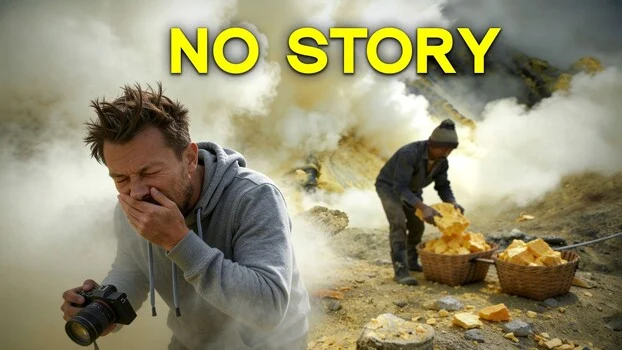
In the crucible of a dense sulfurous haze, where the acrid sting of burning eyes and the suffocating scarcity of air tested the limits of endurance, photographer Mitchell Kanashkevich pressed on, capturing images that resonated with an undeniable authenticity. His subsequent reflections, shared through a compelling video tutorial, illuminate a pervasive pitfall in digital image post-processing: a misguided focus on superficial aesthetics that often renders even the most dramatic scenes inert. Kanashkevich, a seasoned visual storyteller operating under the banner of Mitchell Kanashkevich | mitchellkphotos, argues that the most significant impediment to effective editing is not a lack of technical prowess, but a fundamental misunderstanding of the creative process itself. The common, yet easily rectifiable, habit he identifies is the immediate pursuit of a predetermined "look" – be it punchy, cinematic, or dramatic – upon opening a photograph. Instead, Kanashkevich champions a principle-driven approach, asserting that every editing decision must be anchored to a singular, foundational question: "What do I want this image to communicate?"
The Principle of Intent: Communicating Emotion Over Aesthetics
Kanashkevich’s core argument is that the efficacy of a photograph hinges on its ability to convey a specific message or evoke a particular emotion, rather than adhering to a trending visual style. He illustrates this through practical demonstrations, contrasting approaches where intent precedes execution versus those driven by an impulsive desire for a striking aesthetic. For instance, he posits that a scene shrouded in fog, which naturally possesses a quietude, does not benefit from amplified contrast. Instead, to truly capture the intended atmosphere of silence and stillness, the contrast should be meticulously reduced. Similarly, a dark, shadow-laden frame, rather than being artificially brightened to reveal every detail, might necessitate deepening those shadows further to accentuate the inherent mystery or narrative tension. This deliberate manipulation of light and shadow, guided by the communicative goal of the image, allows for a more profound and resonant viewer experience.
Deconstructing Visual Hierarchy: Emphasizing Narrative Elements
A significant portion of Kanashkevich’s tutorial delves into the nuanced art of processing for narrative impact. He highlights a common tendency in editing to treat all elements within a frame with equal visual weight. This often results in an image where every component vies for attention, paradoxically diminishing the importance of any single element. Kanashkevich advocates for a strategic approach: identifying the crucial components that drive the story or convey the intended emotion, and then amplifying their presence. Conversely, extraneous elements that detract from the narrative should be subtly de-emphasized, allowing them to recede into the background.
He provides concrete examples of this philosophy in action. A seemingly inconsequential bucket in a frame, if it adds nothing to the story, should be allowed to fade. If the floorboards are drawing the viewer’s eye away from the subjects, their prominence can be reduced through darkening. The primary focus, such as the faces of the subjects and the play of light upon them, becomes the conduit for the narrative. These elements are then brought to the forefront using precise tools like radial filters, targeted brushes, and sophisticated AI-powered masks, ensuring that the viewer’s gaze is directed precisely where the photographer intends.
Portraiture and the Virtue of Restraint
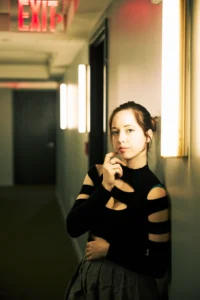
The principles of intentional editing extend to portrait photography, where Kanashkevich addresses the prevalent trap of over-processing skin textures and creating unnaturally luminous eyes. He strongly advocates for restraint, emphasizing that subtle enhancements are far more effective than overt manipulation. The underlying ethos is that if an adjustment feels questionable or excessive, it is likely a sign that it should be dialed back. This commitment to a naturalistic aesthetic in portraiture ensures that the subject’s true essence is preserved, rather than being obscured by artificial enhancements. The goal is to refine, not to redefine, the individual’s appearance.
Color Harmony: Reinforcing Mood Through Palette Transfer
Kanashkevich also explores the sophisticated technique of color transfer, a feature that allows photographers to extract a color palette from one image and apply it to another. He maintains a curated library of inspiring images, drawing from the work of esteemed photographers and evocative film stills. These serve as valuable source material for color experimentation. The objective here is not to fundamentally alter the photograph’s character but to subtly reinforce its existing mood and narrative. By matching the applied palette to the inherent emotional tone of the image, rather than imposing an incongruous aesthetic, the color transfer becomes a powerful tool for enhancing the overall impact. The results, as demonstrated on various images throughout the tutorial, are consistently visible yet deliberately understated, serving to elevate the existing visual language of the photograph.
Contextualizing the Sulfur Smoke Incident: A Test of Photographic Resolve
While the provided text focuses on the editing principles, the mention of shooting in "thick sulfur smoke with burning eyes and barely enough air to breathe" alludes to a potentially hazardous and demanding photographic assignment. Such conditions are often encountered in industrial zones, active volcanic sites, or areas affected by significant environmental events.
Potential Chronology and Background Context:
While specific details of the sulfur smoke incident are not provided, such scenarios can arise from various sources:
- Industrial Accidents: Chemical plants or factories dealing with sulfur compounds can experience leaks or controlled releases that generate dense smoke. These events, while often managed by emergency services, can create challenging environments for photographers attempting to document them. Incidents like the Texas City Refinery explosion in 2005, which involved significant chemical releases and smoke, highlight the potential dangers.
- Volcanic Activity: Photographers documenting active volcanoes, such as those in Indonesia or Hawaii, frequently encounter sulfurous gases and ash clouds. The Kīlauea eruption in Hawaii, which began spewing lava and volcanic gases in 2018, created hazardous conditions for both residents and observers.
- Controlled Burns or Wildfires: While less common for pure sulfur smoke, large-scale industrial fires or certain types of controlled burns can release sulfur dioxide, contributing to hazardous air quality and smoke.
In such environments, photographers must adhere to strict safety protocols, often involving specialized protective gear. The ability of Kanashkevich to not only endure these conditions but also to produce compelling imagery underscores a deep commitment to his craft and a remarkable resilience. The very act of persevering through such physical discomfort to capture a meaningful image speaks volumes about his dedication to the communicative power of photography.
Broader Implications: The Future of Image Manipulation
Kanashkevich’s emphasis on intentionality in editing carries significant implications for the broader landscape of digital photography and visual communication. As artificial intelligence continues to advance, offering increasingly sophisticated tools for image manipulation, the temptation to rely on automated "looks" or stylistic presets will likely grow. However, Kanashkevich’s work serves as a vital reminder that technology, while powerful, is merely a tool. The true artistry lies in the photographer’s vision and their ability to imbue their images with meaning.
The trend towards hyper-realistic or overtly stylized imagery in social media and advertising can sometimes dilute the impact of authentic visual storytelling. By advocating for a return to fundamental principles of communication, Kanashkevich empowers photographers to cut through the noise and create images that resonate on a deeper, more human level.
The Unfixable: A Final Cautionary Note
Kanashkevich concludes his video with a pointed warning about the limitations of post-processing. This serves as a crucial reminder that no amount of technical skill or editing prowess can salvage a photograph that lacks a compelling subject, a clear intent, or a foundational element of visual interest. The most sophisticated editing suite cannot manufacture emotion or authenticity where none exists in the original capture. This underscores the primacy of good photography practices in the field – careful composition, understanding light, and capturing genuine moments – as the bedrock upon which all post-processing efforts are built. Ultimately, Kanashkevich’s guidance offers a roadmap for photographers seeking to move beyond mere technical execution and embrace the profound power of visual storytelling.