PixelMob Unveiled: UnifyDrive’s Bold New Sub-Brand Aims to Revolutionize Creative Workflows with Unprecedented Data Verification

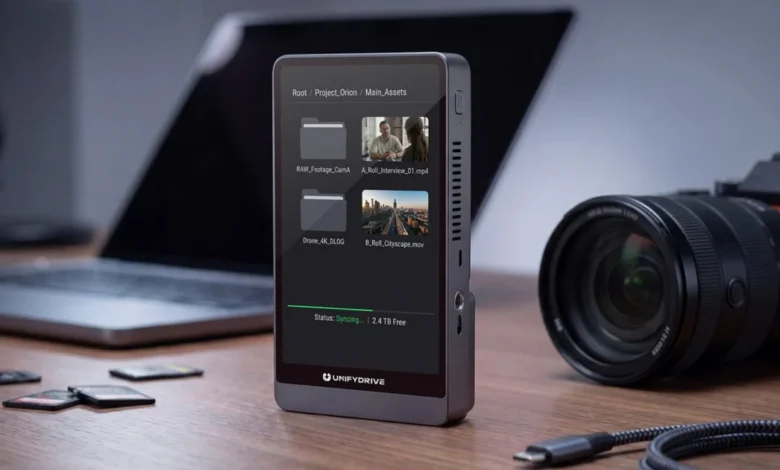
UnifyDrive, a company known for its integrated storage and data management solutions, has officially launched PixelMob, a groundbreaking sub-brand poised to redefine the critical juncture between media capture and secure backup for professional photographers and videographers. Positioned as the "Creator’s Companion," PixelMob directly addresses a persistent pain point in the industry: the uncertainty surrounding data integrity at the point of transfer, particularly when working remotely in challenging field environments. The innovative product line, previewed at the NAB Show 2026, emphasizes not just storage capacity but a robust, multi-layered verification system designed to instill absolute confidence in every file.
The core innovation behind PixelMob lies in its departure from conventional backup solutions, which typically offer only a confirmation of data transfer. PixelMob’s architecture is fundamentally built around file-level verification, ensuring that data is not only copied but also demonstrably intact before the creator leaves the shooting location. This proactive approach is a significant leap forward, mitigating the risk of discovering corrupted or incomplete files only after returning to an office or studio, a scenario that can lead to costly reshoots, missed deadlines, and damaged professional reputations.
Bridging the Chasm: From Capture to Verified Backup in Real-Time
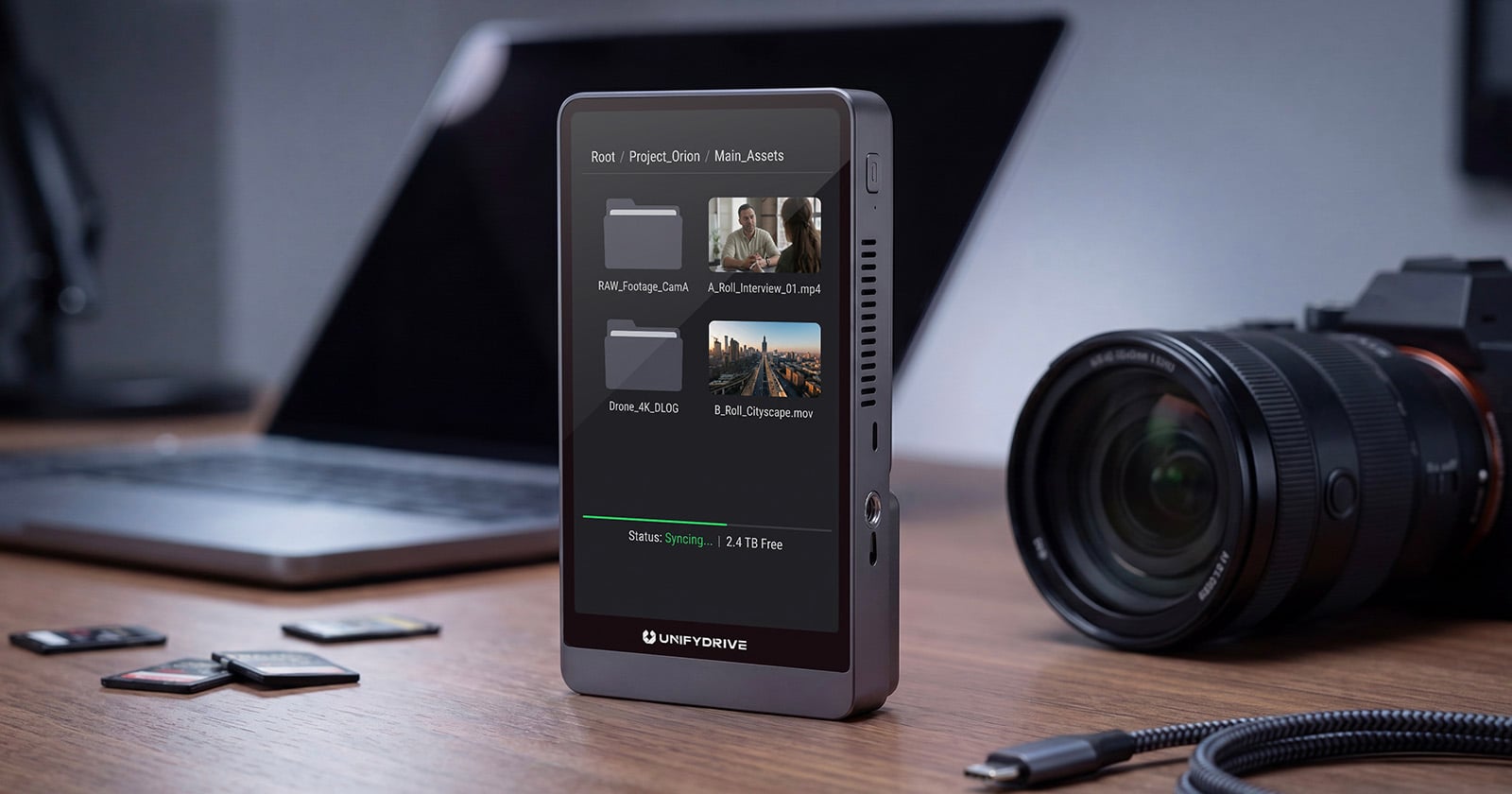
The prevailing workflow for many professionals involves transferring footage and images from memory cards to portable drives, often without immediate confirmation of the files’ integrity. While many devices indicate a successful copy, they rarely provide a granular check until the data is accessed on a workstation. PixelMob tackles this gap head-on with a sophisticated, six-layer data verification architecture. This system incorporates real-time streaming checksum validation, meticulous write-after-read integrity checks, redundant RAID 1 mirroring for critical data, continuous drive health monitoring, synchronous dual-location writes for enhanced resilience, and robust AES-256-encrypted cloud backup.
Upon completion of each backup session, PixelMob provides a clear, full-screen confirmation signal. Crucially, it also generates an exportable, file-by-file verification report. This detailed report serves not only as internal peace of mind but can also function as verifiable proof of delivery for clients, further streamlining professional transactions and accountability. This meticulous focus on validation elevates PixelMob beyond a mere storage device, positioning it as an indispensable validation system for workflows where data security is paramount.
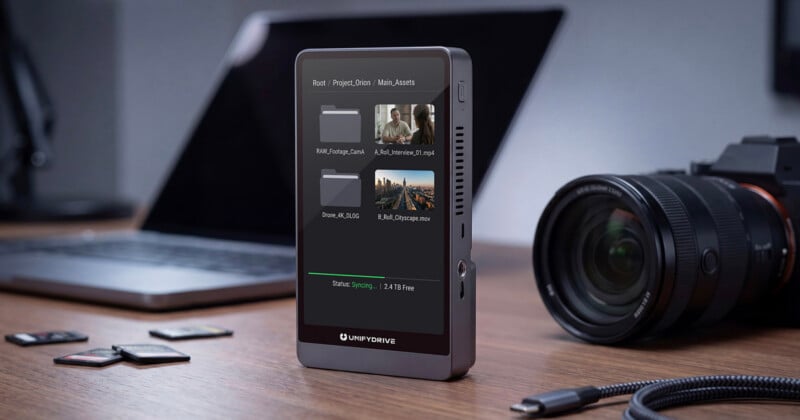
Hardware Engineered for the Demands of Field Production
PixelMob devices are engineered as self-contained units, specifically designed to enhance on-location workflows without the constant reliance on a laptop. The hardware integrates a responsive touchscreen interface, high-speed NVMe SSD storage, and an onboard neural processing unit (NPU) capable of handling local Artificial Intelligence (AI) tasks. This combination empowers creators to perform backup, verification, and even workflow management directly from the device, liberating them from the tether of a laptop in the field.
UnifyDrive is developing two distinct configurations of the PixelMob device: the Standard and the Pro models, each catering to different levels of professional need and budget.
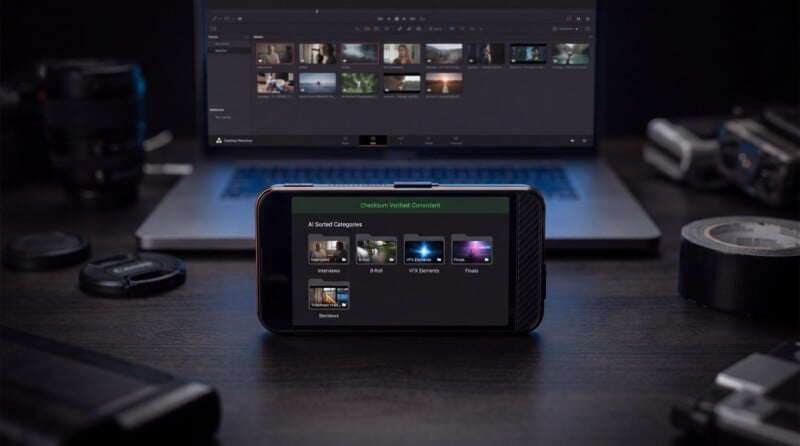
The PixelMob Standard features a vibrant 5.5-inch 1080p touchscreen display. It is equipped with dual M.2 PCIe NVMe slots, offering ample space for high-performance internal storage. Support for high-speed SD UHS-II and TF card media ensures broad compatibility with professional camera formats. Connectivity is robust, with Wi-Fi 6 and Bluetooth 5.2, and an estimated battery life of approximately eight hours, suitable for a full day of shooting.
Stepping up, the PixelMob Pro model offers a more immersive visual experience with a larger 7-inch OLED display. This screen boasts an impressive 1300 nits brightness and achieves 99 percent sRGB and Rec. 709 color coverage, providing unparalleled accuracy for on-device image and video review. The Pro version expands storage options with a third M.2 PCIe NVMe slot. It introduces support for the demanding CFexpress Type B cards, alongside SD UHS-II, catering to the highest-end cinema cameras and DSLRs. Connectivity is further enhanced with Thunderbolt 4 and USB4 ports, delivering blistering data transfer speeds of up to 40 gigabits per second. Battery life is extended to an estimated 10 hours, and the device offers flexibility with support for external NP-F power options, ensuring extended operational capability in remote locations.
Beyond Backup: A Suite of Integrated Creative Tools
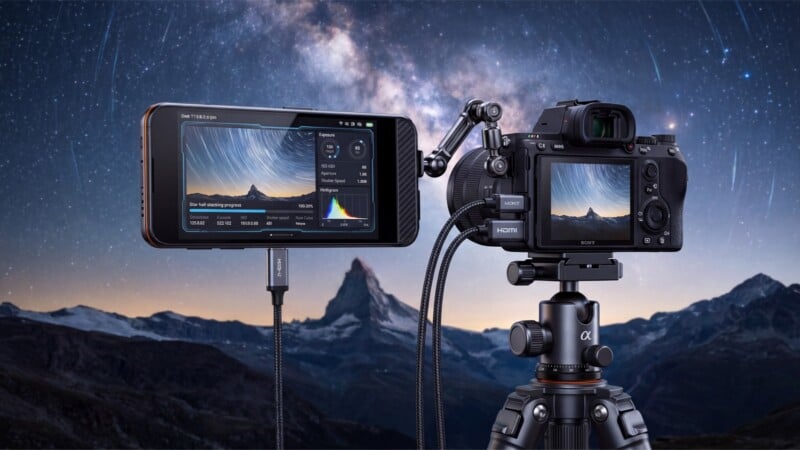
PixelMob’s ambition extends far beyond secure data storage and verification. The device is envisioned as a central hub for on-location production, integrating a comprehensive suite of workflow tools designed to streamline every stage of the creative process. These advanced features include AI-assisted photo culling, which intelligently helps users sort through large volumes of images to identify the best shots, reducing post-production time. For video professionals, PixelMob offers HDMI monitoring and recording capabilities, allowing for direct viewing and capture of camera feeds. Furthermore, it provides tethered camera control with advanced features such as automated focus stacking and HDR capture, enabling complex photographic techniques to be executed with greater ease and precision.
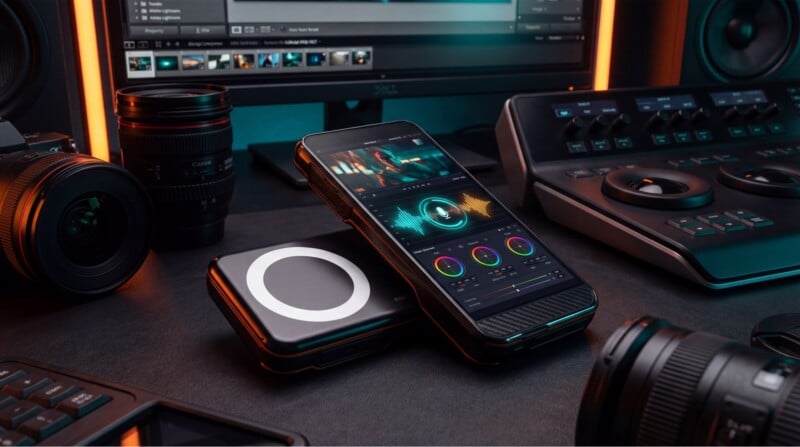
A particularly innovative feature is the voice-controlled color grading functionality, powered by an on-device language model. This allows creators to make critical color adjustments using simple voice commands, further enhancing the hands-free operation in the field. The "Campfire" feature is another standout, enabling direct image sharing through an ad hoc Wi-Fi hotspot. This system allows multiple devices to connect and share files wirelessly without requiring any additional applications, facilitating rapid review and collaboration among teams. Collectively, these integrated functionalities transform PixelMob from a backup solution into a comprehensive on-location production tool, consolidating the roles typically performed by multiple separate devices.
A Seamless Ecosystem: From Field to Studio Integration
PixelMob is meticulously designed to integrate seamlessly with UnifyDrive’s broader ecosystem of storage and management solutions. Files backed up in the field using PixelMob devices can be directly synchronized with UnifyDrive’s Network Attached Storage (NAS) systems, including the UC450 Pro and UC250. This creates a continuous, unbroken pipeline from the moment of capture all the way through post-production and archival.
All UnifyDrive devices, including PixelMob, operate under the company’s proprietary UDOS platform. This unified operating system facilitates cross-device synchronization, AI-powered media management, and advanced virtualization tools. The aim of this integrated system is to significantly reduce friction and complexity when transitioning between fieldwork and studio environments, ensuring a smooth and efficient workflow.
Bin Yuan, founder of UnifyDrive, articulated the company’s core philosophy behind PixelMob: "Our focus is not merely on adding more storage capacity, but on instilling absolute confidence in the integrity of the files themselves. This is particularly crucial in professional scenarios where the loss or corruption of data can have devastating financial and creative consequences."

Yuan further elaborated on the comprehensive feature set: "Beyond storage, PixelMob includes an AI assistant for photo culling, HDMI field monitoring and recording, tethered camera control with automated focus stacking and HDR, voice-controlled color grading via an on-device language model, and ‘Campfire’ – an ad-hoc wireless hotspot for zero-app photo sharing. PixelMob products can back up directly to UnifyDrive NAS devices, creating a seamless field-to-studio pipeline within one ecosystem."
NAB Show 2026: A Comprehensive Ecosystem on Display
The unveiling of PixelMob at NAB Show 2026 was accompanied by a comprehensive showcase of UnifyDrive’s entire NAS lineup. This included the highly portable UT2, designed for mobile professionals; the UP6, an all-in-one hub solution; the robust UC450 Pro desktop system for demanding studio environments; and the compact UC250 NAS for streamlined office use. Together, these devices represent a tiered ecosystem designed to support creators across every phase of the production pipeline, from initial field capture to high-capacity studio storage and management. The presence of these integrated solutions at a major industry event like NAB underscored UnifyDrive’s commitment to providing end-to-end solutions for the modern media professional.

Rethinking Reliability: A Paradigm Shift in Creative Workflows
The introduction of PixelMob signifies a broader, industry-wide shift towards prioritizing data integrity as a foundational element of creative workflows. As digital assets continue to grow in size and complexity, and as production timelines become increasingly compressed, the ability to unequivocally verify the security and completeness of files before leaving a shoot is no longer a luxury but a necessity.
By consolidating robust verification, high-performance storage, and an array of essential workflow tools into a single, purpose-built device, UnifyDrive is strategically positioning PixelMob to address one of the most persistent and costly risks in photography and video production: the inherent uncertainty that can exist between the critical moment of capture and the subsequent backup process. This proactive approach to data assurance promises to be a game-changer for professionals who cannot afford to compromise on the safety of their valuable digital assets.

Pricing and Availability: Prototypes and Future Outlook
At the time of its debut at NAB Show 2026, PixelMob was presented as a working engineering prototype. UnifyDrive has not yet announced official pricing or a definitive release timeline for the commercial launch. The company indicated that specifications and configurations may undergo further refinement as development progresses towards a final product.
While the PixelMob devices themselves are still in the advanced stages of development, UnifyDrive’s existing NAS ecosystem is currently available. Pricing for these solutions offers a glimpse into the potential positioning of PixelMob within the broader product line. The portable UT2 is priced at $599, and the UP6 is available for $1,599. These existing offerings provide a baseline understanding of UnifyDrive’s commitment to delivering a range of scalable solutions for creative professionals. Further details on PixelMob’s pricing and availability are expected to be released as the product moves closer to market.
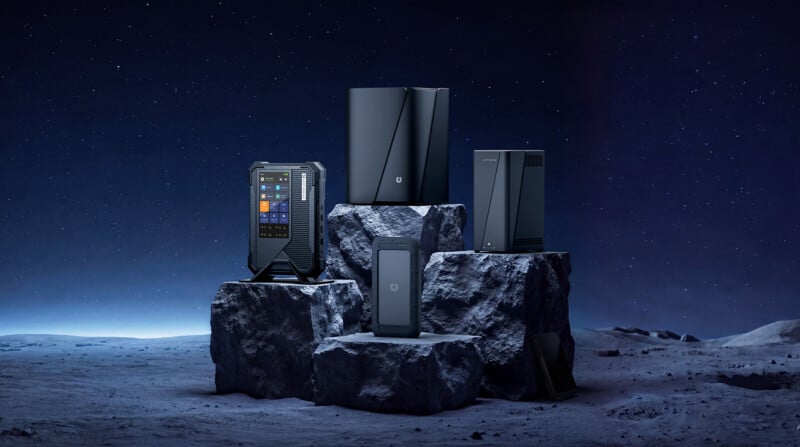
Image credits: UnifyDrive