Apple Watch Series 12 Introduces Siri Recap and Ambient Listening Amid Growing Privacy Concerns

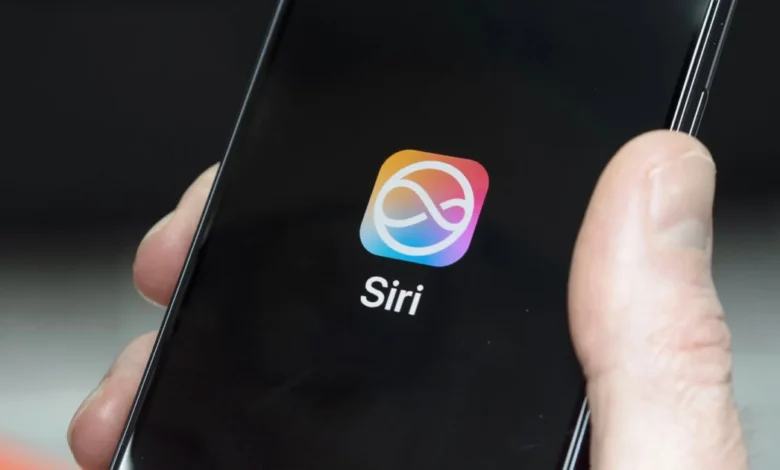
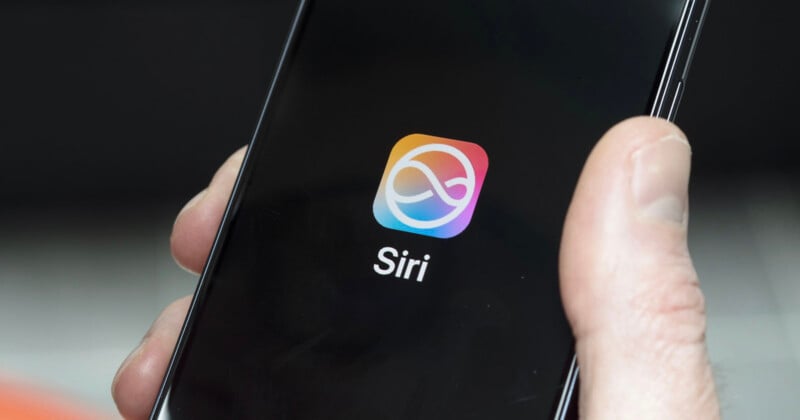
The unveiling of the Apple Watch Series 12 has introduced a controversial new software capability known as "Siri Recap," leveraging ambient listening technology to automatically compile notes and generate high-level conversational summaries for users. While positioned by the tech conglomerate as an advanced memory-jogging utility powered by proprietary "Audio Intelligence," the feature has instantly reignited a global debate regarding pervasive surveillance, personal consent, and the erosion of private discourse in public and private spaces.
The introduction of this feature follows a broader industry trend toward continuous, AI-driven audio capture. Unlike previous iterations of voice assistants that required explicit activation commands—such as wake words—ambient listening architectures are designed to operate continuously in the background, parsing human speech patterns and extracting actionable metadata. This development pushes wearable technology past traditional fitness and health metrics, steering consumer electronics directly into the realm of passive eavesdropping and automated transcription.
The Anatomy of Siri Recap and Live Rewind
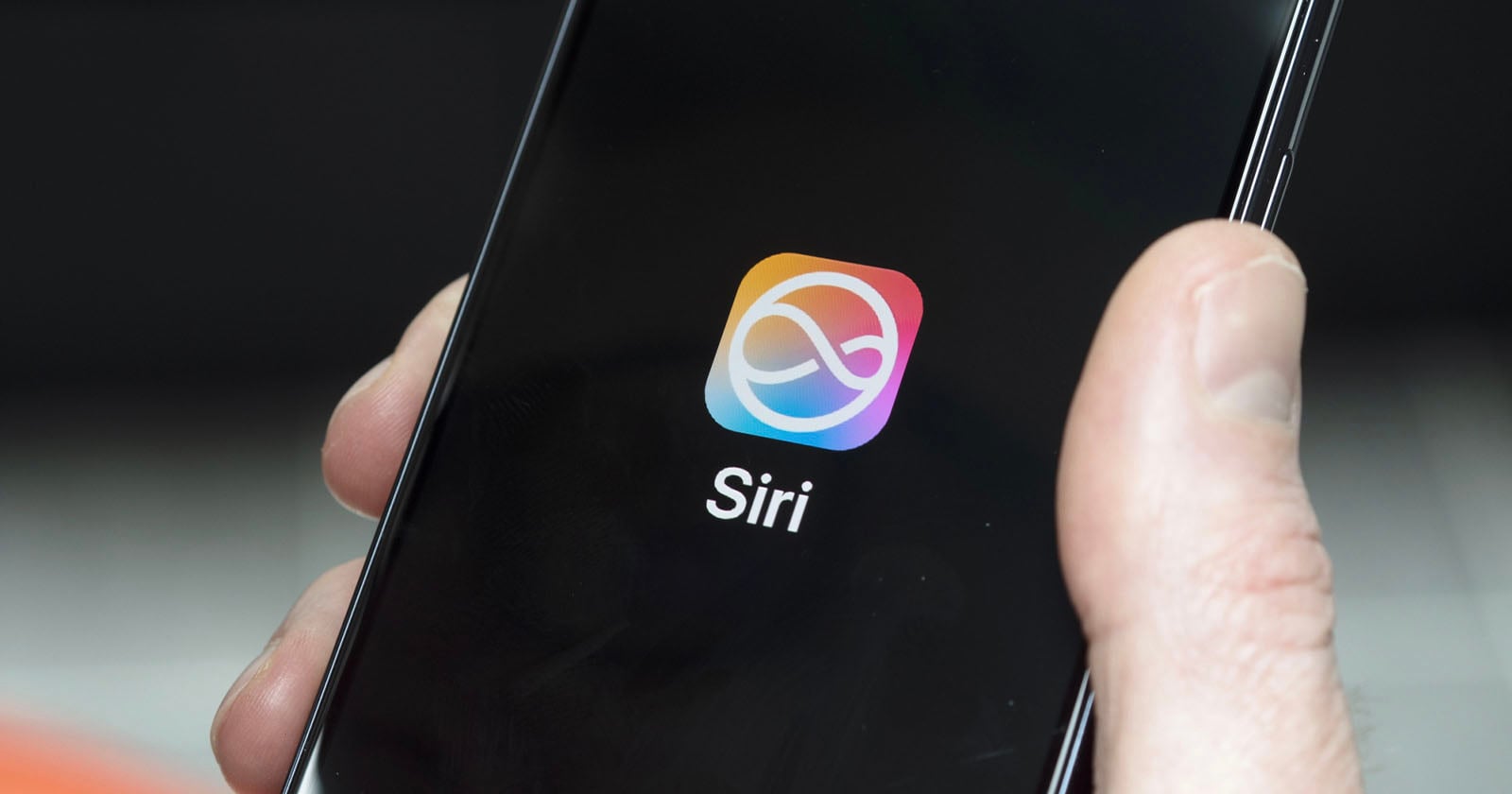
According to technical specifications released alongside the Apple Watch Series 12, Siri Recap relies on continuous environmental sampling to catalog spoken interactions throughout the user’s day. The companion "Recaps" application, integrated across both the newly announced iPhone 18 Pro and the Series 12 ecosystem, processes these ambient audio feeds into synthesized, text-based summaries accessible via the user’s wrist or handheld device.
Complementing Siri Recap is the "Live Rewind" function. This tool allows wearers to retroactively capture and replay up to the last 15 seconds of recently detected audio, accompanied by an instantaneous text transcript. While manufacturers often pitch such utilities as productivity enhancers or memory aids for individuals with demanding schedules, privacy advocates and legal scholars have immediately pointed out the severe social friction these capabilities create.
The prospect of individuals covertly recording, replaying, and summarizing arguments, casual chats, or confidential business discussions without the explicit knowledge or consent of other participants transforms everyday communication into a potential liability. Unlike traditional dictaphones or professional transcription tools used in journalism or legal proceedings—which typically require disclosure—consumer-grade ambient listening devices operate invisibly, blurring the lines between personal recollection and digital surveillance.
A Troubling Precedent: The Shadow of Smart Glasses
The launch of Apple’s ambient listening watch does not occur in a vacuum. It arrives amid an intensely skeptical public climate regarding wearable capture devices. Over the past several years, smart glasses manufactured by companies like Meta have faced severe regulatory scrutiny and intense social backlash. Owners of camera-equipped and audio-recording eyewear have frequently reported feeling too intimidated to wear their devices in public spaces due to fears of social ostracization or accusations of non-consensual recording.
In response to public outcry, Meta implemented strict hardware indicators, including a blinking LED light designed to signal when the device is actively recording video or audio. Meta has also ramped up enforcement measures, reportedly "bricking" thousands of smart glasses found to be operating with modified or obscured indicator lights.
However, the Apple Watch Series 12 presents a distinct and arguably more challenging regulatory puzzle. Unlike smart glasses or standalone cameras, smartwatches are ubiquitous consumer accessories worn by hundreds of millions of people globally for health tracking, fitness monitoring, and standard timekeeping. Crucially, Apple’s promotional materials for the Series 12 make no mention of an external recording light to alert bystanders that a conversation is being logged, nor do they outline built-in software mechanisms requiring multi-party consent.
Without visual indicators or audibly distinct cues, a bystander has no empirical way of determining whether an acquaintance, colleague, or stranger is merely checking the time or systematically recording and summarizing a dialogue. This opacity risks alienating consumers who value conversational privacy, potentially triggering a public relations and regulatory crisis similar to those faced by early generations of camera-embedded eyewear.
The Broader Societal Impact on Trust and Surveillance
The introduction of passive listening features on mainstream consumer hardware taps into a growing fatigue regarding constant digital monitoring. Modern society is increasingly saturated with automated data collection mechanisms, ranging from municipal automatic license plate readers (such as Flock safety cameras) and facial recognition systems deployed at major public events to corporate behavioral tracking algorithms.
While government and corporate surveillance have long been targets of civil liberties advocacy, the prospect of peer-to-peer surveillance introduces a deeply corrosive element to social interaction. Trust is the foundational currency of human relationships; when individuals must constantly calculate whether their casual remarks are being digested by an artificial intelligence model worn by their interlocutor, the psychological safety of private conversation evaporates.
Psychologists and sociologists note that the freedom to speak candidly—to experiment with ideas, make mistakes, and engage in unrecorded, spontaneous human connection—is essential for healthy social development. Technologies that systematically log and summarize daily interactions threaten to induce a chilling effect, where individuals self-censor even in intimate or professional settings out of fear that their words will be indefinitely preserved and analyzed.
Furthermore, the integration of these tools into devices manufactured by publicly traded NASDAQ companies highlights a growing divergence between corporate profitability metrics and human-centric design values. While shareholders reward innovation and the rapid deployment of artificial intelligence features, end-users are increasingly forced to shoulder the psychological and social costs of living in an environment where privacy is treated as an optional, secondary consideration.
Regulatory Horizons and Industry Implications
As the Apple Watch Series 12 prepares for its commercial release, lawmakers, privacy watchdogs, and consumer advocacy groups are expected to scrutinize the legal frameworks governing ambient listening. In many jurisdictions, wiretapping and recording laws strictly prohibit the interception of communications without the consent of at least one party (single-party consent) or, in stricter regions, all participating parties (all-party consent).
However, consumer technology has historically outpaced legislative updates. Most existing wiretapping statutes were drafted decades before wearable AI devices possessed the capability to passively record, transcribe, and summarize ambient human speech at scale. Whether regulatory bodies will classify continuous ambient listening devices as covert recording equipment—potentially subjecting them to strict sale and usage restrictions—remains a critical question for the near future.
For now, the tech industry stands at a crossroads. As companies race to embed generative artificial intelligence into every facet of daily life, they must weigh the commercial allure of hyper-personalized convenience against the profound social alienation wrought by perpetual surveillance. Without transparent consent mechanisms, universally recognizable hardware indicators, and robust ethical boundaries, innovations like Siri Recap risk accelerating a cultural retreat from public discourse, pushing society further into an era of low trust and guarded communication.
Related posts: