The Canon EOS R8 Successor and the Lingering Promise of a Retro Mirrorless Marvel

The camera industry is currently experiencing a significant resurgence of interest in retro-inspired designs, with numerous manufacturers embracing the aesthetic of classic film cameras for their modern digital offerings. This trend has seen the reintroduction of vintage styling, tactile dials, and a focus on the shooting experience that characterized photography in decades past. However, Canon, a titan in the imaging world, has conspicuously abstained from this movement, remaining one of the few major brands without a digital camera body overtly designed with retro sensibilities. Yet, whispers and rumors of a potential retro Canon camera, circulating for at least two years, have recently gained renewed traction, prompting speculation about whether 2026 could finally be the year the company embraces its heritage in a tangible, digital form.
A Market Trend Canon Has Yet to Embrace
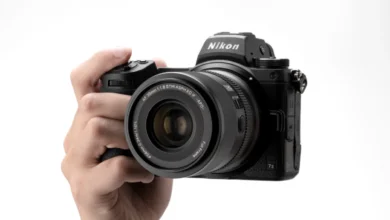
The appeal of retro cameras is multi-faceted. For seasoned photographers, they evoke a sense of nostalgia and a connection to the roots of their craft. For newer generations of photographers, these cameras offer a tangible, hands-on experience that contrasts sharply with the often-streamlined, menu-driven interfaces of contemporary digital devices. Brands like Fujifilm, with its X100 series, and Nikon, with its Z fc, have successfully tapped into this market, offering cameras that are not only capable photographic tools but also design statements. The demand for these cameras underscores a desire for products that blend cutting-edge technology with a cherished aesthetic.
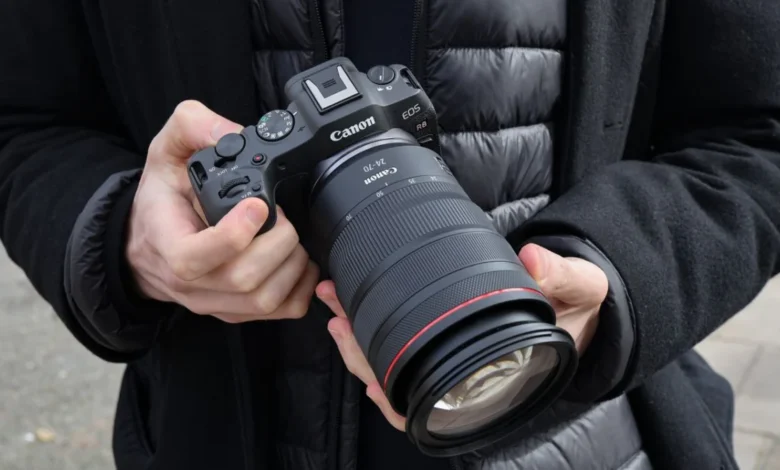
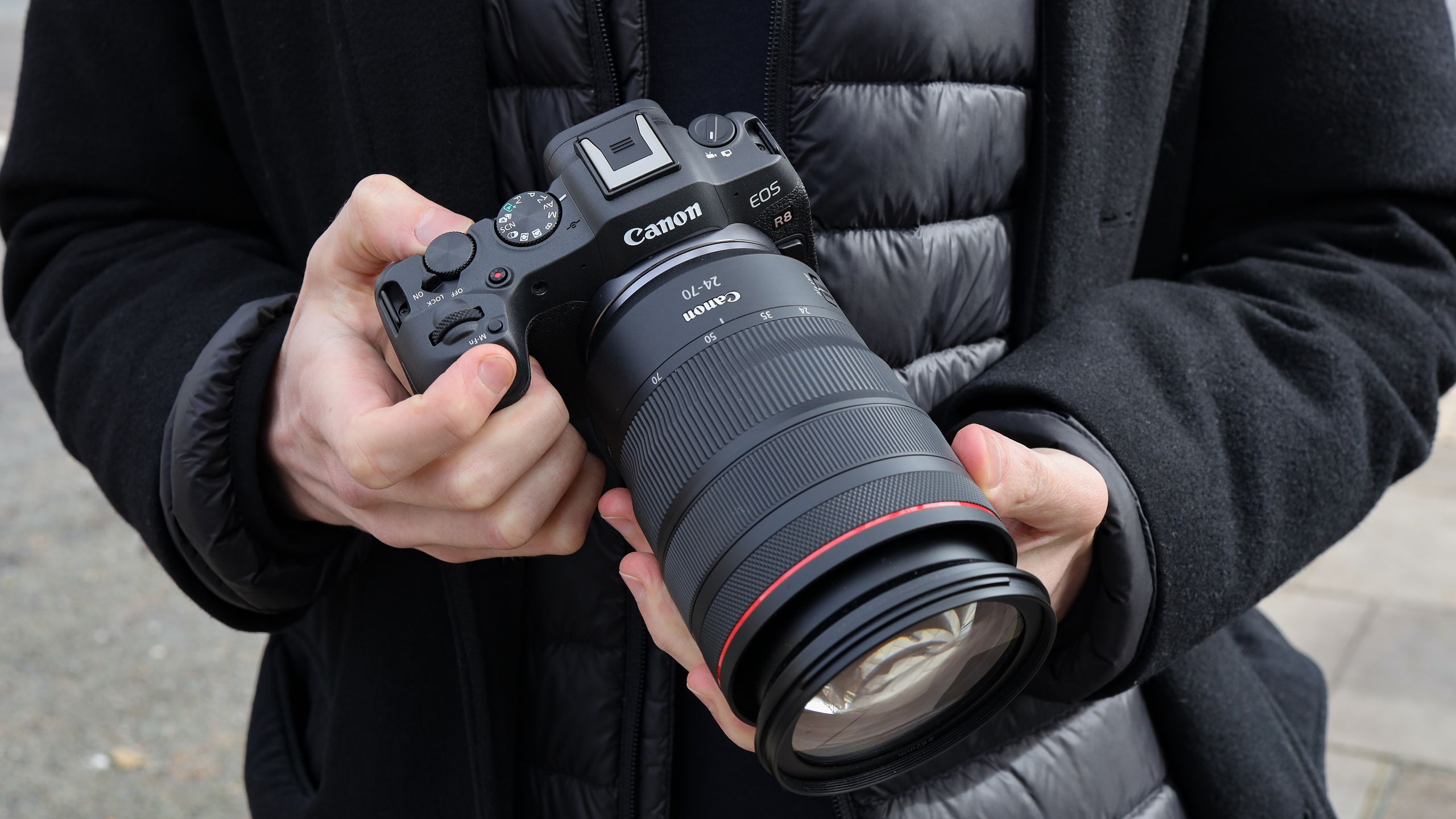
Canon’s current strategy, as indicated by recent company statements, appears to prioritize the expansion of its more accessible, entry-level mirrorless offerings. In an investor report earlier this year, the company explicitly stated its intention to "maintain the growth of our entry-level models, such as the EOS R50 and EOS R100, as well as the EOS R50 V, which is designed with a strong focus on shooting video." This commitment suggests a strategic focus on capturing a wider audience and catering to the burgeoning demand for vlogging and content creation tools. The EOS R50, launched in 2023, and the EOS R100, also released in 2023, represent Canon’s efforts in this segment. The EOS R7, a more advanced APS-C model, debuted in 2022. Even Canon’s full-frame budget option, the EOS R8, introduced in 2023, is beginning to approach an age where a refresh might be anticipated.
The Echoes of the Canon AE-1
Despite the current focus on mainstream market segments, the persistent rumors of a retro Canon camera are not without a historical basis. The conversations around a retro-styled Canon digital camera have often been linked to the enduring legacy of the Canon AE-1, an iconic 35mm SLR released in 1976. The AE-1 was a groundbreaking camera for its time, introducing a microprocessor to an SLR and making advanced features accessible to a broader range of photographers. Its success cemented Canon’s reputation for innovation and user-friendly design.
In 2025, during an interview with French publication Phototrend, Canon executives addressed the possibility of a digital camera inspired by the 50th anniversary of the AE-1. While a subsequent interview in 2026 appeared to temper expectations for a direct AE-1 homage, the sentiments expressed by Canon’s Head of the Imaging Division, Manabu Kato, remain highly relevant to the discussion of a potential retro-styled camera. Kato stated, "…we are really focused on grip operability, the positioning of dials, buttons, and other things. So if we were to do this with the AE-1 design, would it truly achieve the kind of operability and usability we need in a Canon camera? That’s what it boils down to."
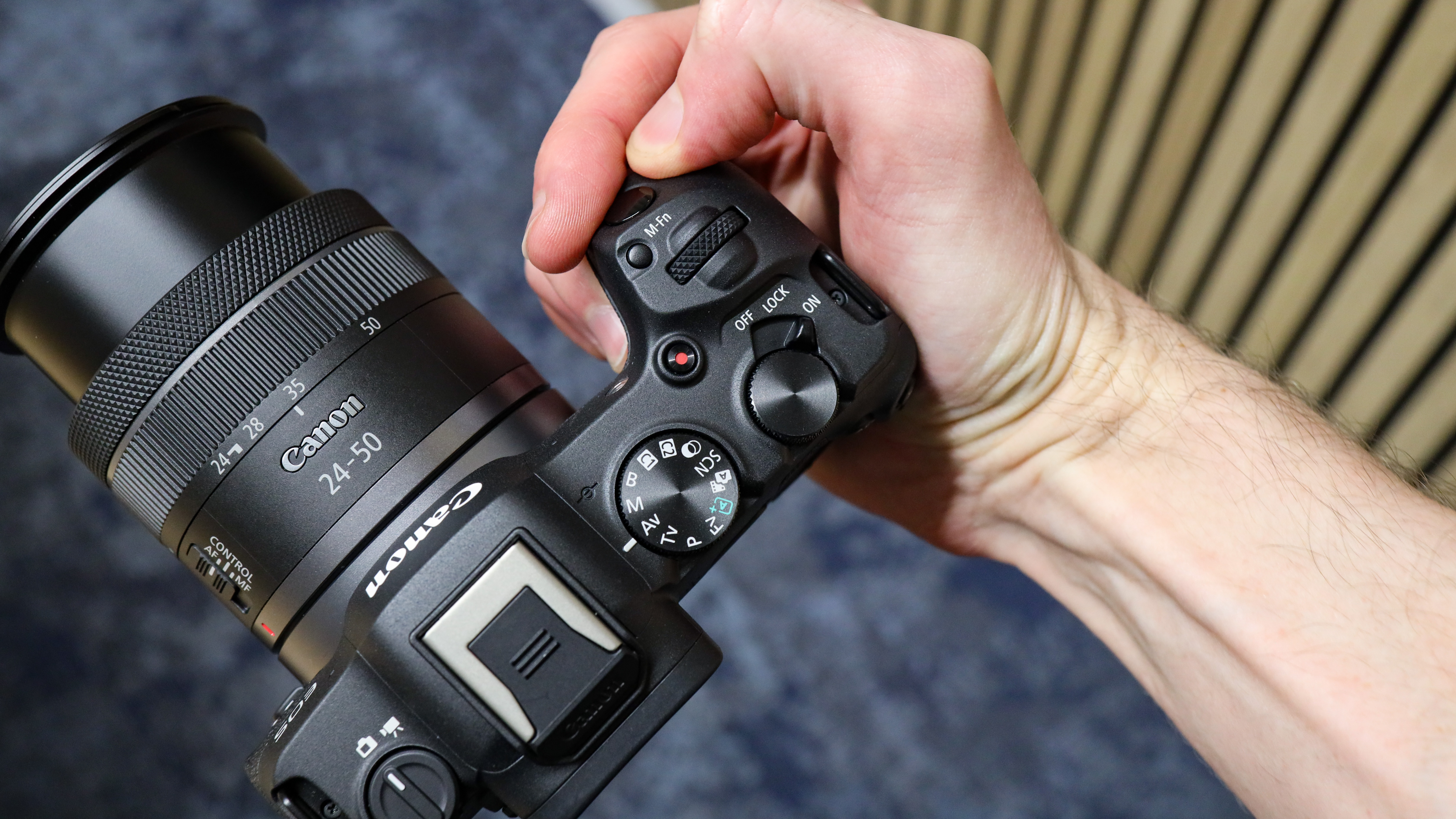
This statement reveals Canon’s core design philosophy: while aesthetic appeal is important, functional ergonomics and user experience are paramount. Canon has long been lauded for its comfortable and intuitive grip designs, a characteristic that has carried over from its DSLR lineage to its mirrorless R system. The EOS R8, for example, offers a substantial and ergonomic grip that contributes to comfortable handling, especially when paired with heavier lenses. This emphasis on grip and control placement is a key differentiator for Canon and a potential point of consideration if the company were to venture into retro-inspired designs.
Navigating the Compromise: Retro Aesthetics vs. Modern Ergonomics
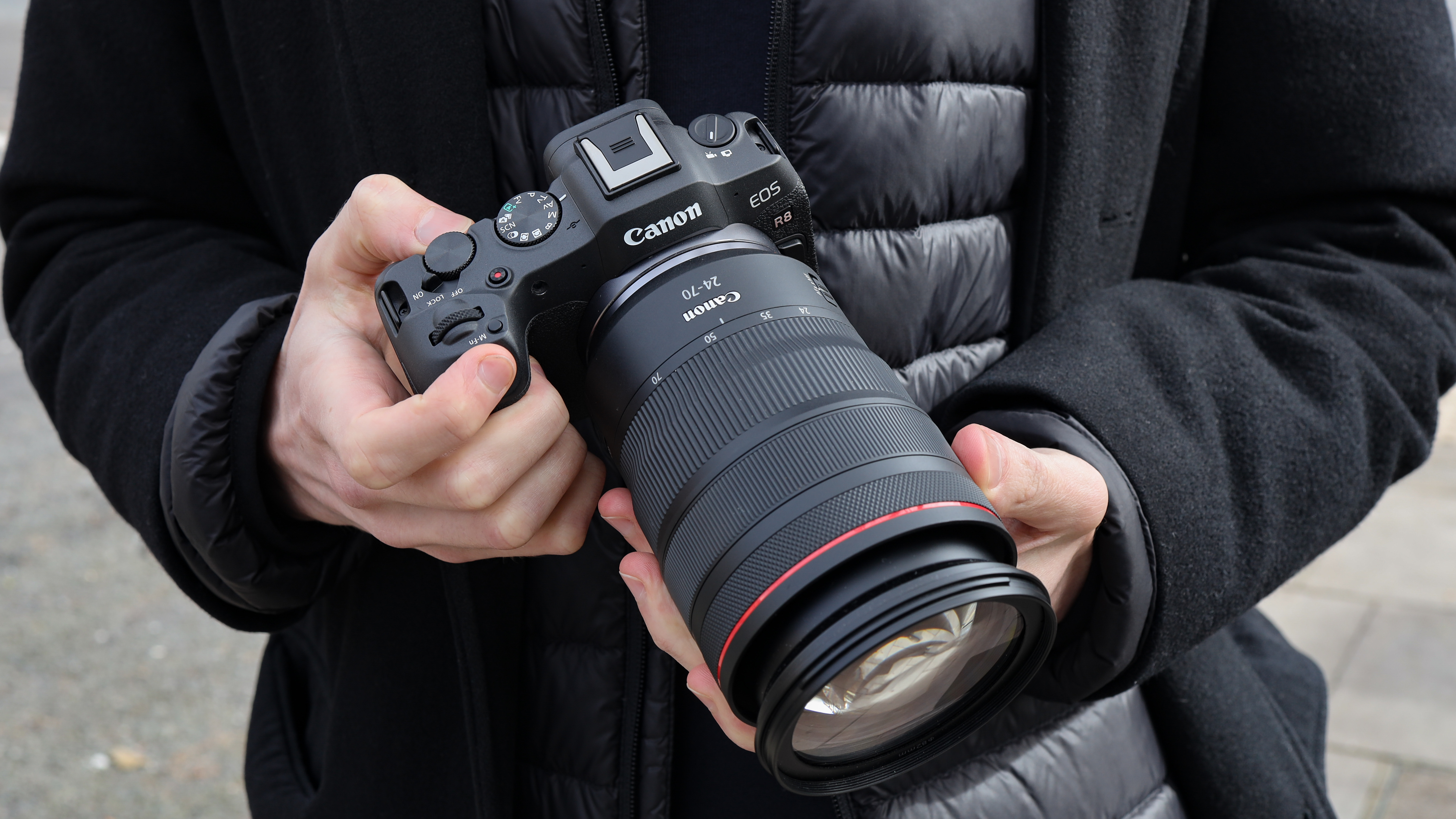
The inherent challenge in creating a retro-style digital camera lies in balancing the aesthetic of classic SLRs with the functional demands of modern digital photography. Many of the most iconic retro cameras, particularly those from the 1970s, featured minimal or even non-existent grips. This design choice contributed to their compact size and distinct visual appeal but could lead to compromised handling, especially when attached to larger, heavier lenses.
For photographers accustomed to the substantial grips of modern DSLRs and many contemporary mirrorless cameras, the lack of a pronounced grip on a retro-inspired camera can be a significant drawback. This is particularly true when using telephoto lenses or other accessories that add weight and require a secure hold. It is precisely this ergonomic consideration that likely informs Canon’s cautious approach to the retro trend.
Given Canon’s well-established reputation for superior ergonomics, it is reasonable to predict that any retro-styled mirrorless camera emerging from the company would likely incorporate some form of grip. While this might deviate from the purest interpretation of a 1970s SLR aesthetic, it would undoubtedly result in a more functionally balanced and user-friendly camera. The integration of a modern grip would allow photographers to maintain the comfortable handling and stability that Canon users have come to expect, even when shooting with substantial optics. This approach suggests a willingness to adapt the retro concept to fit Canon’s existing design principles, prioritizing usability alongside nostalgic charm.
The Speculative Landscape of a Retro Canon
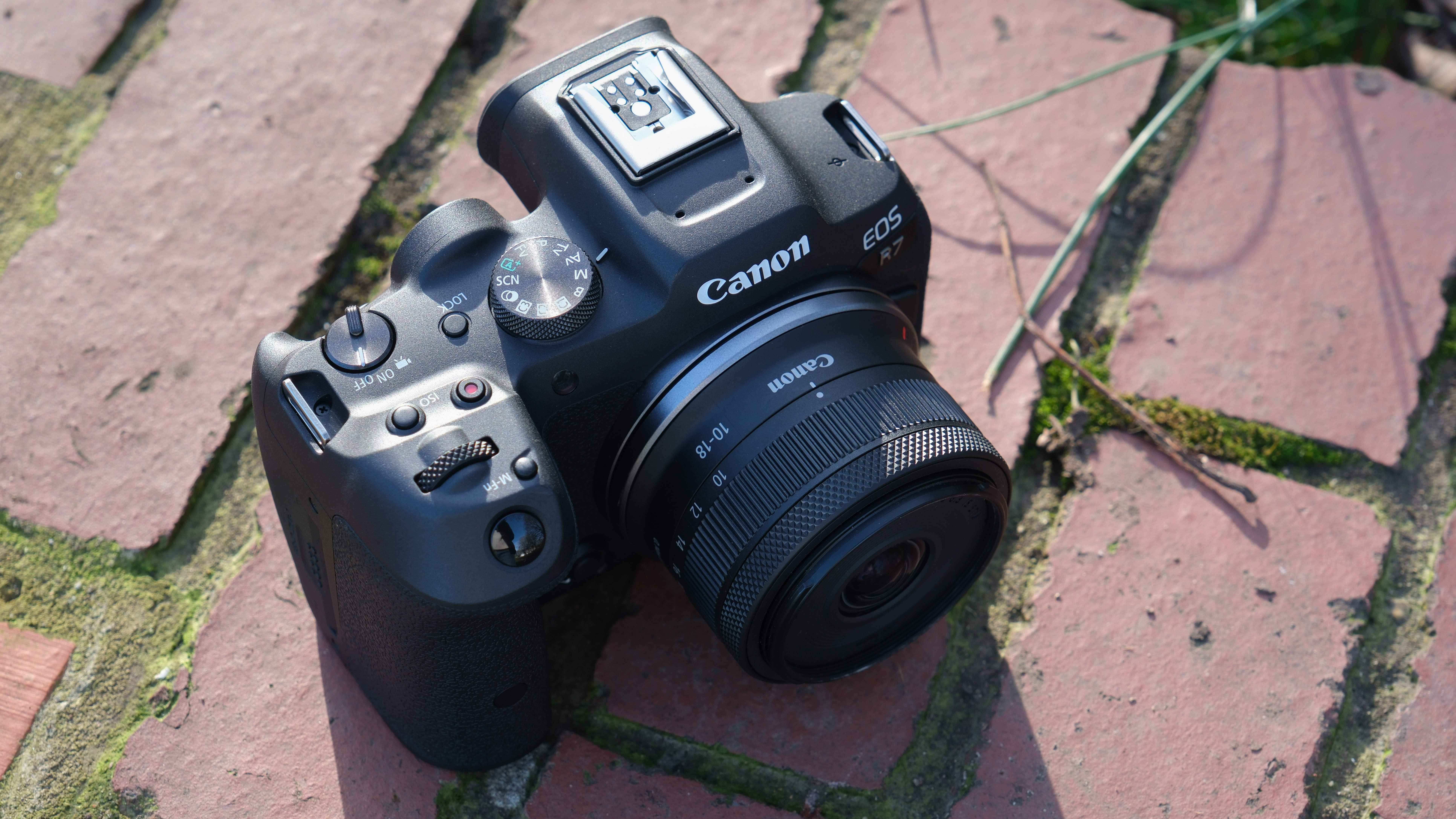
The persistent rumors of a retro Canon mirrorless camera have been fueled by various sources, including the well-respected leak site Canon Rumors. These reports often point to product registrations as potential indicators of upcoming releases. Recently, Canon Rumors highlighted two such registrations, suggesting that the company might be preparing to launch a successor to the EOS R8, possibly in a retro-inspired form factor. The speculation is that this new model could be designated as the EOS R8 Mark II or an "EOS R8 V," hinting at an evolution or a distinct variant of the existing full-frame budget option.
However, it is crucial to acknowledge the prolonged nature of these rumors. The discussion around a retro Canon has been ongoing for over two years without a concrete announcement. This extended period of speculation, coupled with the absence of official confirmation, leads to a degree of skepticism. Nevertheless, the camera industry has a history of surprising releases, and the past year has seen unexpected product launches that were once considered unlikely.
A Glimpse into Canon’s Vision: Operability and Heritage
The discussions with Canon executives, particularly Manabu Kato’s comments on operability, offer valuable insights into how Canon might approach a retro-designed camera. Their focus on the "positioning of dials, buttons, and other things" suggests an intention to replicate the tactile experience of older cameras while ensuring that the controls are intuitive and efficient for modern digital workflows. This could manifest in a camera that features a physical mode dial reminiscent of film cameras, alongside thoughtfully placed function buttons that offer quick access to essential settings.
Furthermore, Canon has, in the past, showcased concepts that hint at their interest in diverse camera designs. At CP+ earlier this year, the company unveiled a prototype of a waist-level finder camera. While this was presented as a concept and not a production model, it demonstrated Canon’s willingness to explore alternative camera form factors that diverge from the standard SLR-style design. Such explorations, even if conceptual, can inform future product development and signal a broader openness to innovation beyond conventional designs.
Timeline of Rumors and Speculation
- 2022 – Present: Initial rumors and speculation begin to surface regarding Canon’s potential interest in developing a retro-styled digital camera.
- 2023: Canon launches several key APS-C mirrorless models, including the EOS R50 and EOS R100, and the full-frame EOS R8, indicating a focus on accessible mirrorless cameras.
- Early 2025: French publication Phototrend interviews Canon executives, who discuss the possibility of a digital camera inspired by the Canon AE-1, emphasizing the importance of operability and user experience.
- Mid-2025: A subsequent interview with Phototrend appears to temper direct AE-1 homage expectations but reiterates Canon’s design priorities.
- Early 2026: Canon registers two new EOS R cameras, sparking renewed speculation that one might be a retro-inspired successor to the EOS R8.
- Early 2026: Canon unveils prototype "Analog Concept Cameras" at CP+ in Japan, showcasing interest in different camera form factors, though not directly retro-styled in the traditional sense.
Broader Implications and the Future of Camera Design
The potential introduction of a retro-inspired camera by Canon would have significant implications for the market. It would signal a strategic shift, acknowledging the growing demand for cameras that offer a blend of heritage and modern technology. This could encourage other manufacturers to further explore unique design avenues, fostering a more diverse and innovative camera landscape.
For photographers, it would offer a new choice within Canon’s extensive lineup, potentially attracting a segment of users who are drawn to the aesthetic and tactile experience of classic cameras but prefer the convenience and capabilities of digital imaging. The success of such a product would depend on Canon’s ability to strike the right balance between nostalgic design elements and the functional demands of contemporary photography, particularly in terms of ergonomics and control layout.
The camera industry is in a constant state of evolution, and the enduring appeal of retro design is a testament to the lasting impact of classic cameras. While Canon has historically prioritized functional innovation, the persistent rumors and the company’s own acknowledgments of the AE-1’s legacy suggest that the possibility of a retro-infused digital camera from the Japanese giant is not entirely out of the question. Whether 2026 will indeed be the year Canon embraces its past in a digital mirrorless form remains to be seen, but the ongoing speculation continues to capture the imagination of photographers worldwide. The company’s commitment to user experience, as evidenced by its robust grip designs, suggests that if a retro camera does emerge, it will likely be a uniquely Canon interpretation, balancing timeless aesthetics with unparalleled usability.