Prog rock is a cornerstone of audiophile appreciation, offering a vast and intricate soundscape that pushes the boundaries of musical artistry and technical prowess. From sprawling, concept-driven epics depicting interstellar sagas to intimate ballads capturing the nuances of human emotion, the genre’s unifying thread is a relentless pursuit of sonic innovation and virtuosic execution. This inherent complexity and sonic depth make progressive rock an ideal genre for testing the capabilities of any hi-fi system, a fact frequently highlighted by enthusiasts on forums and social media. For many members of the What Hi-Fi? team, this passion extends beyond professional duty, with progressive rock albums being a frequent source of personal enjoyment. However, the genre’s eclectic nature can present a formidable entry point for newcomers. To demystify this rich musical landscape and celebrate its enduring appeal, this curated list presents our personal selections of the top progressive rock albums that continue to captivate hi-fi aficionados. We invite you to join the conversation, share your own essential picks, or suggest albums for us to explore further through the comments section or our social media channels. The hunt for groundbreaking music is perpetual.
The Genesis of Prog: Early Explorations and Foundational Albums
The evolution of progressive rock is a fascinating journey, marked by bands that, while not always strictly adhering to the genre’s later definitions, laid crucial groundwork. These early pioneers infused popular music with elements of classical composition, jazz improvisation, and experimental soundscapes, paving the way for the complex structures and thematic depth that would come to define prog.
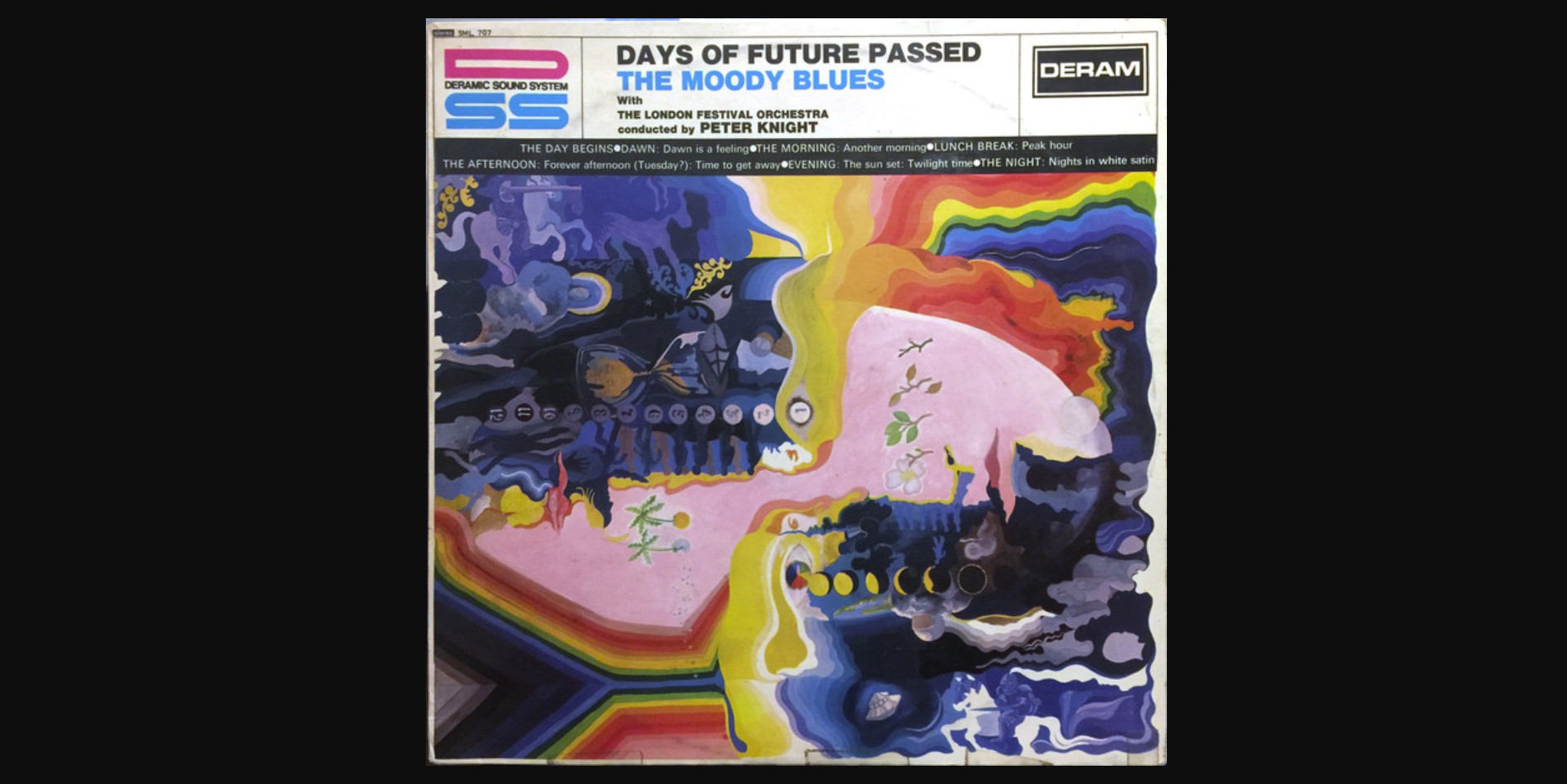
The Moody Blues – Days Of Future Passed (1967)
While its classification as "prog" can be debated in purist circles, The Moody Blues’ 1967 masterpiece, Days of Future Passed, is undeniably a proto-prog seminal work that significantly influenced the genre’s trajectory. Much like MC5’s Kick Out the Jams predated and shaped punk rock, this album provided a vital blueprint for what progressive rock would become.
This marked a pivotal moment for the band, representing their true sonic discovery. It was the first album to feature the Mellotron, a keyboard whose distinctive sound would become intrinsically linked with The Moody Blues’ identity. The album masterfully weaves together a cohesive suite of songs, creating a seamless listening experience from the ethereal opening of "Dawn Is a Feeling" to the iconic crescendo of "Nights in White Satin." The integration of the London Festival Orchestra, conducted by Peter Knight, added a layer of symphonic grandeur that was groundbreaking for its time, pushing beyond the typical rock instrumentation of the era. The album’s conceptual nature, exploring themes of time and human experience, further aligned it with the developing progressive ethos. For hi-fi systems, the album’s dynamic range, from delicate orchestral passages to soaring vocal harmonies and the atmospheric Mellotron, provides a rich tapestry to showcase clarity and detail.
Purchase The Moody Blues, Days of Future Passed (1967) on Amazon
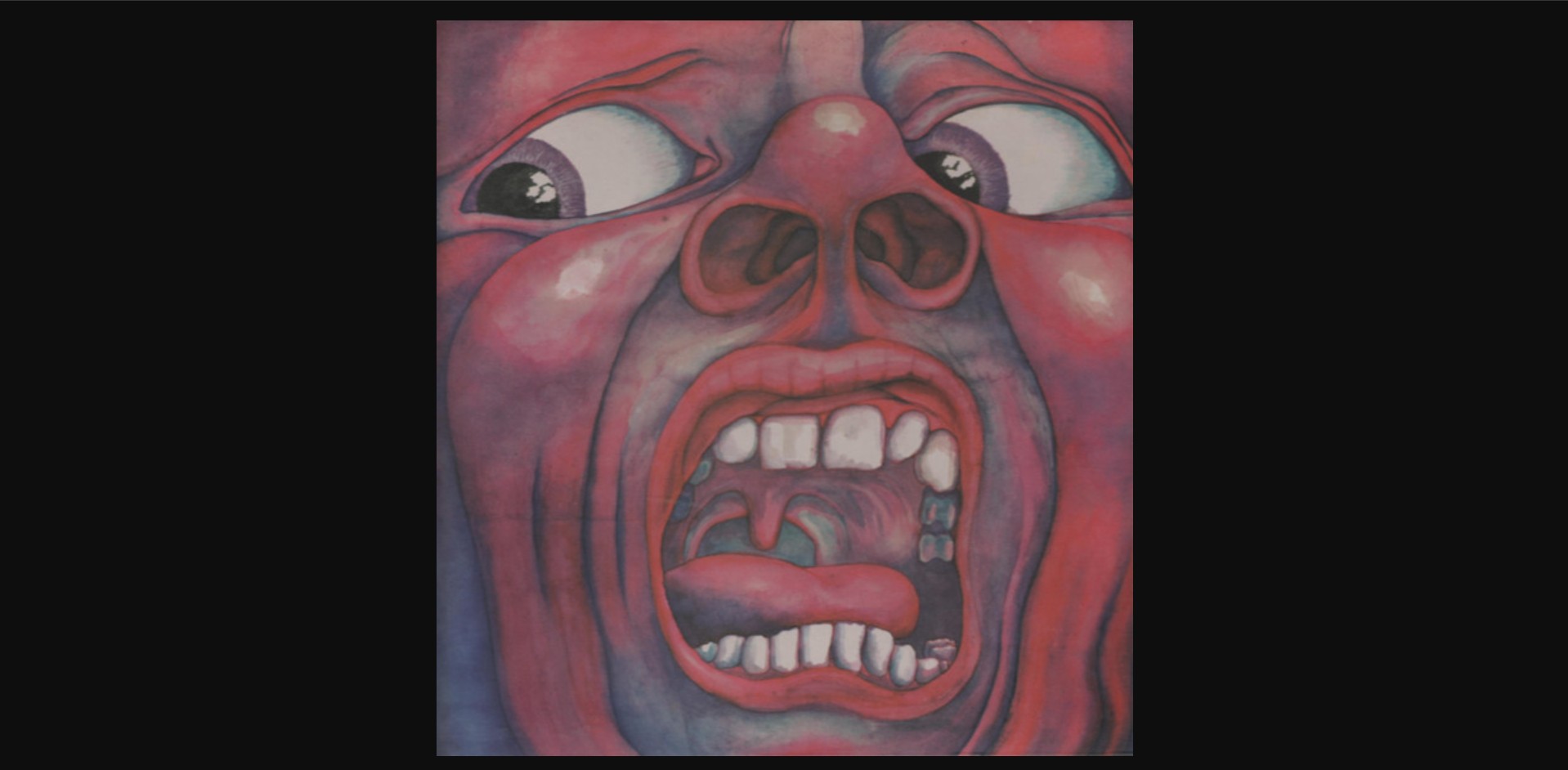
King Crimson – In The Court Of The Crimson King (1969)
King Crimson is arguably the archetypal progressive rock band, and their 1969 debut, In the Court of the Crimson King, stands as a monumental achievement that continues to define the genre. Breaking away from the blues-rock dominance of their contemporaries, this album presented a radical fusion of psychedelia, jazz, and classical music, creating a sound that was both intellectually stimulating and emotionally resonant.
The album’s ambitious scope and innovative arrangements were revolutionary. Tracks like "21st Century Schizoid Man" remain a benchmark for experimental rock, showcasing a complexity that challenges any audio setup. Its dense layers of instrumentation, jarring instrumental breaks, and raw vocal delivery demand a system capable of resolving intricate details without sacrificing power. The dynamic shifts within the song, moving from frenetic, distorted passages to moments of stark clarity, serve as an excellent test of a hi-fi system’s ability to handle extreme contrasts. The album’s dark, often apocalyptic lyrical themes, coupled with its avant-garde musicality, cemented King Crimson’s reputation as pioneers who were unafraid to explore the darker, more challenging aspects of the human psyche through sound. The album’s influence on subsequent generations of progressive musicians cannot be overstated, establishing a new paradigm for what rock music could achieve.
Purchase King Crimson, In The Court Of The Crimson King (1969) on Amazon
The Golden Age of Prog: Complexity, Virtuosity, and Concept Albums
The 1970s witnessed the full bloom of progressive rock, a period characterized by increasingly ambitious musical structures, thematic depth, and technical virtuosity. Bands pushed the envelope with album-length compositions, intricate time signatures, and thematic narratives that often drew inspiration from literature, mythology, and philosophical concepts.
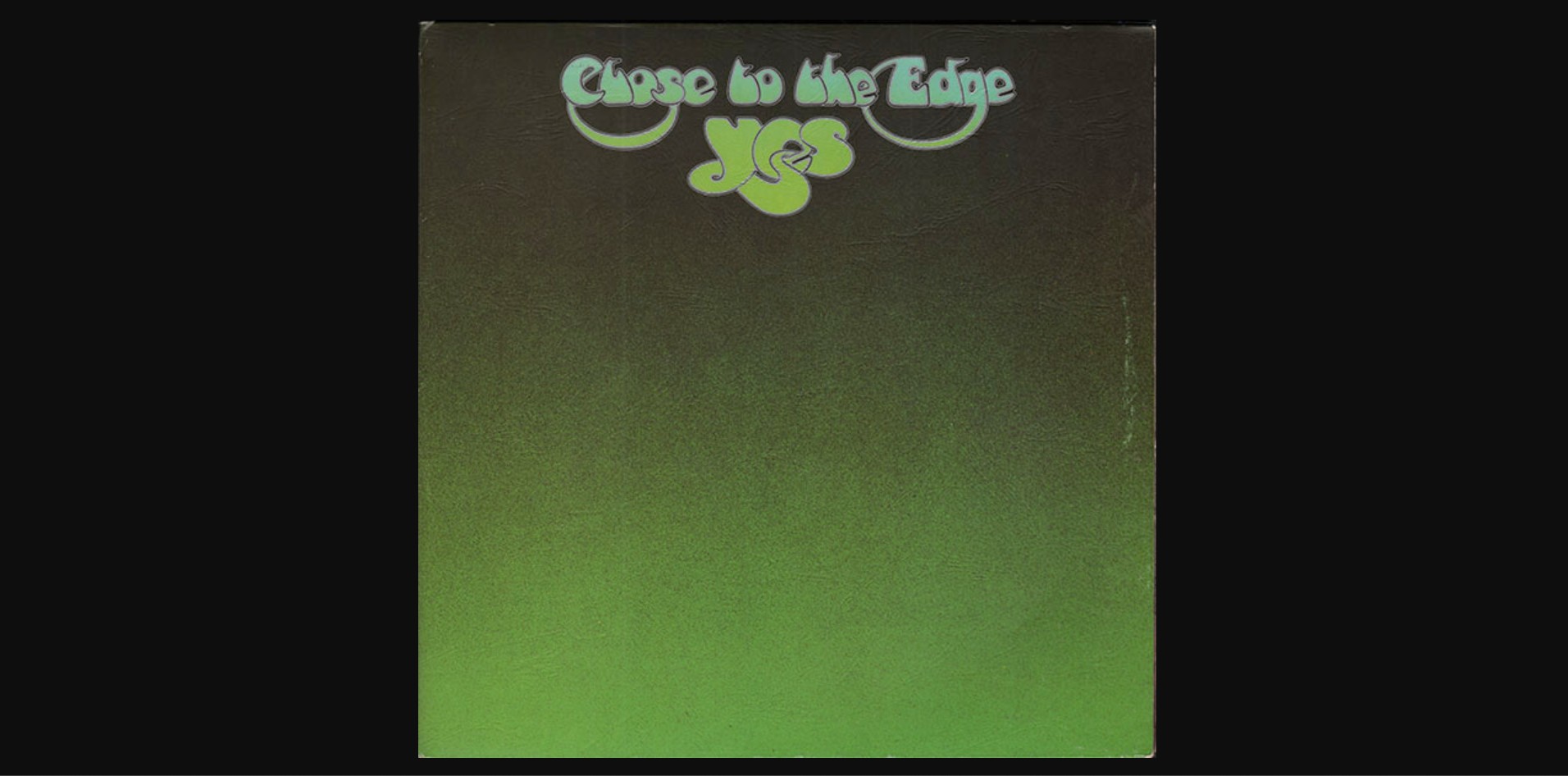
Yes – Close To The Edge (1972)
While Yes achieved mainstream recognition with later hits like "Owner of a Lonely Heart," their true progressive zenith is often considered to be their 1972 masterpiece, Close to the Edge. Despite the band members describing its creation as an arduous undertaking, akin to scaling Mount Everest, the resulting album is a testament to their artistic vision and collaborative genius.
Inspired by classical music and the epic tales of J.R.R. Tolkien’s The Lord of the Rings, Close to the Edge is a triumph of composition and sonic fidelity. The titular track, a nearly 18-minute epic, is a particular highlight. It begins with a tranquil, nature-infused introduction, featuring gentle keyboards and ambient sounds, before erupting into a dynamic and improvisational jam section. The track’s intricate structure, marked by frequent shifts between 10, 12, and 16-bar sections, offers a thrilling listening experience that demands precision from a hi-fi system. The interplay between Jon Anderson’s soaring vocals, Steve Howe’s intricate guitar work, Chris Squire’s foundational bass lines, Rick Wakeman’s virtuosic keyboard solos, and Bill Bruford’s complex drumming creates a dense, yet remarkably clear, sonic tapestry. The album’s exploration of spiritual and existential themes, combined with its musical complexity, made it a touchstone for the genre, demonstrating the potential for rock music to achieve a level of artistic sophistication previously reserved for classical or jazz compositions.
Purchase Yes, Close To The Edge (1972) on Amazon
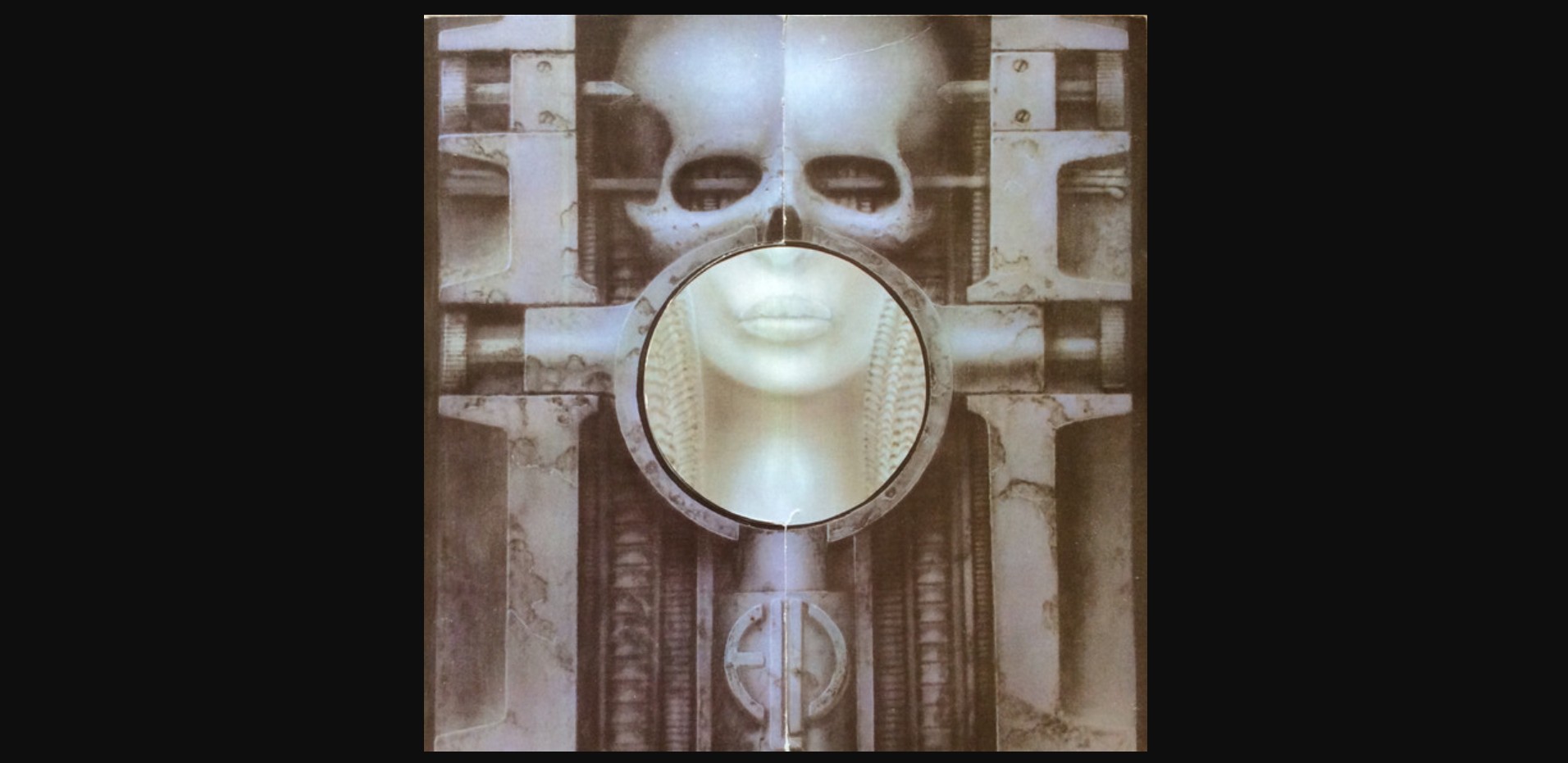
Emerson, Lake & Palmer – Brain Salad Surgery (1973)
Emerson, Lake & Palmer (ELP) consistently capture the attention of What Hi-Fi? readers, with their track "From The Beginning" from the Trilogy album frequently cited as a testing ground for audio systems. However, it is their fourth studio album, Brain Salad Surgery, that holds a special place for the What Hi-Fi? team. Beyond its striking H.R. Giger-designed artwork, the album’s standout feature is the epic, three-part suite, "Karn Evil 9."
This track exemplifies ELP’s pioneering use of synthesizers to construct a dystopian, science-fiction narrative that was both musically groundbreaking and thematically prescient. The album showcases the trio’s extraordinary musical virtuosity, with Keith Emerson’s flamboyant keyboard work, Greg Lake’s powerful vocals and bass, and Carl Palmer’s thunderous drumming creating a sonic spectacle. The innovative integration of synthesizers with traditional rock instrumentation offered a glimpse into the future of electronic music within a progressive framework. The intricate arrangements and dynamic contrasts within "Karn Evil 9" provide a rigorous test for any hi-fi system, demanding exceptional clarity to disentangle the complex layers of sound and robust dynamics to handle the dramatic shifts in intensity. The album’s ambitious scope and its bold exploration of technological themes resonated with a generation fascinated by the future, solidifying ELP’s reputation as masters of progressive rock spectacle.
Purchase Emerson, Lake & Palmer, Brain Salad Surgery (1973) on Amazon
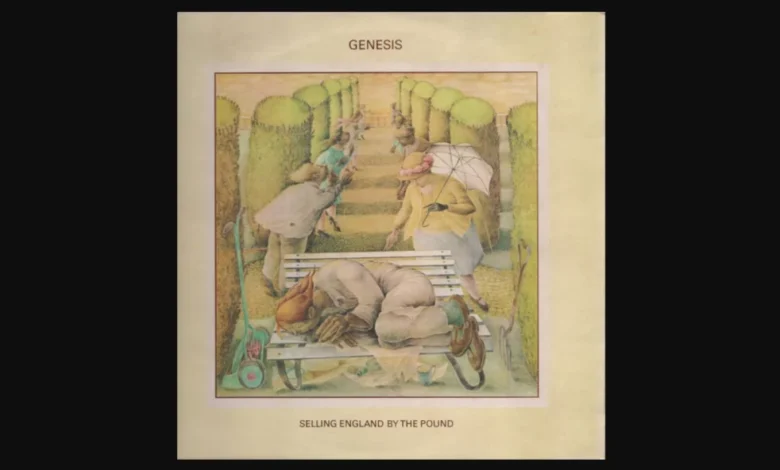
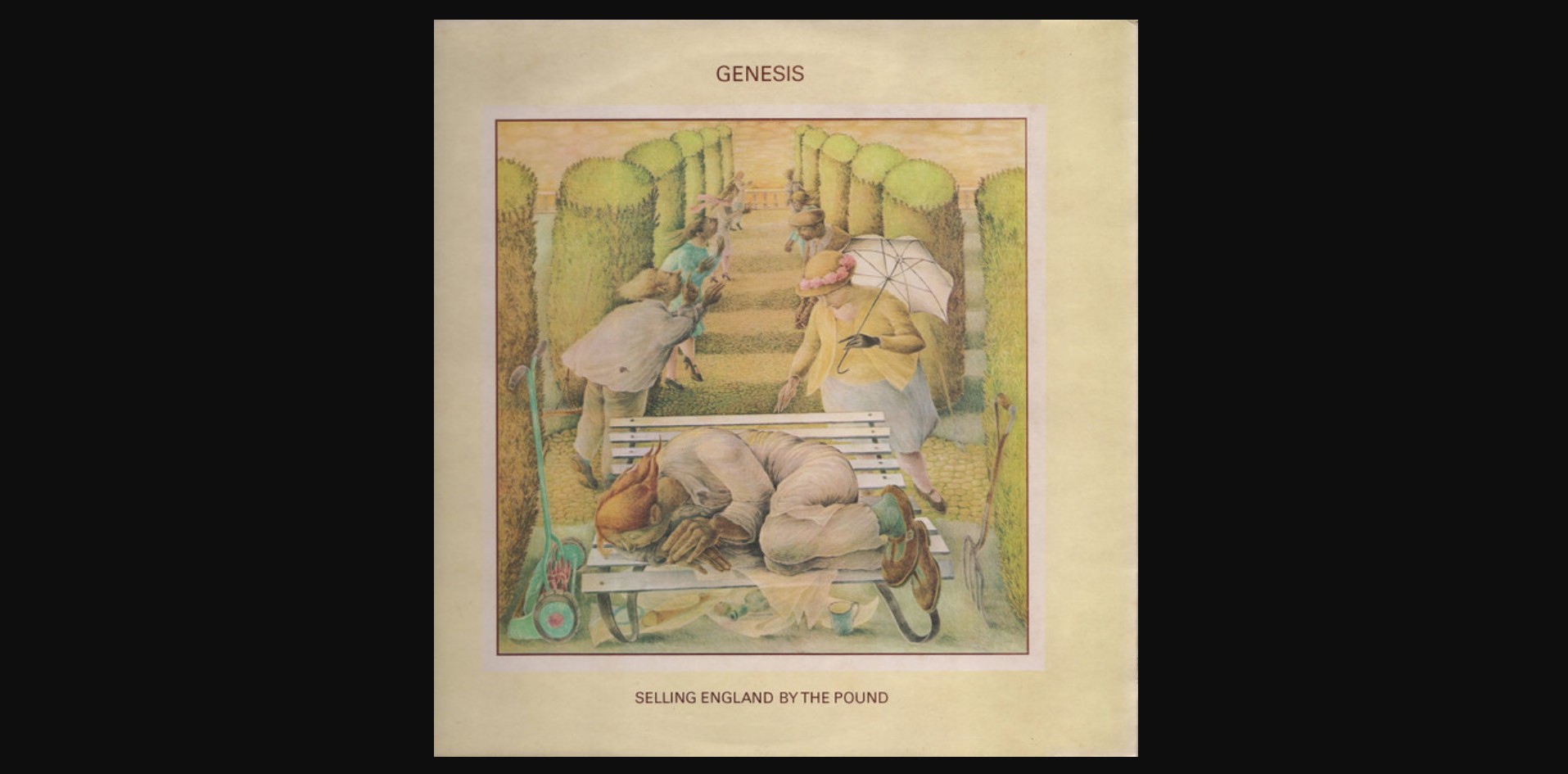
Genesis – Selling England By The Pound (1973)
Genesis, the launching pad for global superstars Phil Collins and Peter Gabriel, delivered a quintessential prog masterpiece with their fifth album, Selling England By The Pound. While the album received a mixed reception initially, it has since become a cherished work among What Hi-Fi? staff for its unashamedly British sensibility, witty lyrical content, and intricate musicality.
This album is a prime example of progressive rock’s capacity for narrative storytelling and musical exploration within a distinctly cultural context. The album’s diverse thematic material, ranging from whimsical observations to deeply introspective pieces, is mirrored in its varied musical landscapes. Tracks like the complex "Firth Of The Fifth" showcase the band’s instrumental prowess and sophisticated compositional skills, while pieces like "The Cinema Show" delve into more philosophical and poetic territory. The album’s rich textures, dynamic shifts, and Gabriel’s theatrical vocal performances offer a comprehensive sonic challenge, requiring a hi-fi system that can reproduce both subtle nuances and powerful crescendos with equal fidelity. Despite its complexity, the album’s inherent charm and wit make it accessible, ensuring that even newcomers to prog can find something to appreciate. It stands as a landmark in the genre, demonstrating that progressive rock could be both intellectually demanding and deeply engaging.
Purchase Genesis, Selling England By The Pound (1973) on Amazon
Carmen – Fandangos In Space (1973)
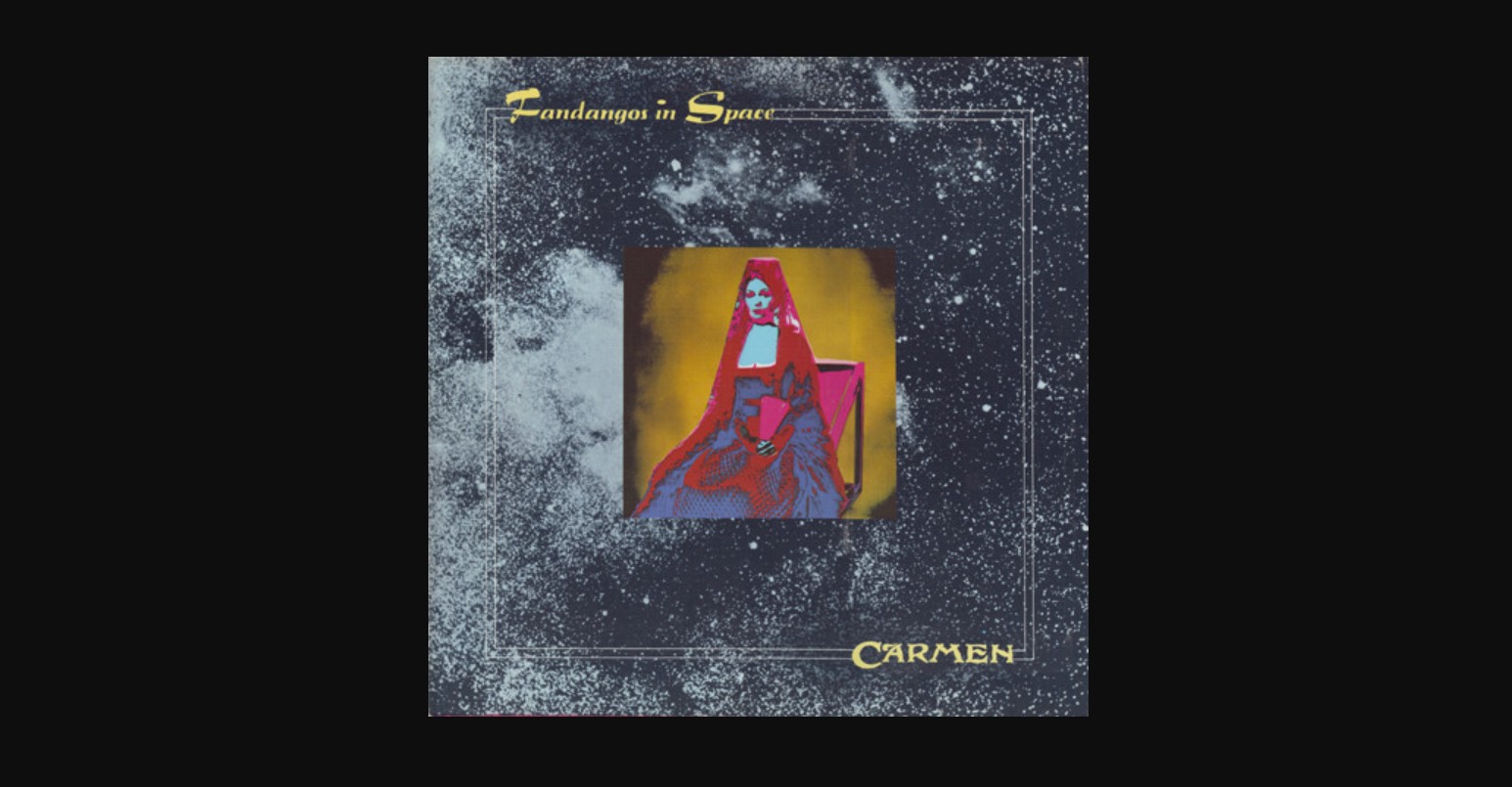
An unusual yet captivating fusion of flamenco and progressive rock, Carmen’s debut album, Fandangos In Space, offers a unique sonic experience. Produced by the legendary Tony Visconti, known for his work with David Bowie, this album defies easy categorization.
At its core, Fandangos In Space is a testament to musical cross-pollination. David Clark Allen’s compositions masterfully blend traditional flamenco guitar and percussion with rock guitar riffs and the atmospheric textures of the Mellotron. This unexpected synthesis creates a vibrant and exotic sound palette. The album’s lyrical themes, which touch upon bullfights and gypsy curses, add to its theatrical and dramatic flair. For hi-fi enthusiasts, the album provides an intriguing test of a system’s ability to reproduce the percussive intricacies of flamenco with the power and drive of rock instrumentation. The ballad "Lonely House" is particularly noteworthy, featuring powerful vocals and profound emotional depth that sounds sublime on a well-calibrated system. The album’s atypical approach, even for prog standards, makes it a compelling listen for fans of either genre and a testament to the genre’s willingness to embrace diverse musical traditions.
Purchase Carmen, Fandangos In Space (1973) on Amazon
Pink Floyd – The Dark Side Of The Moon (1973)
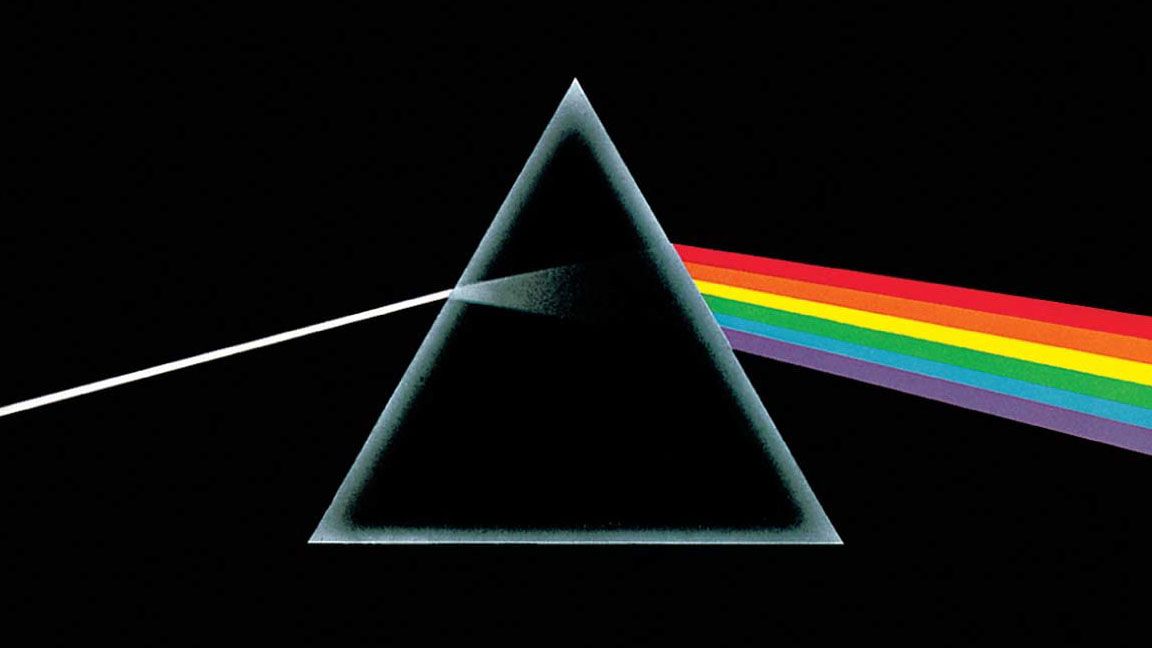
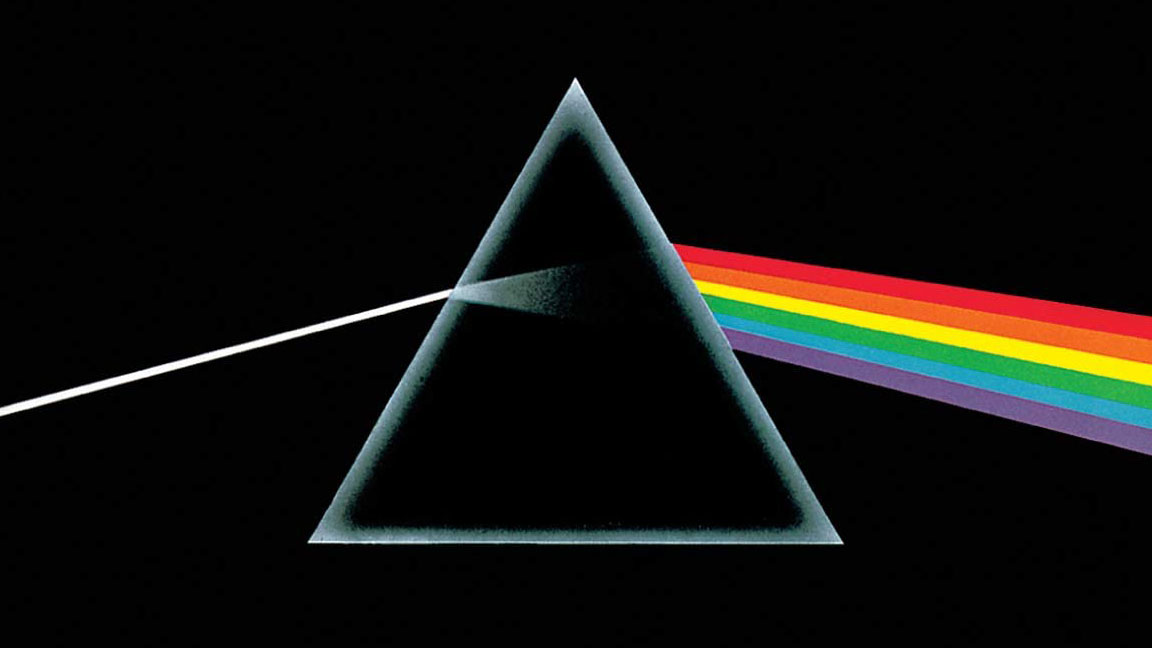
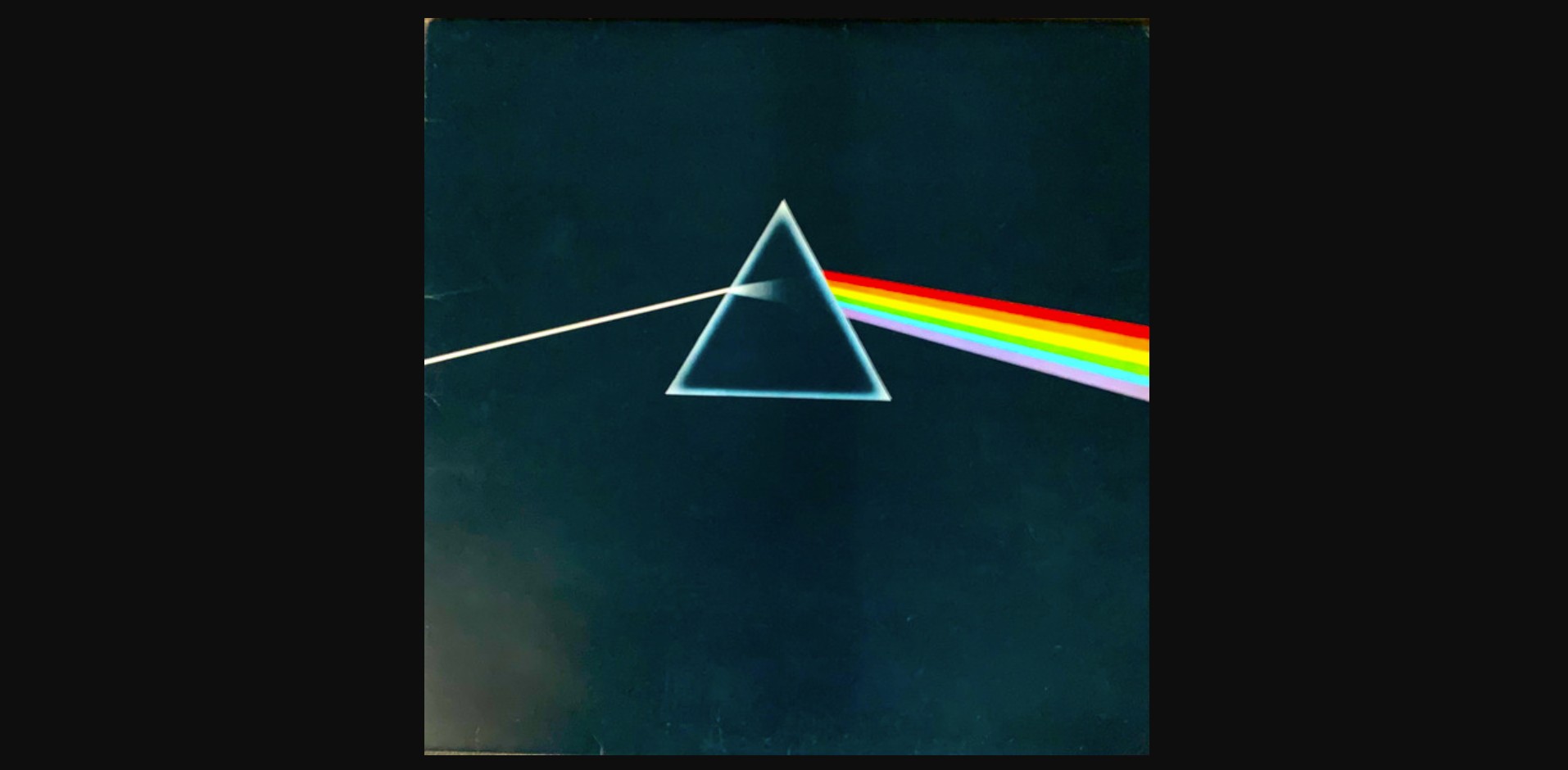
It’s almost impossible to discuss audiophile-grade albums without mentioning Pink Floyd’s The Dark Side of the Moon. Its ubiquitous presence at hi-fi shows is not a sign of cliché, but rather a testament to its enduring quality as both a musical masterpiece and an exceptional sonic benchmark.
The Dark Side of the Moon transcends its status as a progressive rock album to become a cultural phenomenon. Its exploration of universal themes such as greed ("Money"), mental health ("Brain Damage"), and the passage of time ("Time") is delivered with a confidence and ethereal quality that simultaneously captivates and unsettles. The album’s production is legendary, with meticulous attention paid to sonic detail, ambient sound effects, and the seamless integration of synthesizers and studio wizardry. For hi-fi systems, it offers a comprehensive workout, testing everything from bass response and dynamic range to stereo imaging and the reproduction of subtle sonic textures. The album’s moody atmosphere, melodic sophistication, and masterful recording quality make it an essential listen for any music lover, regardless of genre preference. Its enduring appeal across generations underscores its status as a truly timeless work.
Purchase Pink Floyd, The Dark Side Of The Moon (1973) on Amazon
Expanding Horizons: Prog in the 80s and Beyond
As the 1970s waned, progressive rock evolved, embracing new technologies and incorporating influences from emerging genres. Bands explored more concise song structures while retaining their penchant for complexity and thematic depth, ensuring the genre’s continued relevance.
Rush – Moving Pictures (1981)
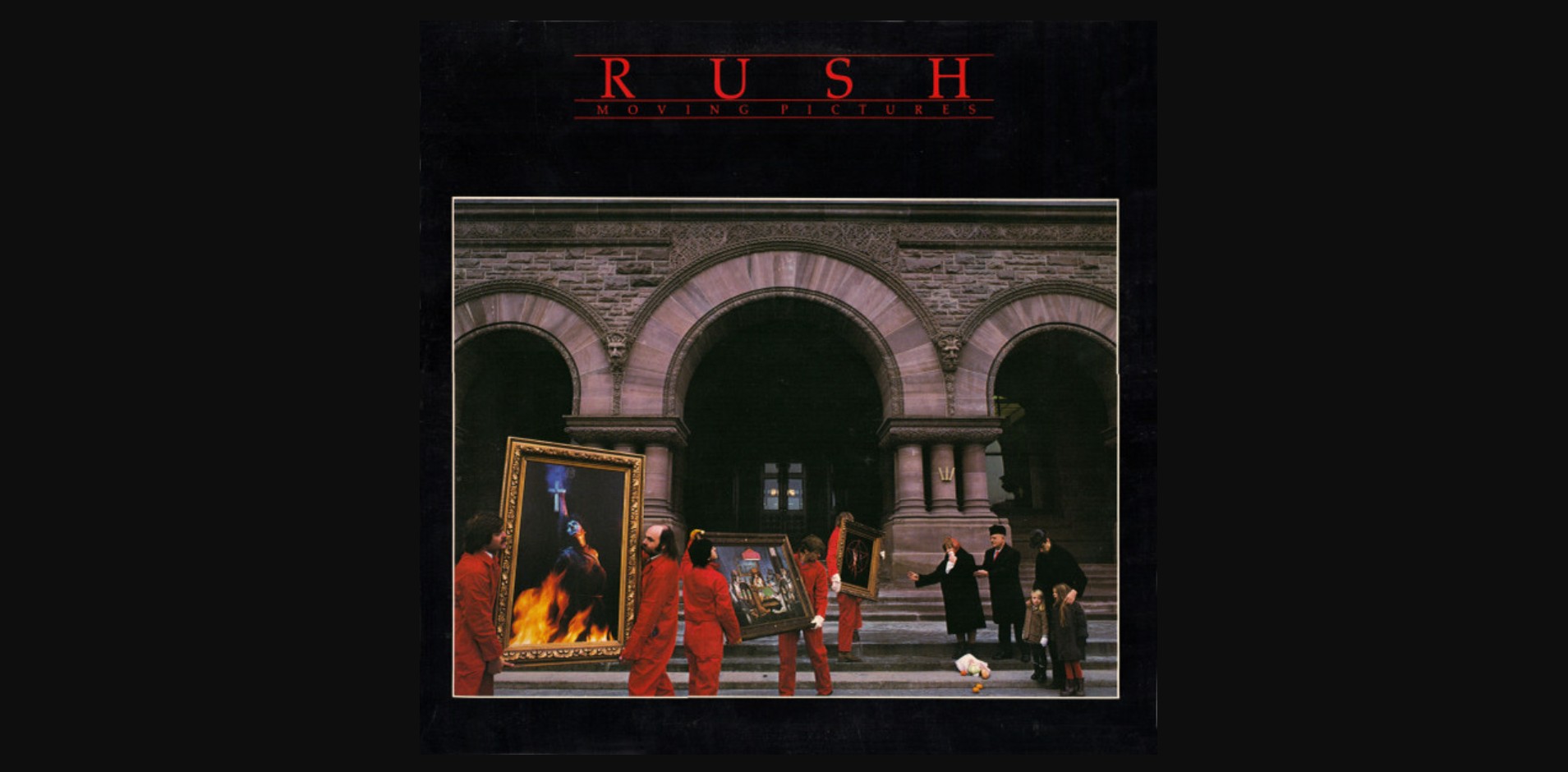
Rush boasts an expansive and diverse discography, making the selection of 1981’s Moving Pictures as their finest work a point of contention among fans. However, for the What Hi-Fi? team, it represents a peak in their artistic output and a particularly satisfying album for audio enthusiasts.
The album features one of the most iconic songs in rock history: "Tom Sawyer." Geddy Lee himself described it as "the quintessential Rush song," and its enduring appeal is undeniable. The track’s iconic groove, interwoven with spacey guitar work and memorable synth melodies, along with its rapid dynamic shifts, makes it an irresistible listen. Beyond "Tom Sawyer," Moving Pictures is a holistically brilliant album, showcasing Rush’s unparalleled musicianship and their ability to craft songs that are both technically complex and immensely engaging. The tight rhythm section, intricate guitar solos, and Lee’s distinctive vocals combine to create a rich sonic landscape that tests a hi-fi system’s ability to reproduce detail and rhythmic precision. The album’s blend of hard rock energy and progressive sophistication cemented Rush’s legacy and continues to be a favorite for its sheer musicality and sonic impact.
Purchase Rush, Moving Pictures (1981) on Amazon
Marillion – Clutching At Straws (1987)
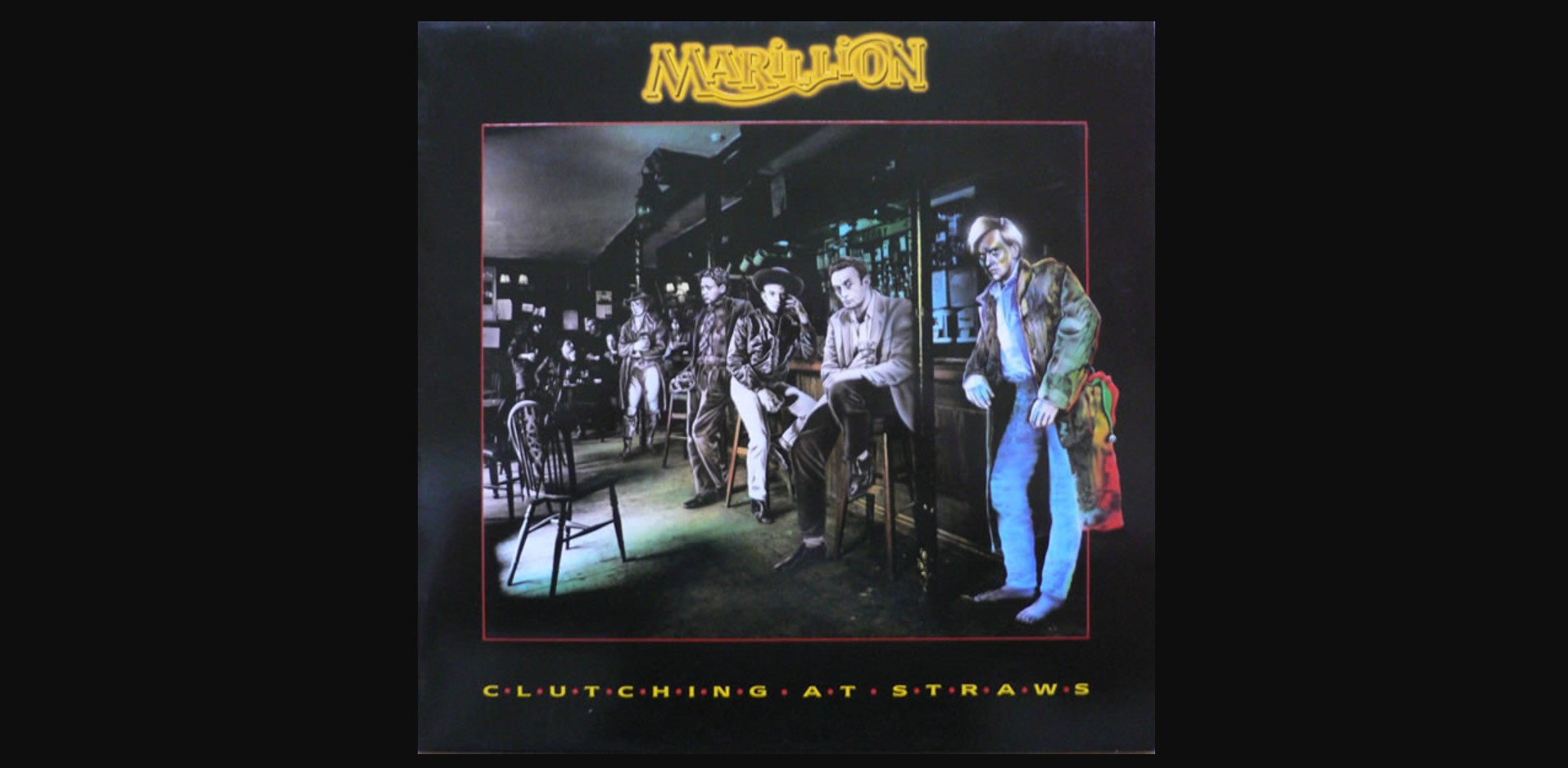
In a genre often characterized by lofty, abstract themes, Marillion’s 1987 masterpiece, Clutching At Straws, offers a refreshingly grounded and emotionally resonant narrative. This neo-prog rock album stands out for its deeply human storytelling, chronicling the struggles of an ordinary man named Torch navigating his life, often in the solitude of a pub.
While Marillion’s previous album, Misplaced Childhood, and its hit single "Lavender" may receive more widespread attention, Clutching At Straws is considered by the What Hi-Fi? team to be a more cohesive and mature work. The album delves into themes of regret, isolation, and the search for meaning, presented through Fish’s evocative lyrics and the band’s intricate musical arrangements. Tracks like "Sugar Mice" showcase a bittersweet melancholy, while "Incommunicado" offers a more energetic, yet still thematically rich, exploration. The album’s dynamic range, from quiet acoustic passages to powerful rock anthems, makes it an excellent test for a hi-fi system’s ability to convey both emotional nuance and sonic power. The album’s enduring quality lies in its ability to connect with listeners on a deeply personal level, proving that progressive rock can be as much about heartfelt introspection as it is about musical complexity.
Purchase Marillion, Clutching At Straws (1987) on Amazon
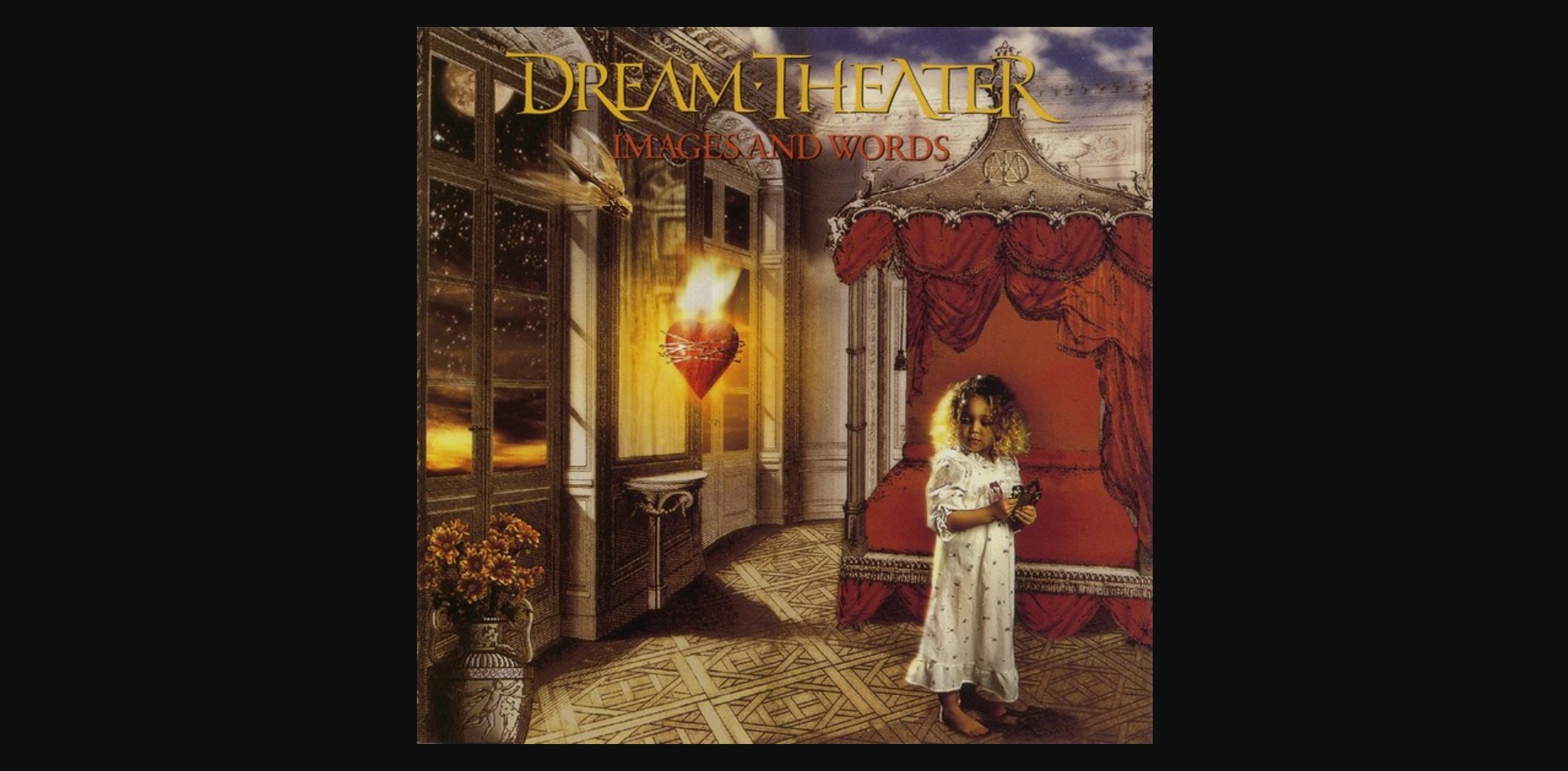
Dream Theater – Images And Words (1992)
Three decades after their formation, Dream Theater continues to be a dominant force in progressive rock, known for their increasingly complex and virtuosic output. While the band’s extensive catalog features many technically brilliant albums, their breakout 1992 release, Images And Words, remains a favorite for the What Hi-Fi? team, often cited for its accessibility and polished sound.
Images And Words marked a significant step for Dream Theater, balancing their inherent progressive leanings with a more focused, song-oriented approach. The album features the iconic and radio-friendly "Pull Me Under," but it’s the sprawling "Metropolis – Part 1: The Miracle And The Sleeper" that truly showcases the band’s progressive credentials. The album is filled with intricately arranged tracks delivered with the band’s signature precision and technical prowess. The interplay between John Petrucci’s guitar virtuosity, Jordan Rudess’s expansive keyboard textures (though not on this album, it set the stage for future sonic evolution), John Myung’s complex bass lines, and the powerful drumming of Mike Portnoy creates a dense yet remarkably clear sonic experience. The album’s improved production values over their earlier work allowed their sophisticated arrangements to shine, making it a benchmark for modern progressive metal and a rewarding listen for any hi-fi enthusiast.
Purchase Dream Theater, Images And Words (1992) on Amazon
Tool – Lateralus (2001)
For those who appreciate progressive rock with a heavier, more metallic edge, Tool’s Lateralus is an essential listen. This 2001 album represents a pivotal moment for the band, solidifying their unique sound and moving definitively away from their grunge-influenced beginnings into a more conceptual, progressive metal realm.
Lateralus is not an album for passive listening; its intricate, thought-provoking songs demand engagement. The album’s structure, which follows the Fibonacci sequence in its arrangement and lyrical themes, adds a layer of intellectual depth. Tracks like "The Grudge" immediately immerse the listener in Tool’s signature style, characterized by complex rhythmic patterns, powerful breakdowns, and Maynard James Keenan’s haunting vocals. The album’s sonic architecture, with each song flowing seamlessly into the next, creates a deeply immersive and reflective journey. For hi-fi systems, Lateralus is an exceptional test of dynamic range and rhythmic accuracy, pushing the boundaries of what a system can reproduce in terms of power, detail, and spatial imaging. Its blend of aggression, intelligence, and atmospheric depth has made it a cornerstone of modern progressive metal.
Purchase Tool, Lateralus (2001) on Amazon
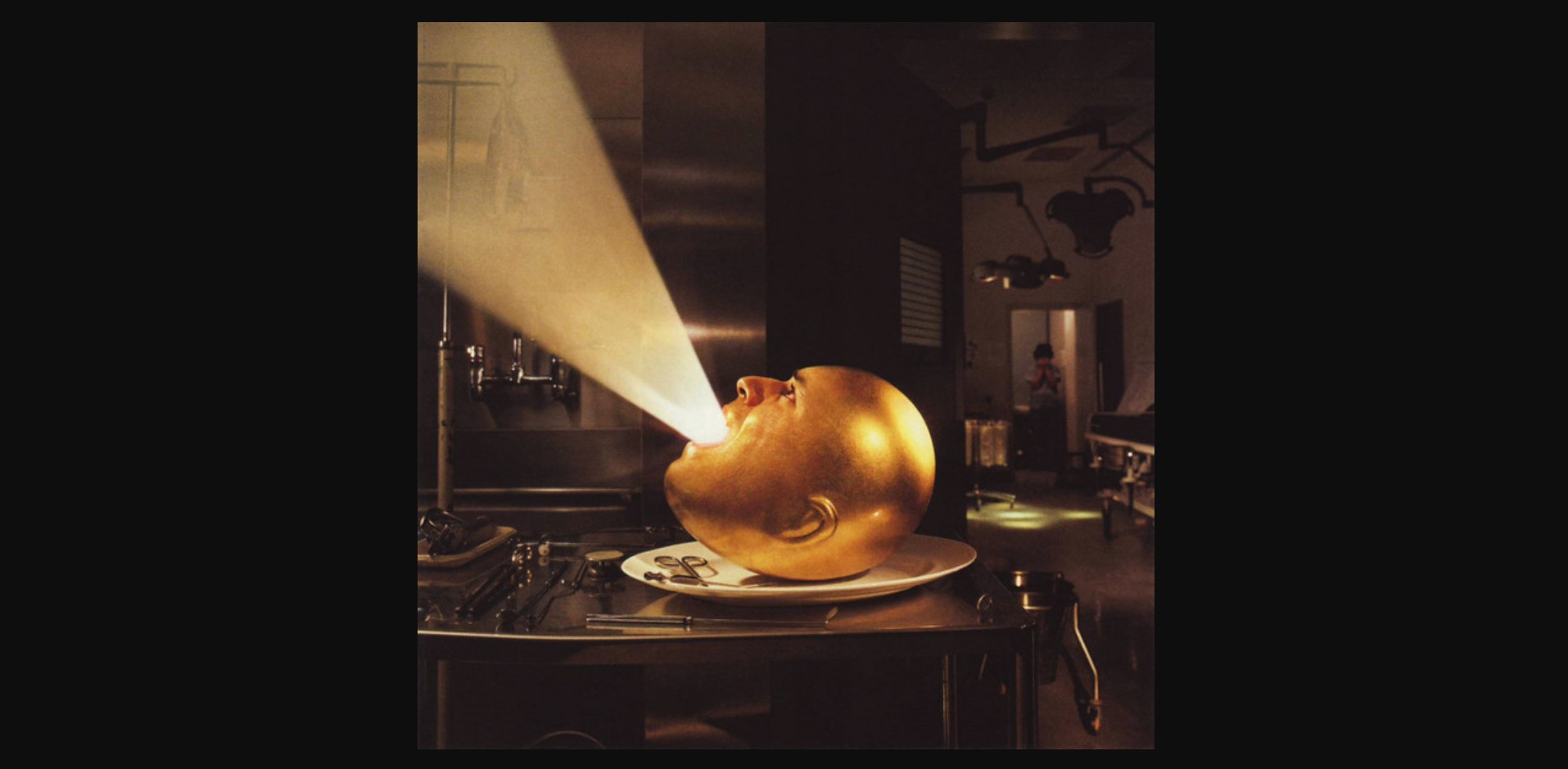
The Mars Volta – De-Loused In The Comatorium (2003)
Emerging from the ashes of post-hardcore legends At The Drive-In, The Mars Volta’s 2003 debut, De-Loused In The Comatorium, was a seismic event in progressive rock. The album represented a bold departure for guitarist Omar Rodríguez-López and vocalist Cedric Bixler-Zavala, forging a path that was both experimental and deeply compelling.

This concept album, inspired by a short story about a man in a coma after an overdose, is a vibrant tapestry of influences, weaving together Latin jazz, psychedelia, and heavy metal. While the rapid genre shifts might have divided fans of their previous work, for progressive rock aficionados, it showcased the genre’s boundless potential for fusion and narrative. The album’s dense layers of instrumentation, virtuosic performances, and Bixler-Zavala’s distinctive, often abstract, vocal delivery create a challenging yet rewarding listening experience. The tragic passing of sound manipulator Jeremy Ward shortly after the album’s release adds a poignant layer to its already profound impact. Sonically, the album is a rich and demanding landscape, perfect for testing a hi-fi system’s ability to handle complex arrangements, dynamic shifts, and atmospheric depth.
Purchase Mars Volta, De-Loused In The Comatorium (2003) on Amazon
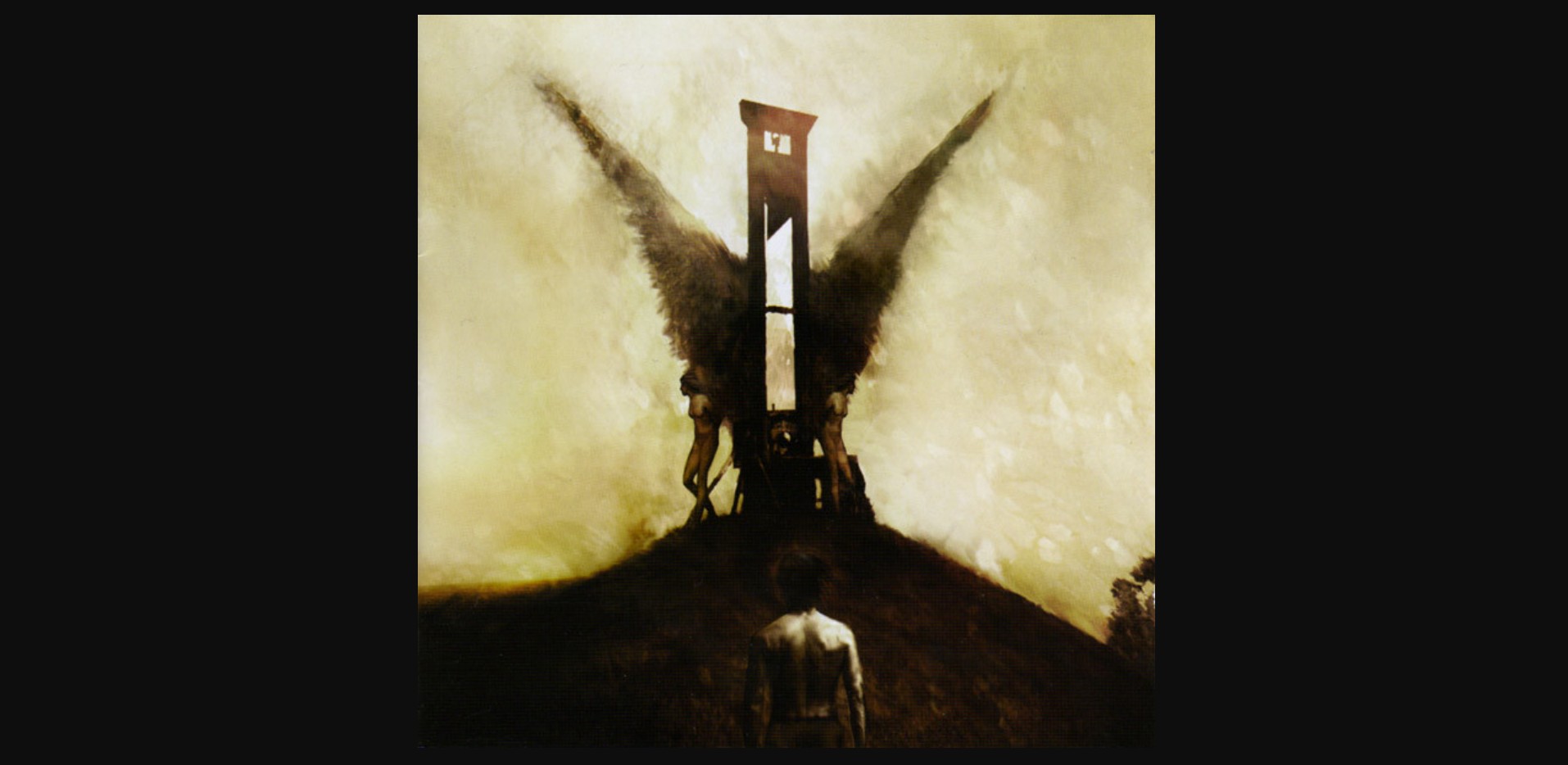
Coheed And Cambria – Good Apollo, I’m Burning Star IV, Volume One: From Fear Through The Eyes of Madness (2005)
For fans who appreciate progressive rock infused with epic science-fiction narratives, Coheed and Cambria are a must-listen. Their albums are renowned for their intricate storytelling, often detailed in accompanying comic books and novels, creating expansive universes filled with dramatic twists and turns. Good Apollo, I’m Burning Star IV, Volume One: From Fear Through the Eyes of Madness is a prime example of this ambitious approach.
As the title suggests, this album is part of the sprawling "Amory Wars" saga. As a cohesive piece, it stands as a testament to Coheed and Cambria’s ability to reignite mainstream interest in progressive rock during the early 2000s. Claudio Sanchez’s distinctive, Geddy Lee-esque vocals, coupled with the band’s tight musicianship—navigating effortlessly between heavy rock riffs, progressive solos, and emo-influenced breakdowns—create a compelling sonic identity. A significant aspect of this album is its improved production quality compared to their earlier work, shedding a compressed sound that previously hindered their appeal in audiophile circles. This polished sound allows the intricate arrangements and dynamic range of the music to be fully appreciated, making it an excellent choice for showcasing a hi-fi system’s capabilities.
Purchase Coheed And Cambria, Good Apollo, I’m Burning Star IV, Volume One: From Fear Through the Eyes of Madness (2005) on Amazon
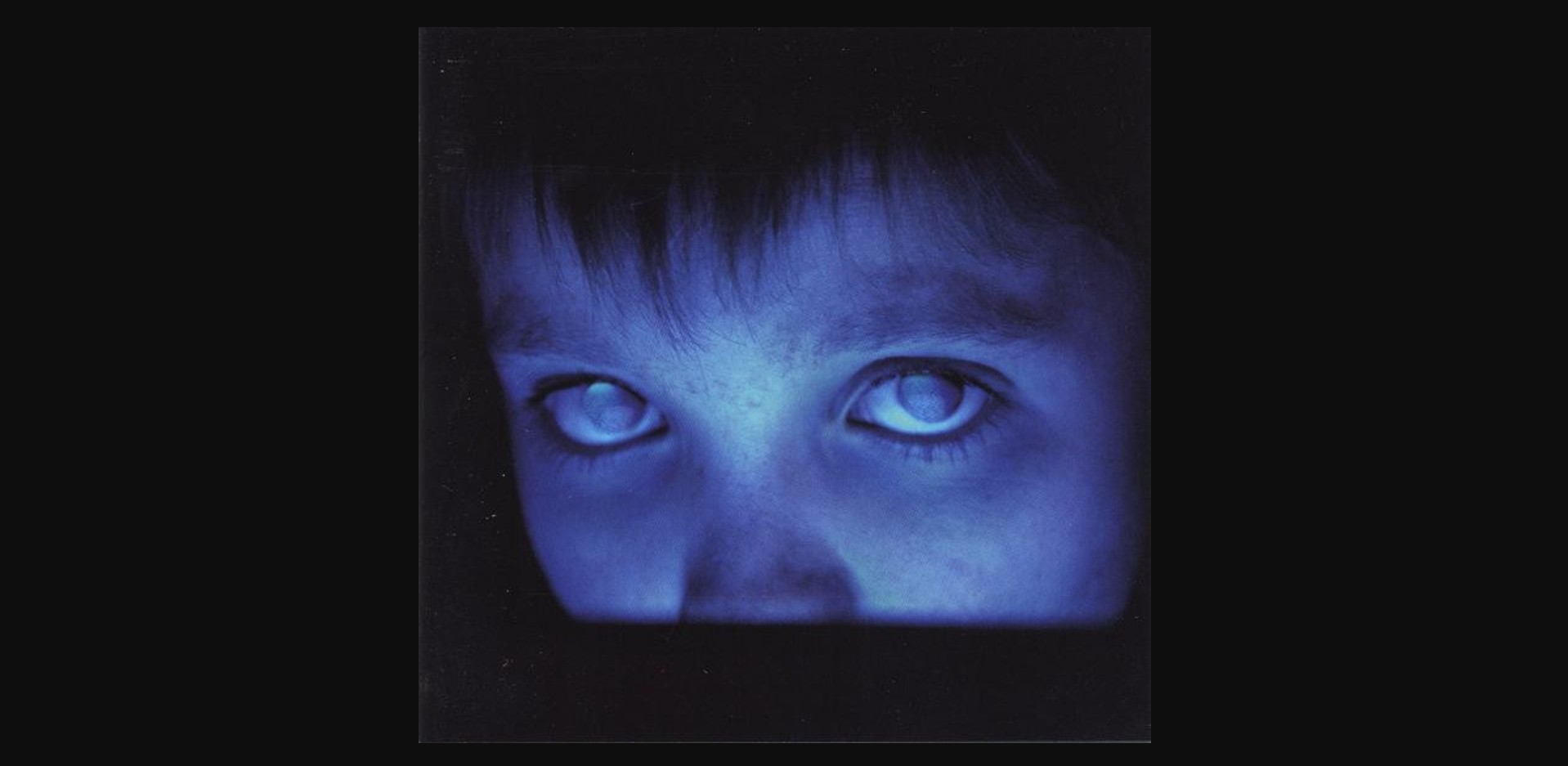
Porcupine Tree – Fear Of A Blank Planet (2007)
Porcupine Tree, led by the highly respected Steven Wilson, is synonymous with contemporary progressive rock. Wilson’s deep understanding of sound quality and his deliberate approach to composition have made the band a fixture in hi-fi demonstrations. Among their extensive catalog, Fear Of A Blank Planet (2007) is a standout for the What Hi-Fi? team.
The album’s conceptual depth, exploring the impact of modern technology and global anxieties on young people, resonates strongly in today’s world. However, its primary appeal for audiophiles lies in its intentional design as a cohesive listening experience, eschewing traditional radio singles for a more flowing, immersive structure. This approach results in a polished and deeply integrated album that seamlessly blends 1970s progressive influences with post-grunge and modern rock elements. The album’s rapid mood and genre shifts provide a dynamic and engaging journey, making it an ideal showcase for a hi-fi system’s ability to handle intricate arrangements, diverse timbres, and powerful sonic transitions. Its intelligent composition and high-fidelity production make it a recommended listen for both dedicated prog fans and newcomers alike.
Purchase Porcupine Tree, Fear Of A Blank Planet (2007) on Amazon
Anathema – Weather Systems (2012)
Anathema’s evolution from their doom metal roots in the 1990s to their current status as prog-rock darlings is a remarkable testament to their artistic growth. While their 2010 album We’re Here Because We’re Here is often cited as the turning point, their subsequent 2012 album, Weather Systems, is the What Hi-Fi? team’s preferred choice for its profound emotional depth and cohesive structure.
Weather Systems eschews immediate singles in favor of a deeply integrated, emotionally resonant experience. The band’s stated intention was to "deeply move the listener," and this album achieves that through its exploration of profound themes like life, regret, and mortality. The album’s sonic journey begins with the slow-burning acoustic intro of "Untouchable Part 1" and builds through a landscape of ethereal textures, anguished vocal pleas, and somber reflections. The masterful recording quality captures every nuance, from the delicate acoustic passages to the powerful climaxes. The constant ebb and flow of dynamics create a dreamlike, almost meditative state, making it a deeply rewarding listen. Weather Systems stands as a powerful example of how progressive rock can achieve profound emotional impact through sophisticated musicality and heartfelt lyricism.
Purchase Anathema, Weather Systems (2012) on Amazon
The enduring appeal of progressive rock lies in its commitment to pushing artistic and technical boundaries. These albums, spanning decades of innovation, represent not only milestones in music history but also exceptional opportunities to experience the full potential of a high-fidelity audio system. They invite listeners on journeys of sonic and intellectual discovery, proving that the pursuit of progressive virtuosity continues to yield rewarding experiences for both musicians and audiophiles alike.
Related posts: