Dreame Ecceluxe Go Review: A Compact, Self-Heating Espresso Machine Redefining Portable Coffee

The market for portable espresso makers has long been divided into a frustrating compromise: either you carry a bulky gas-powered stove alongside a manual press, or you settle for tepid water poured into a hand-pumped chamber. Enter the Dreame Ecceluxe Go (Model PX10), a revolutionary compact, cordless, self-heating espresso machine that aims to eliminate these compromises entirely. Designed primarily for outdoor enthusiasts, campers, and minimalists living in tiny spaces or conversion vans, the device handles both fresh coffee grounds and multiple pod formats with surprising versatility.
Main Facts and Core Engineering
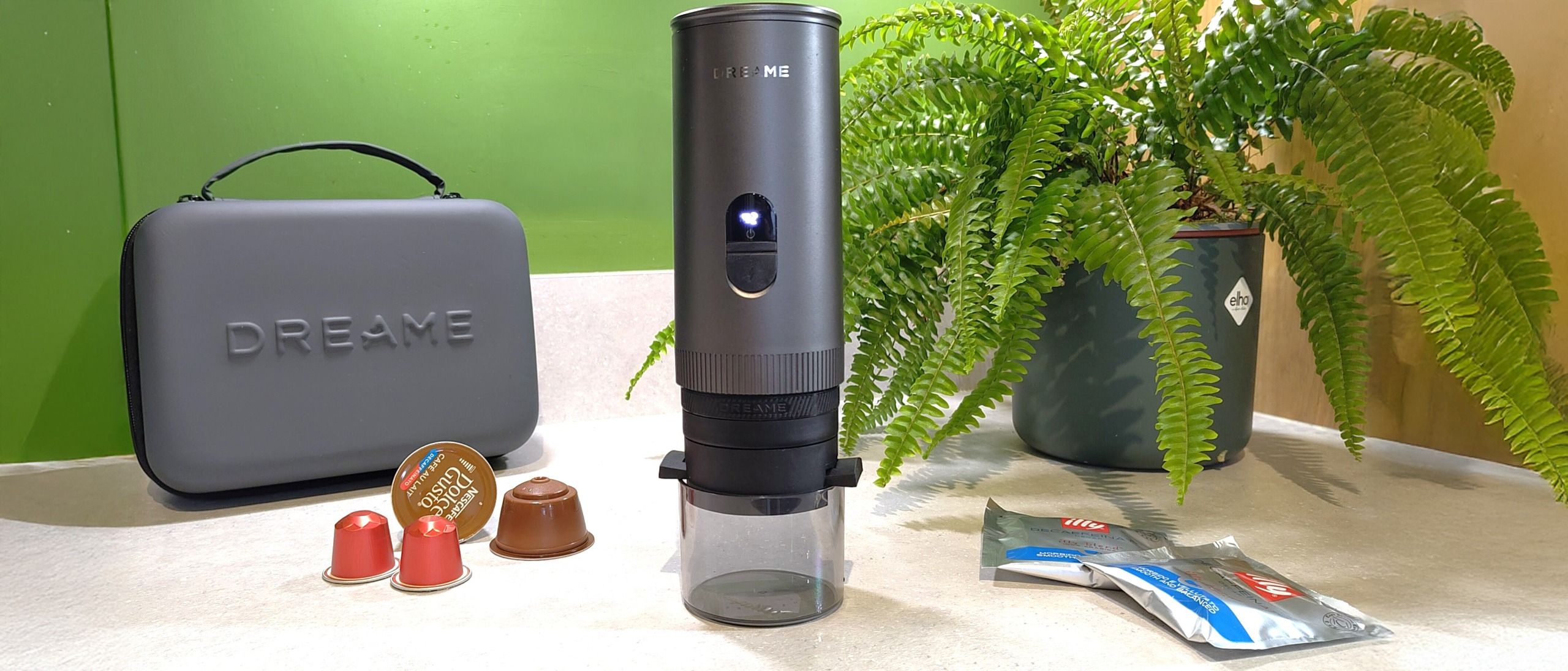
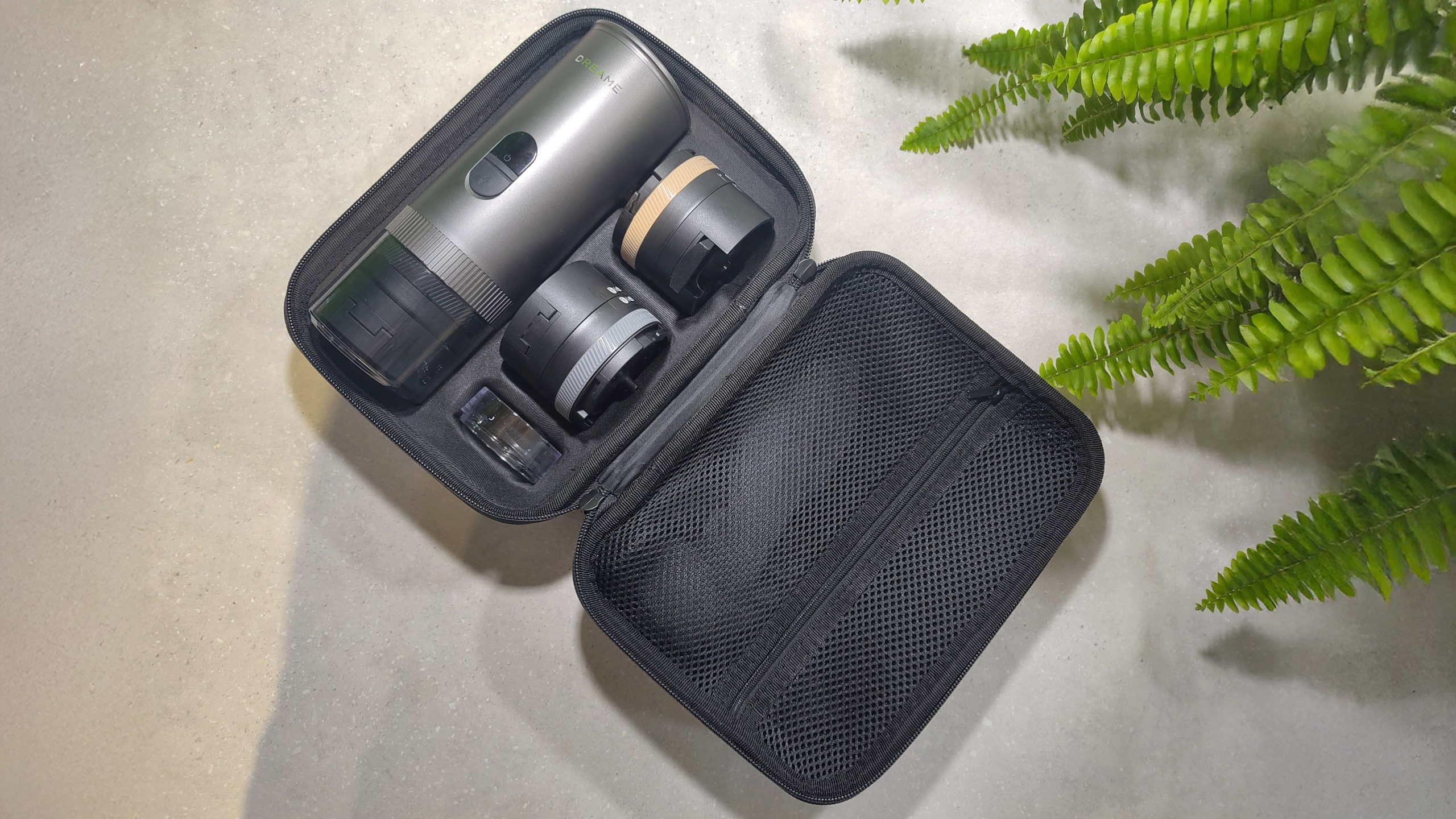
At its core, the Dreame Ecceluxe Go is engineered to operate independently of external heating sources. Measuring a mere 2.7 by 2.4 inches (7 by 6 cm) for the main unit and weighing just 19.9 oz (564g) without attachments, the appliance is smaller than a standard travel mug. Despite its compact footprint, it integrates a sophisticated internal heating element and a high-pressure pump capable of driving water through coffee beds to extract a rich shot of espresso complete with a respectable layer of crema.
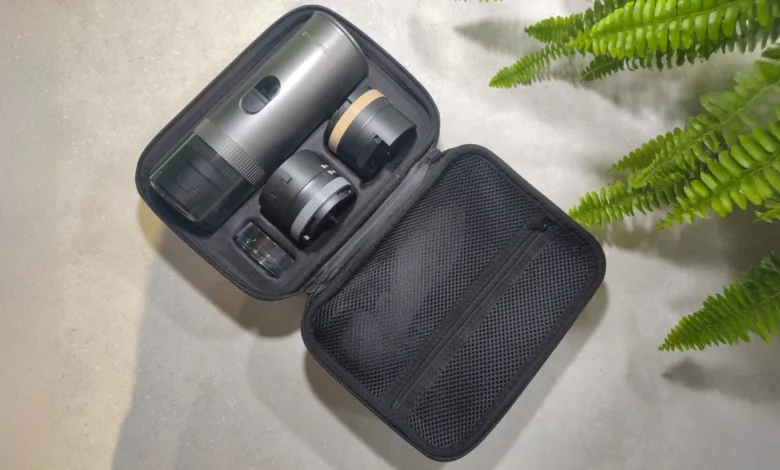
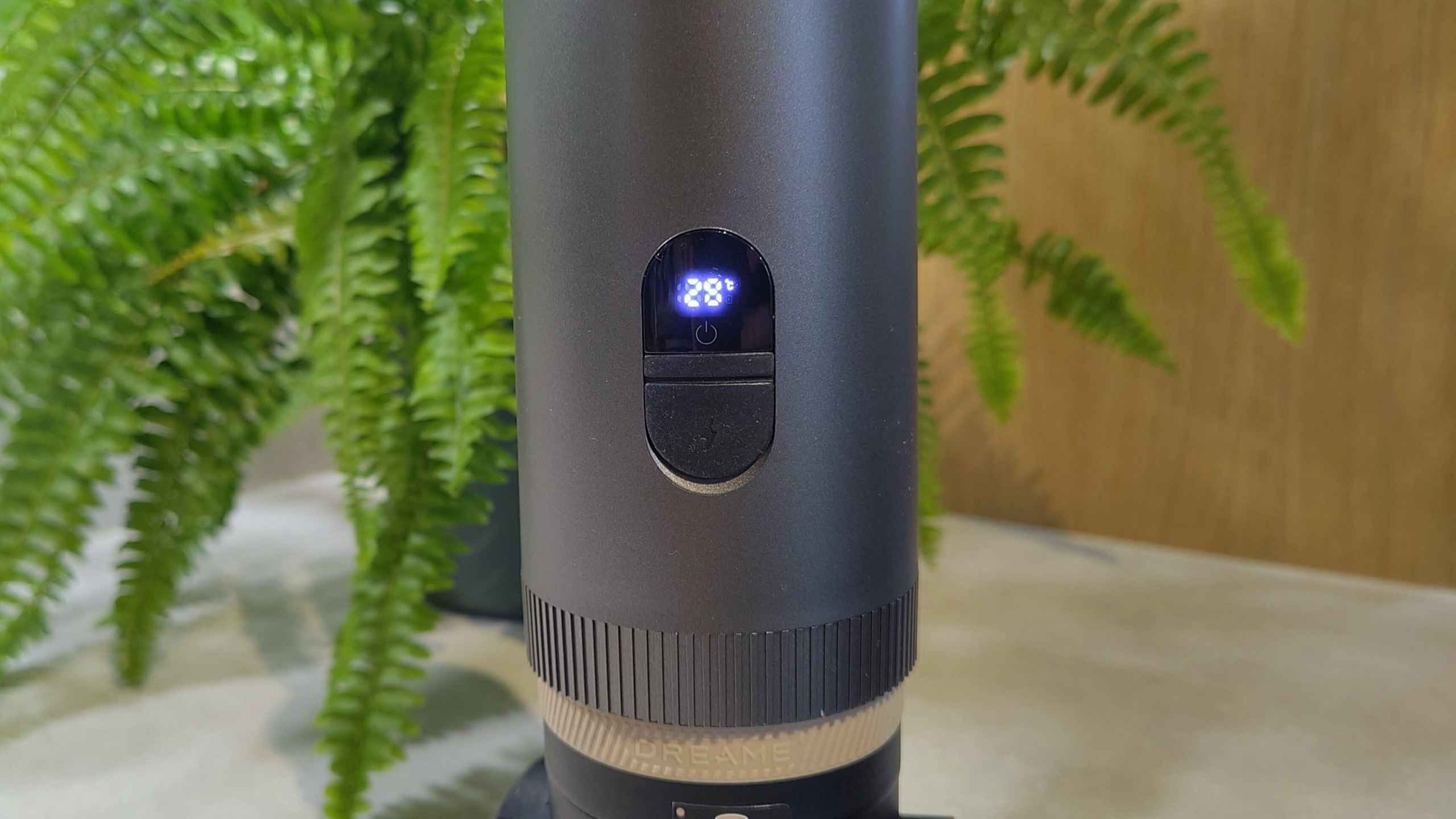
The machine’s hardware ecosystem is housed in a cushioned carry case measuring 3.5 by 2.8 by 1.8 inches (9 by 7 by 4.5 cm) and weighing 3.55 lbs (1.61kg) total with all accessories included. Power is supplied via a front-facing, USB-C rechargeable battery, making it easily replenishable via portable power banks, vehicle chargers, or standard wall adapters. Control is managed through a touch-sensitive LED display that communicates battery charge levels, active brewing programs, and real-time temperatures.
Compatibility and Dual Brewing Modes
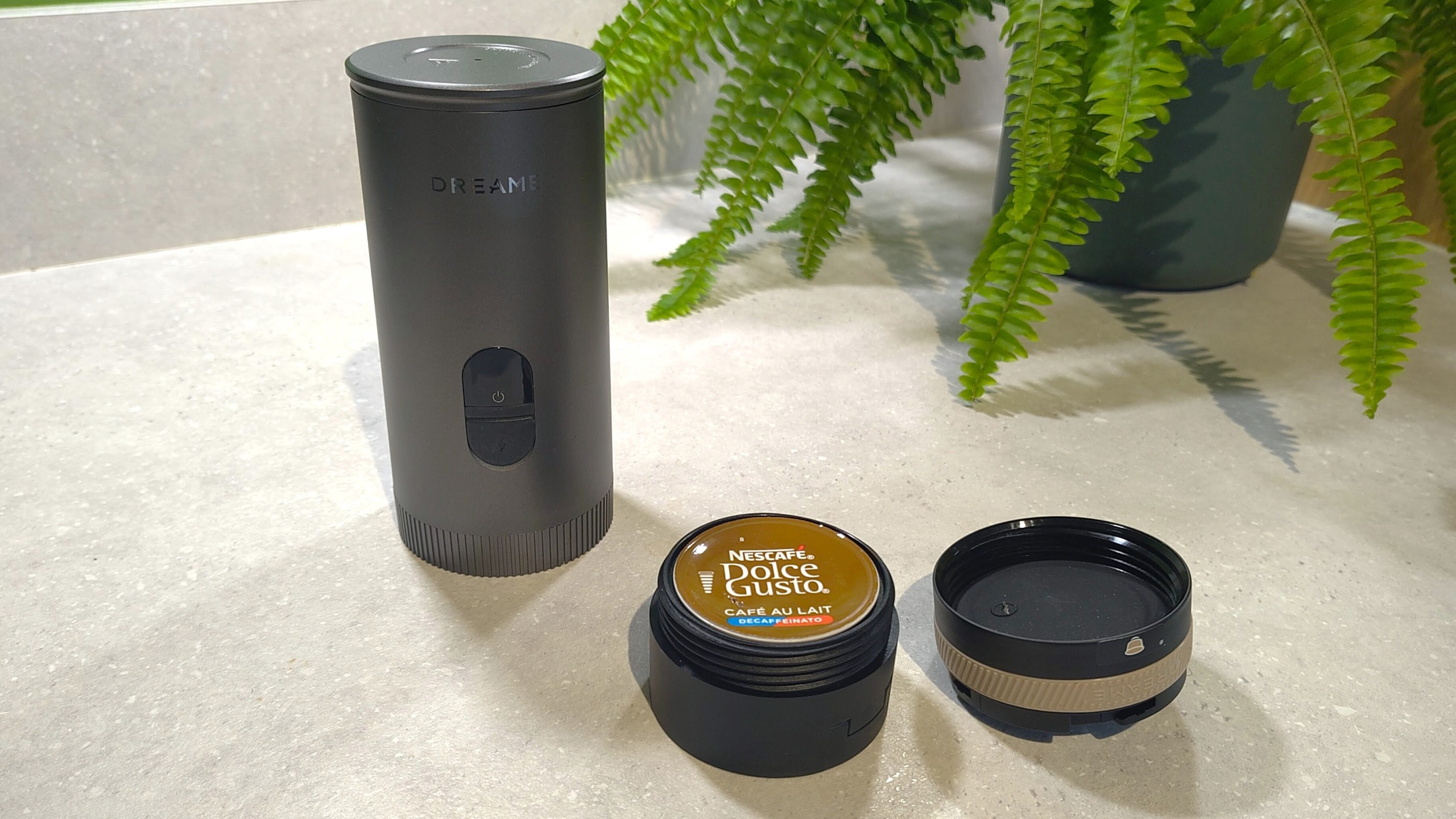
One of the standout features of the Dreame Ecceluxe Go is its multi-format adaptability. Recognizing that coffee drinkers maintain strict brand or bean loyalties, the manufacturer ships the device with a suite of color-coded, icon-stamped adapters. Users can brew utilizing Nespresso Original capsules, Nestlé Dolce Gusto pods, ESE (Easy Serve Espresso) pods, or loose, fresh-ground coffee via an included mess-reducing dosing ring.
The machine offers two distinct operational modes:
- P1 Mode (Self-Heating Extraction): Designed for entirely off-grid scenarios, this mode draws on the internal battery to heat room-temperature water up to its optimal extraction temperature of 203°F (95°C) before initiating the pump.
- P2 Mode (Direct Extraction): Tailored for environments where hot water is already accessible via a kettle or stove, this mode bypasses the heating cycle entirely, using pre-heated water directly from the tank to preserve battery life and dramatically accelerate preparation times.
Chronology and Expected Market Release
While evaluation units have provided journalists and product reviewers with early hands-on performance data, Dreame has structured a deliberate regional rollout for the Ecceluxe Go. Industry tracking indicates that the portable espresso maker is scheduled for an initial commercial launch in Spain and Portugal by the end of 2026.
A subsequent rollout targeting the United States market is anticipated shortly after the Iberian launch. However, consumer electronics and kitchen appliance analysts note that Dreame has not yet finalized distribution timelines for the United Kingdom or Australia. Official pricing data across all markets remains unannounced, forcing early reviewers to assess the device strictly on its design merit, thermal stability, and extraction quality rather than its ultimate cost-to-performance value ratio.
Performance Analysis and Field Testing
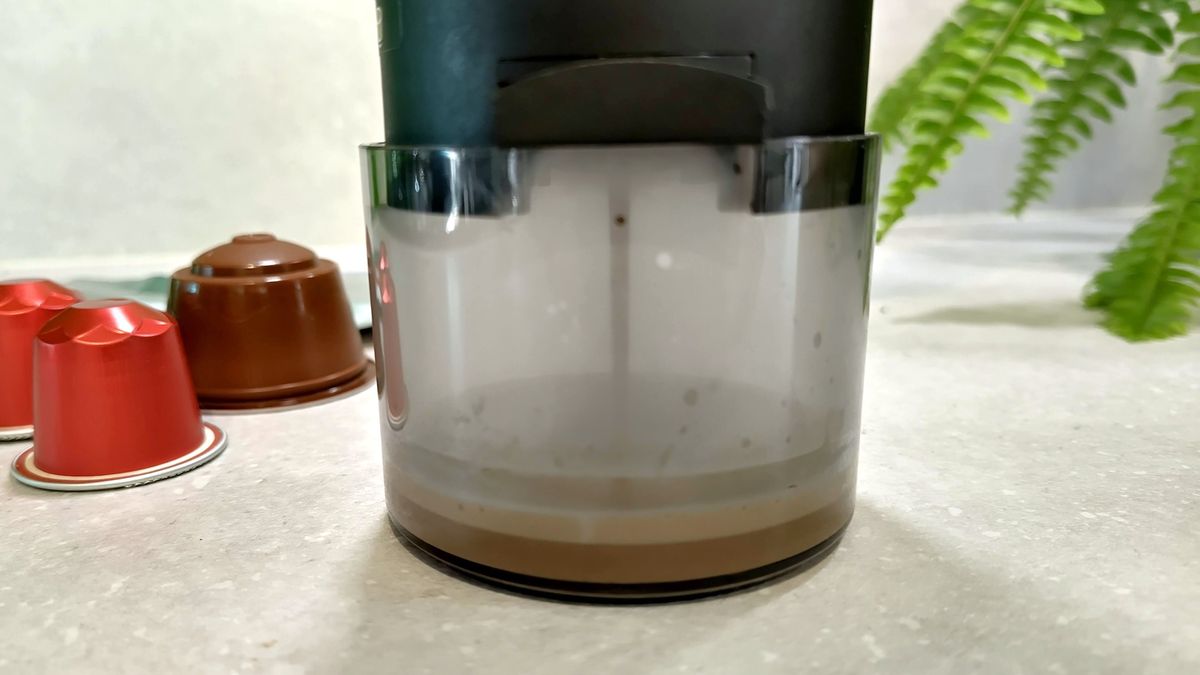
In real-world deployment, the Ecceluxe Go introduces both remarkable conveniences and distinct operational limitations. Utilizing P1 mode to heat cold water from scratch requires approximately six minutes. While this duration is lengthier than a traditional countertop machine, it is entirely acceptable given the physical constraints of a miniature heating element and a compact battery cell. During outdoor excursions, hikers and campers can initiate the cycle and attend to campsite setup while the machine works autonomously. A prominent acoustic alert sounds upon completion, followed by an automatic shut-off feature.
Power consumption, however, is a critical variable. Operating in self-heating P1 mode heavily depletes the internal cell, yielding only two to three complete extraction cycles per full charge. Consequently, extended off-grid expeditions will necessitate a supplementary portable power station or solar charger to maintain continuous operation.
Conversely, switching to P2 mode with pre-boiled water minimizes energy consumption while retaining consistent pressure and extraction quality. Cleanup is notably streamlined: the detachable adapters, brewing base, and included drinking cup can be rapidly hand-washed with warm water and air-dry within minutes, avoiding the complex maintenance routines typical of larger espresso systems.
Despite its engineering achievements, field testing highlights minor ergonomic vulnerabilities. The touch-sensitive LED control panel, while responsive and informative, lacks a physical locking switch. Users handling the device while packing or unpacking frequently trigger accidental power activations, an oversight that could lead to inadvertent battery drain during transit.
Broader Market Implications and Competitive Landscape
The introduction of the Dreame Ecceluxe Go arrives at a time of surging interest in micro-living, van life culture, and specialized outdoor recreation gear. Traditional portable coffee solutions have historically demanded trade-offs: manual hand-pumps like the Wacaco Nanopresso require physical exertion and external water sources, while classic camping setups like the AeroPress Go require an independent stove or kettle to heat water.
By combining self-heating capability, multi-pod adaptability, and USB-C rechargeability into a package no larger than a soda can, Dreame is positioning the Ecceluxe Go as a direct competitor to high-end mobile lifestyle gadgets. While it is fundamentally unsuited for large group gatherings due to its limited battery capacity per charge, it fills a precise niche for solo travelers, backpackers, and urban dwellers with severely constrained kitchen counter space.

As consumer demand shifts toward hyper-portable convenience without sacrificing culinary standards, appliances like the Ecceluxe Go signal a broader evolution in how specialty coffee is consumed away from the traditional kitchen. Once official pricing and broader international availability are confirmed, the device’s market reception will largely depend on how competitively it is positioned against established manual and semi-automatic travel brewers.