Motorola Signature 27 Hands-On Leaks Reveal Groundbreaking Tandem OLED Display and Massive Brightness Capabilities

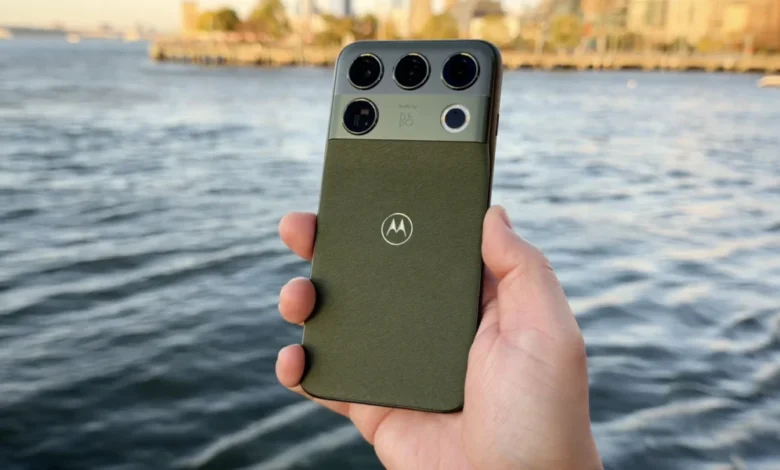
With the official launch of the Motorola Signature 27 scheduled for November 5, 2026, anticipation surrounding the manufacturer’s next-generation flagship has reached a fever pitch. A recent hands-on demonstration conducted by technology reviewer Danny Winget has provided the public with its most detailed look yet at the device’s hardware and core specifications. The reveal confirms that Motorola is aggressively positioning the Signature 27 to compete with the top tier of the premium smartphone market, utilizing cutting-edge display technology and robust thermal engineering to distinguish itself from previous iterations.
The Evolution of Display Technology: The Extreme AMOLED Duo
The most significant takeaway from the recent hands-on analysis is the integration of what Motorola identifies as the "Extreme AMOLED Duo" display. This screen architecture utilizes Tandem OLED technology, a sophisticated method of stacking multiple emissive layers on top of one another to achieve superior longevity, efficiency, and light output compared to conventional single-layer OLED panels.
Tandem OLED technology has been gaining traction in the high-end display market. It was famously adopted in the 2024 Honor Magic 6 RSR and serves as the backbone of the display advancements seen in Apple’s latest "PROLED" MacBook Pro series. By stacking these layers, manufacturers can effectively mitigate the "burn-in" issues associated with long-term high-brightness use while simultaneously achieving peak luminance figures that were previously considered impossible for mobile devices.

According to the leaked technical documentation and hands-on testing, the Motorola Signature 27 is set to feature a peak brightness of 12,000 nits. While peak brightness in mobile displays is often measured under specific, small-window conditions, a figure of this magnitude represents a significant leap forward in display engineering. This level of output ensures that the screen remains perfectly legible even under the most direct, harsh sunlight, effectively neutralizing glare that plagues lesser displays. The integration of curved glass further complements this display, providing a premium aesthetic and an immersive viewing experience that aligns with the expectations of the ultra-premium segment.
Design Language and Hardware Sophistication
Beyond the screen, the physical architecture of the Signature 27 signals a departure from the more utilitarian designs of Motorola’s past. The hands-on footage reveals a device that emphasizes texture and tactile feedback. The back panels, shown in two distinct color variants, feature a specialized finish that suggests a focus on ergonomics and grip, moving away from the fingerprint-prone glass backs that have become standard across the industry.
Internal cooling remains a critical focus for flagship devices as processors become more powerful. The Motorola Signature 27 incorporates an advanced thermal management system, featuring a vapor chamber that is reportedly 40% larger than its predecessor. While the baseline for that comparison remains undisclosed, the presence of such a significantly expanded cooling footprint indicates that the internal chipset—likely the latest silicon from Qualcomm—is expected to maintain high performance over extended periods, such as during high-fidelity gaming or long-form 8K video recording.
Battery performance is another area where Motorola is betting on substantial, if not yet fully quantified, improvements. While the specific milliamp-hour (mAh) capacity has not been finalized in public documentation, the manufacturer has characterized the power cell as "sizable." This suggests a commitment to ensuring that the power-hungry nature of a 12,000-nit display does not result in compromised daily usability.

Chronology of the Signature 27 Development
The trajectory leading to the November 5 launch has been marked by a series of controlled leaks and strategic announcements designed to build momentum.
- Mid-October 2026: Initial rumors regarding the "Signature" branding began to circulate within the enthusiast community, suggesting that Motorola intended to move away from the traditional numeric naming schemes used for its Edge series.
- Late October 2026: Motorola officially confirmed the November 5 launch date, positioning the device as the cornerstone of their late-year portfolio.
- October 30, 2026: The formal announcement confirmed the official date, sparking a wave of speculation regarding the camera optics and display prowess.
- Early November 2026: The hands-on video from Danny Winget provides the most concrete evidence to date, bridging the gap between rumor and reality.
Broader Market Impact and Competitive Landscape
The release of the Signature 27 comes at a pivotal time for the smartphone industry. As the pace of hardware innovation has slowed, manufacturers have been forced to iterate on specific "hero features" to justify the rising costs of flagship devices. By focusing on Tandem OLED and unprecedented peak brightness, Motorola is attempting to create a "display-first" value proposition.
This strategy puts the company in direct competition with the established duopoly of Samsung and Apple, both of which have been heavily investing in display brightness and energy efficiency. The inclusion of such high-end specifications suggests that Motorola is targeting the "prosumer" segment—users who demand professional-grade color accuracy and visibility regardless of environmental lighting conditions.
Furthermore, the emphasis on a larger vapor chamber reflects an industry-wide trend toward sustained performance. Modern mobile gaming and intensive AI-driven software tasks generate significant thermal output; if Motorola can prove that the Signature 27 remains cool under pressure, it could secure a significant advantage in the enthusiast market.

Industry Implications of Tandem OLED Adoption
The adoption of Tandem OLED by a major player like Motorola suggests that the supply chain for this technology is maturing. Initially, the cost and complexity of manufacturing stacked OLED layers limited their use to specialized applications or extremely expensive tablets and laptops. As Motorola integrates this into a mass-marketed flagship, it signals that production costs are beginning to reach a point where they can be absorbed by the smartphone market’s premium tier.
If the 12,000-nit figure holds up under real-world usage and independent testing, it will force competitors to re-evaluate their own display metrics. Currently, most flagship devices hover in the 3,000 to 5,000-nit range for peak brightness. A jump to 12,000 represents an exponential increase that could redefine user expectations for mobile screen quality.
Concluding Outlook
As the November 5 launch approaches, the Motorola Signature 27 appears to be more than just a minor update to the company’s existing lineup. It represents a bold attempt to reclaim the "innovation leader" title through a combination of display superiority, refined industrial design, and a clear focus on the needs of power users.
Industry analysts are now looking toward the pricing strategy. Given the premium components involved—particularly the Tandem OLED panel and the enlarged thermal management system—the device will likely command a price point at the top end of the market. However, if the device delivers on the performance promises made in early reports, the value proposition may prove compelling enough to challenge the market leaders.

For Motorola, a company that has successfully navigated the mid-range market for years, the Signature 27 is a crucial test. It is a declaration that the brand is ready to return to the vanguard of flagship technology, providing a device that is not only competitive but, in specific areas of hardware engineering, potentially market-leading. Consumers and industry stakeholders alike will be watching closely as the official unveiling confirms the final specifications and retail pricing on November 5.