Beelink ME Pro Creator Edition NAS Review: A Compact Powerhouse for Creative Professionals

Beelink has officially expanded its hardware portfolio with the introduction of the ME Pro Creator Edition, a high-performance, four-bay network-attached storage (NAS) enclosure powered by mobile-grade processing architecture. Designed to target creative professionals, video editors, and power users who require robust local storage combined with heavy computational capabilities, the ME Pro series steps into a crowded marketplace dominated by industry veterans like Synology, QNAP, and Ugreen. By integrating desktop-class multi-core processors into a compact, milled aluminium unibody chassis, Beelink aims to redefine expectations for what a small-form-factor storage appliance can achieve.
Hardware Engineering and Design Innovations
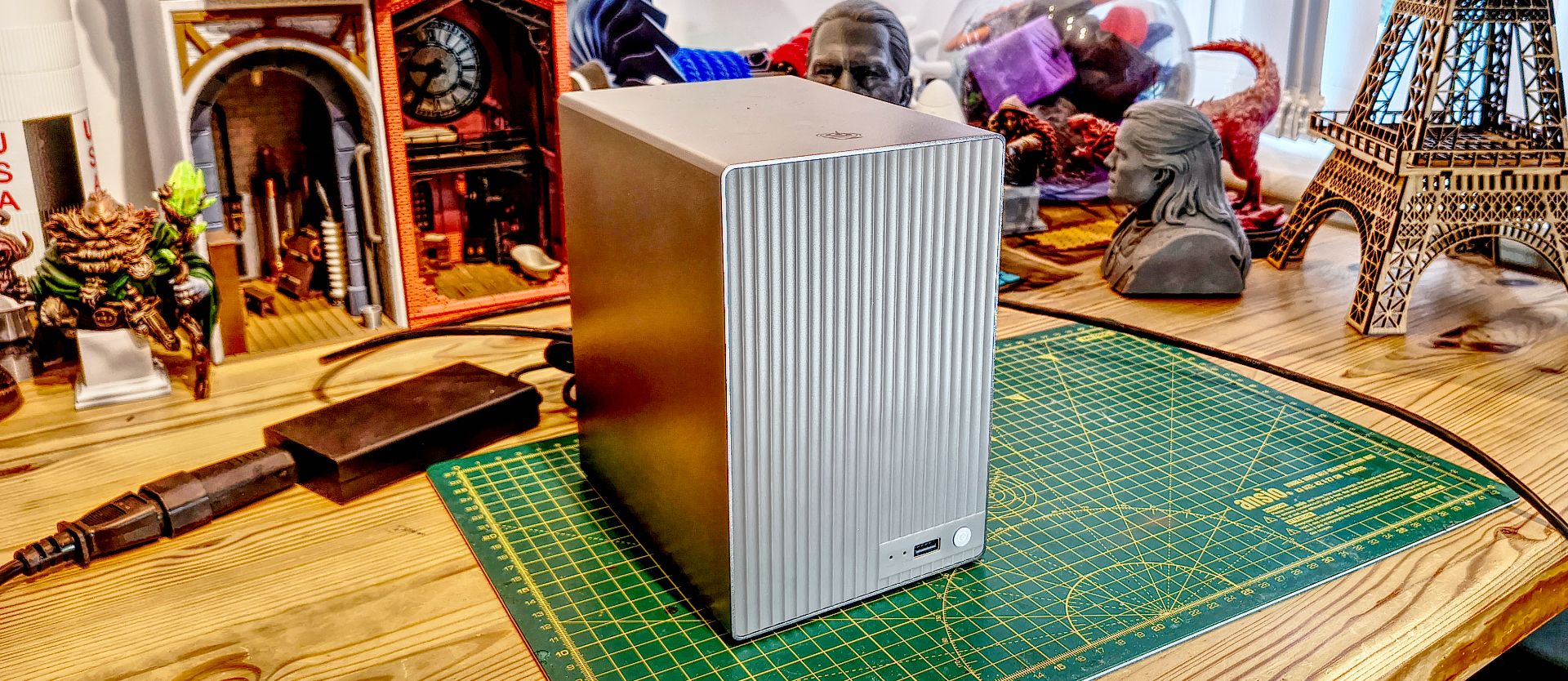
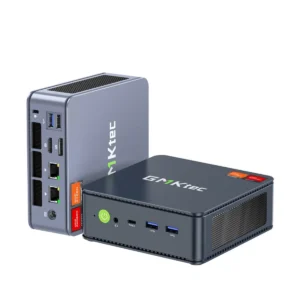
The Beelink ME Pro Creator Edition breaks away from traditional industrial NAS designs by utilizing a compact all-metal unibody structure. Measuring 165 x 121 x 185mm and weighing 2.4 kilograms without drives, the chassis is approximately 50 percent smaller in volume compared to conventional four-bay towers manufactured by competitors. This reduced footprint allows the device to sit unobtrusively on a desktop environment without generating excessive operational noise.
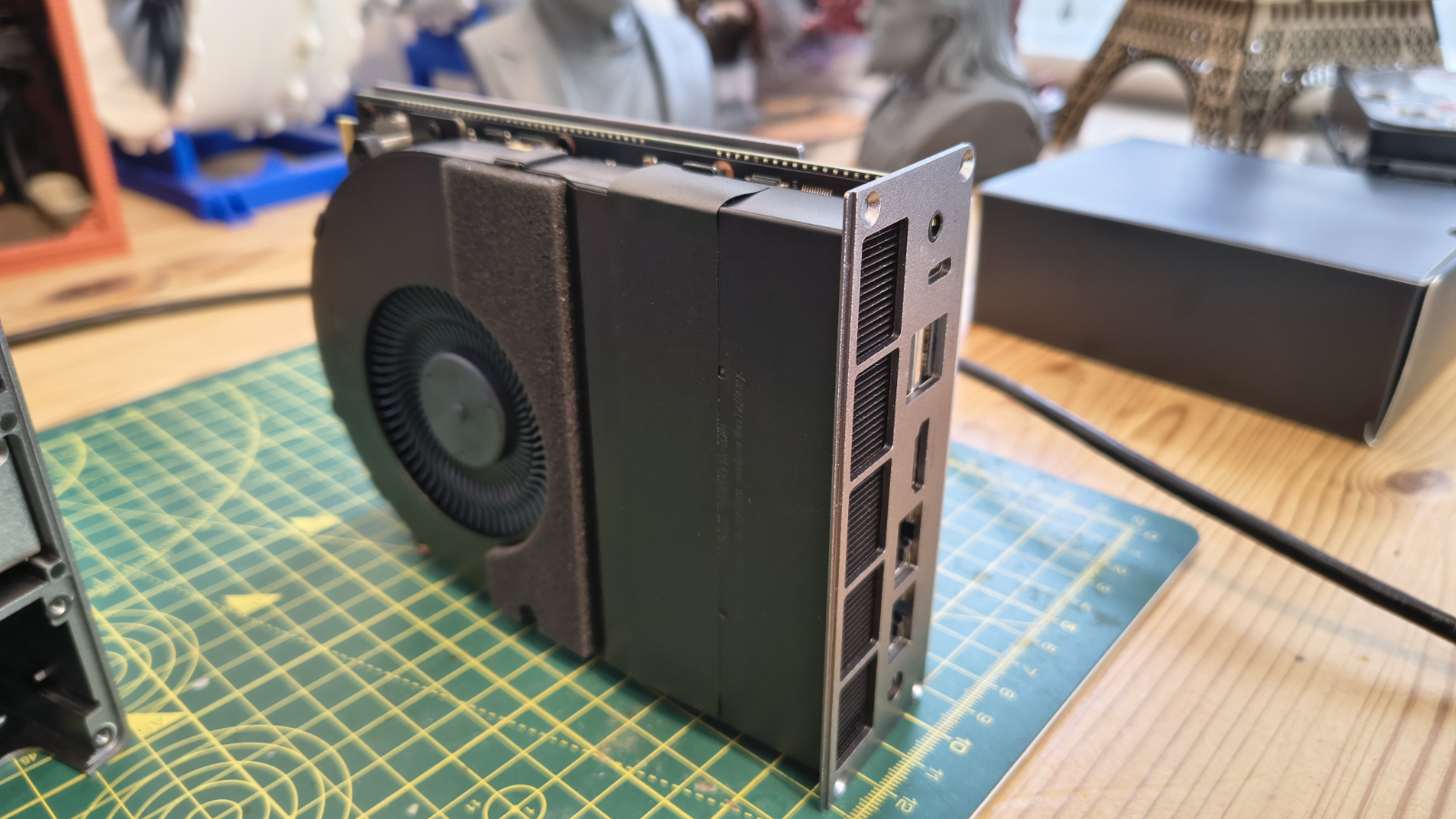
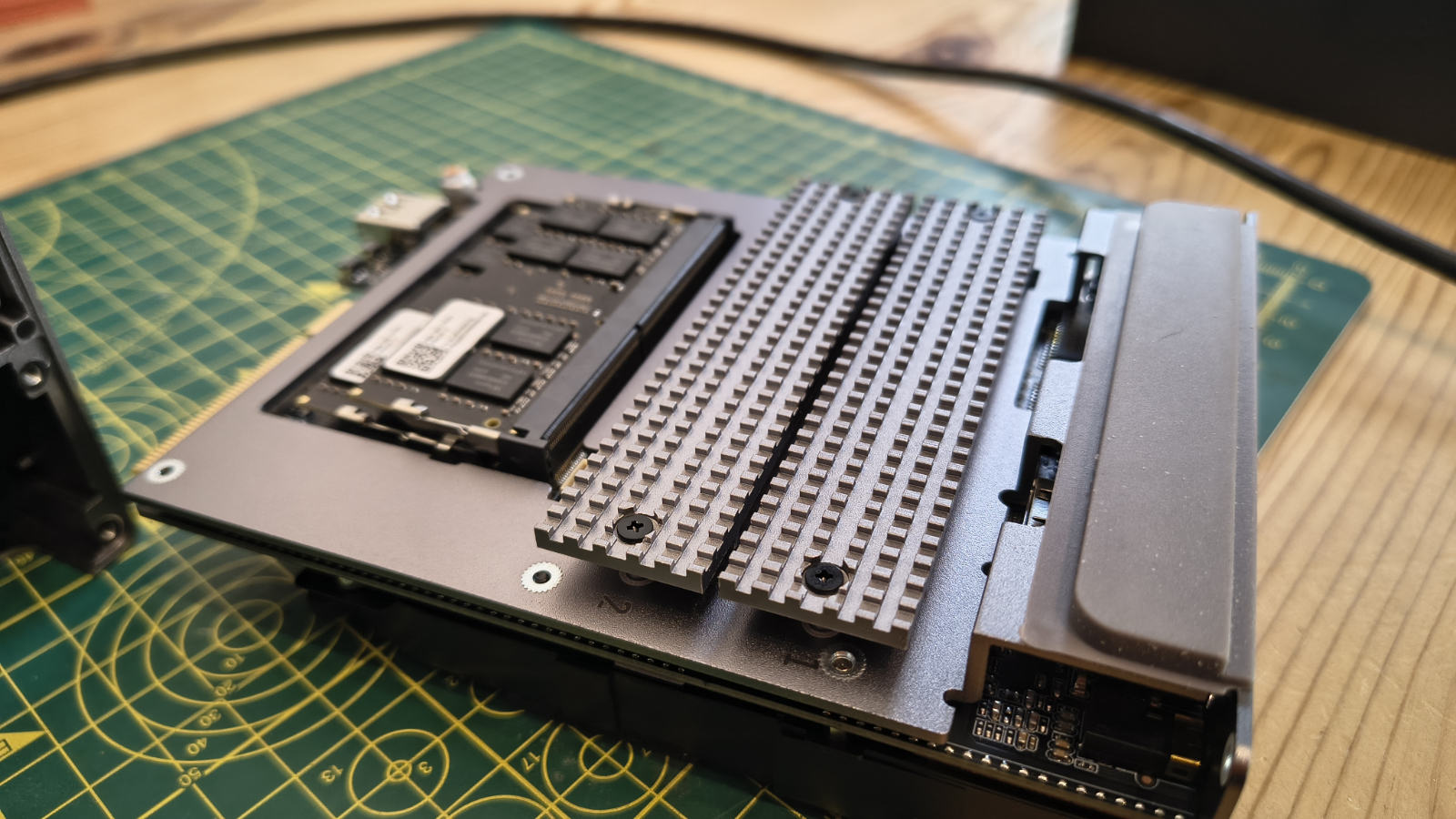
Thermal management within the compact enclosure is handled by an internal blower module situated on the mainboard assembly, which draws in cool air and forces it across internal components. The milled aluminum frame doubles as a passive heat radiator. Furthermore, Beelink has incorporated silicone dampening mounts on either side of each drive bay, as well as between the chassis and the motherboard tray, effectively minimizing vibrational resonance and mechanical noise during intensive disk read and write operations.
The internal architecture adopts a modular drawer-style concept, allowing the motherboard tray to slide out smoothly for maintenance or potential future upgrades. This approach simplifies component access significantly compared to standard, tightly packed NAS builds. However, the design does feature minor ergonomic compromises. Drive installation requires manual securing with small screws rather than employing a completely tool-less mechanism, a trade-off chosen by engineers to preserve the unit’s minimal external dimensions.
Processing Power and Technical Specifications
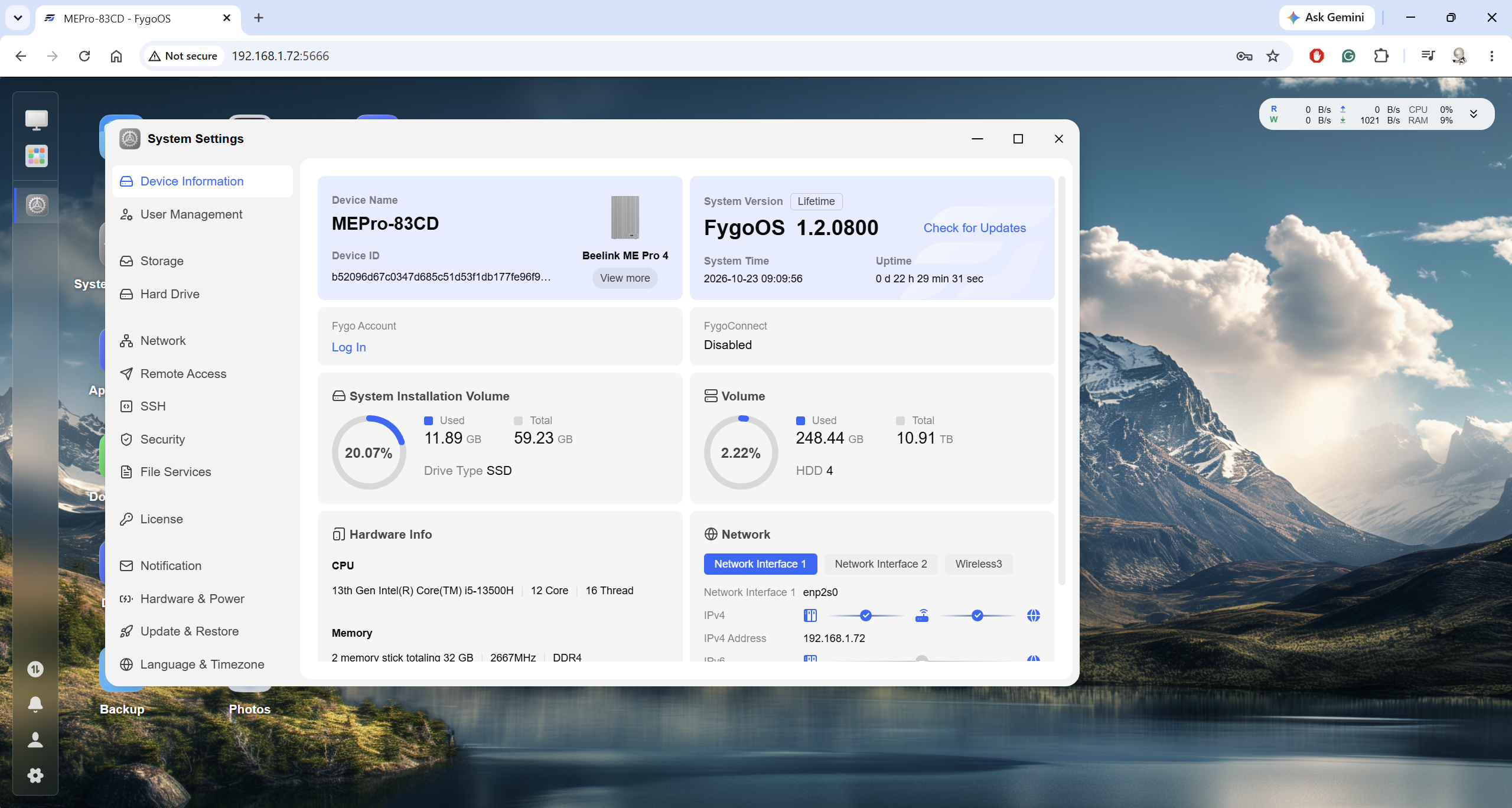
The flagship review unit of the ME Pro Creator Edition is driven by the Intel Core i5-13500H mobile processor. This silicon features a hybrid architecture comprising 12 cores—four performance-cores equipped with hyper-threading and eight efficient cores—alongside 16 threads. With a base thermal design power (TDP) of 45W, the processor can scale dynamically, with performance cores boosting up to 4.7 GHz and efficient cores reaching 3.5 GHz. All cores share an 18MB Intel Smart Cache.
The review configuration arrives with 32GB of DDR4-3200 memory, distributed across two 16-core modules, with a maximum capacity ceiling of 96GB utilizing dual 48GB modules. Graphics processing is handled by integrated Intel Iris Xe graphics featuring 80 execution units.
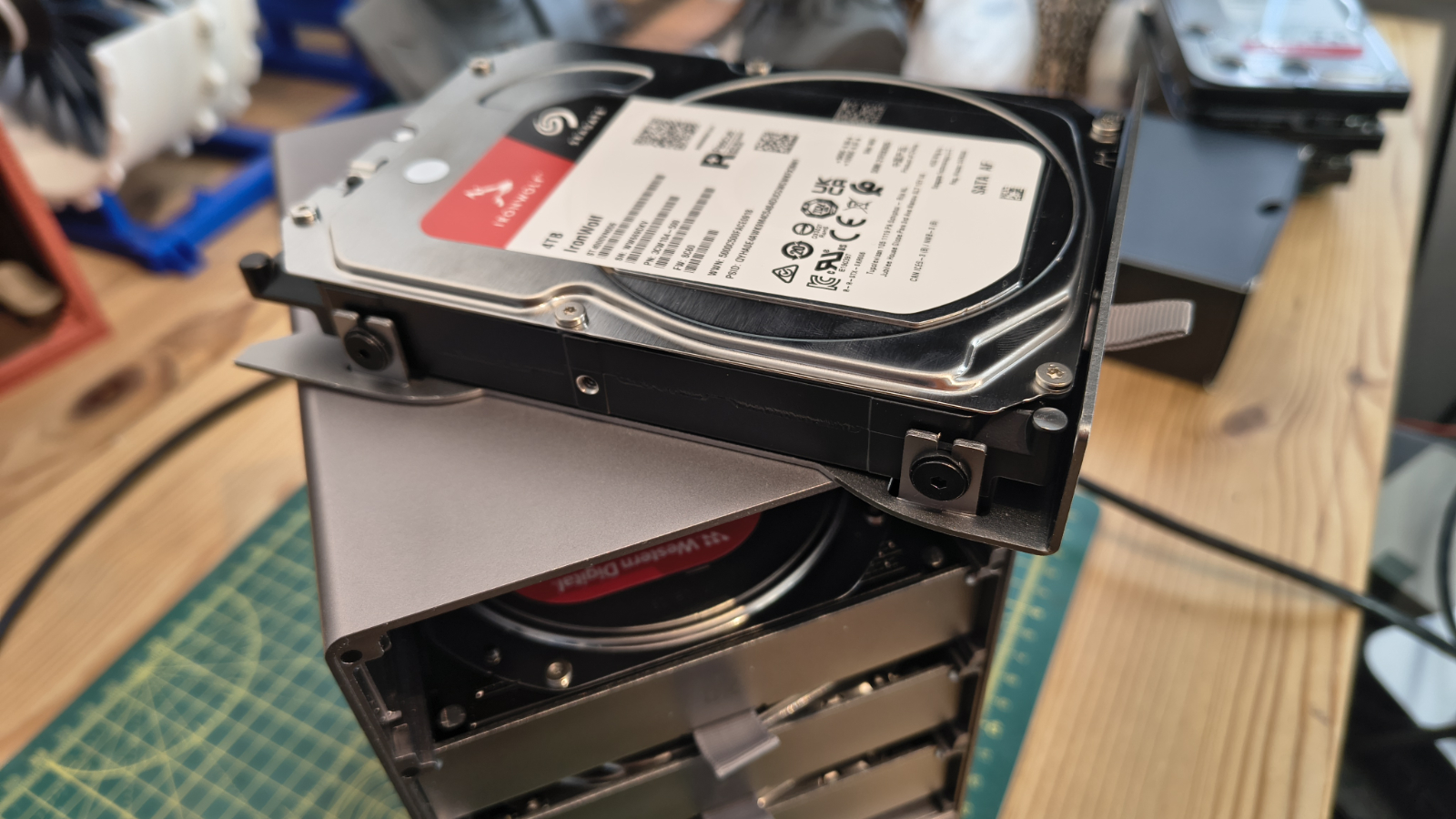
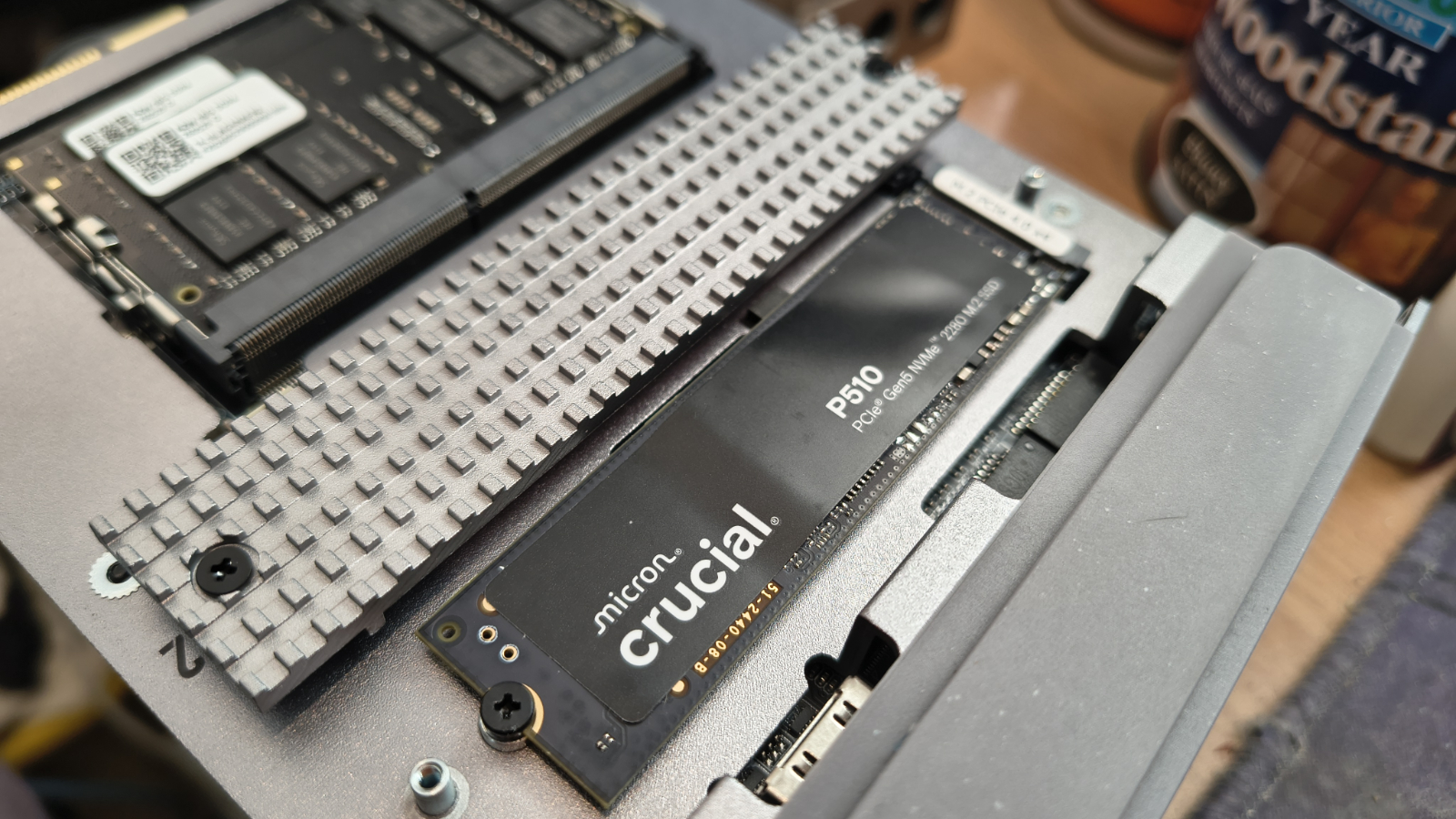
Storage capabilities are exceptionally versatile. The chassis accommodates up to four 2.5-inch or 3.5-inch SATA hard disk drives or solid-state drives. Additionally, the unit features four M.2 NVMe storage slots—two supporting PCIe Gen4 x4 speeds with large dedicated heatsinks for high-speed caching or primary storage, and two PCIe Gen3 x2 slots, one of which houses the operating system boot drive. The platform supports multiple RAID configurations, including Basic, Linear, RAID 0, 1, 5, 6, and 10, with internal file system support encompassing BTRFS, EXT4, and ZFS.
Pricing, Configuration Tiers, and Kickstarter Launch Strategy
The Beelink ME Pro series is being introduced to the market via a Kickstarter crowdfunding campaign, utilizing a tiered pricing structure alongside Super Early Bird discounts. Because the hardware is initially launching through crowdfunding, prospective buyers must account for the standard risks associated with campaign fulfillment timelines.
The product lineup spans multiple performance brackets, catering to both budget-conscious home users and high-performance professionals. The entry-level J5005 model starts at a Super Early Bird price of $369 (list price $529), followed by the N95 model at $489 ($699 list) and the N150 model at $539 ($769 list). Stepping up to mid-range configurations, the Intel Core 3 304 is priced at $769 ($1,099 list), while the flagship Intel Core i5-13500H review unit is available for $819 during the Super Early Bird phase, rising to a retail list price of $1,169.
For users prioritizing advanced artificial intelligence workloads, Beelink offers high-end AMD Ryzen configurations. The Ryzen AI 7 H 350 model is priced at $1,049 ($1,499 list), while the top-tier Ryzen AI 9 HX 470 variant is listed at $1,379 ($1,969 list). To incentivize early backers, Beelink introduced a promotional $10 VIP deposit prior to launch, granting backers a free four-bay upgrade if they pledge for a two-bay tier machine.
Software Ecosystem: FygoOS Integration
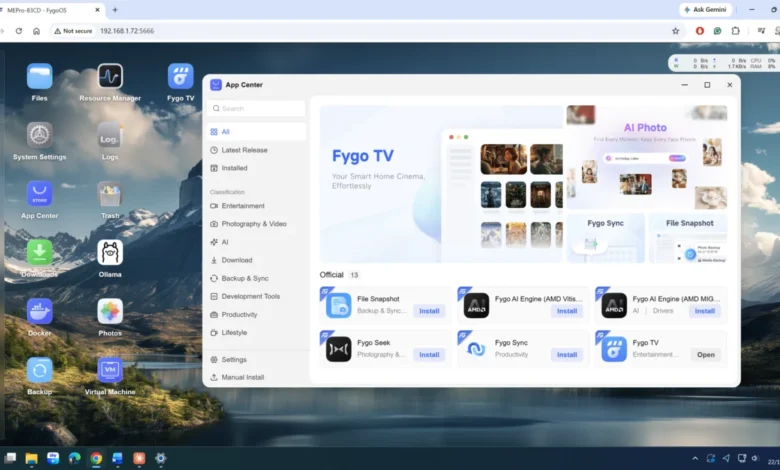
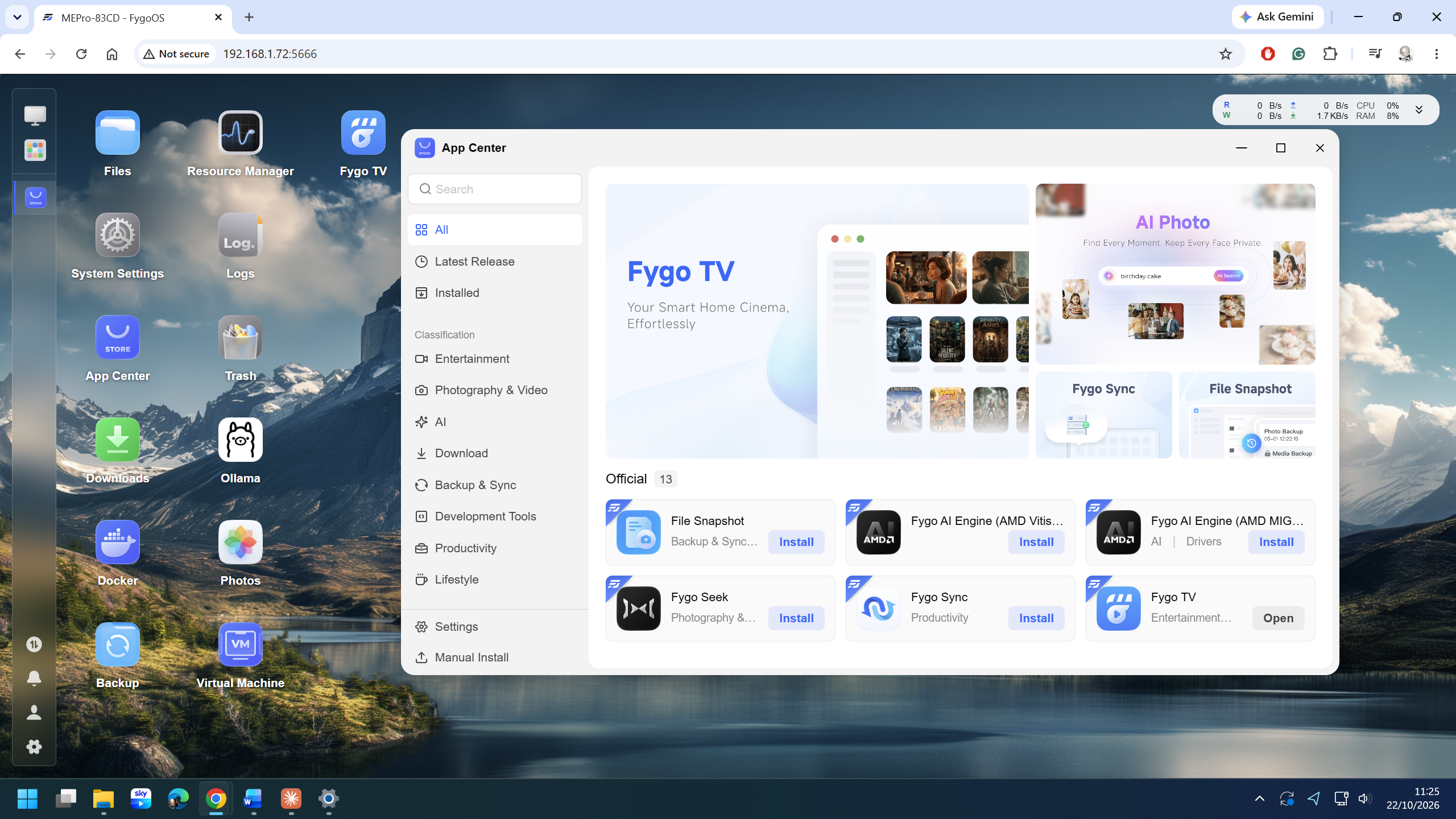
At the operational core of the ME Pro is FygoOS, the international iteration of a proprietary NAS operating system originally developed in China under the name fnOS (Feiniu Private Cloud). Built upon a closed-source Debian Linux foundation, FygoOS aims to bridge the gap between beginner-friendly accessibility and advanced administrative control.
During testing with version 1.2, the operating system demonstrated a high degree of maturity, featuring one-click application installation and streamlined updates across media, productivity, backup, and virtualization categories. Notably, FygoOS is one of the few hardware-bundled operating systems to natively support the advanced ZFS file system out of the box, a feature typically restricted to enterprise environments or custom installations of TrueNAS and Unraid.
The platform includes comprehensive media management utilities, such as AI-driven photo search utilizing facial recognition, and an automated metadata-matching private cinema application supporting real-time hardware transcoding. Furthermore, the system introduces a collaborative media workspace tailored for creative teams, allowing users to preview high-resolution video, audio, documents, and 3D assets directly within a web browser without requiring local file downloads.
However, software implementation has certain limitations. Despite featuring a 4K-capable HDMI port, the current iteration of the FygoTV application does not support direct media playback to a television monitor—a capability found in competing appliances from Ugreen and Asustor. Additionally, while the personal tier of FygoOS features are permanently included, advanced business-tier capabilities operate on a subscription model after an introductory six-month free trial period for the Core i5 and Ryzen configurations. Long-term subscription pricing structures have not yet been fully detailed by the manufacturer.
Performance and Network Connectivity
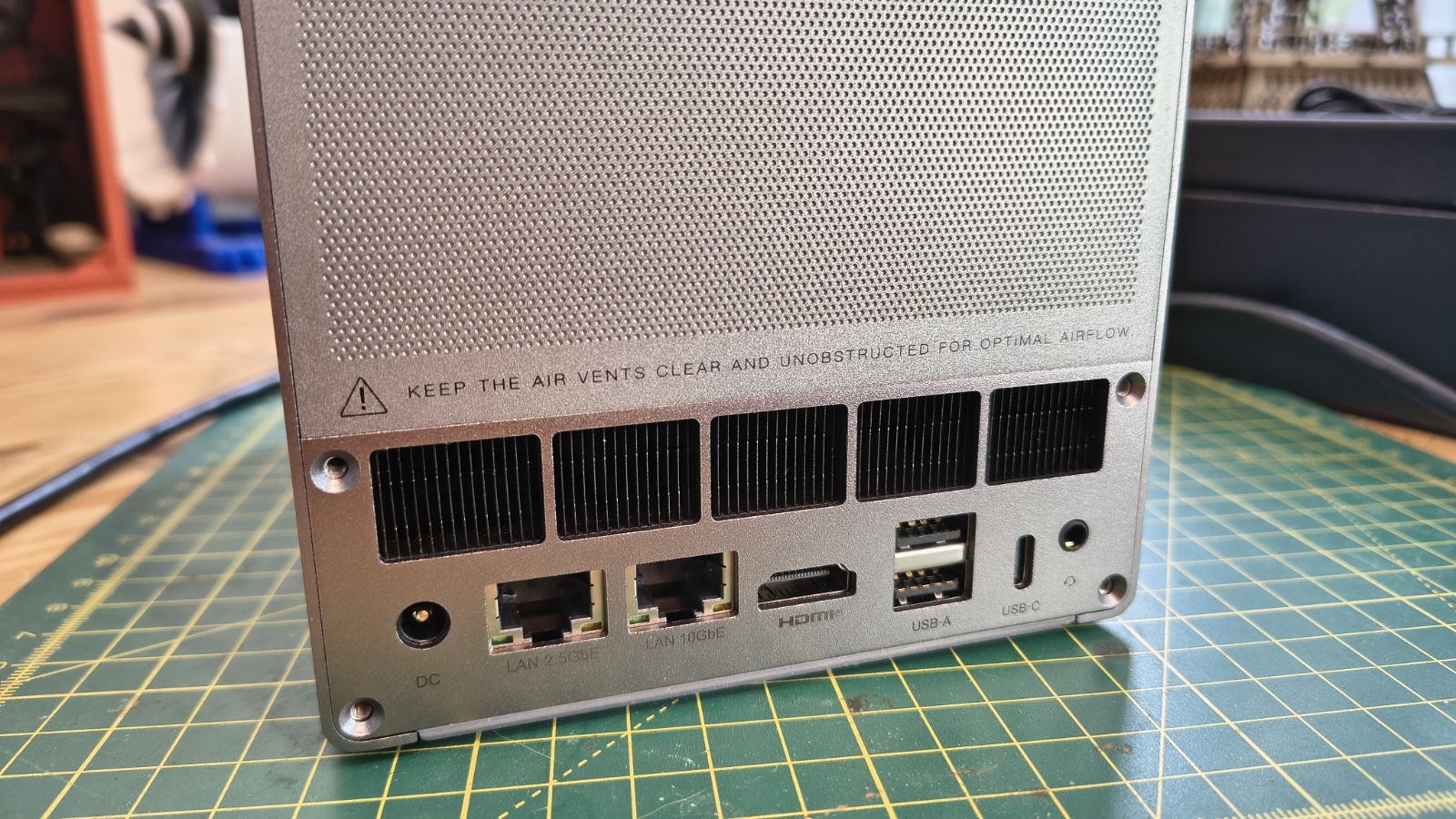
In real-world performance evaluations, the hardware architecture proves exceptionally robust for heavy data movement. Equipped with a 10GbE LAN port and a secondary 2.5GbE LAN port, the ME Pro can sustain massive data throughput when paired with high-speed SSD configurations. During file transfers over a 10GbE network using a RAID 5 disk array, data transfer speeds regularly approached line limits, while CPU utilization remained minimal, hovering under 10 percent during standard file indexing and transfer tasks.
The inclusion of a Thunderbolt 4 port provides an additional 40Gbps connection avenue, though host-mode direct laptop connectivity remains listed as a feature under active development on the official FygoOS roadmap. Virtualization performance is exceptionally strong; backed by up to 96GB of DDR4 memory and an Intel multi-core processor, the device effortlessly manages multiple simultaneous virtual machine instances and Docker containers.
While the Intel Core i5-13500H model lacks a dedicated neural processing unit (NPU) found in the higher-end AMD Ryzen AI configurations, its integrated Intel Iris Xe graphics and processing muscle allow users to run local artificial intelligence language models—such as Gemma via Ollama—directly on the device without cloud dependency.
Competitive Landscape and Market Implications
The four-bay network-attached storage market features established alternatives, including the Ugreen NASync DXP4800 series, the Synology DS925+, and the UniFi UNAS Pro 4. Compared to Synology’s DS925+, which relies on a lower-performance AMD Ryzen quad-core processor and restricts M.2 storage usage to proprietary branded drives, the Beelink ME Pro offers vastly superior raw processing power, extensive RAM expansion limits, and comprehensive multi-gigabit networking interfaces.
Conversely, competitors like Ugreen offer native SMB Multichannel and direct HDMI television output out of the box. The primary hurdle facing Beelink’s offering lies in its status as a crowd-funded Kickstarter product. While the hardware build quality and software execution exceed typical expectations for first-generation market entrants, long-term ecosystem support and hardware reliability will ultimately depend on successful retail channel transition and sustained software updates.
For creative professionals seeking an ultra-compact, highly upgradeable storage server with extensive memory capacity and robust virtualization potential, the Beelink ME Pro Creator Edition presents a compelling alternative to traditional enterprise NAS enclosures, provided buyers are comfortable navigating the inherent uncertainties of a platform launch.