Timothy Soar: Reinventing Practice at the Building Centre highlights the human faces behind British architecture

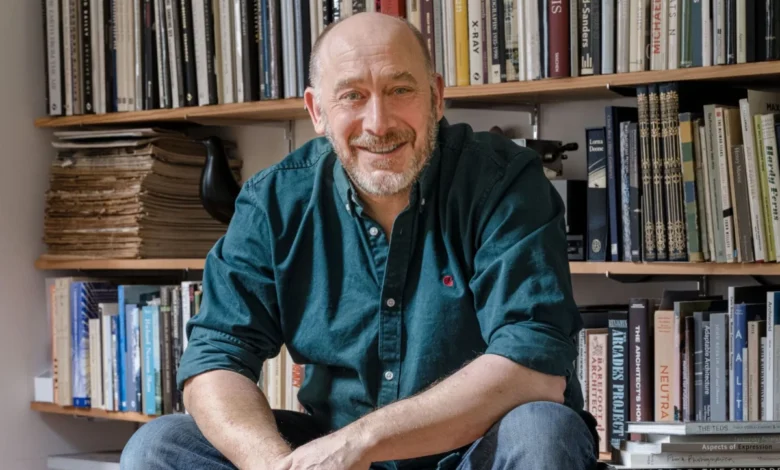
While the public often perceives architecture through the lens of static, finished facades and polished structural steel, acclaimed photographer Timothy Soar is shifting the focus toward the individuals who conceive, design, and inhabit these spaces. His current exhibition, Reinventing Practice, currently on display at the Building Centre in London, serves as a poignant examination of the personalities, professional philosophies, and future-oriented aspirations defining the contemporary British building industry. By cataloging 40 architects at the forefront of the field, Soar’s collection bridges the gap between the built environment and the human intellect responsible for its creation.
A Departure from Traditional Architectural Photography
For decades, the standard for architectural photography has been the "hero shot"—a wide-angle, depopulated view of a structure intended to showcase form, light, and geometry. Soar, however, seeks to expand this photographic vocabulary. "In making the series, I hadn’t really turned away from photographing architecture," Soar explains. "I was trying to extend its photographic language to include the people responsible for making it."
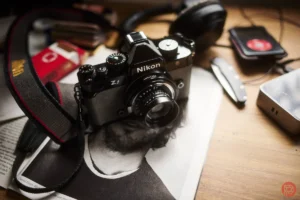
This pivot represents a significant evolution in his career, which began in earnest during the early 2000s. In 2004, the transition from large-format 4×5 transparency film to digital technology marked a turning point. Utilizing his first digital camera, the Canon 1Ds, paired with a specialized tilt-shift lens, Soar discovered a technical fluidity that allowed him to work with greater speed and precision. This shift was instrumental in his ability to capture interiors where human presence felt natural rather than staged, overcoming the inherent logistical challenges of traditional analog large-format photography.
A Chronology of Collaboration
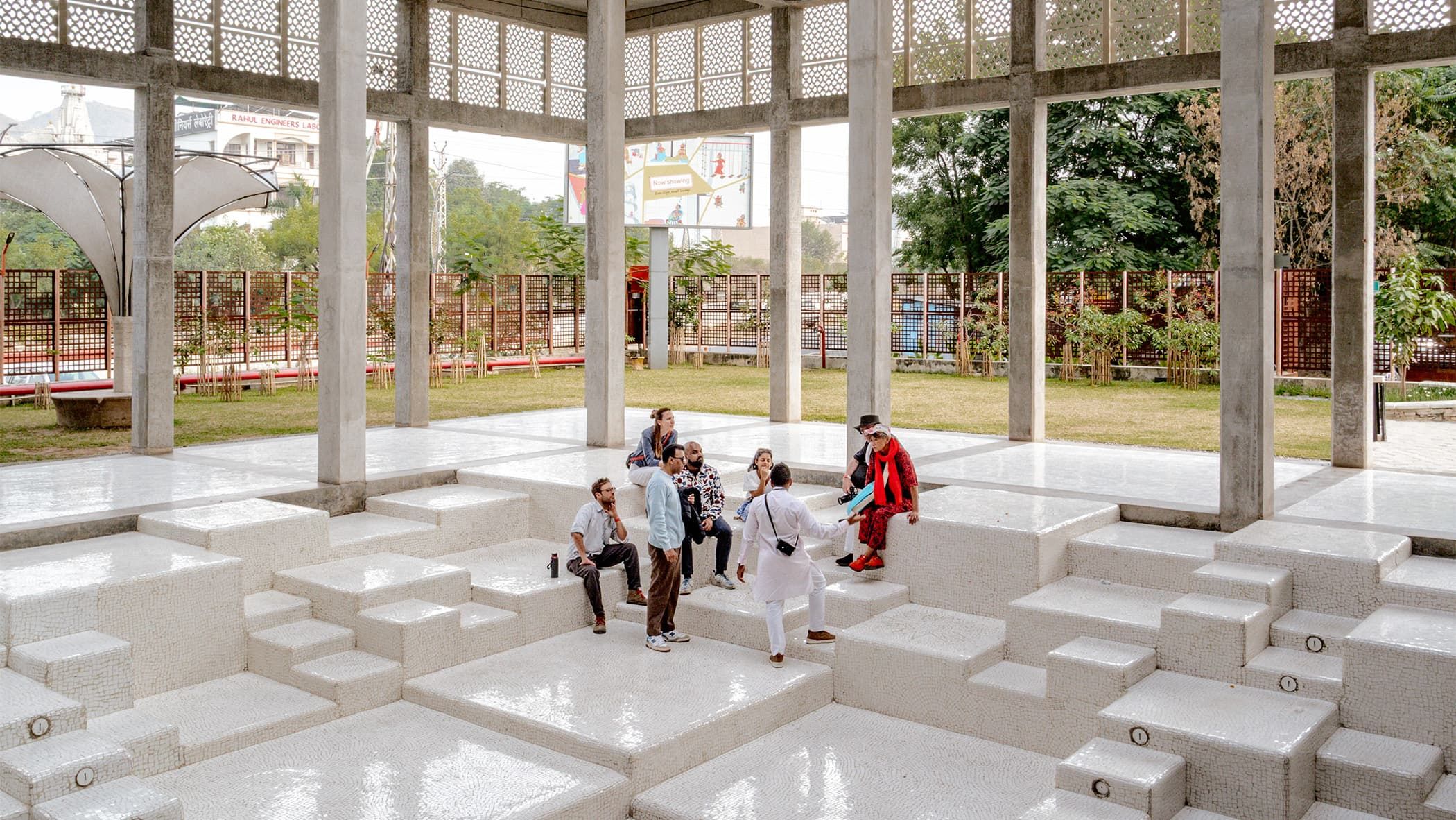
The roots of Reinventing Practice can be traced back to a pivotal collaboration with Isabel Allen, the former editor of the Architects’ Journal (AJ). In 2005, the duo launched the "40 Under 40" project, an initiative designed to identify and celebrate the most promising emerging talent in the United Kingdom. The project, which was featured prominently in the magazine, became a cornerstone of industry discourse.
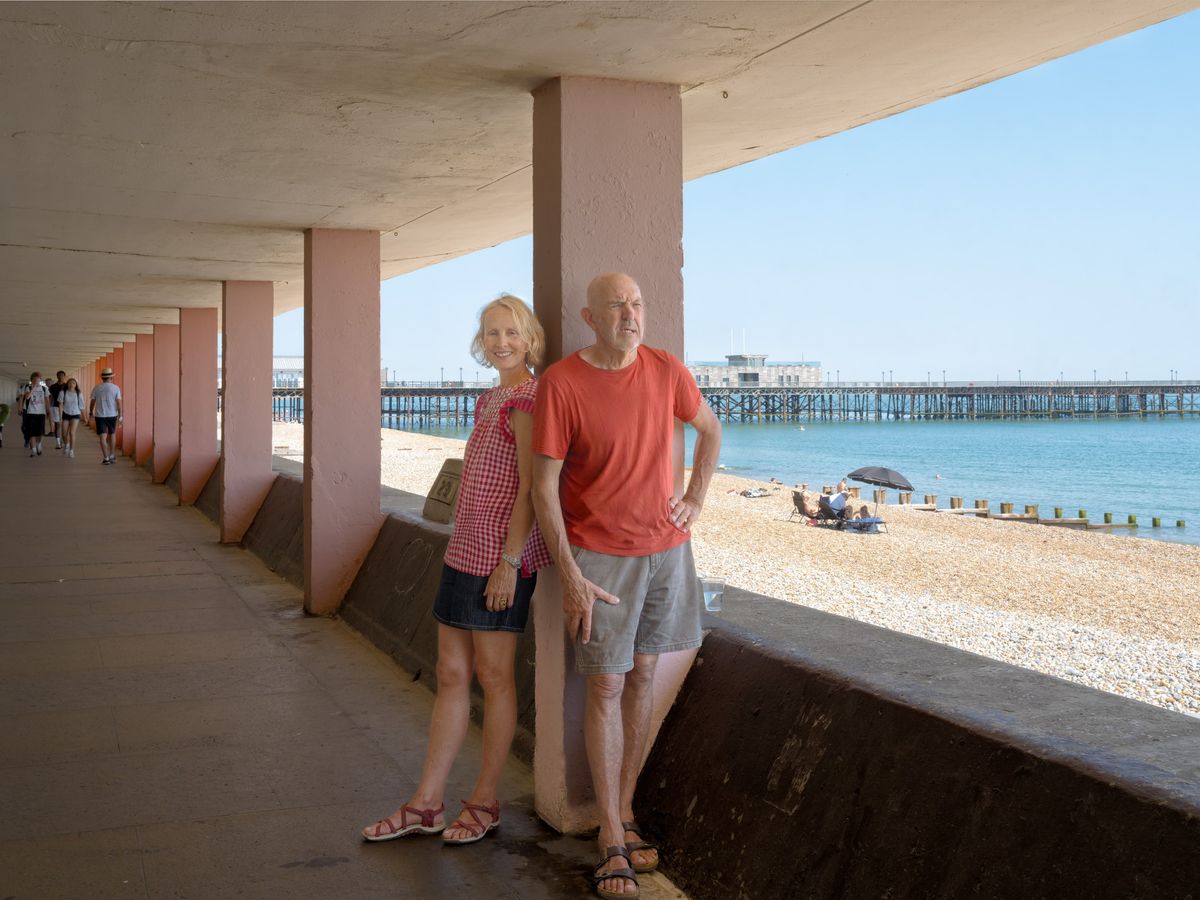
The success of the 2005 feature was not merely aesthetic; it was catalytic. It sparked vigorous debates within the magazine’s correspondence pages, forcing a broader conversation about what it means to be an architect in the 21st century. By moving away from the "stiff" corporate portraiture common to professional magazines, Soar encouraged his subjects to occupy their workspaces in ways that reflected their genuine daily reality. Whether it was architects from MCM Architecture perched casually on compost bags or designers amidst the chaos of a working studio, the portraits emphasized authenticity. This long-standing commitment to humanizing the profession has culminated in the current exhibition, which synthesizes two decades of observation.
Technical Precision and Artistic Intent
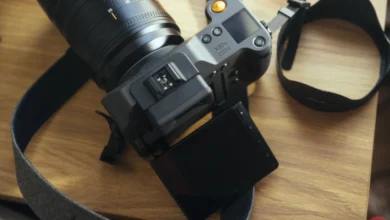
Soar’s approach to portraiture is heavily influenced by his background in structural photography. For the Reinventing Practice series, he employed the Fujifilm GFX 100, a medium-format system known for its exceptional resolution, paired with a Canon TS-E 50mm f/2.8L tilt-shift lens. This choice of equipment was deliberate. By maintaining a consistent lens choice and camera system across the entire project, Soar established a cohesive visual language that ties disparate practices and personalities into a singular narrative.
His technical settings were equally disciplined. He typically shot at ISO 100 with an aperture of f/11, ensuring maximum depth of field to keep both the subject and the architectural context in sharp focus. On several occasions, he utilized shutter speeds as slow as 1/4 or 1/2 of a second, relying on the stability of his equipment to capture the stillness of the environment. This technical rigor reflects his broader philosophy: "I begin by looking for a composition that makes sense of all this, then work out how the person might naturally inhabit it."
The Industry Context: Architecture in an Age of Crisis
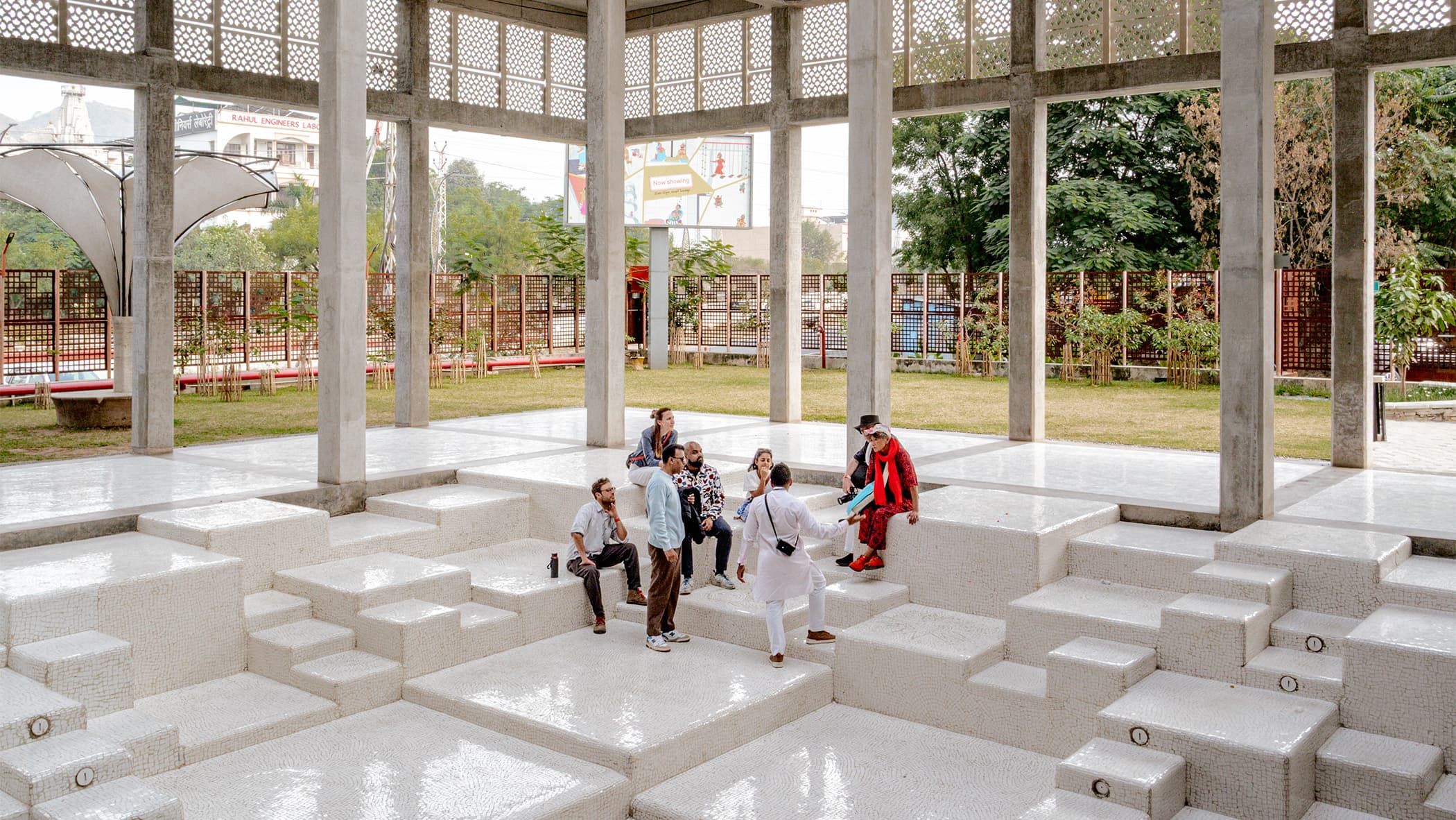
The timing of Reinventing Practice is not coincidental. It forms a central component of the Regenerative Design 2026 program at the Building Centre, an initiative aimed at addressing the existential threats currently facing the construction industry. According to the Royal Institute of British Architects (RIBA), the built environment sector is a primary contributor to carbon emissions and is uniquely vulnerable to the impacts of climate change, including rising temperatures, increased flood risks, and the logistical pressures caused by demographic shifts and mass migration.
The architects featured in Soar’s exhibition are not merely subjects; they are protagonists in a climate-conscious narrative. Soar observes that these professionals are operating at the "leading edge" of a world forced to adapt to rapid environmental degradation. Their work involves rethinking material lifecycles, energy efficiency, and urban density. "I think what I’ve learnt is how optimistic, engaged, and positive these architects are," Soar notes. "How much they have to contribute to the debate, and the extraordinary range and imagination of the solutions they’re developing."
Implications for the Future of Practice
The implications of Soar’s work are profound for both the architecture and photography communities. By highlighting the human element, he challenges the industry to move beyond the aesthetic obsession with "iconic" buildings and focus on the ethical and social responsibilities of the profession.
Data from recent RIBA reports indicates that the industry is in the midst of a paradigm shift. With the push toward "net-zero" building standards, the role of the architect has moved from that of a pure aesthetician to a systems thinker, tasked with balancing environmental constraints with human habitability. The optimism that Soar documents serves as a counterweight to the often grim statistics surrounding the climate crisis. It suggests that the future of the built environment lies in the hands of individuals who are willing to reimagine traditional practice, favoring collaborative, sustainable, and adaptive solutions over the rigid, monolithic structures of the past.
A Call to Observation
Visitors to the Building Centre have until October 30 to view the exhibition. The installation is designed to encourage a reflective pace, mirroring the intentionality of Soar’s photography. It serves as an invitation to the public to look past the superficial appeal of architecture and engage with the values of those who create it.
As the construction industry continues to navigate the complexities of a changing climate, the "reimagining" of practice—as suggested by the title of the exhibition—will likely become a necessity rather than an option. Through his lens, Timothy Soar has provided a testament to the resilience and ingenuity of the architectural profession. The exhibition stands not just as a display of portraits, but as a documentation of a pivotal moment in the history of design, where the urgency of environmental change meets the creative potential of human vision.
By capturing the architects in their native environments, Soar strips away the pretension often associated with the high-end architectural world. In doing so, he reveals a profession that is deeply human, undeniably vital, and fundamentally optimistic about the challenges that lie ahead. Whether it is through the innovative use of sustainable materials or the retrofitting of aging urban infrastructure, the architects in Reinventing Practice represent a generation that is redefining the very nature of their craft.
For those interested in the technical aspects of the work, the exhibition also serves as a masterclass in environmental portraiture. It highlights the importance of the relationship between subject and photographer, demonstrating that great imagery is as much about psychological insight as it is about optical performance. As the industry looks toward the next decade of development, the work of Timothy Soar will remain a vital reference point, documenting the faces and the thoughts of those who are quite literally shaping the future of the world we inhabit.