Apple Watch Ultra 4 Introduces the Readiness Bezel: A Deep Dive into Health Tracking Customization

The relentless evolution of wearable technology has steadily shifted the primary value proposition of smartwatches from simple notification relays to sophisticated, proactive health and wellness monitors. With the release of the Apple Watch Ultra 4 alongside the Apple Watch Series 12, Apple has taken a significant stride toward actionable health intelligence. Central to this update is the introduction of the new Readiness app and a specialized interface integration exclusive to the rugged high-end model: the Readiness bezel option. Designed for athletes, outdoor adventurers, and health-conscious consumers who demand continuous physiological tracking, this new feature bridges the gap between raw biometric data and daily training performance.
Understanding the Foundation: The New Readiness App
To fully appreciate the utility of the Readiness bezel on the Apple Watch Ultra 4, one must first examine the software ecosystem that powers it. Both the Apple Watch Series 12 and the Apple Watch Ultra 4 debut the brand-new Readiness app, a comprehensive analytics dashboard designed to process an array of biometric inputs and distill them into a single, cohesive numerical score.
For years, the fitness tracking industry has grappled with how to quantify physical recovery effectively. While proprietary metrics like "Recovery Score" or "Body Battery" have existed on competing platforms from Garmin, Oura, and Whoop, Apple’s ecosystem approach aggregates a remarkably broad spectrum of health indicators. The Readiness app calculates its score by synthesizing two primary categories of data: overnight physiological baselines and daytime recovery metrics.
Overnight vitals serve as the anchor for the morning score. During sleep, the watch continuously monitors resting heart rate, respiratory rate, wrist temperature deviations, and recovery Heart Rate Variability (HRV). These metrics provide a window into the autonomic nervous system, indicating how well the body is handling systemic stress, fighting off potential illness, or adapting to physical training loads. Once the user is awake and active, the app continues to factor in daytime vitals, including ongoing heart rate trends and recovery HRV, to update the user’s strain-to-recovery balance dynamically as the day progresses.
The Ultra Advantage: Exclusive Bezel Configuration
While standard Apple Watch Series 12 models benefit from the analytical insights of the Readiness app, Apple has reserved a more immersive interface implementation for its flagship rugged wearable. The Apple Watch Ultra line has always distinguished itself from standard aluminum and steel counterparts through exclusive watch faces, unique color palettes, specialized typography, and signature bezel-type complications that leverage the larger, flat sapphire crystal display and titanium chassis.
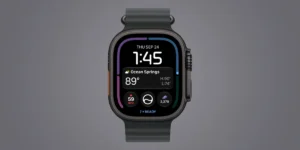
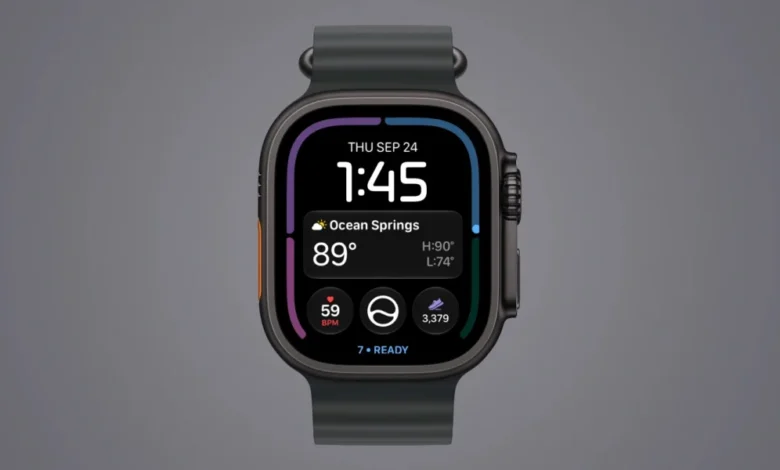
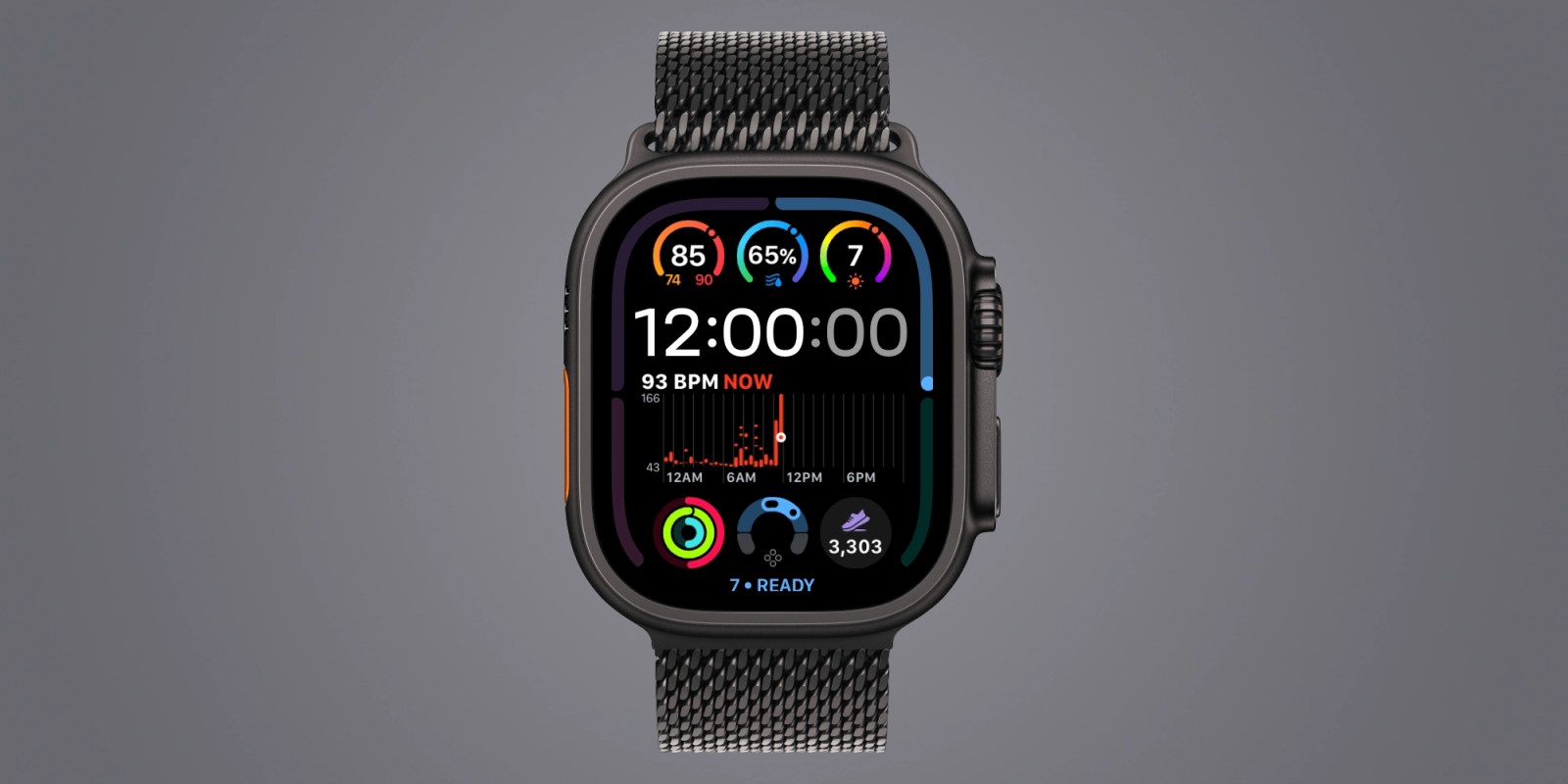
With the Apple Watch Ultra 4, Apple expands these bezel configuration capabilities by introducing the Readiness bezel option. On supported watch faces—most notably the rugged Modular Ultra and the newly introduced Siri Modular face—users can now wrap their physiological data directly around the perimeter of the screen.
The mechanics of the Readiness bezel are engineered for at-a-glance legibility in extreme environments. When enabled, the configuration places the user’s exact numerical readiness score alongside a brief descriptive status at the bottom of the watch face. Simultaneously, four distinct graphical bars wrap around the outer edge of the display. These bars represent the diverse sub-categories of the overall readiness score, while a precise indicator dot displays the user’s exact standing within that spectrum.
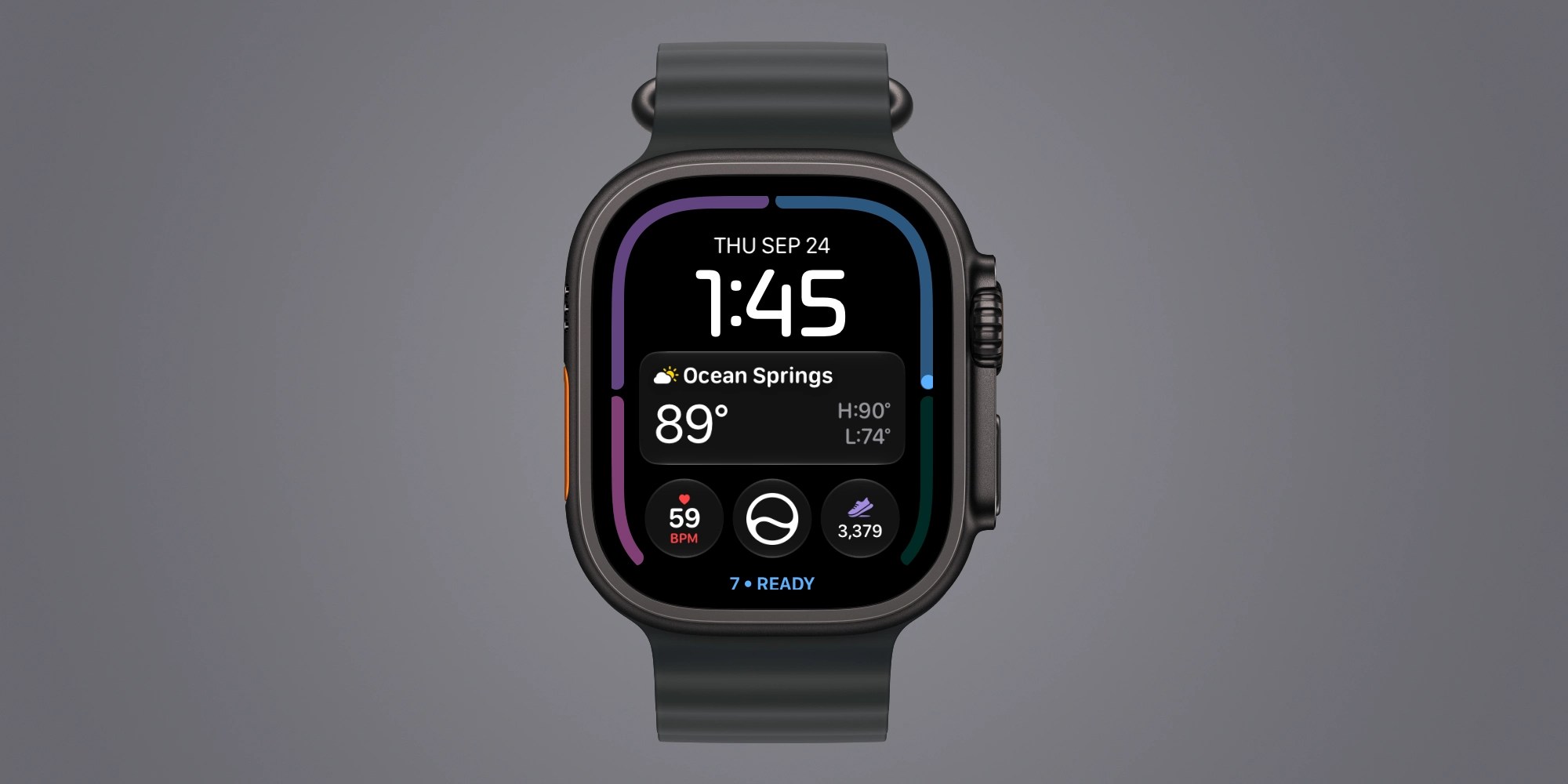
This design choice is particularly advantageous for high-performance users. In high-intensity training scenarios, mountaineering, or endurance racing, stopping to navigate through software menus to check recovery status is impractical. By embedding the readiness metric directly into the watch face’s native geometry, athletes can instantly determine whether to push their limits or prioritize active recovery.
Chronology and Hardware Deployment
The rollout of the Apple Watch Ultra 4 and its companion software features represents the culmination of years of iterative development in sensor technology and machine learning algorithms. The timeline of health tracking on Apple Watch has steadily evolved from basic step counting and continuous optical heart rate monitoring to advanced electrocardiograms (ECGs), blood oxygen saturation (SpO2) tracking, and multi-sensor temperature sensing introduced in previous hardware generations.
In the years leading up to the 2026 hardware cycle, user demand for holistic recovery metrics intensified. Competitors in the dedicated fitness tracker market capitalized on the absence of a native, consolidated readiness score within Apple’s default fitness architecture, driving many users to third-party applications. By developing a native, deeply integrated Readiness app and pairing it with hardware-specific complications like the Ultra 4’s bezel configuration, Apple has closed this feature gap.
The Apple Watch Ultra 4 and Apple Watch Series 12 became available to consumers globally in September 2026, accompanied by major software updates to watchOS that optimized the underlying biometric algorithms. Early adoption metrics indicate strong consumer interest in the rugged lineup, particularly among endurance athletes who rely on the extended battery life and durability of the titanium case.

Fact-Based Analysis of Implications and Industry Impact
The introduction of the Readiness bezel and its underlying application carries several important implications for the wearable technology market, healthcare research, and everyday consumer habits.
From an industry perspective, Apple’s move standardizes recovery scoring as an essential, non-negotiable feature for premium smartwatches. Consumers purchasing a device in the upper echelon of the market now expect continuous, automated guidance on when to train and when to rest, rather than simply being presented with raw workout logs. By integrating this metric directly into the bezel of the Ultra 4, Apple reinforces the philosophy of glanceable, friction-free health data interaction.
Furthermore, the continuous monitoring of daytime and nighttime vitals strengthens Apple’s position in preventive healthcare. While the Readiness score is primarily marketed toward fitness enthusiasts and athletes, the underlying data streams—such as respiratory rate, wrist temperature, and HRV—serve as early indicators of physiological strain or oncoming illness. When users view their readiness score prominently displayed on their watch face throughout the day, they are more likely to notice anomalous drops in their recovery baseline and take proactive measures, such as reducing stress or seeking medical consultation.
However, the proliferation of real-time health scores also introduces psychological considerations. Analysts and wellness experts note that while metrics like readiness are powerful tools for self-regulation, they can occasionally lead to data fatigue or unwarranted anxiety if users become overly reliant on a numerical score to dictate their daily behavior. Apple has attempted to mitigate this by providing descriptive context alongside the raw numbers, helping users interpret trends rather than reacting impulsively to daily fluctuations.

Broader Ecosystem Integration and Future Outlook
The launch of the Readiness bezel on the Apple Watch Ultra 4 does not exist in a vacuum; it is part of a broader, interconnected push across Apple’s entire health ecosystem. The data feeding the bezel configuration is securely processed and stored within the Apple Health app on the paired iPhone, allowing users to analyze long-term trends, seasonal variations, and correlations between sleep hygiene, physical activity, and overall vitality.
Looking forward, industry observers anticipate that the algorithms driving the Readiness app will continue to refine themselves through machine learning, adapting to individual user baselines over time to provide increasingly personalized recommendations. As sensor suites in future iterations of the Apple Watch become even more advanced—potentially incorporating non-invasive glucose monitoring or enhanced hydration tracking—the bezel interface on the Ultra series is expected to adapt, offering modular customization for an even wider array of critical health metrics.
For now, the Apple Watch Ultra 4 stands as a testament to the maturation of the smartwatch category. By marrying rugged hardware design with sophisticated physiological software integration, Apple has provided high-performance users with a tool that not only tracks their physical achievements but actively participates in managing their long-term health and well-being.