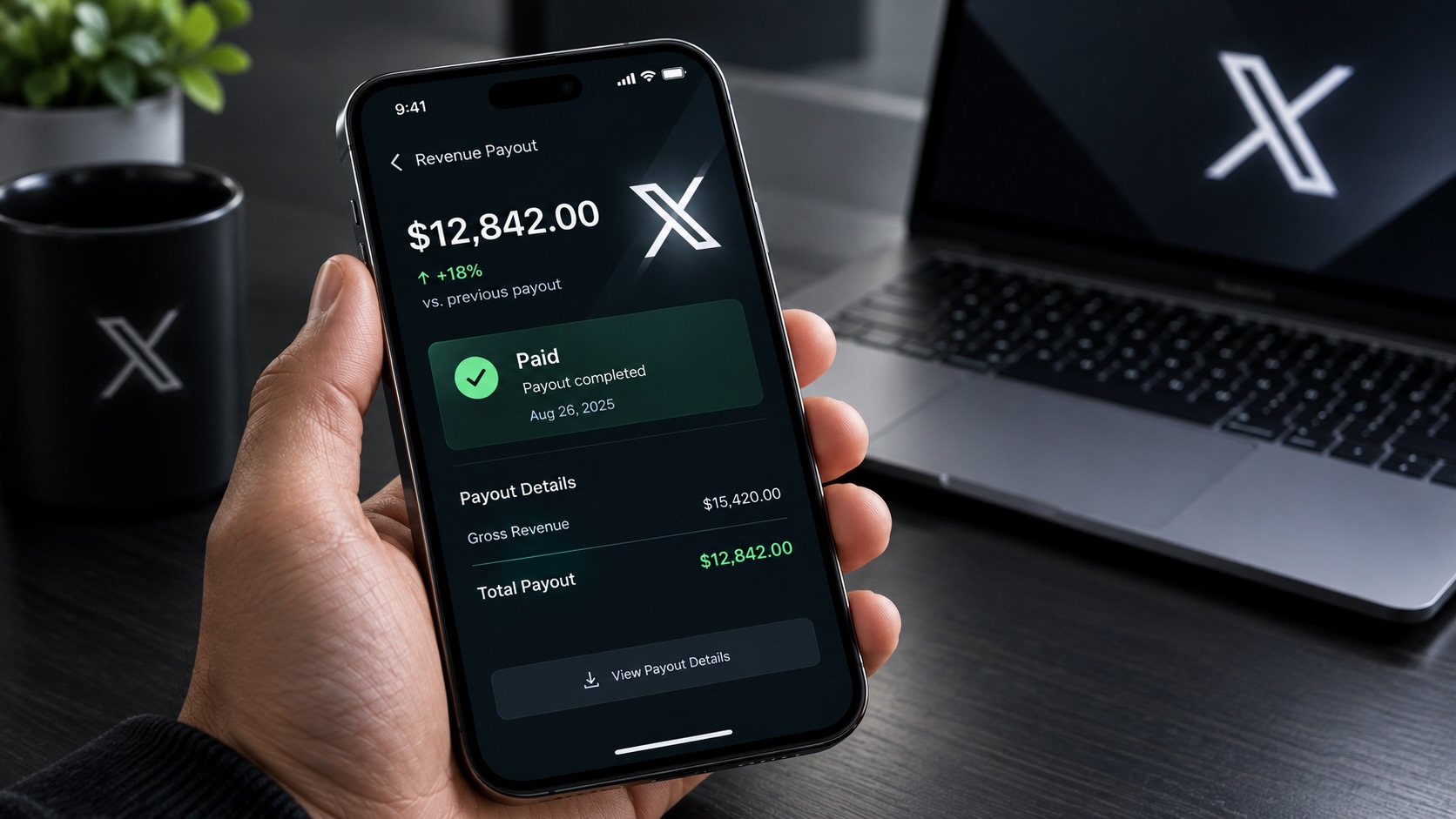
The digital landscape of creator monetization is undergoing a seismic shift, underscored by a high-stakes legal confrontation in the High Court of England and Wales. X, the platform formerly known as Twitter, has initiated litigation against a coordinated network of Bitcoin-focused accounts, marking a pivotal moment in the company’s efforts to purge bad actors from its newly revamped revenue-sharing ecosystem. This lawsuit serves as more than a standard legal filing; it acts as a retrospective audit of the vulnerabilities that plagued the platform’s previous financial models and the aggressive measures now being deployed to ensure the integrity of the creator economy.
The defendants, Vivek Kumar Sen and Zamyang Sherpa, are accused of operating a sophisticated "bot farm" network that systematically exploited X’s engagement-based payout system. According to court documents, the duo allegedly managed at least six specific accounts—including @Vivek4real_, @Bitcoin_Teddy, and @TrendingBitcoin—to manufacture artificial traffic. The mechanics of the operation were simple yet highly effective: the accounts would post nearly identical, sensationalist "BREAKING" crypto headlines in rapid succession, often mere seconds apart. Following these posts, a secondary tier of accounts would immediately like, reply, and repost the content to trick the platform’s algorithms into identifying the activity as viral, organic human engagement.
A Chronology of Platform Exploitation and Policy Evolution
The transition from the old creator model to the current one has been marked by a series of reactive policy adjustments. When X first introduced Creator Revenue Sharing in mid-2023, the goal was to incentivize high-traffic content. However, the design inadvertently created a "race to the bottom." Because the payout formula focused on broad engagement metrics rather than content quality, the platform became saturated with recycled, clickbait-heavy content designed to farm reactions from paying subscribers.
The evolution of X’s response can be traced through several key phases:
- Early 2024: X identifies the proliferation of "engagement farming" and implements initial patches, including adjustments to how aggregate payouts were calculated.
- March 2026: A proposed regional weighting change—intended to balance payouts globally—is abruptly paused by Elon Musk hours after announcement, signaling internal friction regarding the platform’s financial sustainability.
- April 2026: X executes a significant reduction in payouts for aggregator accounts that rely on reposting external news without adding original commentary.
- September 7, 2026: The official retirement of the original Creator Revenue Sharing program.
- September 8, 2026: The launch of "Original Content Rewards," a more stringent framework designed to decouple monetization from volume-based engagement.
The lawsuit alleges that the defendants siphoned at least £207,384 (approximately $278,000) from the platform through these deceptive practices. Furthermore, X claims it has incurred over £75,000 in costs associated with forensic investigations and system remediation. The accounts in question were suspended on August 18, 2026, serving as the final stage of an investigation that highlights the high cost of platform integrity.
The New Math of Monetization
The launch of "Original Content Rewards" represents a philosophical departure from the previous monetization strategy. Under the direction of SpaceXAI—which assumed oversight of X’s product and AI operations following the integration of xAI—the new system prioritizes "qualified impressions." This metric is defined as unique Home Timeline views by Premium subscribers, specifically where at least half of the post content is visible.
Crucially, the new rules have rendered many of the old "farming" tactics obsolete. Replies no longer contribute to payout eligibility, effectively neutralizing the strategy of flooding threads with bot-generated noise. Furthermore, copied posts, reuploaded media, and non-transformative reposts are now explicitly excluded from revenue eligibility. Allegra Jacchia, senior product manager for Creators at SpaceXAI, emphasized that the goal is to reward creators who offer unique perspectives rather than those who excel at gaming algorithms.
This pivot acknowledges a harsh reality: in the age of generative AI and bot-driven traffic, the platform’s survival depends on its ability to distinguish human-authored, high-value content from automated "slop." The litigation against the Bitcoin account network serves as a warning to other operators that X is now applying both technological and legal pressure to protect its balance sheet.
Licensing Autonomy: The Tesla FSD Paradox
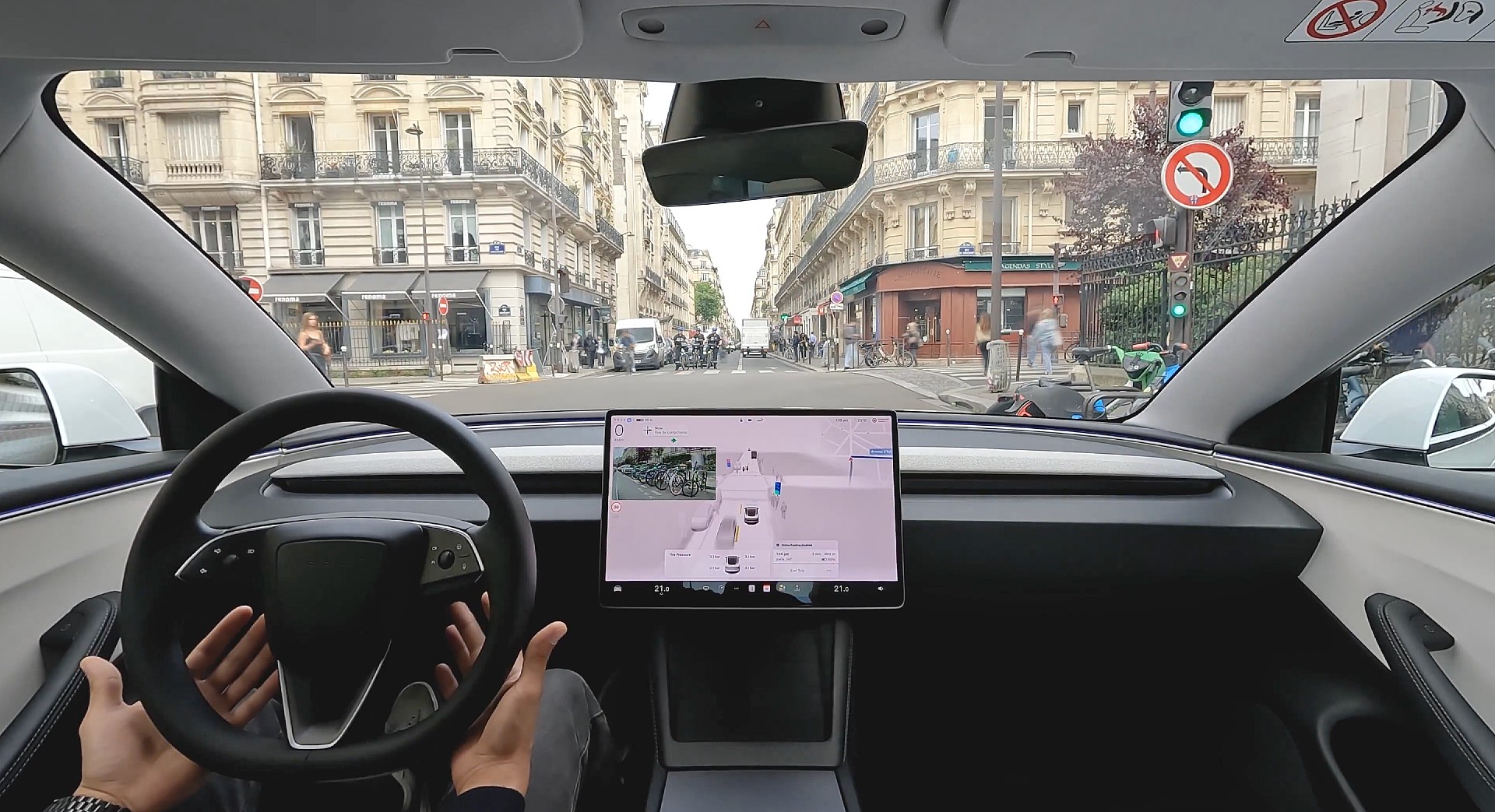
While X grapples with the complexities of digital content, Elon Musk’s other primary enterprise, Tesla, faces a distinct set of challenges regarding its Full Self-Driving (FSD) software. Musk recently confirmed on X that despite years of open invitations, no other automaker has agreed to license Tesla’s FSD technology. This admission clarifies a long-standing point of speculation within the automotive industry, contrasting sharply with the success of Tesla’s North American Charging Standard (NACS).

The contrast between the adoption of NACS and the rejection of FSD is instructive. When Tesla opened its Supercharger network to competitors like Ford, GM, and Rivian, it was viewed as a strategic win for the industry—a move that standardized charging and benefited the entire EV ecosystem. However, FSD does not share the same interoperability profile as a charging plug.
Industry analysts point to two primary hurdles preventing the widespread adoption of Tesla’s autonomy stack:
- Hardware Dependency: FSD is deeply integrated into Tesla’s specific vehicle architecture, including its proprietary eight-camera layout and high-performance onboard compute units. For a competitor to adopt FSD, they would effectively be forced to abandon their own engineering choices and adopt Tesla’s hardware design, essentially becoming a "Tesla-in-all-but-name."
- The Data Asymmetry: The most significant, albeit less discussed, obstacle is telemetry. An FSD license would require the licensed vehicle to report continuous data back to Tesla. For a competing manufacturer, this is an unacceptable trade-off. It would grant Tesla granular visibility into how their competitors’ vehicles perform, where they struggle, and how often human drivers intervene. In the competitive landscape of autonomous driving, that data is arguably more valuable than the software itself.
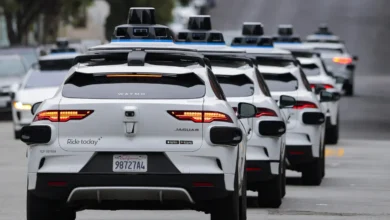
By maintaining a proprietary stance on FSD, Tesla remains the sole arbiter of its autonomous roadmap. While this ensures complete control over the safety and development of the system, it also means that the "Robotaxi" era, as envisioned by Musk, will be driven primarily by Tesla’s own fleet rather than a cross-brand industry standard.
The Boring Company: From Vision to Infrastructure
Beyond the digital realm of X and the software challenges of Tesla, Elon Musk’s infrastructure firm, The Boring Company, is shifting its focus toward high-speed, intercity connectivity. Following a $3 billion funding round led by UAE investors—which valued the company at approximately $23 billion—Musk has renewed his push for a tunnel system connecting Austin and San Antonio.
The proposed "precursor Hyperloop" is intended to bridge the 80-mile gap between the two Texas cities, targeting travel speeds exceeding 200 mph. The vision is to reduce a commute that can take upwards of two hours to a 30-minute express trip. Unlike traditional public transit, this system would utilize the "Loop" model, where riders transition between small, garage-style stations, circumventing the need for large, centralized terminals.
However, the history of The Boring Company is punctuated by ambitious announcements that have yet to materialize at scale. From the stalled proposals in Chicago and New York to the ongoing, gradual expansion of the Las Vegas network, the firm has frequently struggled to balance the speed of its marketing with the reality of civil engineering.
Current projects, such as the tunnel connecting Nashville’s downtown to its airport, are seen as testing grounds for the company’s "Prufrock" boring machines. With the recent capital injection, The Boring Company has more liquidity than it has ever had, potentially providing the runway necessary to move beyond smaller municipal loops and into the realm of true intercity transit. Yet, as experts note, the gap between a promotional post on social media and a completed, operational tunnel remains substantial.
Synthesizing the Future of Musk’s Ventures
The common thread connecting these three disparate news cycles—the legal crackdown on X, the stagnation of FSD licensing, and the ambitious tunneling project in Texas—is a clear trend toward centralizing control and refining business models for the long term.
On X, the transition from engagement-based revenue to original content rewards represents an attempt to curate a higher-quality, more sustainable ecosystem. The legal action against the Bitcoin account network is the "enforcement" component of this strategy, intended to signal that the era of low-effort algorithmic gaming is coming to a close.
In the automotive sector, the refusal of other manufacturers to license FSD illustrates the boundaries of industry collaboration. While some standards, like charging infrastructure, can be shared for mutual benefit, proprietary technologies that provide a distinct competitive advantage are increasingly being walled off.
Finally, with The Boring Company, the focus has shifted from mere "proof of concept" to capital-intensive infrastructure development. Whether the Austin-to-San Antonio project becomes a reality or remains a digital concept depends on whether the company can translate its massive funding into tangible, boring-machine productivity.
As these developments unfold, they reflect a broader pattern in Musk’s management style: an aggressive push toward rapid innovation, followed by the inevitable, and often messy, process of refining those systems to meet the demands of regulators, competitors, and the public. Whether through legal filings, technical limitations, or deep-earth excavation, the goal remains the same: to pivot from the disruptive, often chaotic beginnings of these platforms toward a more structured, scalable, and ultimately, profitable future. The coming year will likely determine if these latest pivots are enough to solidify the long-term viability of the platforms and technologies in question.
Related posts: