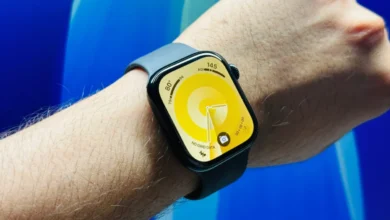
Apple Introduces the Readiness App and Upgraded Health Sensing System for Apple Watch Series 12 and Ultra 4

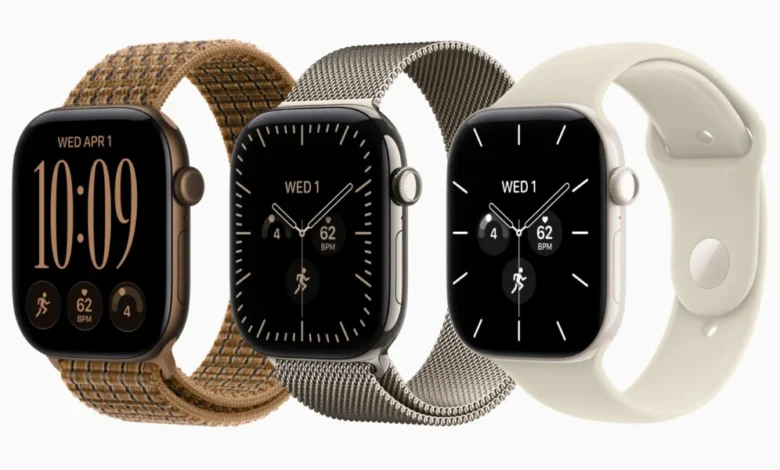
Apple has officially announced its latest major push into advanced health monitoring with the introduction of the Readiness app, a dedicated fitness and wellness tracking tool arriving alongside the Apple Watch Series 12 and Apple Watch Ultra 4. Built to leverage a heavily redesigned Health Sensing System, the new software ecosystem marks a significant evolution in how Apple’s smartwatches evaluate physical strain, recovery, and overall daily preparedness. Pre-orders for the newly unveiled hardware are currently open, with official retail availability slated for September 18.
Main Facts and Hardware Integration
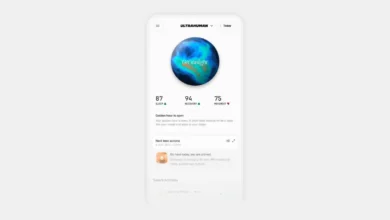
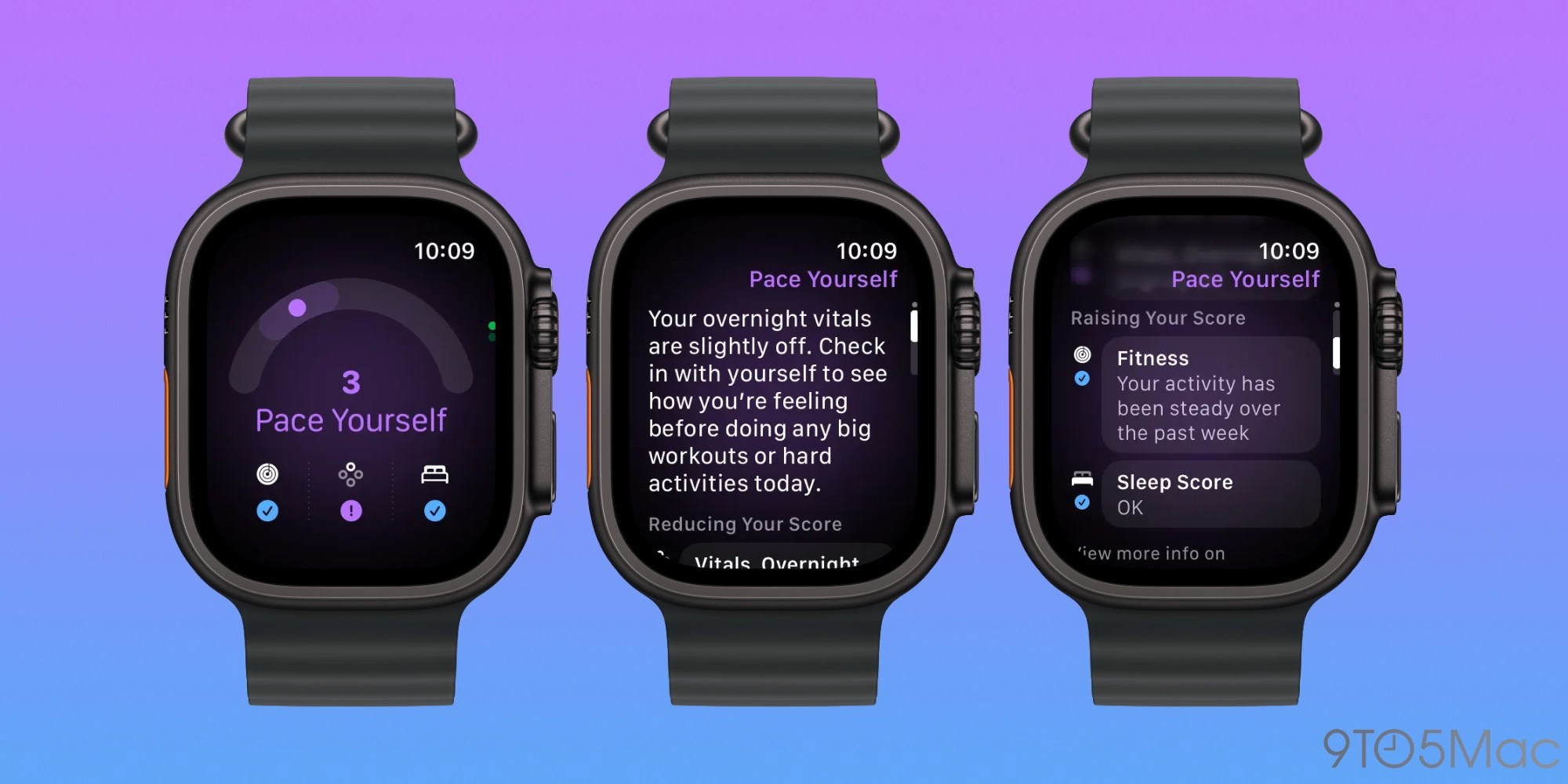
The centerpiece of Apple’s latest wearable software updates is the Readiness app, which assigns users a daily score from 0 to 10 to quantify how well their bodies have recovered from previous exertion and sleep. However, the advanced functionality is not coming to legacy devices. Apple has confirmed that the Readiness app requires the upgraded Health Sensing System built exclusively into the Apple Watch Series 12 and the Apple Watch Ultra 4.
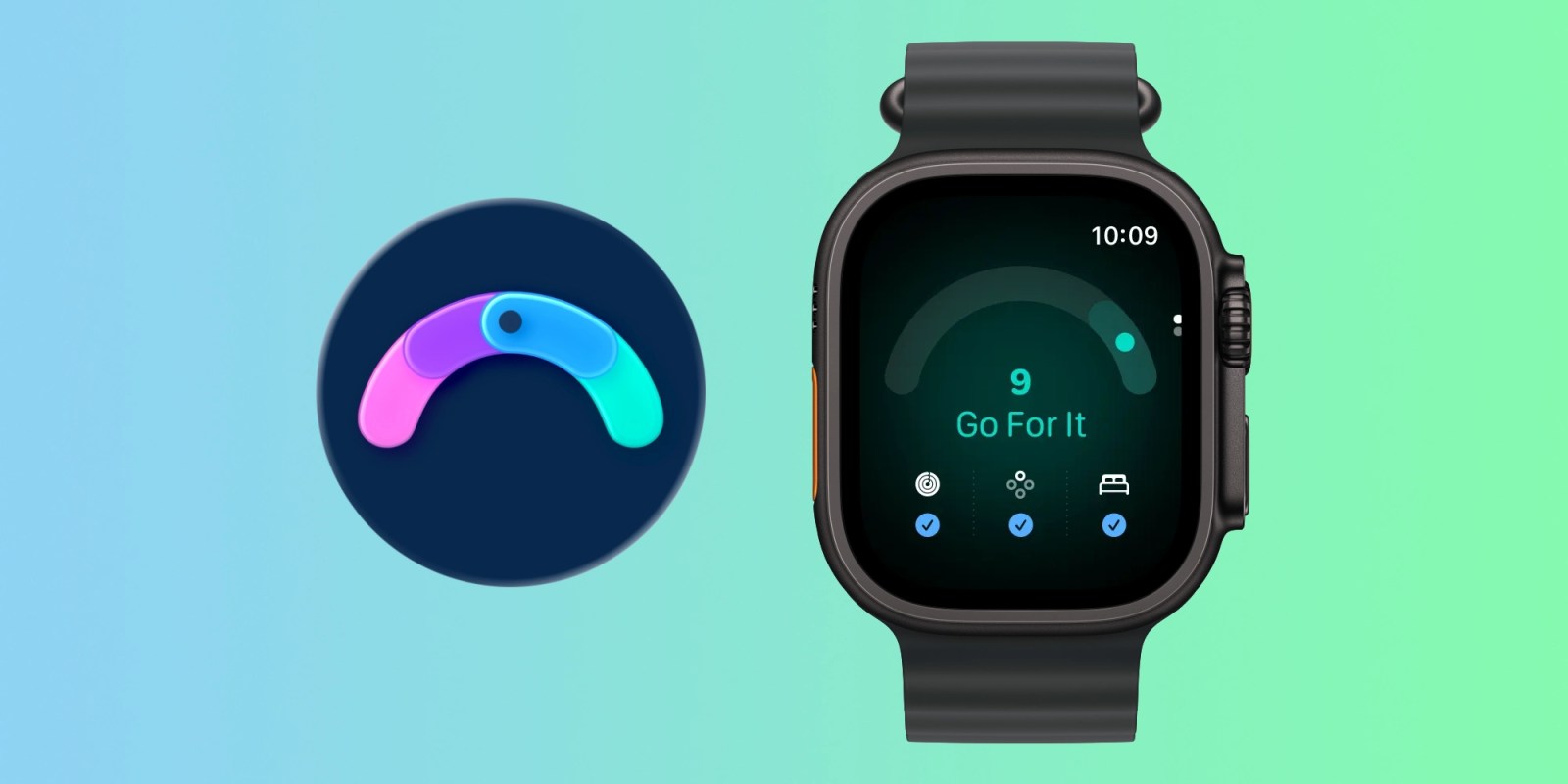
According to official product specifications, the new hardware incorporates more capable optical and electrical sensors paired with larger, highly power-efficient green LEDs. This redesigned sensor architecture enables significantly more accurate heart rate monitoring and deeper physiological tracking. Consequently, users holding onto older hardware—such as the Apple Watch Series 11, Ultra 3, or SE 3 and earlier—will not have access to the Readiness app, even if they update their devices to the latest watchOS platform.
While the application comes pre-installed on the Series 12 and Ultra 4, Apple has also quietly published its App Store listing. This ensures that users who accidentally delete the built-in software can easily redownload it, reinforcing the app’s status as a core component of the updated watchOS experience rather than an optional third-party download.
Chronology and Release Timeline
The rollout of the Readiness app and its accompanying hardware follows Apple’s traditional September product launch cadence. The feature was formally detailed during the annual autumn keynote event, where executives highlighted the company’s continuous commitment to proactive health tracking.
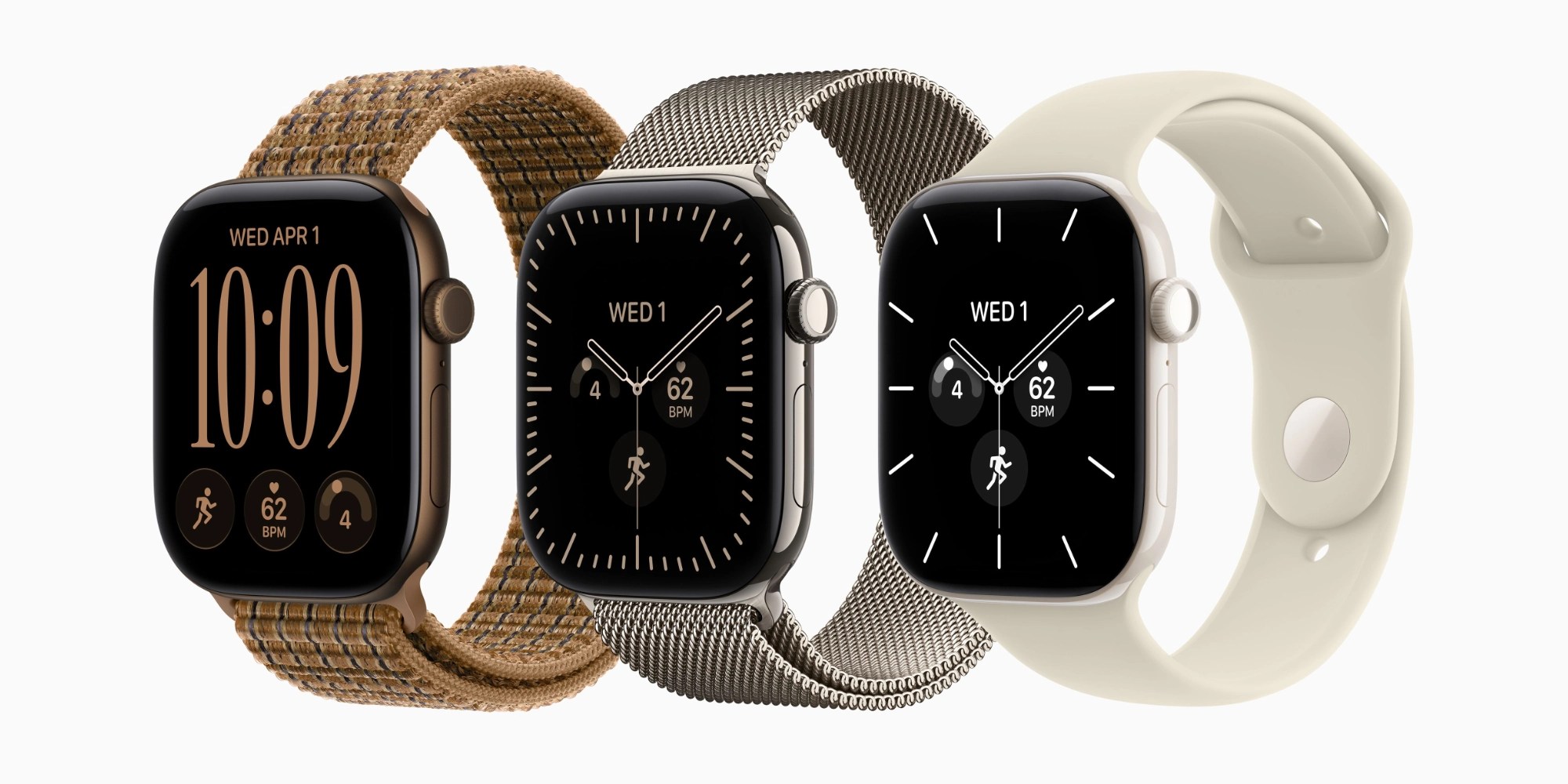
Following the announcement, pre-orders for both the Apple Watch Series 12 (starting at $399) and the Apple Watch Ultra 4 (starting at $799) went live immediately. The official store release and initial customer deliveries are scheduled for Friday, September 18, exactly one week after the initial reveal. Software documentation and support documents detailing the mechanics of the scoring system were published simultaneously to help consumers understand how the new metrics function in practice.
Supporting Data and Mechanics of the Readiness Score
The Readiness app synthesizes a wide array of biometric inputs gathered throughout the day and night to generate its 0-to-10 metric. Apple’s official support documentation outlines three primary pillars that directly influence a user’s daily score:
- Activity Data: Tracks recent workout loads, active calories burned, and overall physical strain to determine whether a user is overtraining or maintaining a balanced routine.
- Daytime and Overnight Vitals: Measures baseline physiological metrics, including resting heart rate, heart rate variability (HRV), wrist temperature, and blood oxygen levels, to detect early signs of physiological stress or impending illness.
- Sleep Data: Evaluates sleep duration, consistency, and stage distribution to gauge how effectively the body recovered overnight.
By combining these data points into a single, cohesive score, the Apple Watch aims to help users decide whether they should push for a personal best during a workout or prioritize active recovery and rest. This bridges a long-standing gap in Apple’s ecosystem, bringing native recovery tracking to a platform that previously relied heavily on third-party applications for similar insights.
Industry Context and Competitive Landscape
The introduction of a native readiness score places Apple in direct competition with established fitness ecosystems like Garmin, Whoop, Oura, and Fitbit, all of which have offered similar recovery metrics for years. Competitors have long marketed training readiness or daily score features as essential tools for endurance athletes and everyday wellness enthusiasts alike.
Industry analysts note that by tying this capability to new hardware—specifically upgraded optical sensors and power-efficient green LEDs—Apple is aggressively positioning its latest wearables as superior diagnostic instruments. By ensuring that the most granular and accurate health data is paired with dedicated processing hardware, Apple is attempting to solidify its dominance in the consumer smartwatch market while encouraging hardware upgrades among its massive installed base.
Broader Impact and Implications
The restriction of the Readiness app to the Apple Watch Series 12 and Ultra 4 has sparked discussions among long-time users regarding hardware longevity and software gatekeeping. While Apple maintains that the advanced sensing system is physically necessary to power the complex algorithms behind the score, consumers with recent hardware generations may express frustration over missing out on software-driven health insights.

Nevertheless, the launch of the Readiness app signals a clear shift in the wearable technology sector toward personalized recovery coaching. Rather than simply tracking exercise output, modern smartwatches are increasingly expected to act as holistic health advisors that guide users on when to exercise and when to rest. As the Apple Watch Series 12 and Ultra 4 hit store shelves on September 18, the success of this new feature will likely set a new benchmark for how health data is synthesized and presented to millions of users worldwide.