OpenAI’s $300 Million Acquisition of Glass Imaging Signals a Major Pivot Toward Advanced Visual AI Hardware

Artificial intelligence powerhouse OpenAI has reportedly acquired Glass Imaging, an innovative startup specializing in advanced computational photography and smartphone camera enhancement technologies, for approximately $300 million. According to exclusive reporting by The Wall Street Journal citing sources familiar with the matter, the strategic buyout values the pioneering image-processing firm at triple its valuation from a previous funding round held just a year prior.
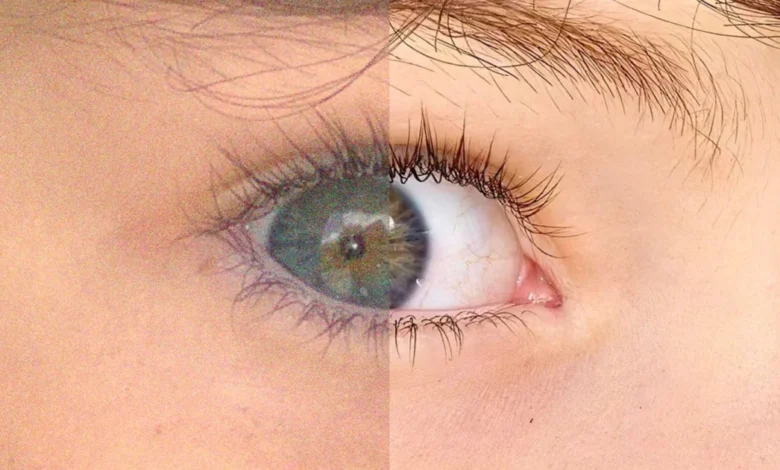
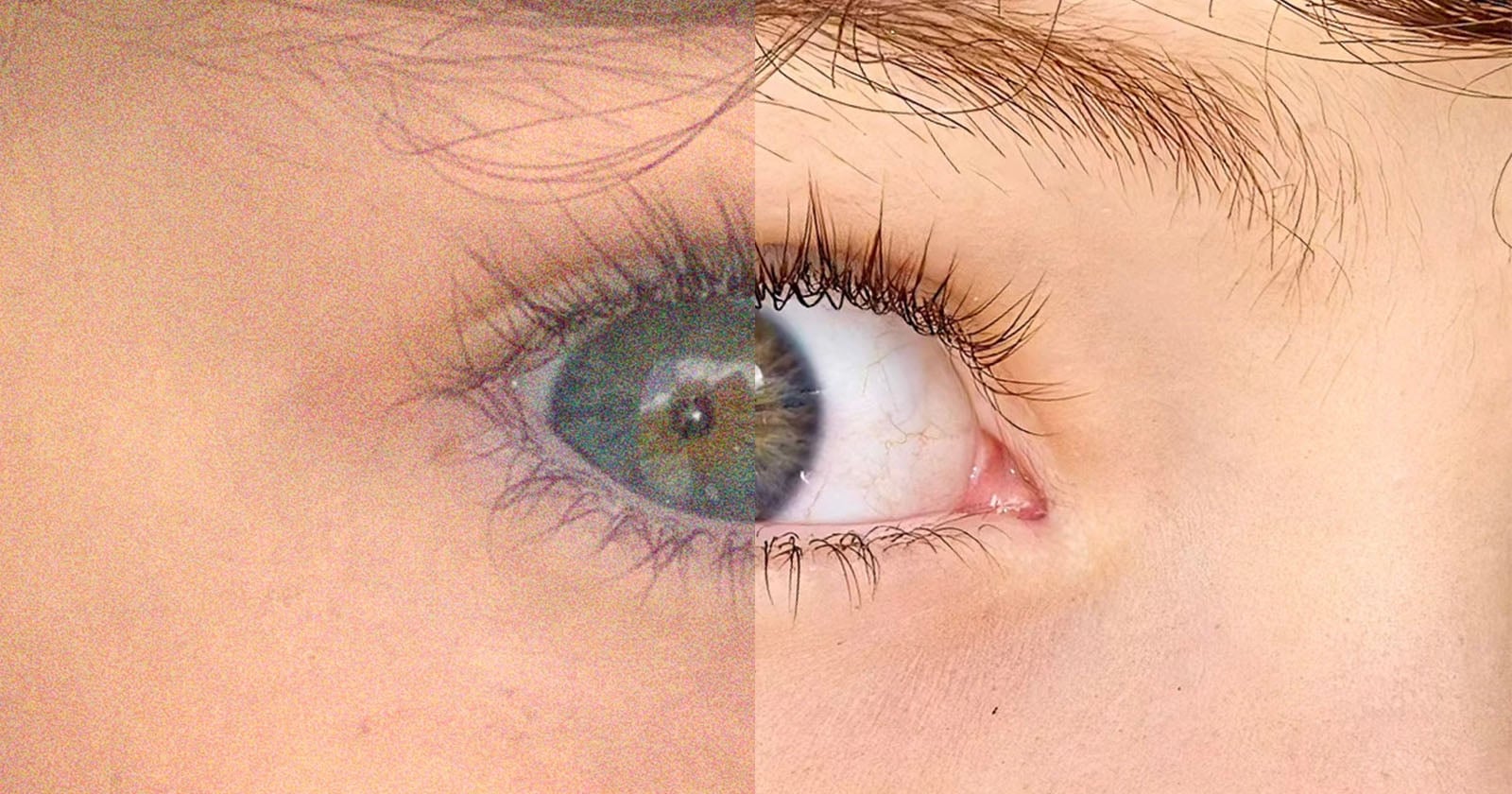
While neither OpenAI nor Glass Imaging has officially acknowledged the transaction, the reported acquisition marks a significant milestone in the convergence of generative artificial intelligence and optical hardware. Glass Imaging has spent years developing sophisticated neural image signal processing (ISP) systems capable of dramatically upgrading the photographic capabilities of mobile devices, allowing compact smartphone cameras to rival the resolution, clarity, and depth of dedicated professional cameras equipped with significantly larger sensors and physical glass lenses.
The Main Facts of the Transaction
The reported $300 million price tag underscores the rapid rise of Glass Imaging from a specialized computer vision startup to a coveted asset in the tech sector. Founded to bridge the gap between physical optical limitations and software-driven visual perfection, the company built its reputation on proprietary technology that processes raw image data directly from the sensor, factoring in the precise physical characteristics of the capturing lens.
Unlike standard smartphone post-processing techniques that apply generic sharpening, noise reduction, or artificial intelligence hallucinations after an image is captured, Glass Imaging’s GlassAI Neural ISP operates at a fundamental level. By interpreting raw sensor data alongside optical physics, the technology effectively circumvents the physical constraints of thin mobile chassis and miniature lenses.
This breakthrough capability caught the attention of major hardware manufacturers and venture capitalists alike. Prior to the OpenAI buyout, Glass Imaging commanded a $100 million valuation following a successful funding round. Its technology transitioned from theoretical demonstrations to real-world consumer hardware, most notably appearing in the Honor 600 smartphone, where it significantly elevated the performance of high-zoom mobile photography.
A Chronology of Innovation and Growth
The trajectory of Glass Imaging is defined by rapid technological maturation and growing industry validation. The timeline of its ascent highlights how quickly computational photography has evolved to challenge traditional optical engineering:
- October 2024: Glass Imaging captured widespread industry attention by demonstrating transformative AI image processing built on the Qualcomm Snapdragon 8 Elite mobile platform. Demonstrations proved that smartphones could capture portraits and landscapes with the rendering fidelity typically reserved for bulky professional DSLR and mirrorless cameras.
- May 2025: In a related hardware-adjacent market move, OpenAI made waves by acquiring former Apple design chief Jony Ive’s secretive AI hardware startup for $6.5 billion, signaling the company’s long-term ambitions to develop proprietary physical devices tailored for artificial intelligence.
- June 2026: Glass Imaging reached a major commercial milestone when its GlassAI Neural ISP was formally integrated into the Honor 600 smartphone, validating its ability to scale on consumer-grade mobile hardware and dramatically improve zoom capabilities in real-world conditions.
- Late 2026: According to reports by The Wall Street Journal, OpenAI reached an agreement to acquire Glass Imaging for $300 million, absorbing the startup’s engineering talent and intellectual property into its expanding hardware and multimodal AI ecosystem.
Supporting Data and Technological Distinction
To understand the value driving a $300 million acquisition for a relatively small team, industry analysts point to the unique nature of Glass Imaging’s software architecture. Traditional digital photography relies on physical light passing through a lens to strike a digital sensor, followed by standard image signal processors that translate the electrical signals into viewable files. As smartphone manufacturers attempted to pack high-megapixel sensors into ultra-thin bodies, they encountered insurmountable laws of physics regarding light diffraction and focal lengths, leading to heavy reliance on basic machine learning filters.
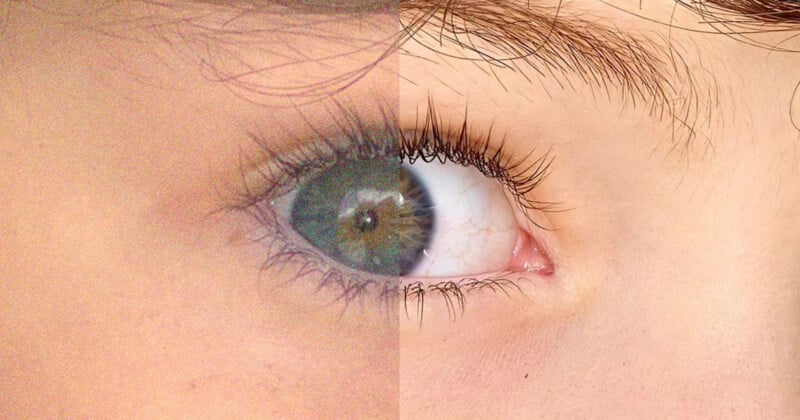
Glass Imaging fundamentally altered this paradigm. By utilizing deep learning models trained specifically on optical physics, the company’s Neural ISP reconstructs fine details, textures, and dynamic range that standard sensors miss. Comparative analyses published by technical reviewers demonstrated that smartphone images processed via GlassAI frequently outperformed native shots from competing flagship devices—such as comparing the Honor 600 equipped with GlassAI against baseline high-end competitors like the iPhone series—by delivering superior edge definition and eliminating digital artifacting without introducing unnatural smoothing.
Furthermore, the smartphone industry represents the single largest digital camera market globally, dwarfing the combined sales of traditional camera manufacturers. Because consumers increasingly rely on mobile devices as their primary cameras, any technology that can bridge the quality gap between pocket-sized devices and professional gear holds immense commercial value.
Broader Impact and Strategic Implications
The integration of Glass Imaging into OpenAI raises intriguing questions about the future roadmap of both companies. Historically, OpenAI has focused heavily on large language models, multimodal reasoning systems, and generative media tools such as DALL-E and Sora. However, the company’s recent strategic maneuvers suggest a deliberate expansion into physical hardware and advanced computer vision.
The acquisition of Jony Ive’s hardware startup for $6.5 billion last year established that OpenAI does not intend to remain strictly a software-as-a-service provider. By purchasing Glass Imaging, OpenAI secures critical expertise in how AI models interact with real-world sensor data and optics.
Industry experts speculate that future OpenAI hardware products—whether standalone AI assistants, wearable visual devices, or advanced robotics—will require sophisticated image-capture capabilities. For an AI agent to effectively assist a user in navigating the physical world, it must first "see" it with extreme clarity and accuracy. High-fidelity visual data capture is foundational for advanced computer vision, spatial computing, and real-time environmental analysis.
Uncertainty Surrounding Future Commercial Partnerships

While the acquisition represents a financial triumph for Glass Imaging’s founders and investors, it introduces significant uncertainty for the broader smartphone ecosystem. Prior to the buyout, Glass Imaging functioned as an independent software vendor capable of licensing its Neural ISP technology to various third-party mobile manufacturers, as demonstrated by its partnership with Honor.
With the company now absorbed into OpenAI, questions remain regarding whether these B2B licensing agreements will continue or if the technology will be pulled exclusively inward to power proprietary OpenAI hardware. Industry watchers have noted that ongoing third-party development and mobile integration efforts by Glass Imaging appear to be placed on hold, at least temporarily, as the startup transitions its operations and engineering teams under the OpenAI corporate umbrella.
Conclusion
OpenAI’s acquisition of Glass Imaging for $300 million represents more than just a talent grab; it signals a strategic consolidation of advanced optical computing and artificial intelligence. As the lines between software processing and physical hardware continue to blur, the ability to extract professional-grade visual data from miniature sensors will likely play a pivotal role in the next generation of smart devices. Whether this transaction ultimately results in revolutionary consumer hardware or serves as the visual backbone for OpenAI’s broader multimodal intelligence initiatives, the deal underscores the escalating value of computational photography in the modern technology landscape.