Heart Machine, Acclaimed Independent Developer of Hyper Light Drifter, Lays Off Nearly Entire Staff Following Publisher Funding Collapse

The independent video game development studio Heart Machine, widely recognized for its critically acclaimed titles such as Hyper Light Drifter and Solar Ash, has been forced to lay off nearly its entire workforce. The devastating personnel reduction was triggered by the sudden collapse of a critical publishing agreement that was slated to finance the studio’s next unannounced video game project.
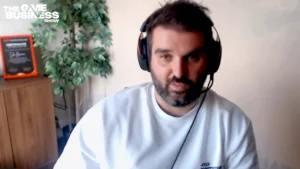
The abrupt contraction marks one of the most severe blows in recent memory for the independent games sector, echoing broader macroeconomic instability, rising development costs, and an increasingly volatile venture funding climate. Founder and creative director Alx Preston broke the news via a professional network statement, outlining a bleak reality where the loss of primary financial backing left the California-based developer with virtually no runway to sustain its operations.
The announcement has sent shockwaves through the independent development community, serving as a stark reminder of the precarious financial tightrope walked by mid-sized studios reliant on external publishers for project greenlights. As the studio grapples with an uncertain future, former employees and industry peers are left evaluating the broader ramifications for Heart Machine’s legacy and the fragile ecosystem of independent game creation.
Anatomy of a Collapse: The Publisher Pullout
According to statements released by studio leadership, Heart Machine had been deep in production on an unannounced video game backed by an external publisher. This financial partnership served as the core lifeblood of the organization, covering operational expenses, employee salaries, and overhead for the ambitious title.
However, in a sudden policy shift, the unnamed publisher elected to terminate the agreement, halting further funding and effectively pulling the plug on the project. Because the studio was heavily invested in this single pipeline, the abrupt cancellation created an insurmountable financial deficit. Without backup funding, immediate alternative prospects, or sufficient cash reserves from previous catalog sales, leadership faced an impossible operational threshold.
"We had been working on an unannounced title, funded by a publisher," Alx Preston wrote in his public disclosure. "This week, they decided to no longer move forward with it. Without this key income for the studio, any other immediate prospects or other funds, nearly everyone at the studio had to be laid off. It’s devastating."
In the wake of the cuts, studio management has pivoted to assisting the displaced workforce. Administrators and department heads have initiated outreach networks, publicizing candidate lists, and working directly with external studios to place former Heart Machine talent into active job openings across the industry.
A Retrospective Chronology: From Critical Darlings to Turbulent Waters
To understand the trajectory that led to Heart Machine’s current crisis, it is necessary to examine the studio’s history, marked by both soaring creative triumphs and persistent operational turbulence.
Founded by Alx Preston following a successful Kickstarter campaign in 2013, Heart Machine burst onto the global gaming scene in 2016 with the release of Hyper Light Drifter. The 2D action role-playing game, characterized by its striking neon-drenched pixel art, wordless environmental storytelling, and punishingly fast combat, became an instant critical and commercial sensation. It resonated deeply with players and critics alike, earning multiple award nominations and cementing Heart Machine as a heavyweight in the independent development scene.
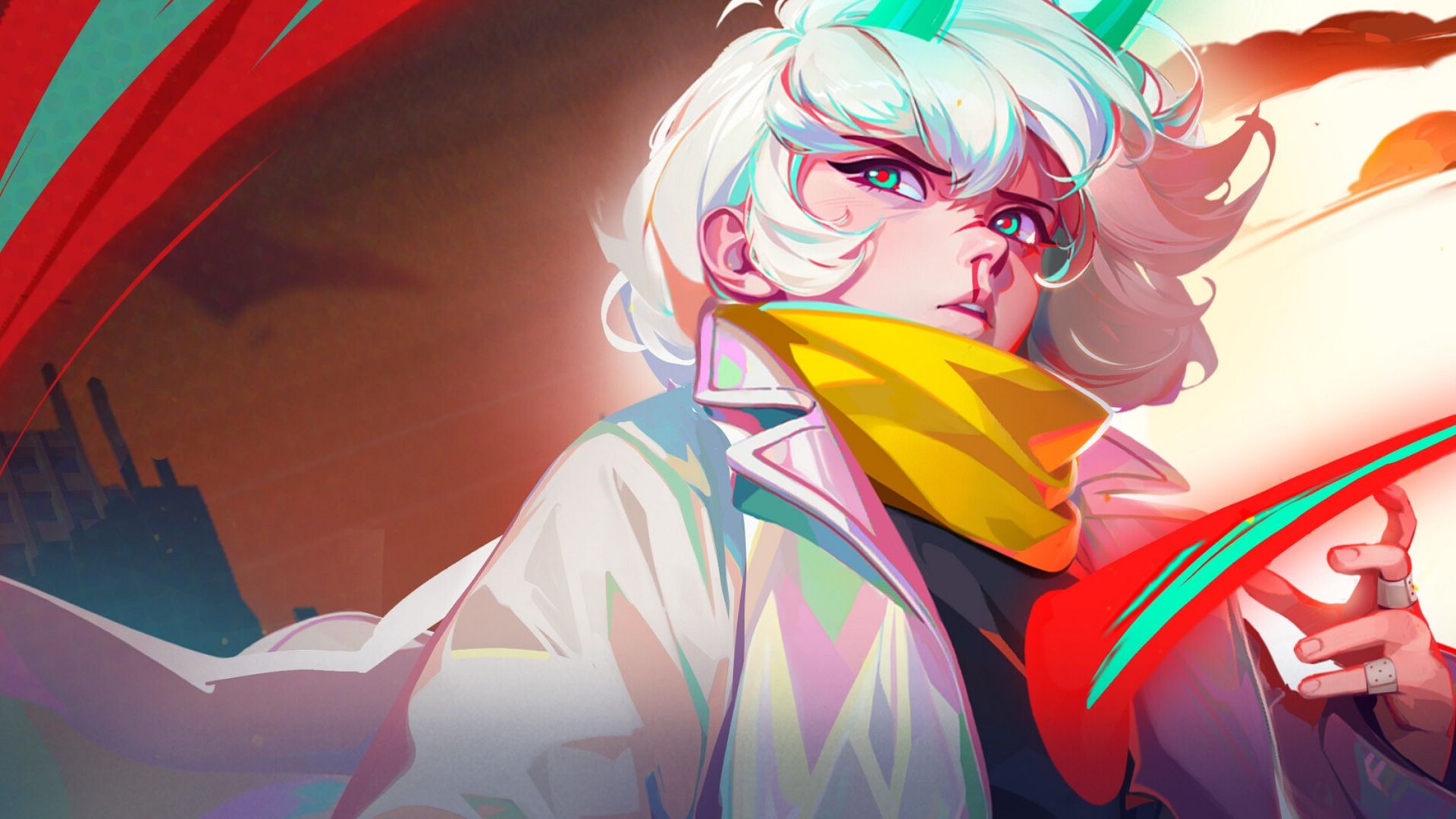
Riding the momentum of its debut, the studio expanded its scope and ambition. In 2021, Heart Machine partnered with publisher Annapurna Interactive to release Solar Ash, a 3D action-adventure platformer. While the game received generally favorable reviews for its fluid movement mechanics and surreal, sweeping aesthetic, it did not achieve the same massive commercial breakout as its predecessor, leaving the studio under mounting financial pressure to deliver its next big hit.
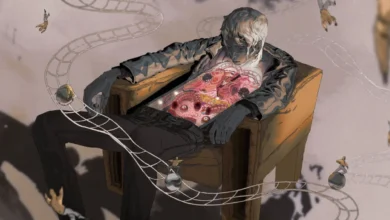
Seeking to recapture the lightning-in-a-bottle success of Hyper Light Drifter, the studio subsequently embarked on two parallel paths: the development of Hyper Light Breaker, a 3D cooperative rogue-lite set in the same universe, and Possessor(s), a dark, atmospheric action-platformer.
However, the strain of managing multiple projects under a tightening economic climate began to show. Earlier in the development cycle, Heart Machine encountered severe structural difficulties, leading to the difficult decision to scale back early access development on Hyper Light Breaker alongside initial layoffs. Shortly thereafter, the studio released Possessor(s). While the title managed to carve out a dedicated audience, securing a "mostly positive" rating on Steam, its overall sales volume was ultimately too modest to offset the studio’s broader capital burn rate.
The cumulative weight of these financial pressures—compounded by the subsequent failure to secure long-term publishing commitments—ultimately led to the catastrophic staffing reductions.
Broader Industry Implications: The Fragility of Independent Development
The crisis at Heart Machine is not an isolated incident; rather, it is indicative of a systemic shift within the global video game industry. Over the past three years, the games sector has experienced a profound market correction following the hyper-inflated growth seen during the COVID-19 pandemic.
Publishers, venture capitalists, and platform holders have significantly tightened their purse strings, prioritizing risk-averse investments over ambitious, mid-budget creative ventures. For independent developers, the reliance on external publishers for project financing remains a double-edged sword. While publishers provide the necessary capital to build large-scale games, they also hold unilateral power to cancel projects mid-stream, leaving dependent studios entirely vulnerable to shifting corporate strategies, boardroom restructurings, or budgetary realignments.
The collapse of a single publishing deal can—and frequently does—decimate studios that have spent years building specialized talent pools and complex intellectual properties. As production costs rise due to inflation, higher wage expectations, and elongated development cycles, the margin for error in independent development has shrunk to near zero.
Path Forward and Future Uncertainty
As the dust settles on the layoffs, the immediate future of Heart Machine remains shrouded in doubt. Studio leadership has not yet announced a definitive closure, expressing a stubborn desire to explore any remaining avenues for organizational survival.
"We’ll keep pushing to find a path," Preston noted, though he candidly admitted that he was "not sure yet what’s next for Heart Machine to survive."
Whether the studio can restructure into a leaner, micro-independent entity, pivot to contract work, or salvage its unannounced intellectual property through alternative funding models remains to be seen. What is certain, however, is that the landscape of independent game development has lost—at least temporarily—one of its most distinct and creatively driven voices. For the talented developers who built the worlds of Drifter, Solar Ash, and Possessor(s), the immediate priority shifts to finding stability in an unforgiving job market, while the wider industry reflects on the human cost of a volatile economic climate.