Electrek Daily Podcast: Record-Setting Performance EVs, Tesla Roadster Updates, and Global Autonomous Transit Breakthroughs

The global landscape of electric mobility is undergoing a profound structural shift, marked by rapid advancements in battery density, autonomous public transit deployment, and heavy-duty commercial electrification. In the latest episode of the Electrek Daily podcast, industry analysts break down a flurry of groundbreaking announcements that redefine what is possible in the electric vehicle (EV) sector. From record-shattering performance cars and long-awaited supercar updates to state-of-the-art Level 4 autonomous airport shuttles and commercial semi-trucks capable of ultra-fast "flash charging," the electric vehicle market is accelerating past traditional internal combustion benchmarks at an unprecedented pace.
This comprehensive briefing explores the core developments discussed in the episode, providing deep contextual background, supporting data, and a critical analysis of their broader implications for the automotive industry.
The Evolution of High-Performance Electric Vehicles
The pursuit of hyper-efficient, high-performance electric vehicles has reached a new threshold. Legacy automakers and EV-first disruptors alike are no longer just competing on range; they are engineering track-capable platforms that shatter conventional performance records.
Volkswagen Joins the Record Books
Volkswagen has officially entered the fray with its own record-setting sporty EV. While European and Asian manufacturers have increasingly focused on aerodynamics and thermal management to squeeze maximum performance out of track-ready platforms, Volkswagen’s latest entry signifies a renewed commitment to high-output electric powertrains. Utilizing advanced torque-vectoring systems and next-generation silicon-carbide inverters, this new sporty EV demonstrates that traditional volume manufacturers can successfully challenge boutique hypercar builders on the track.
Industry analysts note that these halo vehicles serve a dual purpose: they act as rolling laboratories for thermal and energy management technologies that will eventually trickle down to mass-market consumer crossovers, while simultaneously capturing consumer imagination in a crowded marketplace.
The Saga of the Tesla Roadster
Adding to the high-performance narrative is the perpetually anticipated Tesla Roadster. Originally unveiled to the public in late 2017 with jaw-dropping projected specifications—including a 0-to-60 mph time of 1.9 seconds and a top speed exceeding 250 mph—the second-generation Roadster has faced numerous production delays.
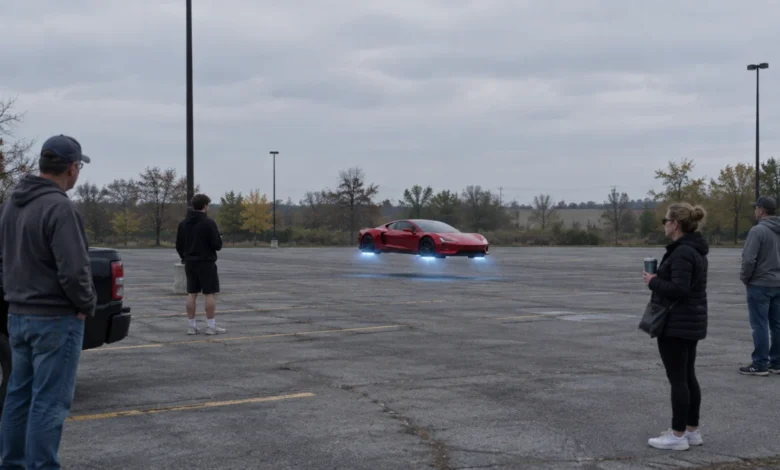
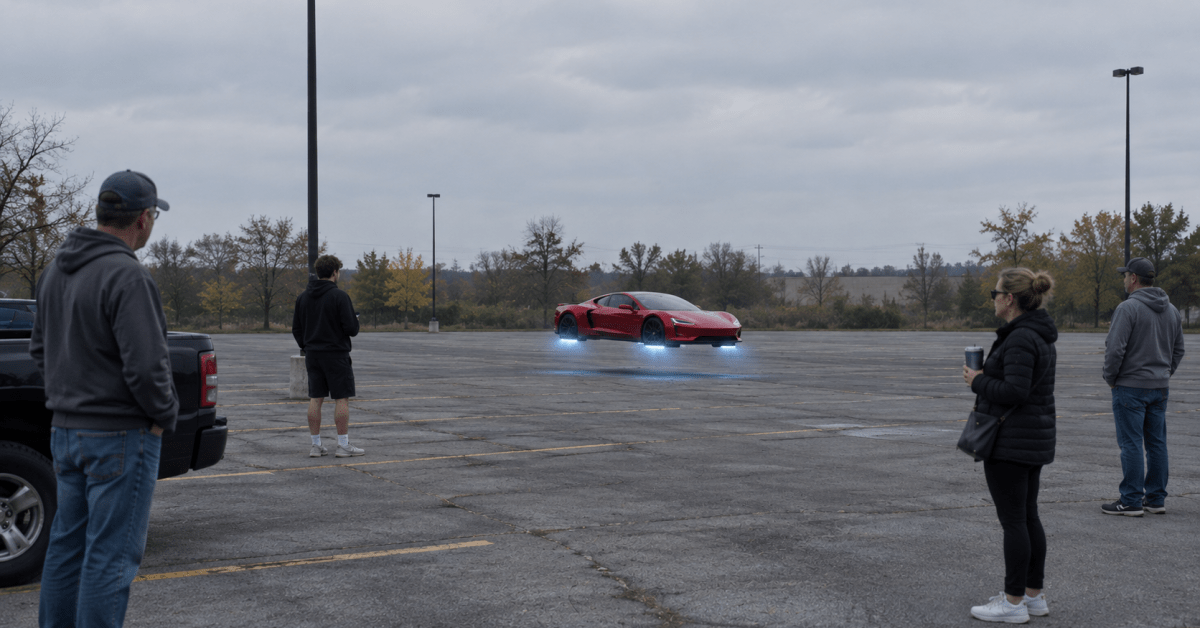
However, anticipation has spiked following announcements that a "new" iteration of the Tesla Roadster is slated to make a heavily publicized appearance in October, reportedly hovering around a designated parking lot. While skeptics point out the extended timeline and the unconventional nature of the demonstration, supporters argue that the integration of SpaceX cold-gas thruster technology, if realized, could fundamentally alter performance vehicle dynamics. The automotive community remains split on whether the October exhibition will feature a production-intent prototype or another conceptual milestone, but the vehicle continues to command significant mindshare across the EV ecosystem.
Commercial Electrification and Heavy-Duty Breakthroughs
While passenger cars and supercars capture headlines, the commercial and heavy-duty transport sectors are undergoing an equally dramatic transformation. Electrifying long-haul trucking and mass transit has historically faced severe headwinds due to battery weight, payload constraints, and excessively long charging times. Recent developments, however, suggest those barriers are rapidly eroding.
BYD’s 600-Kilometer Electric Semi with 1.5 MW Flash Charging
In a massive leap forward for freight logistics, BYD has rolled out a commercially ready electric semi-truck boasting a 600-kilometer (approx. 373 miles) operational range on a single charge. More impressive than the range itself is the inclusion of a 1.5-megawatt (MW) "flash charging" capability.

For fleet operators, the primary economic hurdle of electrification has been vehicle downtime. Traditional Level 3 DC fast chargers often require upwards of an hour to replenish heavy-duty battery packs, disrupting tightly scheduled supply chains. A 1.5 MW charging architecture drastically reduces turnaround times, enabling commercial trucks to recover significant state-of-charge during standard driver rest breaks or loading operations.
Industry experts view BYD’s immediate commercial availability as a direct challenge to competitors like Tesla, Daimler, and Volvo, signaling that the race to decarbonize global supply chains is accelerating faster than anticipated.
Autonomous Transit and Public Infrastructure
Beyond private transport and commercial freight, public infrastructure is seeing a major technological upgrade through the deployment of advanced autonomous systems.
Zürich Airport Deploys Level 4 Autonomous Shuttles
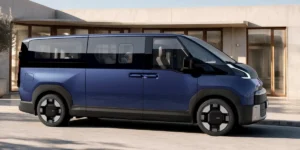
In Switzerland, Zürich Airport has officially integrated Level 4 autonomous shuttles into its ground transport network, showcasing a practical, real-world application of self-driving technology. Level 4 autonomy denotes a vehicle capable of operating entirely on its own without human intervention under specific conditions and within predefined geographic boundaries (geofencing).
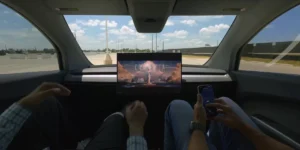
During a recent deep-dive test and evaluation period, transportation specialists spent an hour navigating the new shuttle network to assess its operational reliability, sensor fusion capabilities, and interaction with dense pedestrian and vehicular traffic at a major international transit hub. Airports represent ideal environments for initial Level 4 deployments due to predictable routing, moderate speed limits, and clear regulatory frameworks.

The Tesla Cybercab and Autonomous Fleets
Complementing the public transit updates, the rollout of autonomous ride-hailing infrastructure continues to dominate discussions. The deployment of purpose-built robotaxis, such as the Tesla Cybercab, highlights the ongoing shift toward "transportation-as-a-service" (TaaS) models. As regulatory bodies in various jurisdictions begin to establish clearer pathways for driverless commercial operations, the convergence of ride-hailing networks and autonomous vehicle hardware is poised to reshape urban mobility over the latter half of the decade.
Chronology of Key Events
To contextualize the rapid pace of developments featured in the current media cycle, a brief chronology outlines how these technologies have converged:
- Late 2017: Tesla initially unveils the next-generation Roadster, promising groundbreaking performance figures and an eventual production date that would later see multiple delays.
- 2023–2024: Global automakers accelerate track-focused EV programs, leading to significant breakthroughs in thermal management and battery chemistry.
- Mid-2025: Regulatory frameworks in Europe adapt to allow broader testing and deployment of Level 4 autonomous systems in controlled public zones, such as international airports.
- Late 2025: BYD introduces commercial heavy-duty electric trucks equipped with ultra-fast megawatt-scale charging architectures.
- Current Cycle: Zürich Airport deploys operational Level 4 shuttles, Volkswagen debuts its record-setting performance EV, and anticipation builds for upcoming Tesla Roadster demonstrations in October.
Implications and Industry Outlook
The simultaneous progression of ultra-fast commercial charging, high-performance track EVs, and Level 4 autonomous deployment underscores a maturing electric vehicle ecosystem.
- Supply Chain Pressures: The introduction of 1.5 MW charging systems for heavy-duty trucks will place immense demands on local electrical grids, necessitating accelerated investments in microgrids, stationary battery storage, and high-capacity substation upgrades.
- Consumer Expectations: As boutique and legacy manufacturers continue to shatter performance and range benchmarks (such as thousand-mile range architectures and sub-two-second acceleration times), consumer tolerance for lower-tier EV limitations—such as range anxiety and slow charging speeds—will continue to shrink.
- Regulatory Harmonization: The successful deployment of autonomous shuttles at major European transit hubs like Zürich Airport provides a regulatory blueprint for other global cities aiming to reduce urban congestion and carbon emissions through autonomous public transport.
As the automotive sector moves deeper into the decade, the boundary lines between consumer luxury, commercial utility, and automated public infrastructure are increasingly blurring, driven by relentless innovation in electrification and software-defined mobility.