WatchOS 27 Adds Advanced Siri AI, New Health Capabilities, and Expanded Gesture Controls While Dropping Support for Several Older Apple Watch Models

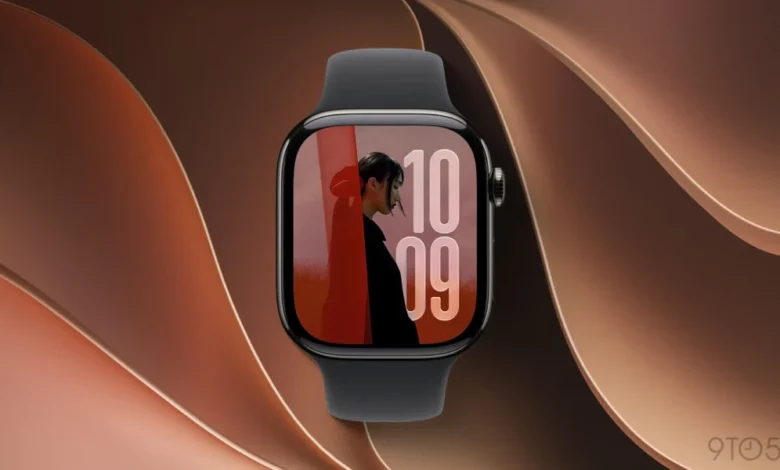
Apple has officially launched its latest major software update for the Apple Watch lineup, bringing a comprehensive suite of enhancements, advanced artificial intelligence integrations, and user-interface refinements. Available for download starting today, watchOS 27 aims to redefine the wearable computing experience by closely aligning the capabilities of the wrist-worn device with Apple’s broader ecosystem advancements, specifically mirroring features introduced in iOS 27 and macOS Golden Gate. However, the release also marks a significant transition in device longevity, leaving several popular and relatively recent Apple Watch models behind.
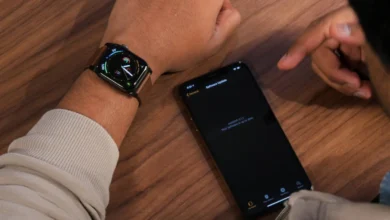
To install the new software, users must first update their paired iPhone to iOS 27. Once the host device is running the latest operating system, the watchOS 27 update can be initiated directly through the dedicated Watch app on the iPhone. While the rollout promises substantial software upgrades for supported hardware, it simultaneously restricts legacy devices from accessing the newest ecosystem features.
Discontinuation of Support for Legacy Hardware
One of the most consequential aspects of the watchOS 27 release is the significant reduction in device compatibility. Apple has officially dropped software support for a substantial number of previous-generation Apple Watch models. Users who own the Apple Watch Ultra (1st generation), Apple Watch Series 8, Apple Watch Series 7, Apple Watch Series 6, or the Apple Watch SE (2nd generation) will not be able to upgrade to watchOS 27.
Industry analysts point out that this hardware cutoff represents one of the steepest generational exclusions in recent Apple Watch history. While older hardware will continue to function securely on previous software builds, the decision to exclude models as recent as the Series 8 and the first-generation Ultra underscores the intensive computational and neural processing demands of the new features packed into watchOS 27—particularly the integration of on-device artificial intelligence workloads. Owners of these affected models will remain on earlier versions of the operating system, missing out on the core functional and visual redesigns rolling out today.
Powerful Siri AI Integration Arrives on the Wrist
The crown jewel of the watchOS 27 release is the implementation of full-fledged Siri AI. Unlike previous iterations of the virtual assistant on watchOS, which often relied on scaled-back capabilities due to hardware constraints and battery preservation measures, the new Siri integrated into watchOS 27 possesses the exact same advanced intelligence found in iOS 27 and macOS Golden Gate.
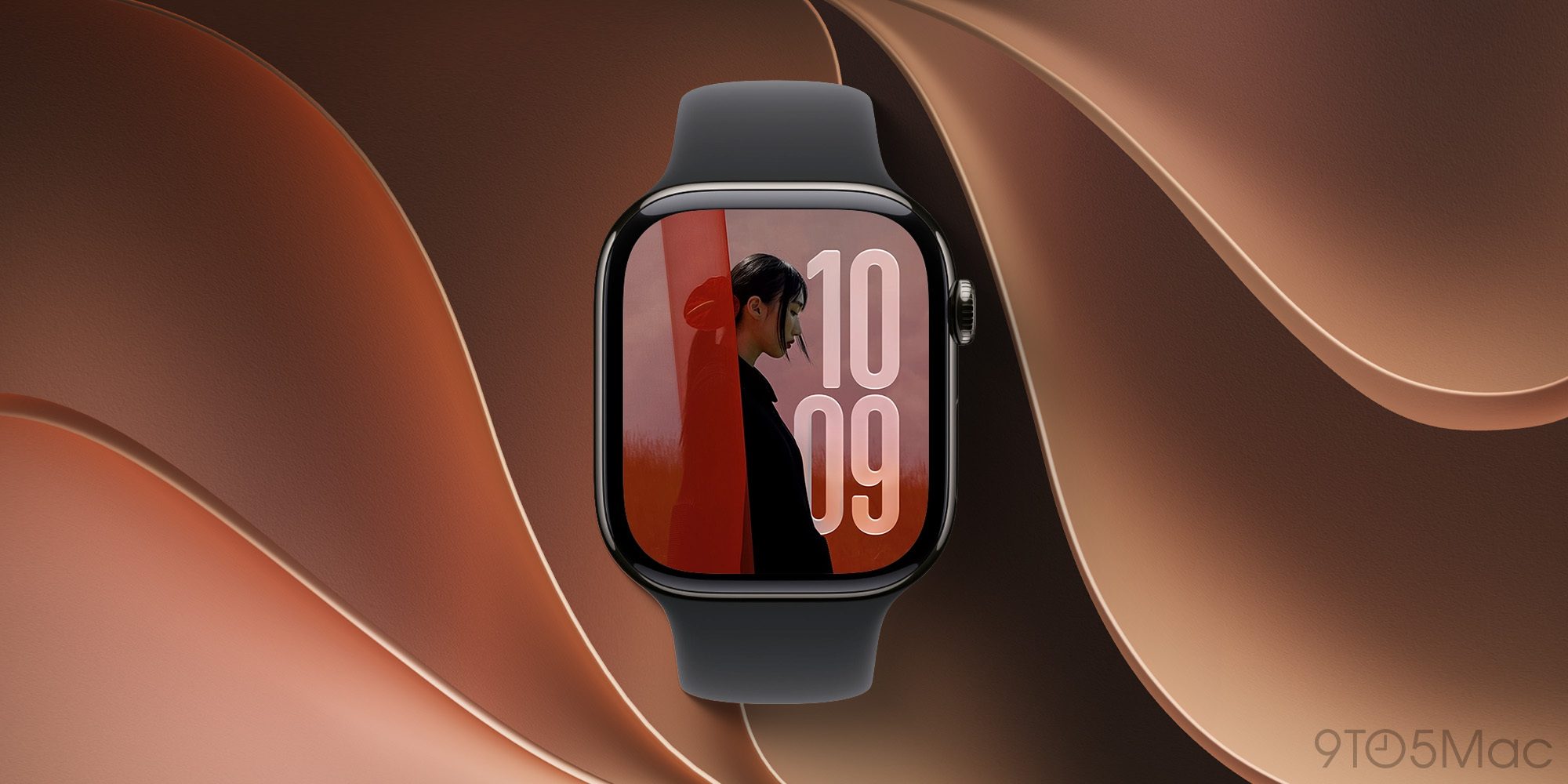
Apple’s engineering teams bypassed the traditional approach of creating a stripped-down wrist variant. Instead, users can now execute complex, multi-layered queries, leverage advanced natural language processing, and enjoy deep contextual awareness directly from their wrist. Furthermore, Apple has introduced a new dedicated Siri app designed to synchronize conversations seamlessly across all ecosystem devices. Whether a user initiates a query on their Mac, iPhone, or Apple Watch, the conversation history and context follow them dynamically, ensuring a unified computing experience across form factors.
New Health Features and Interface Enhancements
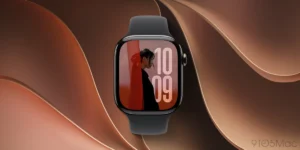
Beyond artificial intelligence, watchOS 27 introduces a refined visual and functional ecosystem designed to optimize everyday interactions. The update features the new Siri modular face, which dynamically surfaces relevant information, predictive actions, and real-time data based on the user’s daily habits, location, and schedule.
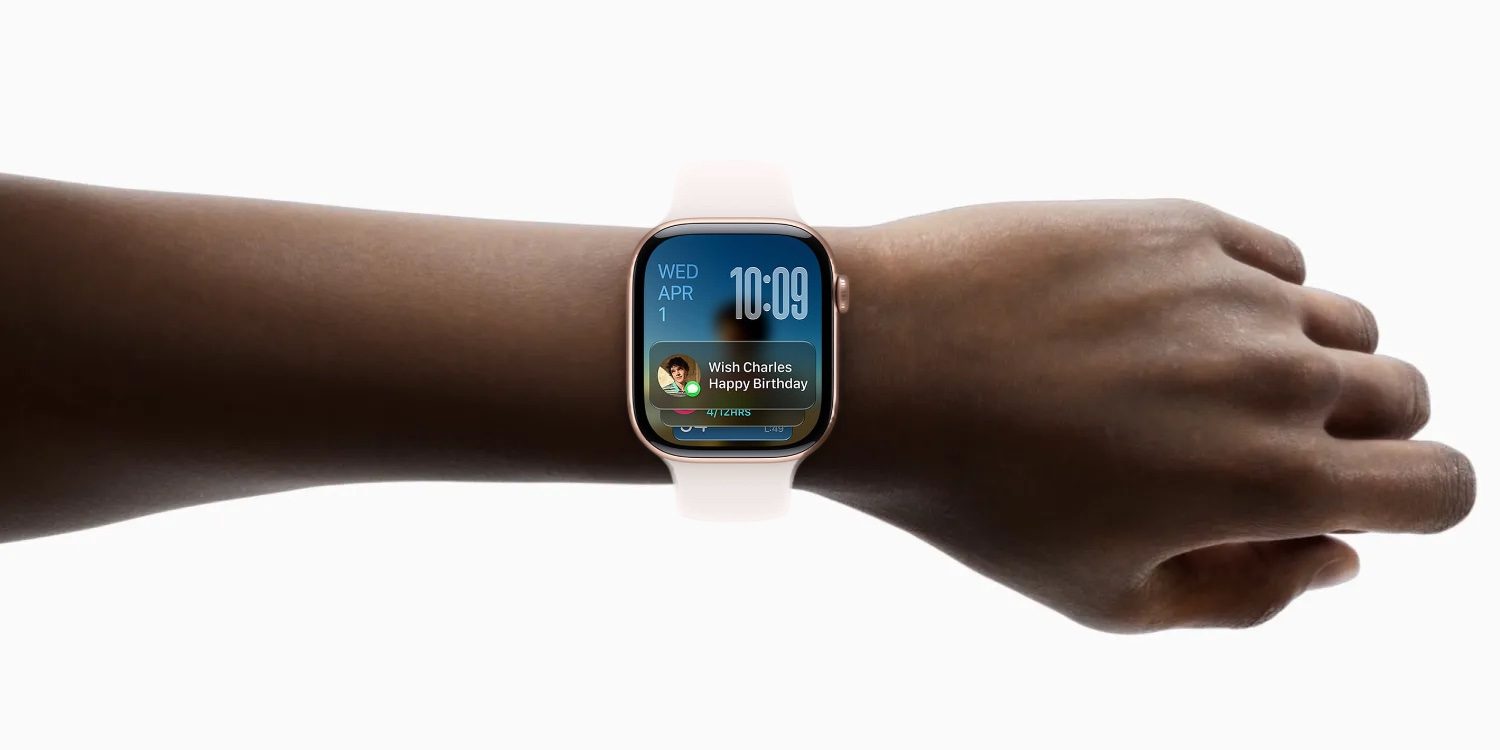
Gesture controls have also been expanded, building upon the foundational accessibility and convenience of previous wrist-tap implementations. Users can navigate menus, answer or dismiss calls, and interact with notifications using subtle hand movements, further reducing the reliance on dual-handed interactions.
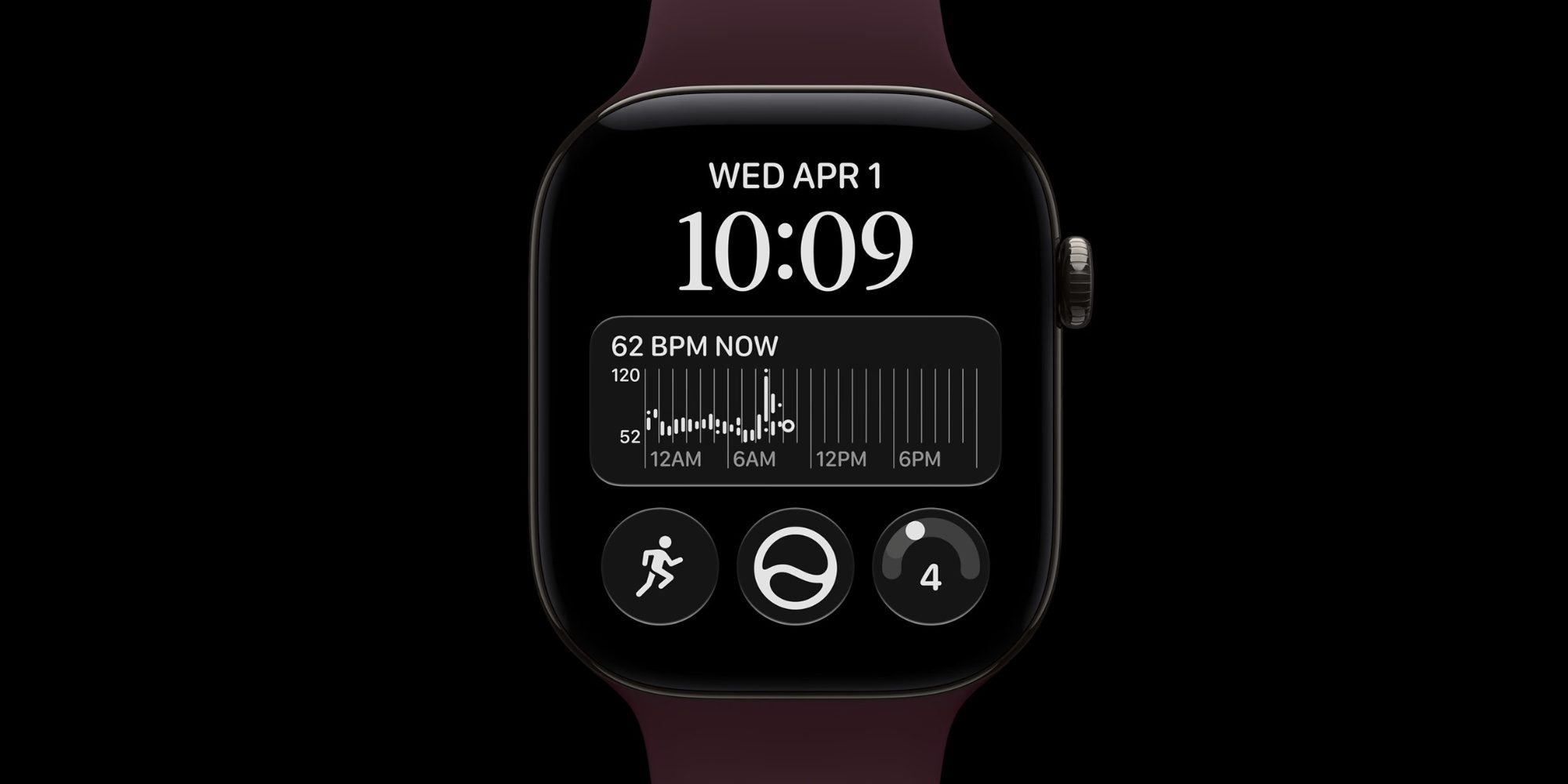
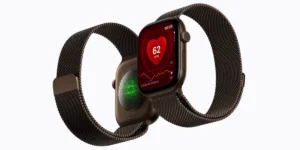
Health and wellness tracking—a core pillar of the Apple Watch value proposition—receives notable refinements. While Apple has continually iterated on its physiological monitoring suites, watchOS 27 focuses heavily on algorithmic improvements that process continuous metric streams more efficiently. These enhancements are paired with systemic bug fixes and code optimizations that target the overall operational smoothness of the interface, resulting in more responsive touch feedback, faster app launching times, and improved thermal management during intensive tasks.
Contextualizing Apple’s Software Ecosystem Evolution
The release of watchOS 27 follows Apple’s established annual software development lifecycle, which typically aligns the debut of major watchOS iterations with the autumn hardware cycle. Over the past decade, the Apple Watch has evolved from a companion notification accessory into a standalone health and productivity hub.
The convergence of watchOS 27 with iOS 27 and macOS Golden Gate highlights Apple’s strategic push toward a unified, AI-driven ecosystem. By ensuring that device-agnostic features like advanced Siri operate identically across platforms, Apple aims to minimize friction when users transition between their smartphones, computers, and smartwatches. However, this aggressive functional convergence inevitably accelerates the hardware obsolescence cycle, forcing users of older devices to weigh the benefits of new software against the cost of hardware upgrades.

Implications for the Wearable Technology Market
The launch of watchOS 27 and its associated hardware restrictions carry notable implications for the broader wearable technology sector. By setting a high technical baseline for its newest software features, Apple is signaling that future health and productivity enhancements on the wrist will increasingly rely on dedicated neural engine architectures and higher memory capacities.
Competitors in the smartwatch space are closely monitoring how consumers react to the dropped support for devices like the Apple Watch Series 8 and original Apple Watch Ultra. While device longevity has always been a key selling point for Apple products compared to Android-based alternatives, the shifting requirements of artificial intelligence are beginning to redefine traditional upgrade cycles. For consumers currently utilizing supported hardware, watchOS 27 represents a substantial leap forward in capability, transforming the smartwatch from a passive monitor into an active, AI-assisted extension of the personal computing environment.