The latest episode of the prominent Internet of Things (IoT) industry podcast and newsletter has delivered a comprehensive dive into the current landscape of connected devices, featuring major updates to the platform itself alongside deep-dive analyses into smart home interoperability, industrial automation, and edge intelligence. Headline discussions on the program included structural flaws in the Matter smart home standard, ongoing security vulnerabilities in critical infrastructure, major semiconductor industry realignments, and an exclusive feature interview with Honeywell’s Vice President of AI/ML Products and Services, Muthu Sabarethinam.
The broadcast kicked off with a major announcement regarding the future trajectory of the podcast and newsletter brand, setting the stage for expanded coverage of enterprise and consumer IoT ecosystems. Following the introductory remarks, the hosts pivoted quickly to some of the most pressing technical challenges currently facing the smart home industry, dedicating substantial airtime to the mounting friction points surrounding the Matter interoperability standard and Thread networking protocols.
Deconstructing the Matter and Thread Interoperability Crisis
The rollout of the Matter smart home standard—once heralded as the ultimate universal language for connected living—has encountered significant friction since its commercial debut. The podcast hosts detailed ongoing hurdles that mirror recent exposés published by outlets like The Verge, focusing heavily on Thread credentialing processes and wildly uneven device support across different tech ecosystems.
While Matter was designed by Apple, Google, Amazon, and the Connectivity Standards Alliance (CSA) to eliminate device fragmentation, the reality on the ground has proven far more complex. Analysts note that the burden of interoperability has increasingly shifted away from the standard itself and onto individual vendors, many of whom implement proprietary overlays, limited firmware updates, and inconsistent border router integrations. This has left consumers grappling with difficult setup procedures, failed device pairing, and fragmented automation experiences.
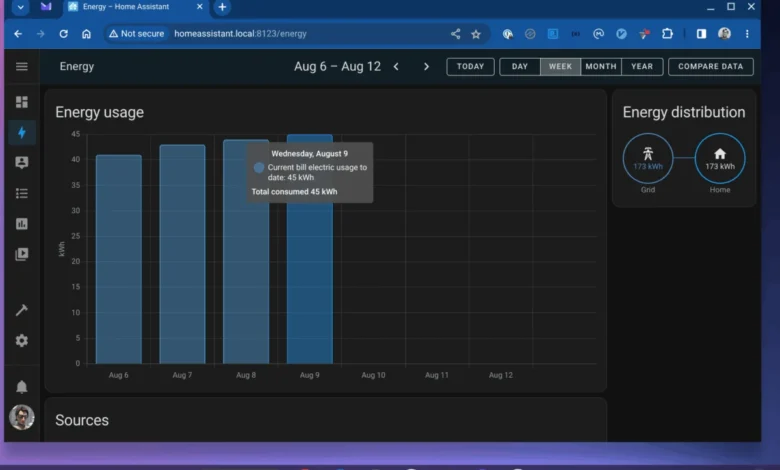
Adding to the software and protocol debates, the hosts reviewed a recent audience-driven migration trend: the mass movement of advanced smart home users transitioning their setups to Home Assistant. Moving away from closed ecosystems toward open-source home automation software has become a growing movement among tech enthusiasts seeking local control, enhanced privacy, and better integration across disparate device manufacturers. To assist listeners navigating this space, the episode also offered practical guidelines on preparing residential power setups for upcoming smart energy management programs—an increasingly vital topic as grid operators push for automated demand-response capabilities.
Geopolitics, Critical Infrastructure, and Semiconductor Realignment
Beyond the consumer smart home, the episode ventured into high-stakes industrial security and global supply chain shifts. The hosts discussed a chilling investigative report by cybersecurity journalist Kim Zetter regarding mysterious radiation spikes and potential hardware tampering with radiation sensors located in and around the Chernobyl exclusion zone. The incident underscores the vulnerabilities inherent in legacy industrial control systems and remote sensors connected to broader networks without robust, localized validation safeguards.
On the hardware front, the conversation shifted to major structural realignments within the global semiconductor industry. Major market players—including Qualcomm, NXP Semiconductors, and Infineon—have recently joined forces to back a new company dedicated to accelerating the commercialization and adoption of the open-source RISC-V architecture. This move is widely interpreted as a strategic push to counter proprietary instruction set architectures like ARM, offering device manufacturers greater design flexibility, reduced licensing costs, and supply chain diversification.
Further cementing consolidation within the IoT hardware space, the podcast examined Renesas Electronics’ proposed acquisition of cellular IoT module specialist Sequans Communications. The deal highlights an aggressive push by major semiconductor firms to vertically integrate cellular connectivity directly into their microcontrollers and edge-computing portfolios, catering to the booming demand for asset tracking, smart metering, and industrial telemetry.
In the realm of autonomous systems, the hosts turned their attention to California-based drone startup Birdstop. The company has been securing new funding to scale its network of Beyond Visual Line of Sight (BVLOS) drones across the United States. Birdstop’s operational model positions automated drone networks to function akin to satellite constellations, providing continuous, on-demand aerial monitoring and security coverage for critical national infrastructure assets such as pipelines, electrical substations, and telecommunications hubs.
Honeywell and the Edge Intelligence Revolution

The centerpiece of the episode was an in-depth interview with Muthu Sabarethinam, Vice President of AI and Machine Learning Products and Services at industrial conglomerate Honeywell. The discussion centered on Honeywell’s strategic vision for leveraging operational data extracted from physical machinery to build high-value predictive maintenance and enterprise services, with a specific focus on the deployment of TinyML (Tiny Machine Learning) directly onto field sensors.
Sabarethinam detailed the engineering and business rationale behind Honeywell’s push to run machine learning algorithms directly on resource-constrained microcontrollers embedded within industrial sensors, rather than relying entirely on cloud-based architectures or heavy edge gateways. By moving intelligence to the absolute edge—the sensor itself—Honeywell aims to resolve three primary challenges inherent in industrial IoT deployments: security, power consumption, and latency.
Security and Latency Benefits at Scale
In industrial settings, transmitting raw operational data continuously to the cloud introduces significant cybersecurity attack surfaces and potential privacy liabilities. Sabarethinam explained that processing data locally via TinyML minimizes the amount of sensitive operational telemetry that must transit across external networks. Only anomalous insights, compressed metadata, or critical alerts are transmitted upward, drastically narrowing the window for interception or unauthorized access.
Latency is another critical factor. In high-speed manufacturing environments, commercial aviation systems, and complex oil and gas facilities, waiting for data to travel to a cloud server and back to trigger an actuator is often too slow to prevent catastrophic equipment failures. TinyML enables real-time, sub-millisecond anomaly detection and automated responses directly at the point of measurement.
Furthermore, power efficiency remains paramount for industrial deployments. Many remote sensors rely on limited battery supplies, energy harvesting, or constrained wiring. Running complex models locally through optimized TinyML frameworks minimizes heavy data transmission over power-hungry wireless protocols like cellular or Wi-Fi, thereby extending the operational lifespan of deployed hardware.
Packaging Algorithms for Mass Deployment
Managing artificial intelligence across a massive installed base presents unique logistical challenges. For perspective, Honeywell currently supports more than one million industrial sensors actively operating in the field worldwide—any or all of which represent potential deployment targets for localized TinyML upgrades.
During the interview, Sabarethinam shared strategic insights regarding how industrial technology companies must package their algorithms to facilitate frictionless, scalable deployment. Standardizing model architectures, creating modular firmware updates, and utilizing containerized deployment pipelines are viewed as essential steps to ensure that machine learning models can be pushed, updated, and validated across millions of heterogeneous physical devices without requiring manual technician intervention on-site.
The conversation concluded with an examination of evolving enterprise business models. Sabarethinam addressed how modern industrial customers increasingly demand flexible access to actionable data rather than static hardware purchases. Transitioning from traditional equipment sales to outcome-based service models—where customers pay for guaranteed uptime, predictive health monitoring, and optimized operational efficiency—is reshaping how industrial giants like Honeywell monetize software and artificial intelligence at the edge.
Conclusion and Broader Implications
The latest broadcast underscores a pivotal transitional phase across both consumer and enterprise technology sectors. While the consumer smart home struggles with foundational interoperability bottlenecks and shifting protocol standards, the industrial sector is racing toward radical decentralization through edge intelligence and open-source hardware architectures.
As initiatives like Honeywell’s deployment of TinyML demonstrate, the future of the Internet of Things lies not in hoarding raw data in distant cloud servers, but in distributing intelligence directly to the physical edge. Whether applied to automated drone networks safeguarding critical infrastructure, open-source smart home automation platforms, or silicon-level semiconductor realignments, the overarching trend is clear: resilience, security, and real-time responsiveness will define the next generation of connected systems.