Photographer Takes to the Streets with Dyson’s $499 CameraJet Toothbrush for Unorthodox Street Photography Experiment

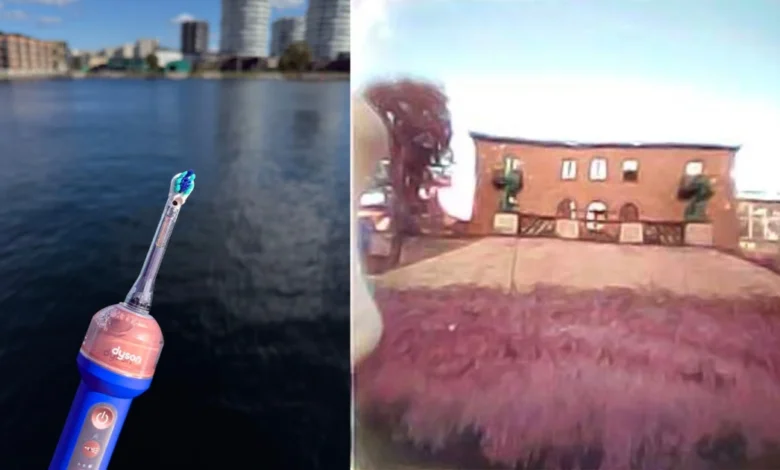
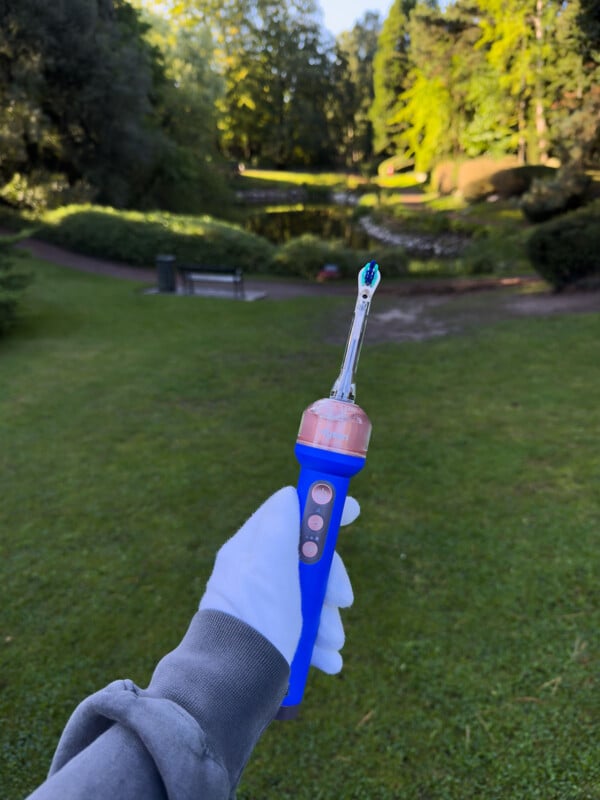
The modern intersection of consumer technology and creative arts has yielded numerous bizarre collaborations, but few have puzzled and delighted observers quite like the recent street photography experiment conducted by an Instagram creator known as "all gear no skill." Armed with the newly released $499 Dyson CameraJet—an electric toothbrush equipped with an integrated endoscopic lens—the photographer hit public thoroughfares to document urban environments through the literal micro-optics of dental hygiene hardware.
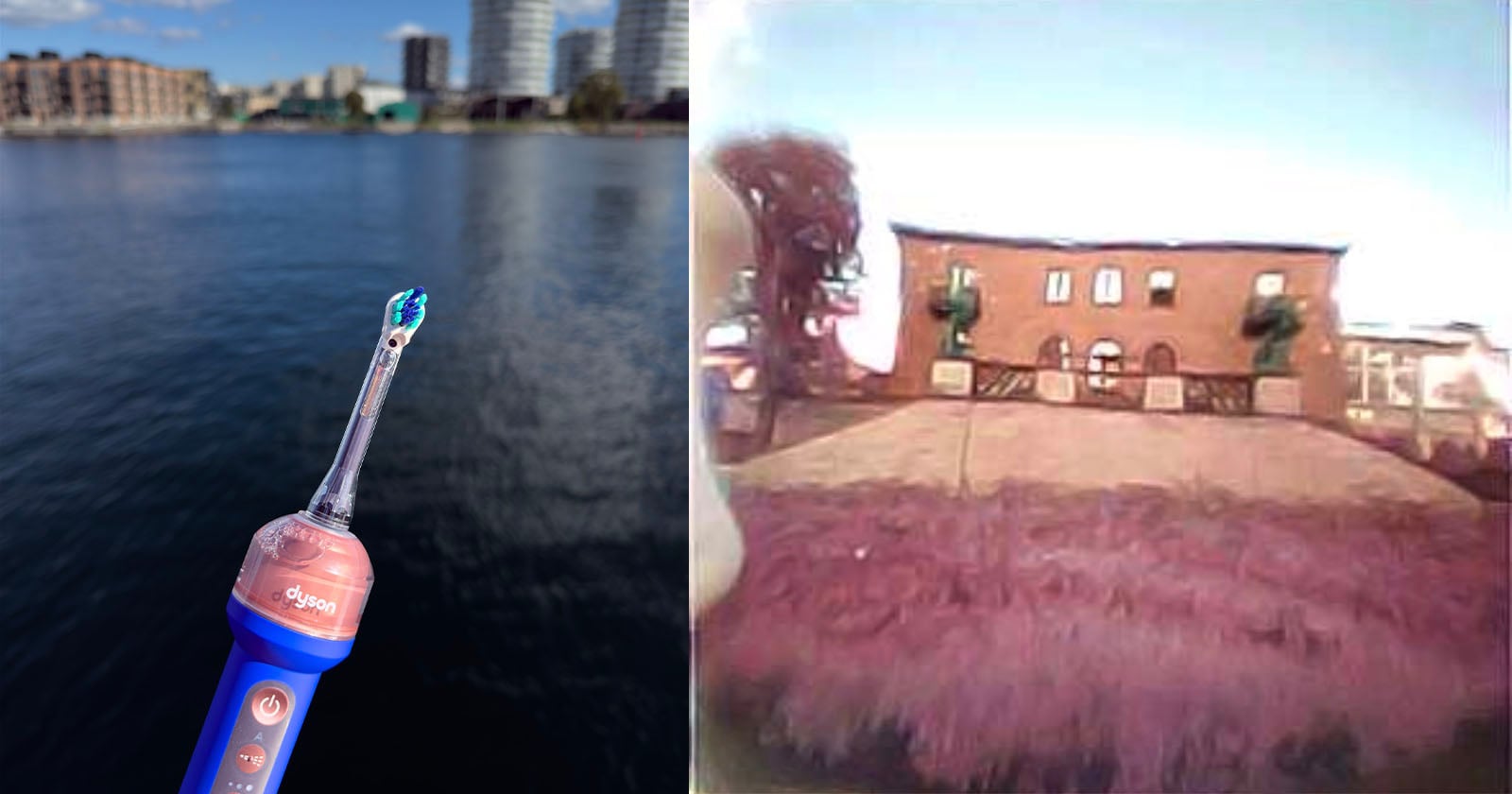
The stunt highlights an ongoing consumer electronics trend that sees manufacturers embedding digital cameras into everyday household items, sparking broader conversations about device convergence, the democratization of capture tools, and the shifting definitions of what constitutes a photographic instrument.
The Rise of Multi-Functional Everyday Hardware
Released earlier this month, the Dyson CameraJet quickly became a talking point among technology analysts and lifestyle commentators alike. Priced at $499, the high-end electric toothbrush features an internal endoscopic camera engineered specifically for intraoral observation, allowing users to inspect hard-to-reach areas of their dental architecture via a companion smartphone application.
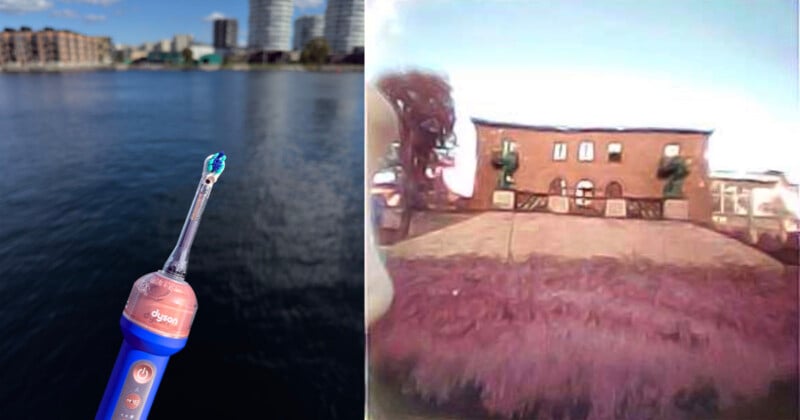
However, the inclusion of a functional digital image sensor immediately caught the attention of experimental creators. Within the photography community, a long-standing running joke has jested that high-end Leica cameras are exclusively the domain of dentists with disposable income. When Dyson introduced a high-priced personal care appliance featuring professional-grade optical monitoring capabilities, creators recognized an irresistible opportunity to invert this trope.
"There’s the running joke of ‘dentists owning Leicas’ in the photo community, so when I saw Dyson dropping the toothbrush with a camera, I knew it just had to be used for street photos," the creator explained in an interview. "It just makes sense."
The photographer behind the account "all gear no skill" is no stranger to unconventional artistic methods. Her previous digital exploits include colorizing monochromatic images captured with the specialized Leica M10 Monochrom, and scanning thermal print outputs utilizing ultra-high-resolution 150-megapixel Phase One medium-format camera systems. Her overarching philosophy posits that the technical constraints and playful misuse of machinery should ultimately serve the pursuit of creative enjoyment. "Photography should be fun," she noted.
Technical Limitations and Aesthetic Results
Conducting a street photography session with a dental hygiene device presented distinct technical hurdles. Designed strictly for close-range medical macro-inspection inside the oral cavity, the Dyson CameraJet’s endoscopic sensor operates under parameters entirely alien to traditional street photography lenses.
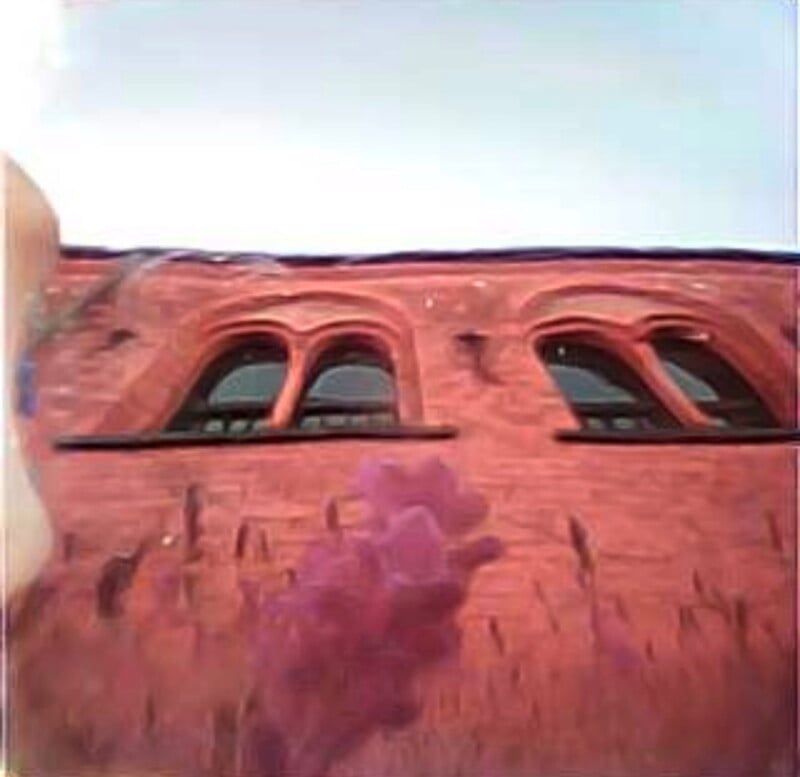
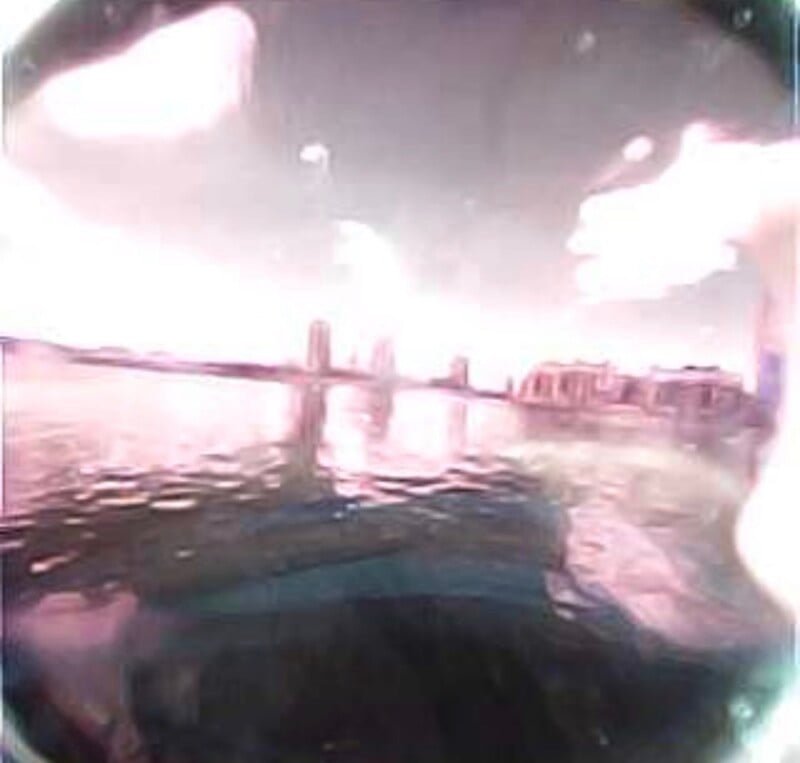
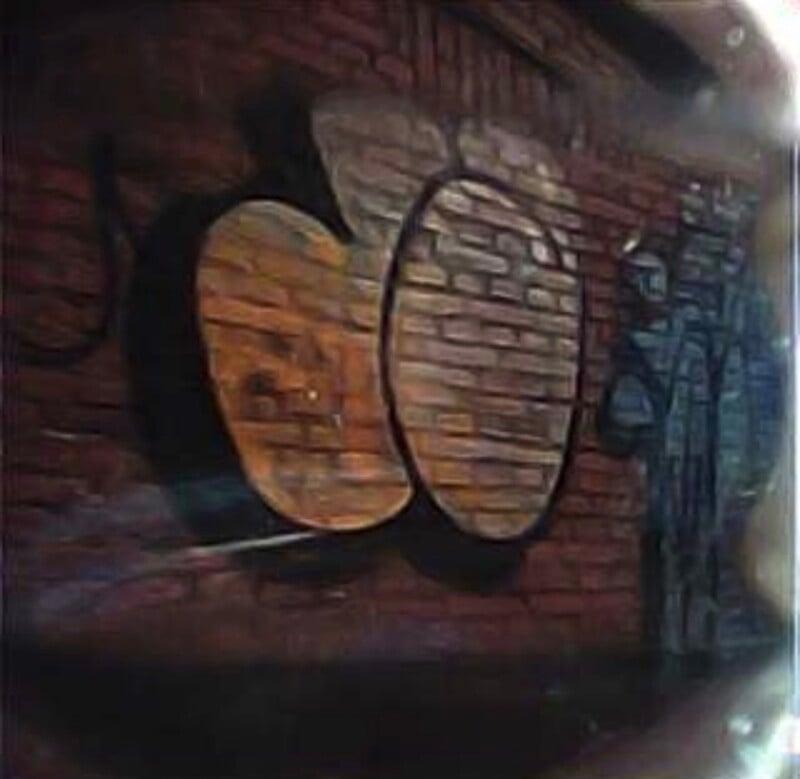
According to field assessments, the device’s camera demands precise ambient light management, struggling heavily with dynamic ranges. It requires substantial illumination to register details, yet easily overexposes when introduced to bright, open-air environments. Furthermore, the built-in optics feature an extreme fisheye distortion profile, warping straight architectural lines into surreal, curved geometries.
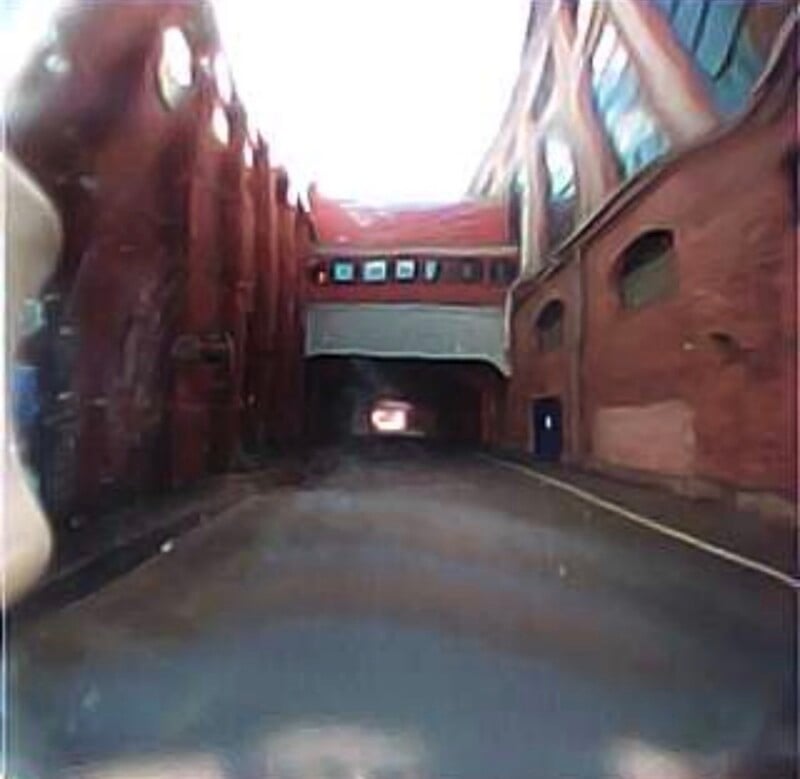
When removed from the controlled, dark environment of the mouth and pointed at public parks, brick buildings, and urban landscapes, the CameraJet yields results that the creator characterizes as "straight out weird." The color science and white balance shift wildly depending on atmospheric lighting conditions, creating an ethereal aesthetic that observers have likened to early 2020s generative artificial intelligence output or vintage infrared (IR) photography. Resolution is exceptionally limited compared to modern smartphones or mirrorless cameras, lending each frame a raw, dreamlike distortion reminiscent of early experimental pinhole or toy camera projects.
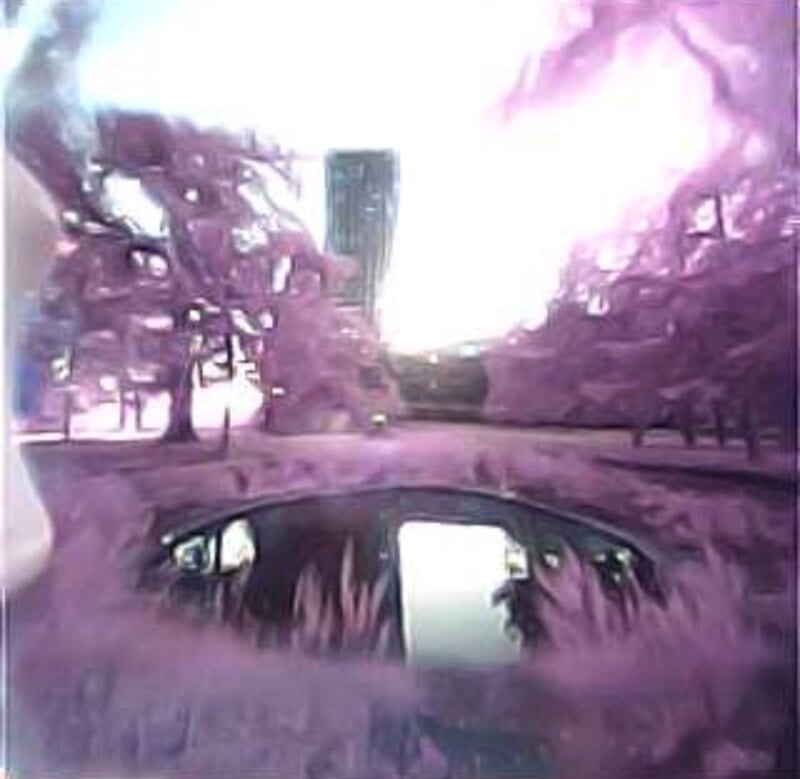
Operating the hardware in the field also required navigating peculiar software limitations. Dyson engineered the device with strict data privacy protocols; the CameraJet does not locally store image or video files on the toothbrush itself, nor does it upload captured media to cloud storage infrastructure. Instead, it streams footage exclusively in real-time to the user’s smartphone application. Because the software contains no native recording or capture function, the photographer had to improvise by manually taking high-resolution screenshots of her smartphone display while the live feed streamed from the streets.
Ironically, despite the unconventional workflow, the creator praised the software’s engineering. "The app works really well, connects easily, and there’s very little lag in the feed," she observed. "It’s rather funny that a toothbrush app delivers a better experience than some camera manufacturer’s own apps…"
Public Reactions and the Modern Street Photography Debate
The resulting imagery quickly garnered widespread public attention across social media platforms. Spectators on Instagram reacted largely with amusement and curiosity, praising the surreal visual texture of the shots. Observers frequently compared the distorted angles and unpredictable color palettes to synthetic media generated by early-generation neural networks.
Yet, the experiment faced resistance from institutional gatekeepers within the digital community. When the photographer submitted her portfolio of toothbrush-captured street scenes to the popular Reddit community r/streetphoto, platform moderators removed the thread. The rationale provided was that the submission violated the subreddit’s strict "street photography only" guidelines.
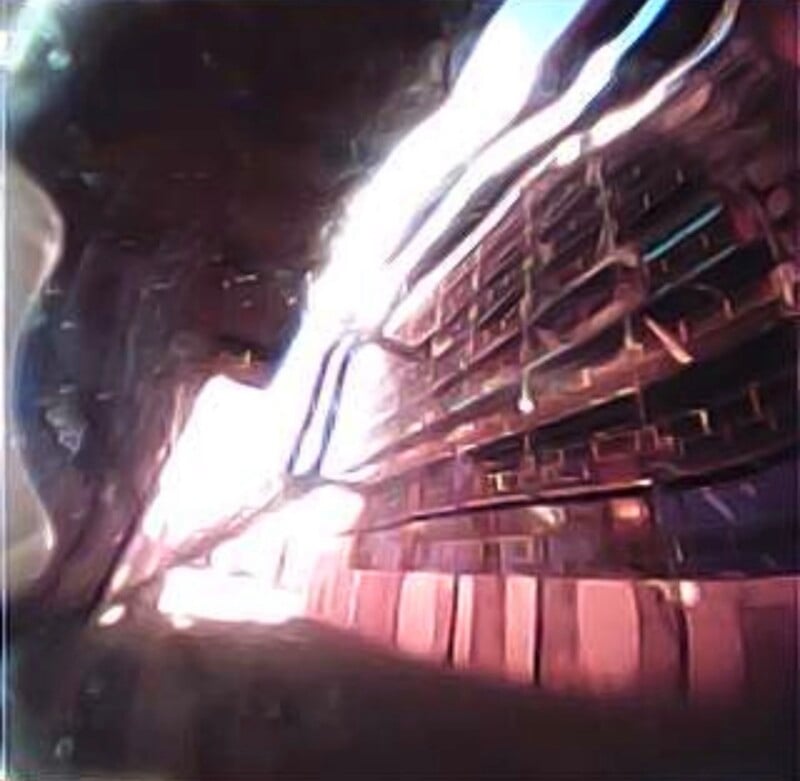
Despite subsequent appeals to the moderation team explaining the literal mechanical nature of the capture device, the ruling was upheld. "I’ve reached out to the mods explaining that I was using a toothbrush to take photos on the streets," she shared. "They reviewed the post and decided not to reinstate it because ‘It is not street photography.’ I am very hurt by their decision."
This bureaucratic rejection touches on a persistent philosophical debate within the visual arts community regarding medium purity versus conceptual experimentation. Street photography has historically celebrated marginal equipment—from clandestine 35mm rangefinders in the mid-20th century to modern smartphone snapshots. However, the introduction of non-traditional consumer hardware forces a reevaluation of technical boundaries, challenging curators and online communities to decide whether the artistic intent and urban subject matter outweigh the commercial classification of the tool used.
Broader Industry Implications and Technological Convergence
The Dyson CameraJet experiment arrives at a time of profound evolution in consumer electronics. As micro-sensors become increasingly inexpensive and ubiquitous, manufacturers across diverse industries are racing to integrate digital vision into everyday consumer goods. From smart refrigerators and AI-enabled home security devices to health-monitoring wearables and dental care products, ambient computing is rapidly transforming passive objects into active data-collection nodes.
While Dyson markets the camera feature of its $499 toothbrush strictly as a functional tool for personal hygiene verification and dental health tracking, creative interventions like the one demonstrated by "all gear no skill" illustrate the unpredictable ways consumers repurpose closed technological ecosystems. These experiments highlight the friction between corporate product design—which aims to tightly control user interaction through proprietary applications and closed-loop software—and the creative impulse of consumers who seek to subvert single-purpose appliances for artistic expression.
As device convergence accelerates, creators will likely continue pushing the boundaries of hardware functionality, utilizing non-traditional lenses and sensors to challenge conventional aesthetics. Whether traditional gatekeepers choose to embrace these digital anomalies or relegate them to the realm of internet novelties, such artistic interventions serve as a reminder that creativity relies as much on human ingenuity and humor as it does on optical perfection.