The Girl with the Leica: How a Cinematic Retelling Reckons with the Lost Legacy of Gerda Taro

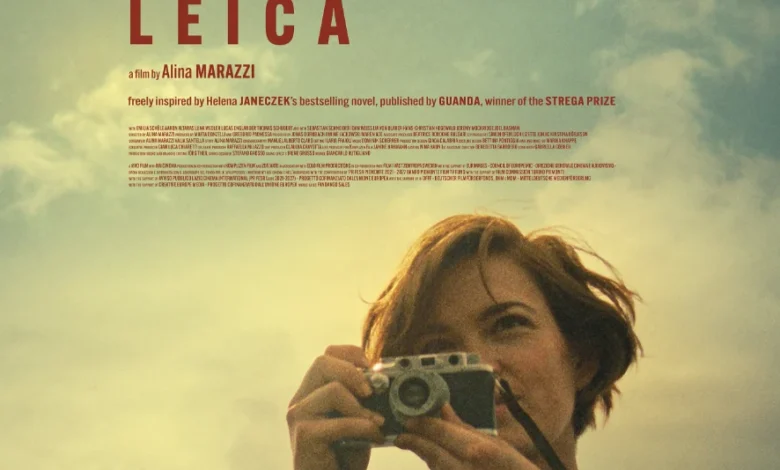
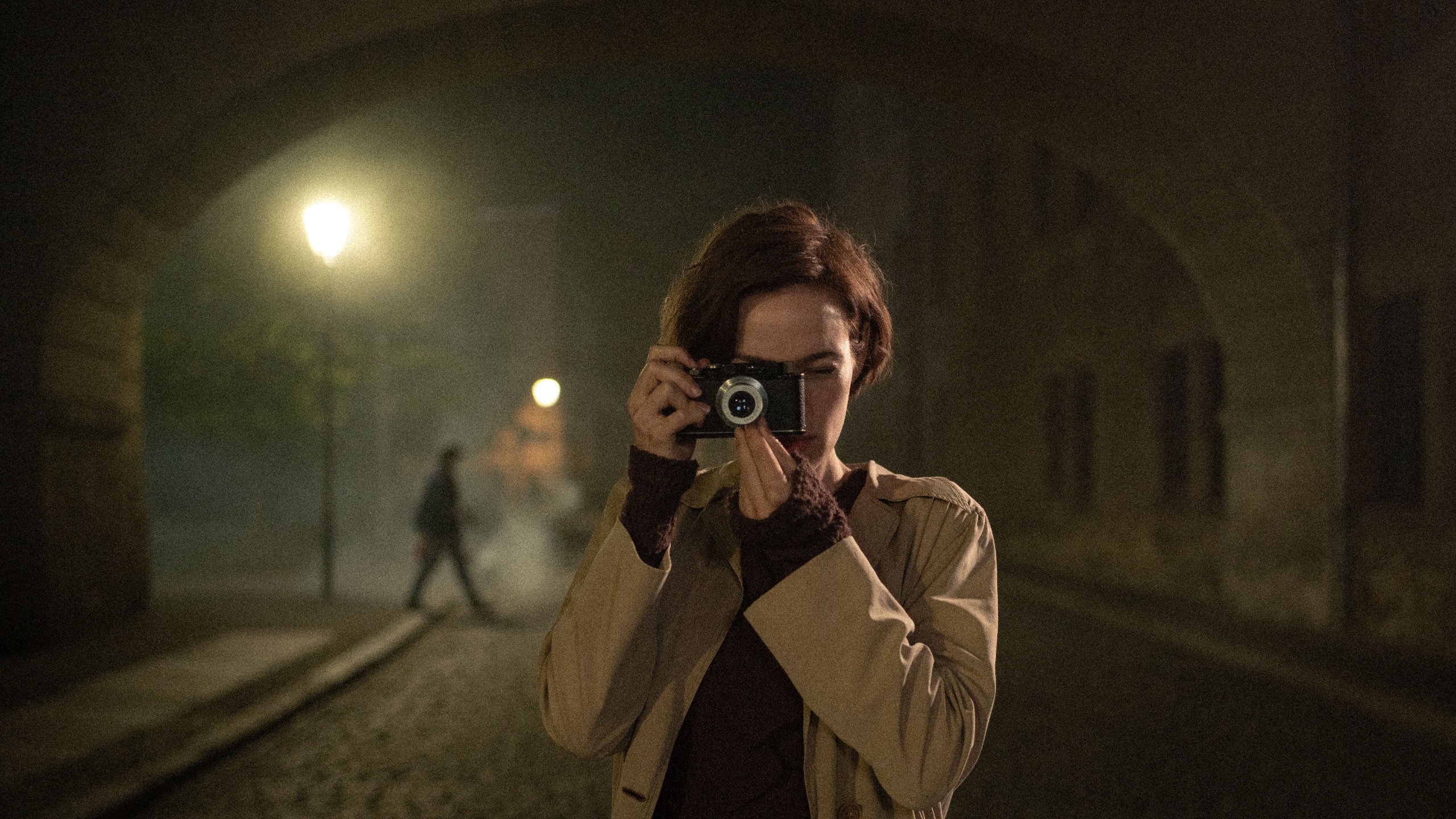
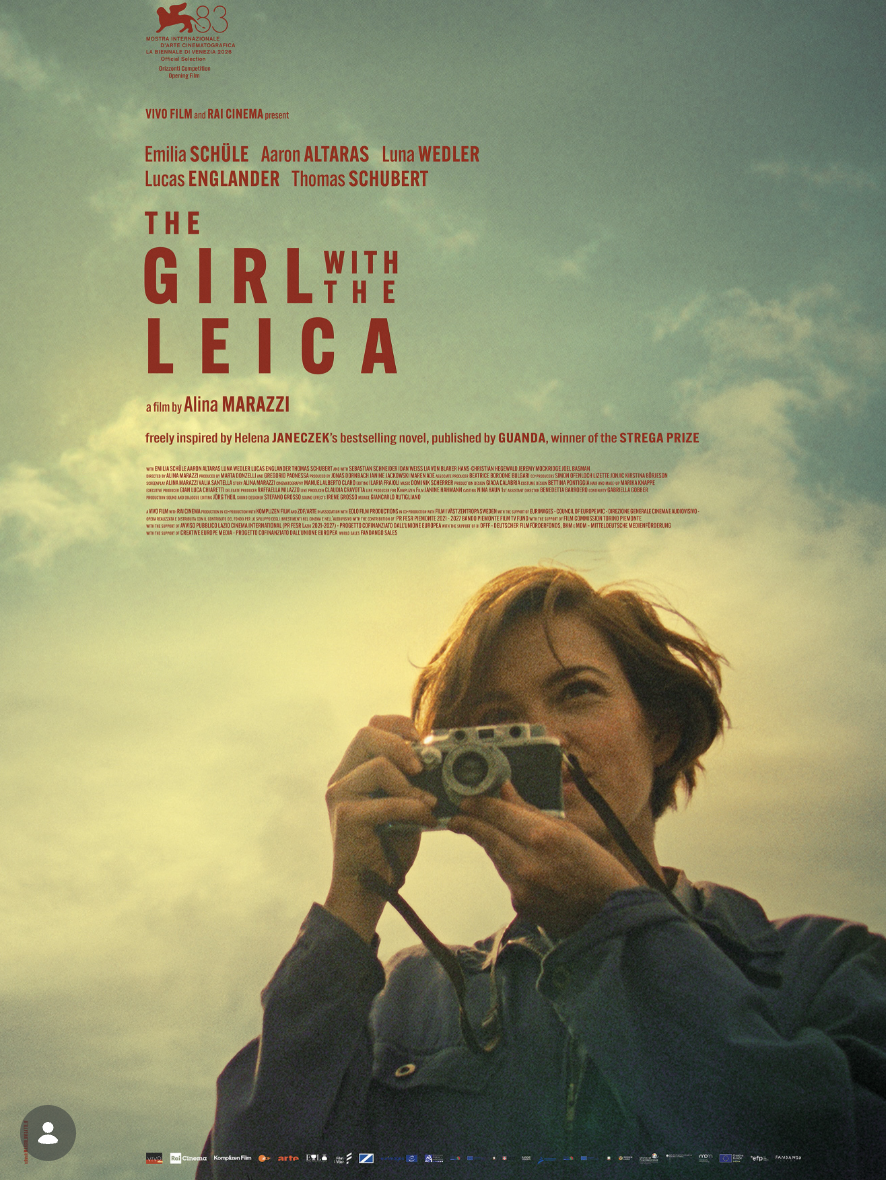
Alina Marazzi’s biographical drama, The Girl with the Leica, made its highly anticipated debut at the Venice Film Festival this month, reigniting a long-standing conversation regarding the erasure of female pioneers in the history of photojournalism. While the film has garnered attention for its aesthetic choices—capturing the frenetic energy of the jazz age and the intense, often romanticized bond between its leads, Emilia Schüle as Gerda Taro and Aaron Altaras as André Friedmann—it serves a more profound purpose for the photography community. Beyond the cinematic lens, the film forces a confrontation with one of the most significant misattributions in 20th-century history: the creation of the “Robert Capa” myth and the subsequent shadow it cast over Taro’s life and death.
The Invention of Robert Capa
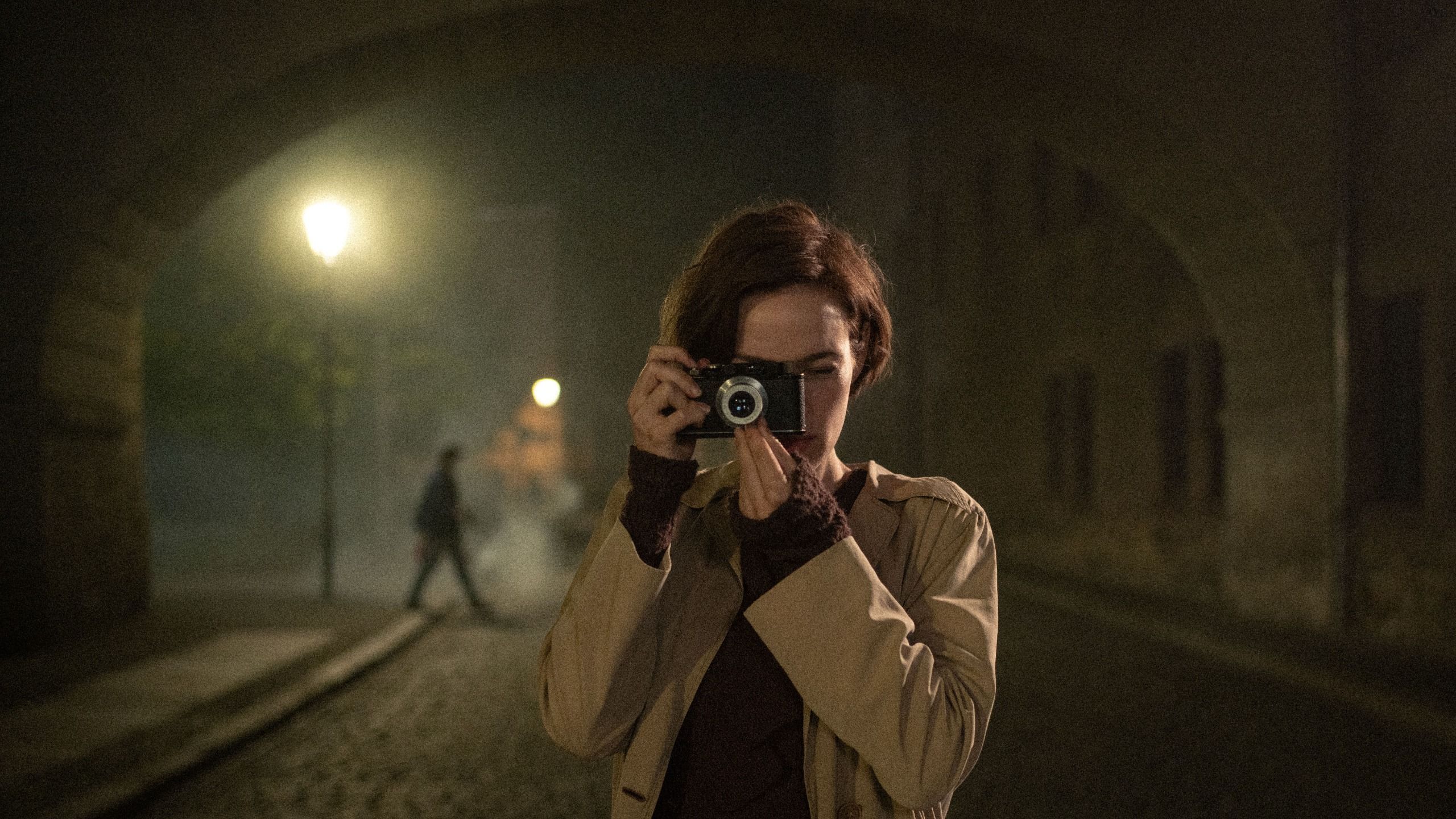
In the mid-1930s, Europe was a pressure cooker of political instability and rising fascism. For Jewish émigrés like Gerda Taro and the Hungarian-born André Friedmann, the professional landscape was increasingly hostile. Their decision to adopt the pseudonym “Robert Capa” was, first and foremost, a survival tactic. In the film, this moment is depicted not as a cynical ploy for fame, but as a pragmatic business maneuver. By constructing a persona that sounded quintessentially American—glamorous, confident, and free from the systemic prejudices of the era—they were able to secure assignments and command higher fees that might otherwise have been denied to them as foreigners and Jews.
Historical records confirm that the name Robert Capa was entirely fictional, a brand designed to appeal to picture editors who were largely oblivious to the actual identities of the two photographers behind the lens. For a time, this strategy proved remarkably successful, allowing the pair to document the brutality of the Spanish Civil War with an immediacy that would define the genre of modern war photography.
A Chronology of Collaboration and Erasure
The partnership between Taro and Friedmann was both professional and deeply personal, characterized by a shared commitment to anti-fascist reporting. However, the trajectory of their collaboration was tragically cut short.
- 1935: Gerda Taro and André Friedmann move to Paris, where they begin their collaboration.
- 1936: The Spanish Civil War begins; the pair travels to the front lines to document the conflict.
- July 26, 1937: At the age of 26, while covering the retreat from the Battle of Brunete, Gerda Taro is fatally struck by a Republican tank. She becomes the first female photojournalist to die while covering a war.
- 1938–1954: André Friedmann continues to work under the name Robert Capa, cementing the pseudonym as one of the most prestigious names in photography. Much of the work captured by both photographers remains largely attributed to the singular identity of Capa.
- 2007: The “Mexican Suitcase” is rediscovered in Mexico City, containing thousands of negatives from the Spanish Civil War that had been missing for over 70 years.
- 2024: The release of The Girl with the Leica brings renewed critical scrutiny to the archival reassessment of Taro’s contributions.
For seven decades, the historical record was skewed. Because Taro’s work was housed within the Capa archive and marketed under his name, her visual signature was effectively absorbed into his legacy. It was not until the discovery of the Mexican Suitcase—a collection of three boxes of negatives that had been misplaced during the chaotic flight of the Republican forces—that historians could conduct the forensic analysis necessary to separate their individual bodies of work.
Forensic Archival Work and Attribution
The forensic process of separating these images was a monumental task for photo historians. By analyzing the physical negatives, camera types, and the specific vantage points captured in the field, researchers were finally able to distinguish Taro’s aesthetic from Friedmann’s. This shift in attribution is not merely a matter of academic record-keeping; it represents a fundamental correction of the historical narrative.
Many of the photographs previously credited to the legendary Robert Capa were, in fact, the product of Taro’s deliberate, often precarious positioning on the battlefield. The implications of this are significant. It challenges the "Great Man" theory of history, which often overlooks the contributions of women in high-risk environments. The fact that it took 70 years to rectify this error speaks to the systemic nature of institutional bias in photography archives.
Industry Implications: The Value of the Byline
For modern practitioners, the story of Taro and Friedmann serves as a sobering reminder of the importance of metadata and ownership. In an era where digital content is easily stripped of its origin, the struggle for proper credit remains as relevant as ever.
In the publishing world, “additional photography” credits are frequently omitted, and the editorial urge to prioritize a recognizable "brand" over a contributor can often lead to the marginalization of junior or lesser-known photographers. The saga of Robert Capa and Gerda Taro is the extreme, historical endpoint of this phenomenon. When a byline is treated as a flexible marketing tool rather than a record of authorship, the history of the art form itself is compromised.
Critical Reception and the Cinematic Challenge
While The Girl with the Leica aims to restore Taro’s visibility, it has faced criticism regarding its ability to fully capture the essence of its subject. Reviewer Lee Marshall of Screen Daily noted that the film’s impressionistic style sometimes keeps the viewer at a distance, struggling to bring the pioneering photojournalist into sharp focus.
This tension between the subject and the representation is perhaps appropriate. Gerda Taro was a woman who spent her career documenting the most chaotic moments of her time, only to be silenced by an early death and decades of institutional oversight. To fully capture her life, a film must navigate the duality of her existence: as a woman in a male-dominated field, and as a ghost whose name was omitted from the canon of photography for the better part of a century.
Broader Impact and Legacy
The legacy of Gerda Taro has evolved from a footnote in the history of Robert Capa to a central pillar of 20th-century photojournalism. As institutions continue to digitize their collections and apply modern forensic techniques to historical archives, the potential for further corrections remains high.
The Girl with the Leica will continue its tour through the festival circuit, including a screening at Filmfest Hamburg on September 29. For those interested in the evolution of the field, the film serves as more than just a biopic; it is a case study in the power of the archive and the necessity of preserving the truth behind the image.
As we look at the current list of the "50 Best Photographers Ever," the inclusion of names that were once obscured by broader, more commercialized identities highlights a slow but necessary shift. The story of Gerda Taro teaches us that while the "Capa" brand may have been a masterstroke of marketing for the 1930s, the history of photography is ultimately defined by the individuals who stood behind the camera, regardless of the name that was printed on the page. By finally acknowledging Taro’s distinct eye and her contributions to the documentation of the Spanish Civil War, the industry is not just correcting a ledger—it is restoring a vital voice to the history of the medium.