Blizzard Entertainment Announces World of Warcraft: Forever, Stepping Beyond Vanilla Nostalgia into Brand-New Azeroth Adventures

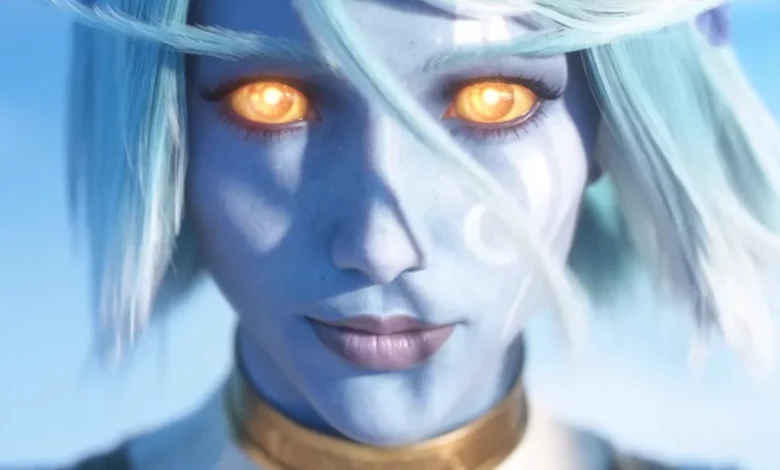
Blizzard Entertainment has officially confirmed the worst-kept secret in the massively multiplayer online role-playing game (MMORPG) community, announcing a brand-new branching ecosystem for its flagship title titled World of Warcraft: Forever. Revealed during the opening ceremony of BlizzCon, the project—frequently whispered about by fans and industry insiders under the moniker "Classic Plus"—resets the game’s timeline directly back to 2004, the monumental year the original game first launched.
However, unlike previous retro initiatives such as World of Warcraft: Classic, Forever is not designed to serve purely as a museum piece or a nostalgic trip down memory lane. Instead of preserving the original vanilla experience in amber, Blizzard aims to use the 2004 framework as a permanent jumping-off point. World of Warcraft: Forever will actively chart an alternative timeline for Azeroth, introducing entirely new storylines, regions, quests, and gameplay systems that were never realized during the MMO’s initial, historical decade of progression.
A Strategic Shift Inspired by Industry Precedents
The philosophy driving World of Warcraft: Forever bears a striking resemblance to the strategy employed by Jagex with Old School RuneScape (OSRS). When Jagex famously stumbled upon a backup of the 2007 build of RuneScape, the studio treated the historical version not as a static artifact, but as a living foundation. By letting players vote on new updates and steering the game along an independent evolutionary path, OSRS eventually eclipsed the subscriber counts and engagement metrics of the main RuneScape branch.
Blizzard appears to be adopting this exact methodology for Azeroth. For years, a vocal segment of the World of Warcraft community has argued that the trajectory of the game fundamentally changed—and for some, fractured—with the release of the 2010 expansion, Cataclysm, which permanently altered the physical face of the original continents of Kalimdor and Eastern Kingdoms. World of Warcraft: Forever directly addresses this sentiment, offering a sanctuary for players who prefer the slower pacing, systemic design, and world-first philosophy of early-era design, while simultaneously offering completely fresh narrative horizons so that veteran players do not simply tread familiar ground.
Launch Schedule, Beta Access, and Pricing Models
Blizzard has structured an aggressive rollout for World of Warcraft: Forever to capitalize on the immediate momentum generated at BlizzCon. Attendees at this weekend’s convention will be among the first in the world to get hands-on access to the game on the convention floor. Following the initial weekend preview, a closed beta testing phase is scheduled to kick off immediately on Thursday, allowing developers to stress-test servers and gather foundational feedback from the community.
The full, official global release of World of Warcraft: Forever is slated for November 4, giving the development team a tight window to iterate based on beta telemetry.
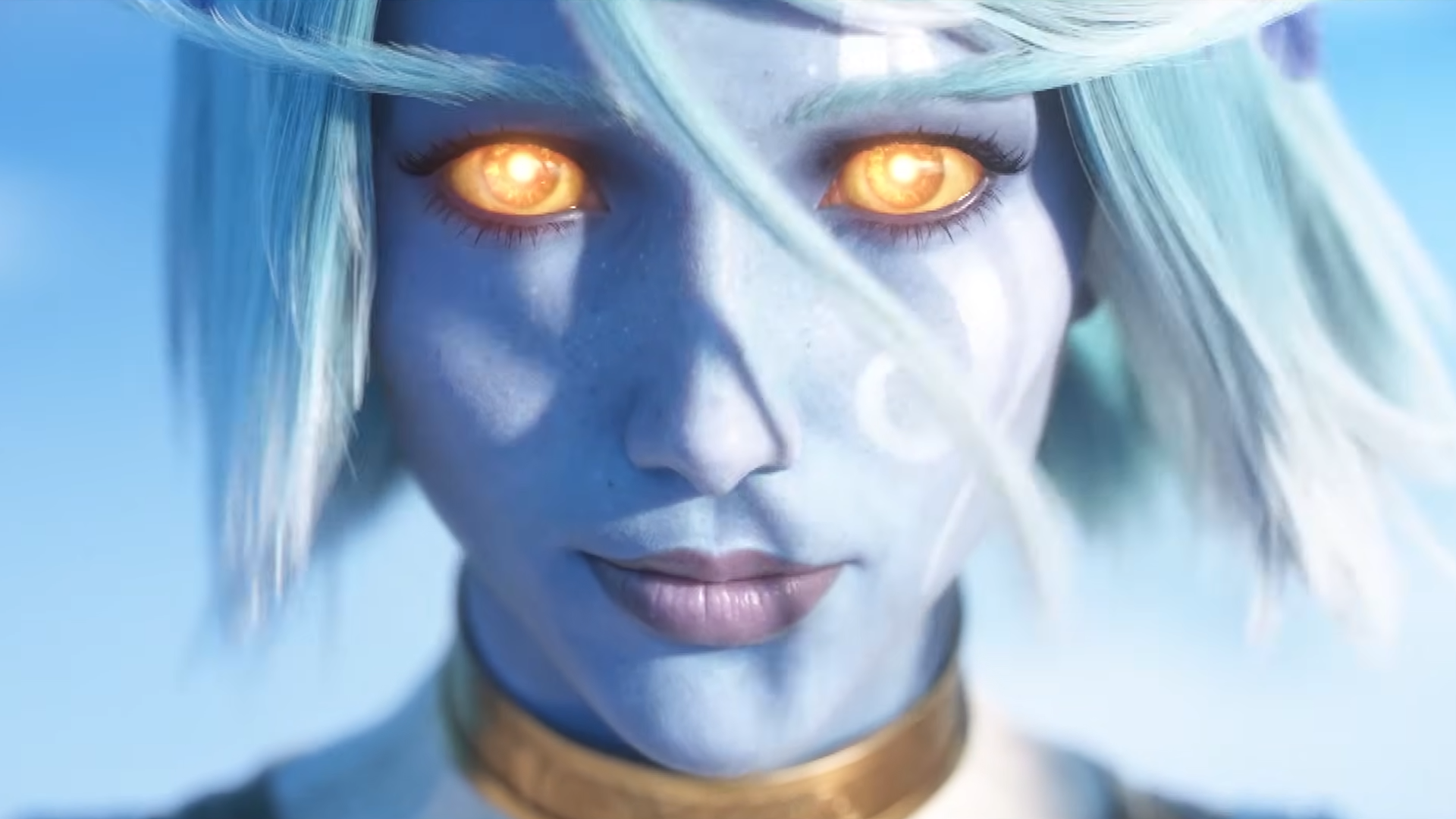
Regarding monetization, Blizzard has confirmed that access to World of Warcraft: Forever will be fully included within the standard, pre-existing monthly World of Warcraft subscription fee, meaning current subscribers will not need to pay a separate recurring charge to access the new timeline. However, for players looking for cosmetic enhancements and early perks, optional upgrade packs will be available for purchase starting at $30 through Battle.net. These bundles include specialized bonuses, such as access to the new Skyborne playable race, designed to give early adopters distinct flavor options as they step into the reimagined world.
Industry Analysis: Fragmenting the Player Base or Expanding the Umbrella?
The introduction of World of Warcraft: Forever means that Blizzard will now simultaneously maintain three distinct, official iterations of its universe: the modern, current-expansion retail game; the historical progression realms of World of Warcraft: Classic; and now, the diverging timeline of Forever.
This multi-pronged approach introduces notable logistical challenges. Analysts and long-time industry observers have raised questions regarding whether maintaining three parallel versions of the same foundational intellectual property risks diluting the active player base, potentially spreading guilds, raiding communities, and economy systems too thin across divergent servers.
Yet, historical data suggests that Blizzard is uniquely positioned to weather this fragmentation. World of Warcraft remains one of the most resilient and financially robust franchises in PC gaming history. Furthermore, market research across the MMO sector indicates that different versions of a long-running game often attract entirely distinct demographic segments. While modern retail expansions appeal to players seeking high-end raid encounters, fast-paced action combat, and seasonal progression, historical servers draw players seeking community-driven roleplay, slower leveling curves, and horizontal progression systems. By catering to these disparate psychological motivations under a single corporate umbrella, Blizzard effectively inoculates itself against subscriber churn, capturing players who might otherwise cancel their subscriptions due to dissatisfaction with a single active expansion.
Background Context and Community Expectations
The journey toward World of Warcraft: Forever has been paved by years of intense community speculation and internal pressure. When World of Warcraft: Classic launched in 2019 to unprecedented commercial success and massive queues, it proved that millions of players held a deep nostalgia for the game’s original design philosophy. Subsequent releases covering The Burning Crusade and Wrath of the Lich King further proved the enduring viability of retro servers.
However, once the classic progression reached the Cataclysm expansion—the point where the original world was permanently sundered—the community split. A significant faction of players made it clear they did not wish to relive the subsequent expansions, yet they had exhausted every piece of original 2004 content available.
By greenlighting "Classic Plus" under the banner of World of Warcraft: Forever, Blizzard is finally delivering on the most requested feature in the game’s recent history. Developers have promised that while the game will respect the foundational identity of 2004 Azeroth—retaining the challenging leveling experience, class design philosophies, and social dependencies that required cooperative play—it will incorporate modern quality-of-life improvements where appropriate to remove archaic friction without sacrificing core immersion.
As the beta testing phase opens this Thursday and the November 4 launch date rapidly approaches, all eyes in the PC gaming community will be fixed on Blizzard. If World of Warcraft: Forever successfully captures the magic of the original 2004 release while delivering compelling, untold stories, it could redefine the lifespan and operational strategy of massively multiplayer online games for decades to come.
Related posts: