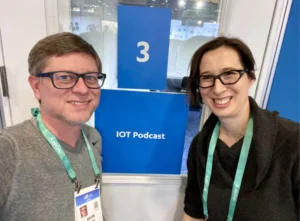
After an influential eight-year run chronicling the evolution of connected devices, consumer automation, and industrial technology, The Internet of Things Podcast has officially broadcast its final episode. Episode 437 marks the end of an era for the prominent audio program, which established itself as a definitive weekly touchstone for engineers, enterprise leaders, and smart home enthusiasts alike. Rather than dedicating the swan song to the breaking technology headlines of the week—such as Arm’s high-profile initial public offering (IPO), Brilliant’s latest display hardware additions, or Leviton’s second-generation smart circuit breakers—hosts chose to turn the microphone inward. The milestone final installment focused on reflecting upon nearly a decade of industry maturation, detailing the personal motivations behind stepping back from weekly production, and offering listeners a curated roadmap of alternative resources to navigate the continuously expanding IoT landscape.
A Retrospective on Eight Years of Connected Evolution
Launched into a nascent market during a period when connected hardware was largely fragmented and experimental, The Internet of Things Podcast grew alongside the very industry it covered. The landscape of 2016 bore little resemblance to the interconnected ecosystem of today. In the early days, smart home setups frequently relied on proprietary bridges, unstable wireless protocols, and incompatible software suites that frustrated mainstream consumers. Over the subsequent eight years, the podcast documented crucial milestones, including the rise and consolidation of voice assistants, the mainstreaming of energy management hardware, and the arduous, multi-year cross-industry effort to establish unified communication standards like Matter.
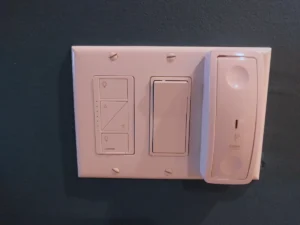
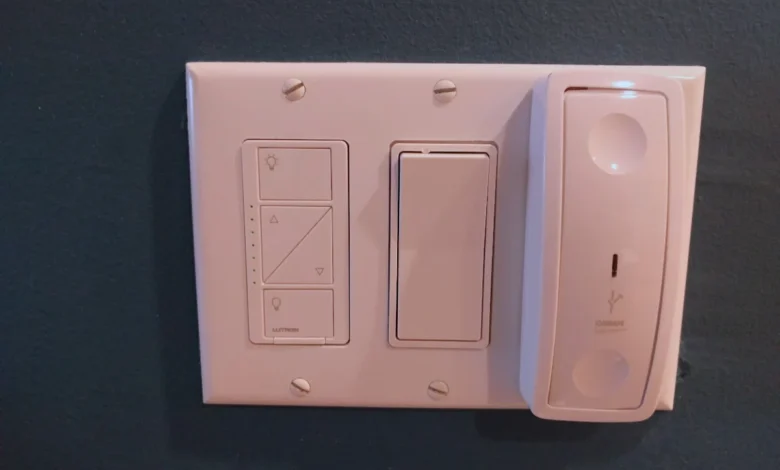
Reflecting on the journey during the final episode, the host noted the personal and professional transformations witnessed while covering the sector full-time. The journey of living on the bleeding edge of consumer technology often meant embracing constant experimentation at home, famously leading to a domestic environment where matching smart light switches became a rarity. Beyond consumer gadgets, the show played a critical role in tracking the quiet revolution of the Industrial Internet of Things (IIoT), supply chain connectivity, and the integration of edge computing into manufacturing and logistics.
Navigating the Future: Curated Resources for IoT Professionals
Recognizing that loyal listeners would seek new avenues for staying informed, the final episode served as a comprehensive clearinghouse for industry intelligence. The hosts shared their personal reading and listening habits, offering a definitive guide to the best remaining channels for IoT, smart home, and tech policy coverage.
For audio content, recommendations included The Mr. Beacon Show, which focuses heavily on tracking technologies and location-based IoT, alongside niche deep-dives found across specialized media networks. In print and digital journalism, foundational outlets such as The Verge, TechHive, and The Ambient were highlighted for their rigorous consumer hardware testing and ecosystem analysis. For enterprise and industrial perspectives, the Industrial IoT Consortium’s Journal of Innovation and the specialized industrial coverage by James Blackman at RCR Wireless were noted as essential reading for professionals tracking enterprise deployments and cellular IoT advancements.
Financial and venture capital movements in the sector remain critical indicators of market health. To capture funding rounds, acquisitions, and strategic investments, the hosts recommended Dan Primack’s Axios Pro Rata newsletter. Additionally, Iskander Smit’s publication, Target is New, was singled out for its sophisticated, philosophical intersections of IoT, artificial intelligence, and industrial design. Community-driven platforms such as Reddit’s r/smarthome and r/homeautomation were also acknowledged for offering a raw, unfiltered look at consumer pain points and grassroots automation troubleshooting.
Jennifer Pattison Tuohy on the State of the Smart Home
Fittingly, the final interview guest was Jennifer Pattison Tuohy, smart home reporter for The Verge. Having covered the connected home beat across multiple tier-one technology publications for nearly a decade, Tuohy brought a macro-level perspective to the broadcast, assessing the current maturity of the ecosystem and evaluating the real-world performance of the fledgling Matter standard.
During the discussion, Tuohy and the hosts analyzed the ongoing friction between proprietary walled gardens and open interoperability. They explored upcoming strategic initiatives from the Connectivity Standards Alliance (CSA) aimed at smoothing out user onboarding and device reliability. A central theme of the conversation revolved around the shifting business models of smart home companies. As the industry moves away from pure hardware sales toward software-as-a-service (SaaS) subscriptions for advanced security, local processing, and data storage, both consumer sentiment and corporate profitability face new trials. Tuohy also shared insights into the debate between heavy infrastructure investments—such as intelligent electrical panels and whole-home energy monitors—versus individual endpoint devices, rounding out the discussion with a look at her own personal smart home configuration.
Answering the Final Listener Inquiries
In keeping with podcast tradition, Episode 437 concluded by addressing a final listener-submitted question. The inquiry challenged the hosts to define what constitutes a truly "complete" smart home and to forecast the next wave of innovation required to propel the industry forward.
The consensus among the panel emphasized that a complete smart home is ultimately invisible. Rather than requiring constant manual intervention, app management, or voice commands, a mature smart home utilizes ambient computing, predictive sensors, and machine learning to anticipate resident needs—adjusting climate, lighting, and security autonomously. Looking toward the future, the integration of generative AI, local edge computing, and privacy-first data processing were identified as the primary catalysts that will define the next decade of home automation.
Implications for the Broader IoT Industry
The conclusion of The Internet of Things Podcast marks a symbolic closing chapter for a generation of independent tech journalism that grew up alongside the smart home boom of the mid-2010s. While dedicated audio coverage of the sector shifts toward institutional networks and enterprise-focused briefings, the departure of veteran voices highlights a broader maturation within the tech media ecosystem.
As the IoT market transitions from a wild-west era of venture-backed gadgets to a consolidated landscape dominated by standardized protocols like Matter and enterprise-grade IIoT frameworks, the need for rigorous, critical analysis has never been greater. The insights archived across 437 episodes serve as a historical record of an industry that successfully transformed how humanity interacts with the physical objects and environments surrounding daily life.
Related posts: