Everything to Know About The Walking Dead Dead City Season 3 Including Plot Details and Cast Updates

The AMC television network has officially confirmed the continued expansion of its flagship horror franchise with the upcoming third season of The Walking Dead: Dead City. As one of the most successful ventures in the post-original series era, Dead City has redefined the narrative boundaries of the zombie apocalypse by shifting the setting from the rural South to the decaying, vertical landscape of Manhattan. Centered on the volatile and deeply traumatic relationship between Maggie Rhee and Negan Smith, the series has moved beyond a simple survival story into a complex exploration of grief, political restructuring, and the possibility of redemption in a world that rarely offers it.
Since its debut, Dead City has garnered significant critical attention for its atmospheric world-building and the chemistry between lead actors Lauren Cohan and Jeffrey Dean Morgan. As the production moves into its third cycle, the narrative is poised to undergo a significant transformation, moving away from the claustrophobic revenge-driven plots of the initial seasons and toward a broader geopolitical conflict involving new governing bodies and internal family schisms.
The Evolution of the Maggie-Negan Dynamic
The foundational pillar of Dead City is the shared history between Maggie Rhee and Negan Smith. For over a decade in real-time and years within the show’s internal chronology, their relationship was defined by a single, brutal act: Negan’s execution of Maggie’s husband, Glenn. This trauma fueled Maggie’s character arc through the latter half of the original series and the first two seasons of the spinoff. However, the conclusion of the second season marked a definitive shift in this dynamic, suggesting that the "cycle of revenge" has finally reached a point of exhaustion.
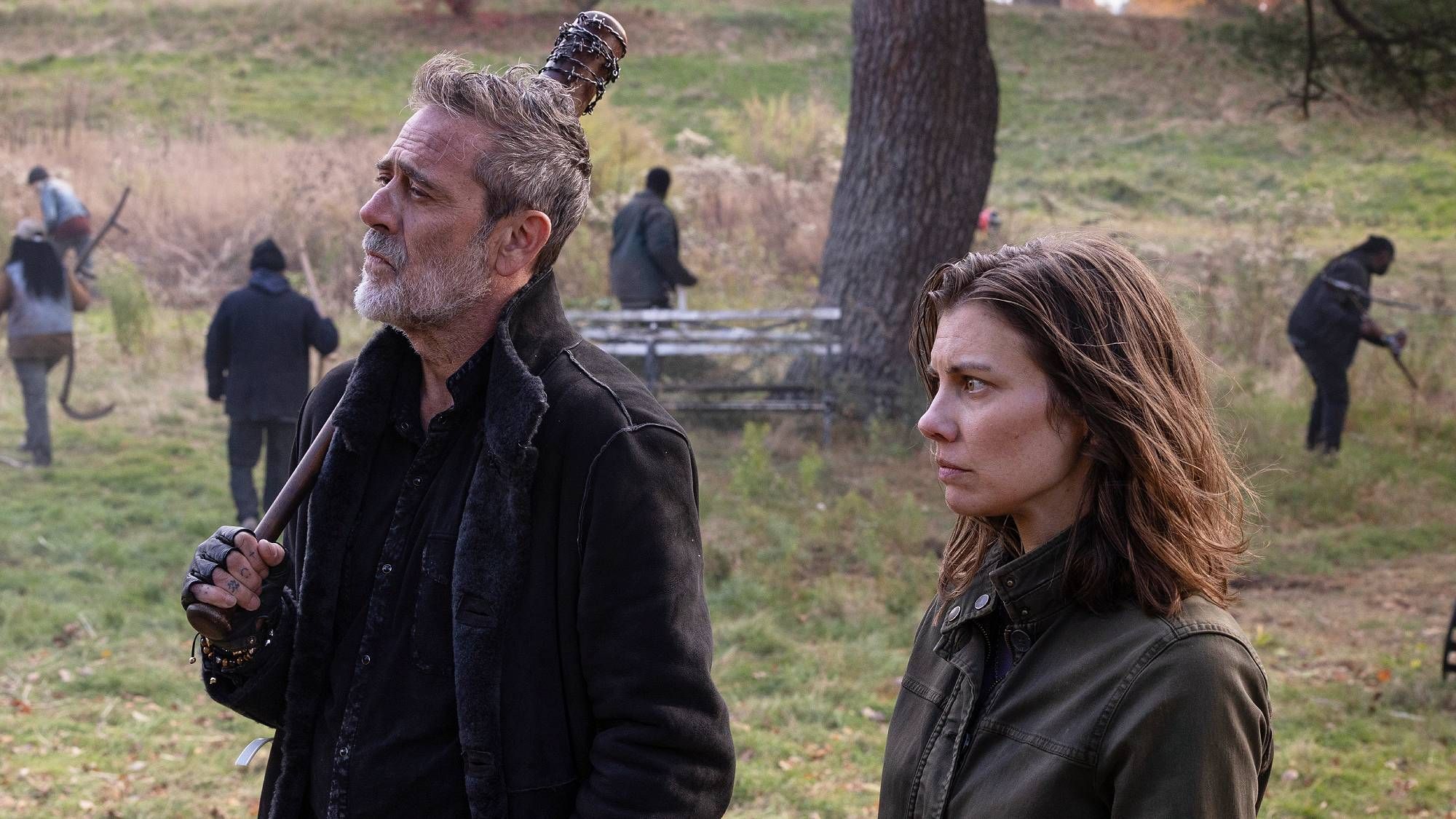
In the season 2 finale, a pivotal confrontation occurred that stripped away the remaining layers of hostility. After Maggie attempted to kill Negan, believing he had reverted to his tyrannical "Savior" persona to defeat the rival leader Bruegel, she was confronted with a different reality. Negan’s actions were not motivated by a desire for power, but by a desperate, paternal need to protect Ginny, his young ward. The subsequent death of Ginny and Negan’s visceral emotional collapse served as a catalyst for Maggie. For the first time, she recognized the humanity beneath Negan’s defensive bravado.
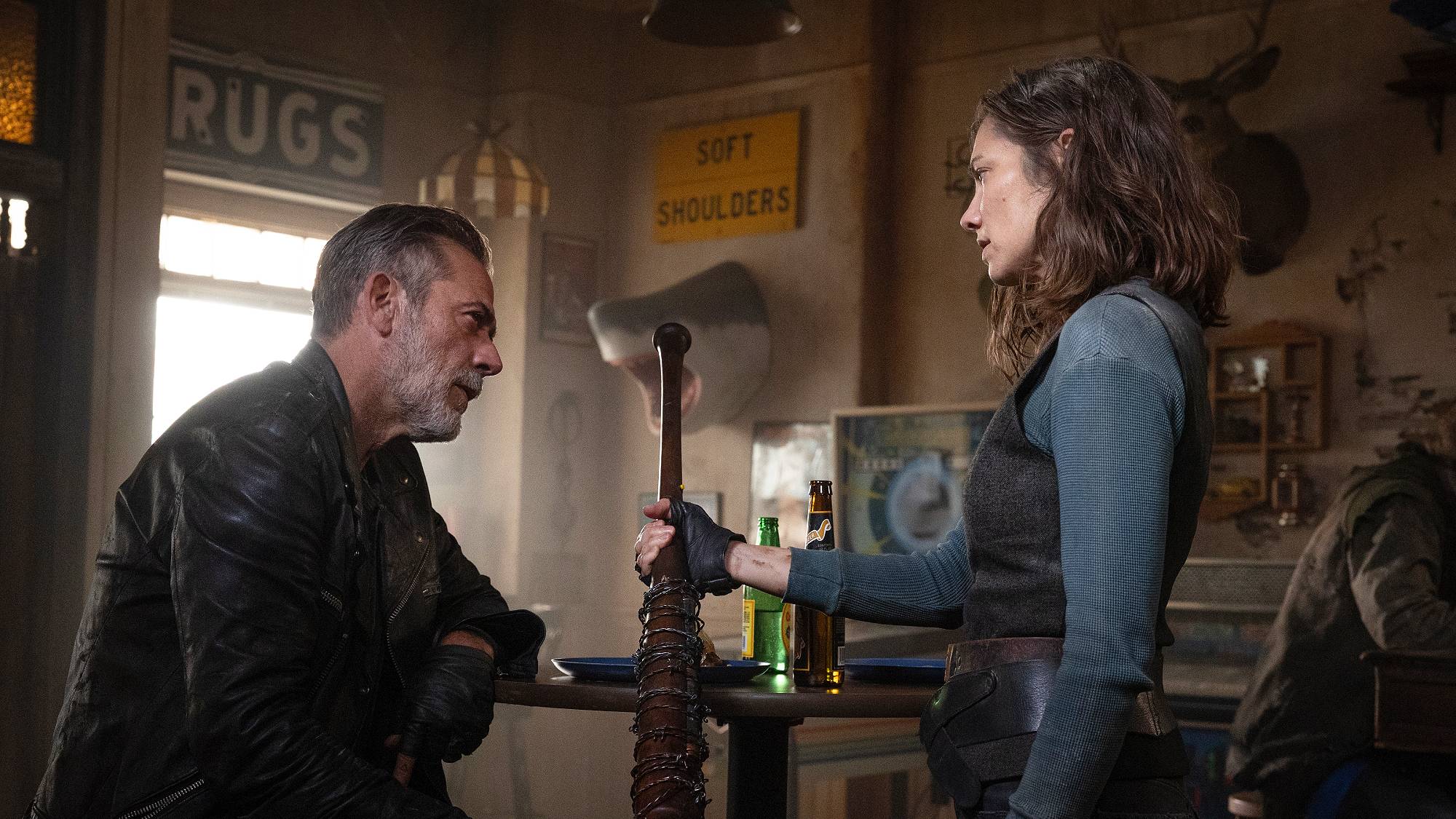
By choosing to treat Negan’s wounds rather than deliver a killing blow, Maggie effectively ended their blood feud. Heading into Season 3, the characters are expected to operate as genuine allies for the first time. This shift is not merely a plot point but a thematic statement on the necessity of cooperation in the face of larger, systemic threats. Analysts of the show suggest that this "forced reconciliation" will be the primary emotional driver of the new episodes, as both characters attempt to build a stable community in the ruins of New York.
The Geopolitical Landscape: Manhattan and the New Babylon Federation
While the personal stakes remain high, Season 3 will significantly expand the scope of the series’ political world. The power vacuum left by the collapse of Bruegel’s organization and the weakening of the Burazi has paved the way for the New Babylon Federation to assert dominance over the island.
The New Babylon Federation represents a sophisticated, neo-governmental entity that operates with a level of organization and brutality reminiscent of early-stage nation-states. Their primary objective in Manhattan is the control of methane production facilities. In the world of Dead City, walker biomass is harvested to create methane, a vital energy source that powers technology and provides a strategic advantage over other settlements.
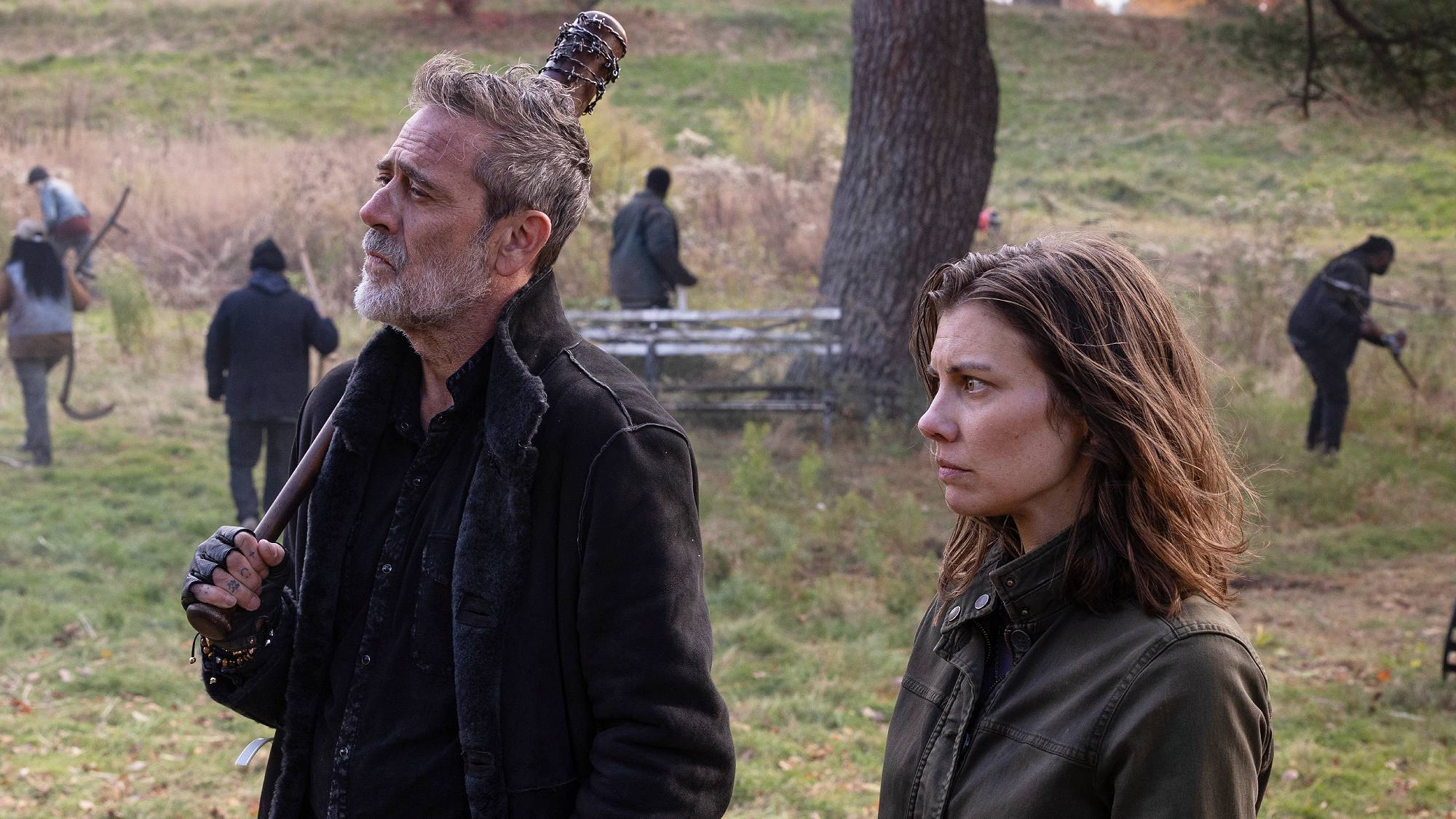
The arrival of New Babylon forces in Manhattan signals a shift from "survival horror" to "territorial warfare." The Federation’s invasion across the Hudson River introduces a new scale of conflict, involving organized military tactics and resource management. This external pressure has forced a realignment of former enemies. Perlie Armstrong, a marshal for New Babylon who spent much of the first two seasons hunting Negan, has defected after witnessing the Federation’s draconian methods. His alliance with Maggie and Negan provides the resistance with crucial inside knowledge of New Babylon’s infrastructure and weaknesses.
The Transformation of Hershel Rhee
A significant secondary conflict in the upcoming season involves the radicalization of Hershel Rhee, Maggie’s son. Now a teenager, Hershel has spent his formative years in a world defined by his mother’s obsession with Negan. This resentment was expertly manipulated by The Dama, the cunning strategist behind the scenes of the Manhattan underworld.
The Dama has positioned herself as a mentor to Hershel, preying on his feelings of abandonment and his perception of his mother’s perceived weakness. In the Season 2 finale, Hershel’s refusal to return home with Maggie marked a tragic turning point. He has adopted a worldview that prioritizes strength and preemptive violence, viewing his mother’s mercy toward Negan as a betrayal of their family’s legacy.
Season 3 will likely explore the "generational divide" of the apocalypse. Hershel represents a generation that has no memory of the pre-outbreak world, making him more susceptible to the ideologies of leaders like The Dama. The conflict between Maggie and her son is expected to be as central to the narrative as the war against New Babylon, providing a domestic emotional weight to the high-stakes action.
Creative Restructuring and Tonal Shifts
Behind the scenes, The Walking Dead: Dead City Season 3 sees a change in creative leadership. Seth Hoffman has taken over as the showrunner, bringing a wealth of experience from the original series. Hoffman is credited with writing some of the franchise’s most acclaimed episodes, including "Too Far Gone" and "No Way Out," which were noted for their intense pacing and emotional resonance.
Under Hoffman’s direction, the series is expected to pivot toward a more hopeful, albeit still dark, tone. While the first two seasons were characterized by a sense of claustrophobia and relentless grimness, Season 3 aims to focus on the concept of reconstruction. The narrative will explore how survivors can move beyond mere existence to create a functioning society. This shift will also reportedly include elements of dark humor, a hallmark of Hoffman’s previous work, to balance the heavy themes of war and betrayal.
To support this expanded vision, several new cast members have been added. Aimee Garcia, known for her roles in Lucifer and Dexter, joins the cast as Renata, a character who is expected to play a key role in the Manhattan resistance. The addition of new perspectives is intended to flesh out the world of the "dead city" and show the diverse ways people have adapted to life on the island.
The Alternate Reality Episode: A Return for Beth Greene
One of the most discussed aspects of the upcoming season is a conceptual episode that explores an alternate reality. In a departure from the franchise’s standard linear storytelling, this episode will imagine a world where the zombie outbreak never occurred.
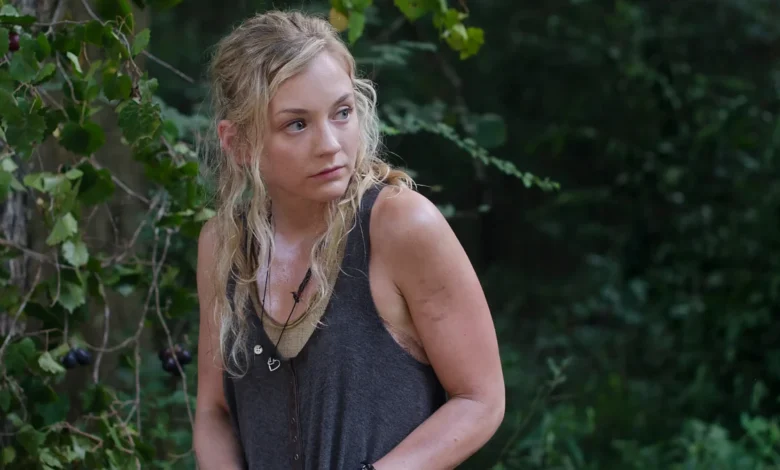
This narrative device allows for the return of Emily Kinney as Beth Greene, Maggie’s younger sister who died in the fifth season of the original series. The episode is set in an untouched, idyllic version of Central Park, serving as a psychological exploration of Maggie’s character. By interacting with a "living" Beth, Maggie is forced to confront the decades of grief and trauma she has suppressed.
Television critics suggest that this episode serves two purposes: it provides long-term fans with emotional closure regarding the Greene family, and it raises a philosophical question about the nature of the characters. By showing who Maggie and Negan might have been in a peaceful world, the show highlights the ways the apocalypse has both broken and forged them.
Broader Implications for the Walking Dead Universe
The success of Dead City is a critical component of AMC’s broader strategy for the Walking Dead universe. Along with The Walking Dead: Daryl Dixon and The Walking Dead: The Ones Who Live, Dead City is part of a "second wave" of storytelling designed to keep the franchise relevant in a crowded streaming market.
The introduction of the New Babylon Federation and the focus on methane as a currency suggests a move toward a more "connected" world. There is growing speculation among industry insiders that the various spinoffs will eventually converge, with the geopolitical conflicts established in Dead City potentially intersecting with the storylines of Daryl Dixon in France or Rick Grimes in the Civic Republic.
Schedule and Viewing Information
The Walking Dead: Dead City Season 3 is officially scheduled to premiere on July 26. The series will be available on the AMC cable network, with early streaming access provided through the AMC Plus platform. As with previous seasons, the rollout is expected to follow a weekly release schedule, accompanied by behind-the-scenes content and interviews with the cast and crew.
In conclusion, Season 3 of Dead City represents a maturation of the spinoff. By resolving the central feud between its leads, introducing a formidable new antagonist in the New Babylon Federation, and exploring the psychological depths of its characters through innovative storytelling, the series is poised to remain a cornerstone of modern horror television. The focus on rebuilding and the complex morality of the new world ensures that the "dead city" of Manhattan remains a vibrant and essential setting for the franchise’s future.