AMD’s $5.4 Billion Acquisition of ATI: A Transformative Merger That Redefined the Semiconductor Landscape

On July 24, 2006, Advanced Micro Devices (AMD) officially confirmed its landmark acquisition of Canadian graphics chip giant ATI Technologies Inc. in a cash and stock deal valued at approximately $5.4 billion. This pivotal moment, announced nearly two decades ago, stands as one of the most significant mergers in the history of the semiconductor industry, fundamentally reshaping AMD’s trajectory and the competitive landscape of PC and console gaming hardware. From the vantage point of the 2020s, it is clear that this strategic move catalyzed AMD’s prosperity across multiple fronts, most notably in the sustained innovation of Radeon GPUs, the revolutionary advent of the Accelerated Processing Unit (APU), and its enduring dominance in the lucrative console gaming market. This transformative merger was not merely a consolidation of assets but a bold declaration of AMD’s ambition to become a comprehensive platform provider, a vision that continues to define its strategy today.
The Genesis of a Giant: Industry Context and Strategic Rationale
The mid-2000s represented a dynamic, often turbulent, period for the technology sector. Intel held a formidable lead in the CPU market, while the graphics processing unit (GPU) arena was a fiercely contested duopoly between ATI and Nvidia. AMD, under the leadership of CEO Hector Ruiz, sought a transformative strategy to challenge Intel’s hegemony and secure a more diversified portfolio. The concept of integrating CPU and GPU capabilities onto a single chip, a vision AMD would later brand as "Fusion," was nascent but held immense promise for power efficiency, performance density, and cost reduction. ATI, a pioneer in graphics technology since 1985, brought to the table not only its acclaimed Radeon discrete GPUs but also a strong presence in integrated chipsets and a growing influence in the burgeoning mobile and consumer electronics segments.
The acquisition was driven by a clear strategic rationale: to create a "platform company" capable of offering a complete solution for computing, from high-performance processors to cutting-edge graphics. This vertical integration was seen as crucial for innovation, allowing for tighter optimization between CPU and GPU architectures, something that competitors like Intel and Nvidia, as separate entities, could not achieve as seamlessly. By acquiring ATI, AMD aimed to leapfrog Intel’s existing integrated graphics solutions and offer a compelling alternative to systems reliant on discrete CPUs and GPUs from different vendors.
The Announcement and Immediate Reactions
The formal announcement took place in New York, with AMD CEO Hector Ruiz and ATI CEO Dave Orton jointly presenting the deal to the press. Ruiz emphasized the monumental nature of the merger, stating that it would "reinvent our industry." He elaborated, "We believe AMD and ATI will drive growth and innovation for the entire industry, enabling our partners to create differentiated solutions and empowering our customers to choose what is best for them." Orton echoed this optimism, adding that "Joining with AMD will enable us to innovate aggressively on the PC platform."
The financial terms of the deal—approximately $2.5 billion in cash and 57 million shares of AMD common stock—reflected ATI’s significant market valuation and its strategic importance. At the time of the announcement, ATI had reported annual revenue of $2.33 billion for its fiscal year 2005, making it a substantial entity within the tech landscape. The market’s immediate reaction was mixed. AMD’s stock experienced a slight dip, reflecting concerns about the debt burden and the challenges of integrating two large corporations. However, analysts largely recognized the long-term strategic potential, viewing the acquisition as a necessary step for AMD to compete more effectively with Intel and to capitalize on the convergence of CPU and GPU technologies. The consensus was that while risky, the merger could position AMD for significant future growth by offering a unique, integrated value proposition.
The Era of Transition: From ATI to AMD Radeon
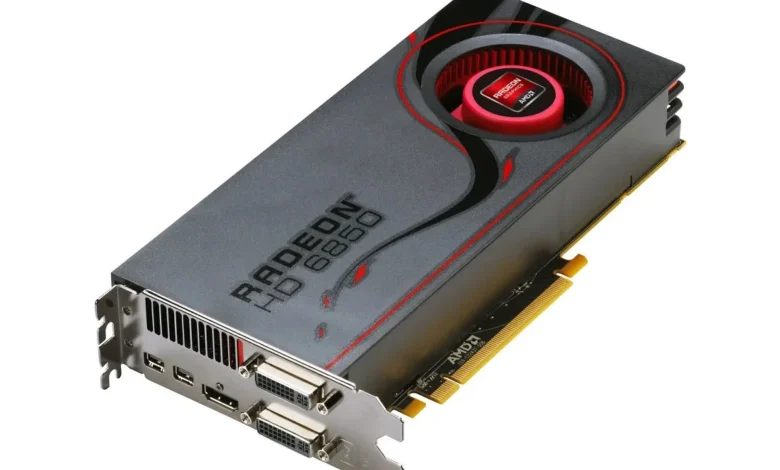
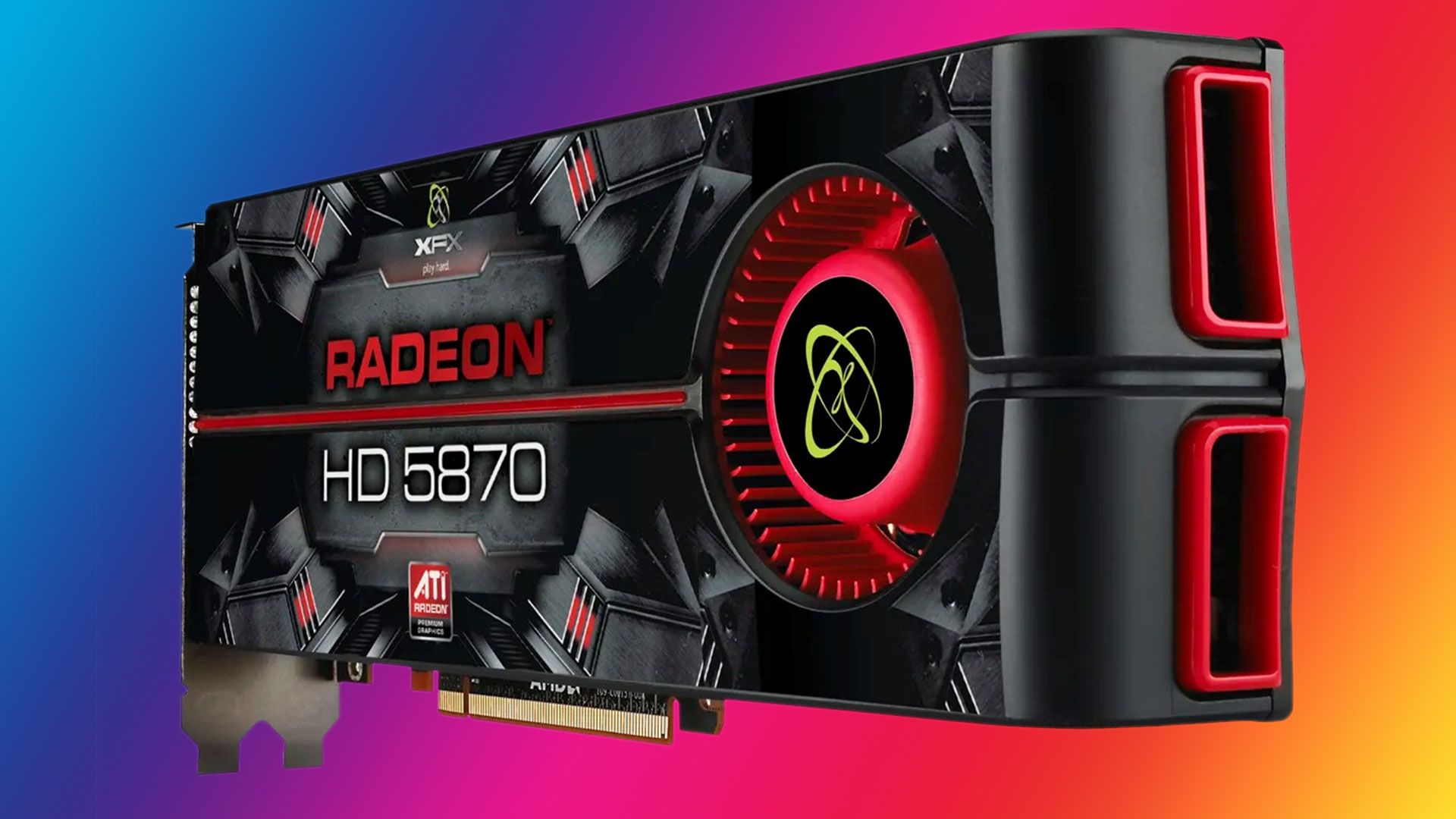
Following the acquisition, the integration of ATI into AMD was a multi-year process involving both technological and branding transitions. The iconic ATI brand, a household name for PC enthusiasts for over two decades, began a gradual fade into history. Products that were already deep in development at the time of the merger served as crucial transitional bridges. A prime example was the ATI R600 GPU, an ambitious project aiming to introduce a unified shader architecture (later known as TeraScale 1). This GPU eventually launched under AMD’s banner as the Radeon HD 2900 series.
For a period, packaging and branding reflected this transition, with some HD 2900 XT boxes still prominently featuring the ATI logo alongside AMD branding. Internally, the transition was even more prolonged; it was not uncommon to find an ATI-branded GPU die under the thermal paste of an AMD-branded graphics card as late as 2010. This physical evidence underscored the depth of the integration, where the underlying silicon still bore the legacy of its origin while the market-facing product adopted the new corporate identity.
The complete rebranding culminated around 2010-2011, when AMD officially retired the ATI brand name entirely, consolidating all graphics products under the "AMD Radeon" moniker. This period marked the symbolic end of an era for many long-time PC hardware enthusiasts who had grown up with ATI’s pioneering graphics cards. The transition was extensively documented, with publications like Tom’s Hardware dedicating retrospectives such as "25 Years Of Graphics History: A Farewell To ATI, In Pictures" in 2011, capturing the nostalgia and acknowledging ATI’s profound contributions to the industry. The challenge for AMD was to retain ATI’s talent, engineering prowess, and brand loyalty while seamlessly integrating it into its broader corporate strategy. This required careful management of corporate culture, product roadmaps, and marketing efforts to ensure a smooth evolution rather than an abrupt break.
A Trifecta of Success: Radeon GPUs, APUs, and Console Dominance
The strategic investment in ATI ultimately yielded significant returns for AMD, manifesting in three core areas that define its competitive strength today.
1. Continued Radeon GPU Innovation:
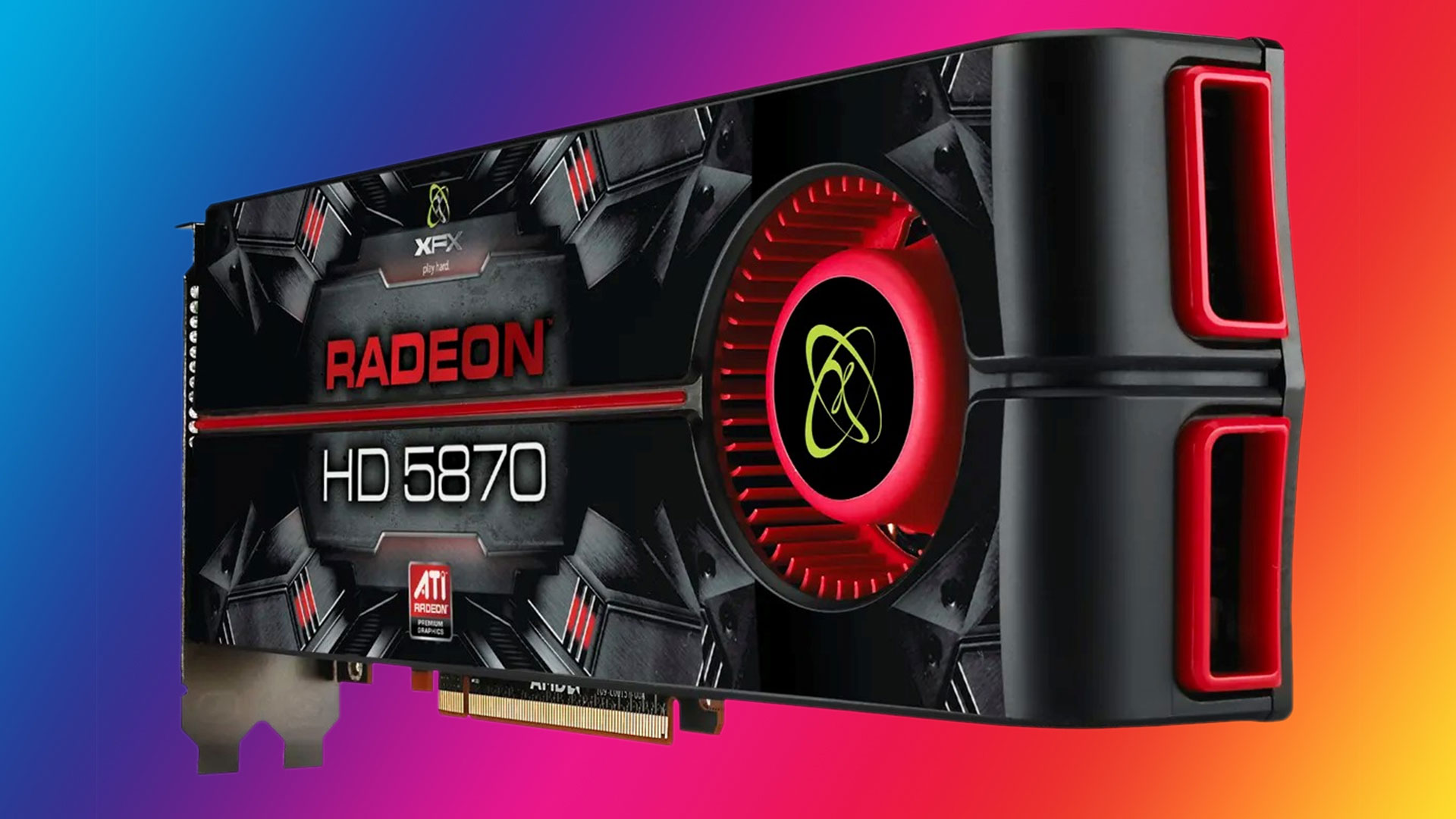
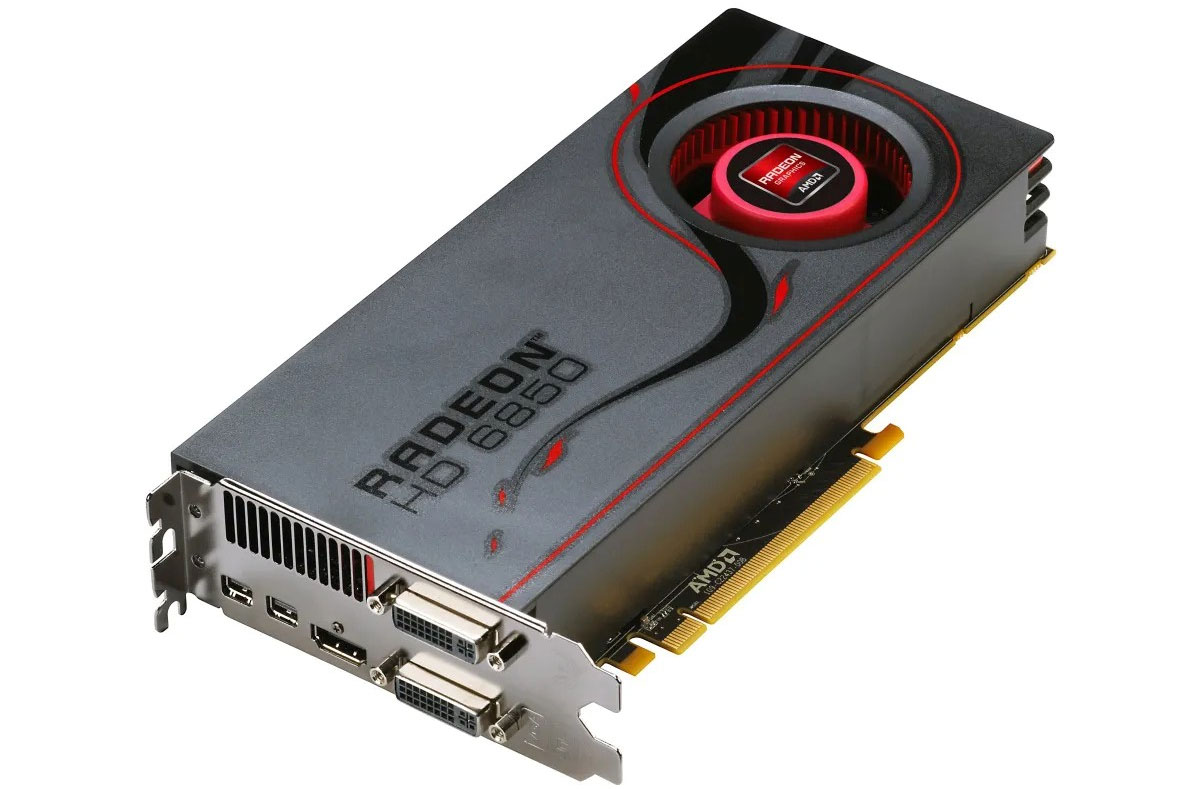
The acquisition ensured AMD’s continued presence and innovation in the discrete graphics card market, fostering a sustained rivalry with Nvidia that has pushed technological boundaries. Post-merger, the Radeon division embarked on an architectural evolution, moving from the TeraScale architecture (inherited from ATI) through several generations of Graphics Core Next (GCN) architectures, which were foundational for AMD’s GPU strategy for nearly a decade. GCN introduced a more flexible and general-purpose compute design, crucial for both gaming and nascent GPGPU (General-Purpose computing on Graphics Processing Units) applications. This paved the way for the modern RDNA (Radeon DNA) architecture, which debuted in 2019 with the Navi series. RDNA was specifically optimized for gaming performance, featuring improved clock speeds, instruction per clock (IPC), and power efficiency. This continuous architectural development has enabled AMD to remain a formidable competitor, offering a compelling alternative to Nvidia in various market segments, from mainstream gaming to high-end enthusiast cards. Furthermore, AMD’s commitment to open standards like FreeSync for adaptive refresh rates and FidelityFX for visual enhancements has resonated well with consumers and developers, demonstrating a different approach to ecosystem development compared to Nvidia’s proprietary technologies.
2. The Rise of the APU:
Perhaps the most direct and revolutionary outcome of the merger was the realization of AMD’s "Fusion" vision: the Accelerated Processing Unit (APU). Launched in 2011 with the Llano series, the first AMD Fusion APUs integrated CPU cores and a Radeon GPU onto a single die, sharing memory and I/O. This innovation was a game-changer for mainstream computing, offering significantly better graphics performance than Intel’s contemporary integrated solutions, particularly for casual gaming and multimedia tasks, without the need for a separate discrete GPU. Over the years, AMD continuously refined its APU designs, progressing through generations like Trinity, Richland, Kaveri, and Carrizo, each bringing improvements in both CPU and GPU performance, as well as power efficiency.
The integration truly matured with the Ryzen APU series, starting with Raven Ridge, Picasso, Renoir, and subsequently Cezanne, Rembrandt, Phoenix, and the latest Strix Point. These modern APUs combine powerful Zen-based CPU cores with advanced RDNA-based integrated graphics. The recent announcements of the Ryzen AI Max and Max+ series (Strix Halo and Gorgon Halo) exemplify the pinnacle of this vision. These next-generation APUs boast an unprecedented level of integrated graphics performance, packing up to 40 RDNA 3.5 Compute Units. Early indicators suggest they can go toe-to-toe with dedicated desktop graphics cards like the NVIDIA GeForce RTX 4060 or even the RTX 4070 in certain workloads, depending on power limits and memory configuration. A key advantage of these advanced APUs is their unified memory architecture, which allows the CPU and GPU to access a shared pool of high-bandwidth memory, offering flexibility in VRAM allocation and improving overall system efficiency. This has made APUs a cornerstone of compact gaming systems, thin-and-light laptops, and the burgeoning handheld PC gaming market.
3. Dominance in the Console Business:
The APU technology developed from the ATI acquisition proved to be a critical differentiator for AMD, granting it near-monopoly status in the console gaming market for over a decade. Starting in the early to mid-2010s, AMD secured design wins for both Sony’s PlayStation 4 and Microsoft’s Xbox One, providing custom-designed APUs that integrated their CPU and Radeon GPU IP. This success continued into the current generation with the PlayStation 5 and Xbox Series X/S, both powered by highly customized AMD Zen 2 CPU cores paired with RDNA 2 graphics.
The appeal of AMD’s semi-custom APU solutions to console manufacturers was multifaceted: cost-effectiveness, superior power efficiency, and the ability to integrate bespoke features tailored to the console’s specific requirements. This strategic positioning provided AMD with significant, stable revenue streams and guaranteed placement of its IP in millions of gaming devices worldwide. The console wins not only boosted AMD’s financials but also validated its integrated CPU-GPU strategy and provided invaluable experience in optimizing performance for fixed hardware platforms. This console dominance has since extended into the thriving handheld gaming PC market, with devices like the Steam Deck and ROG Ally leveraging AMD’s custom APUs, further solidifying its position in the integrated graphics space.
The Path Not Taken: AMD and Nvidia
An intriguing "what if" scenario predates the ATI acquisition: reports suggest AMD initially explored a merger with its fiercest graphics rival, Nvidia. This potential "red and green" union, which would have created an undisputed titan in both CPU and GPU markets, ultimately fell apart. According to a 2012 report, negotiations stalled due to the uncompromising stance of Nvidia CEO Jensen Huang. Apparently, the man synonymous with the leather jacket insisted on assuming the chief executive role of the combined entity. This demand proved unacceptable to AMD’s then-CEO Hector Ruiz, who subsequently redirected AMD’s focus toward ATI.
Had the AMD-Nvidia merger materialized, the entire technology landscape would undoubtedly be vastly different. A combined company possessing both leading CPU and GPU intellectual property would have faced immense scrutiny from antitrust regulators and could have fundamentally altered the competitive dynamics with Intel. The absence of a strong second discrete GPU vendor might have stifled innovation, and the trajectory of integrated graphics, APUs, and even the console market would have been entirely different. Jensen Huang’s firm leadership, which has since propelled Nvidia to unprecedented heights in AI and data center markets, ironically led to a missed opportunity for consolidation that might have prevented AMD’s rise as a full-spectrum platform provider.
Evolving Competitive Landscape and Future Outlook
While AMD’s console dominance remains strong, the competitive landscape in integrated graphics and APUs is evolving rapidly. Intel, traditionally strong in CPU-integrated graphics, has significantly ramped up its efforts with its Iris Xe graphics and upcoming generations like Lunar Lake and Panther Lake, which promise substantial improvements in iGPU performance with up to 12 Xe3 cores and claims of up to 76% faster gaming performance. This intensified competition from Intel, particularly in the PC and handheld segments, poses a new challenge to AMD’s long-held advantages.
Meanwhile, Nvidia, currently dominating the high-growth AI and data center markets, has also signaled a potential return to consumer ARM-based PC chips and possibly semi-custom SoCs for future console generations. Reports indicate Nvidia’s ARM-based PC chips could launch as early as September 2025. Should Nvidia decide to leverage its formidable GeForce graphics IP with its own ARM CPU designs for consoles or handhelds, it could introduce a third major player into a market currently dominated by AMD. However, given Nvidia’s staggering profitability in AI, a pivot back to lower-margin consumer console hardware might remain a secondary priority.
The AMD-ATI merger, now almost two decades in the past, undeniably stands as a monumental event in semiconductor history. It transformed AMD from a CPU-centric challenger into a diversified technology powerhouse, capable of delivering comprehensive computing solutions. The vision articulated by Hector Ruiz and Dave Orton in 2006—to reinvent the industry through integrated innovation—has largely been realized. The enduring legacy of this $5.4 billion gamble continues to shape the competitive strategies of major tech players and the technological advancements we see in our everyday computing and gaming experiences.