Kodak PixPro Unveils New Retro-Inspired Compact Cameras with Film Simulation and Waterproofing at IFA 2024


The landscape of compact digital cameras is poised for a resurgence of nostalgic charm and practical innovation with the upcoming launch of two new Kodak PixPro models. Building on the enduring popularity of its affordable point-and-shoot offerings, Kodak licensee JK Imaging, through its French distributor GT Company, is set to introduce the Kodak PixPro C10 and the Kodak PixPro P1 at the prestigious IFA trade show in Berlin, Germany, from September 4th to 8th, 2024. These new cameras are designed to capture the attention of a market increasingly drawn to the blend of retro aesthetics and contemporary functionality, particularly in the wake of a significant surge in the popularity of budget-friendly compact cameras.
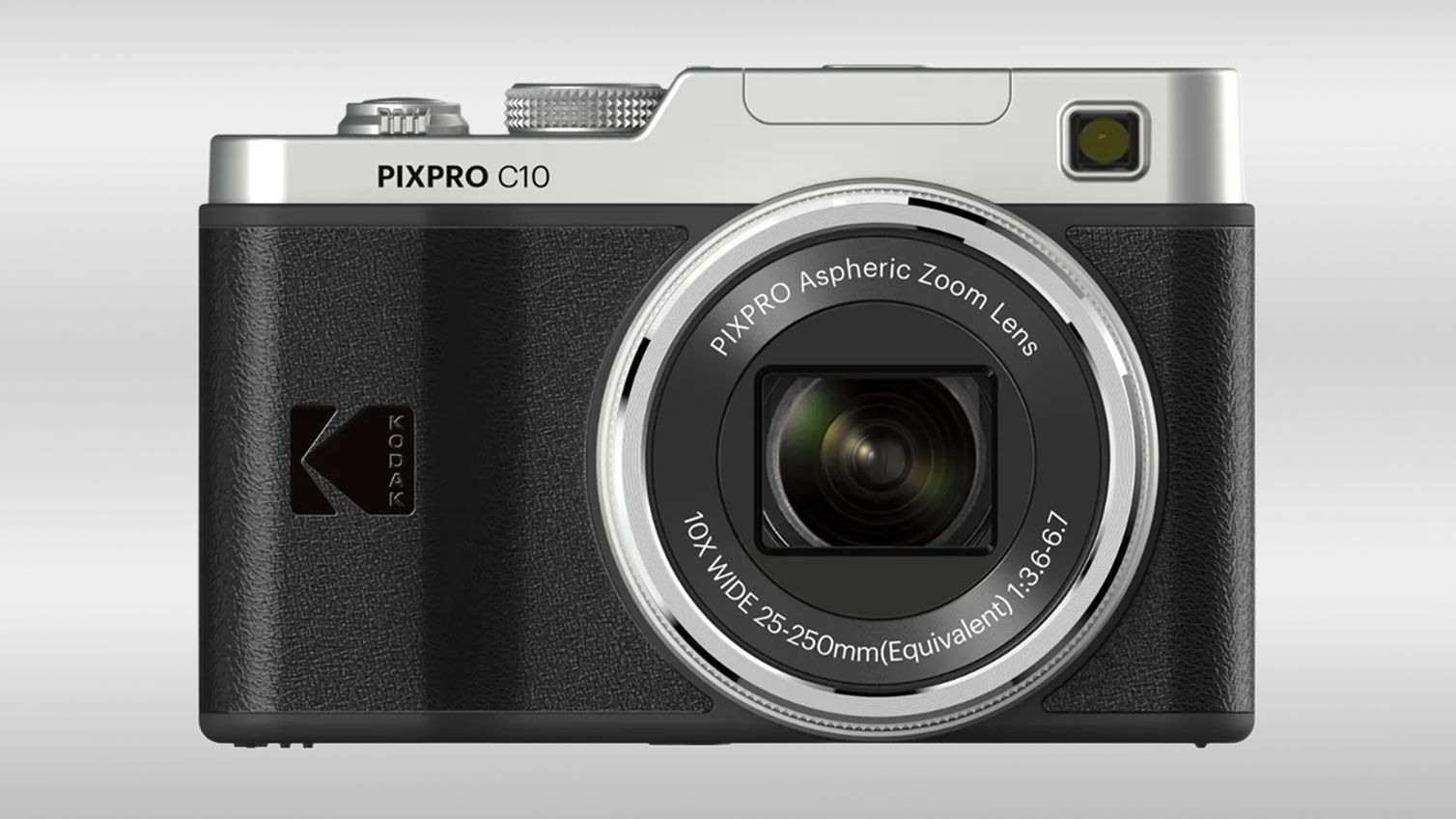
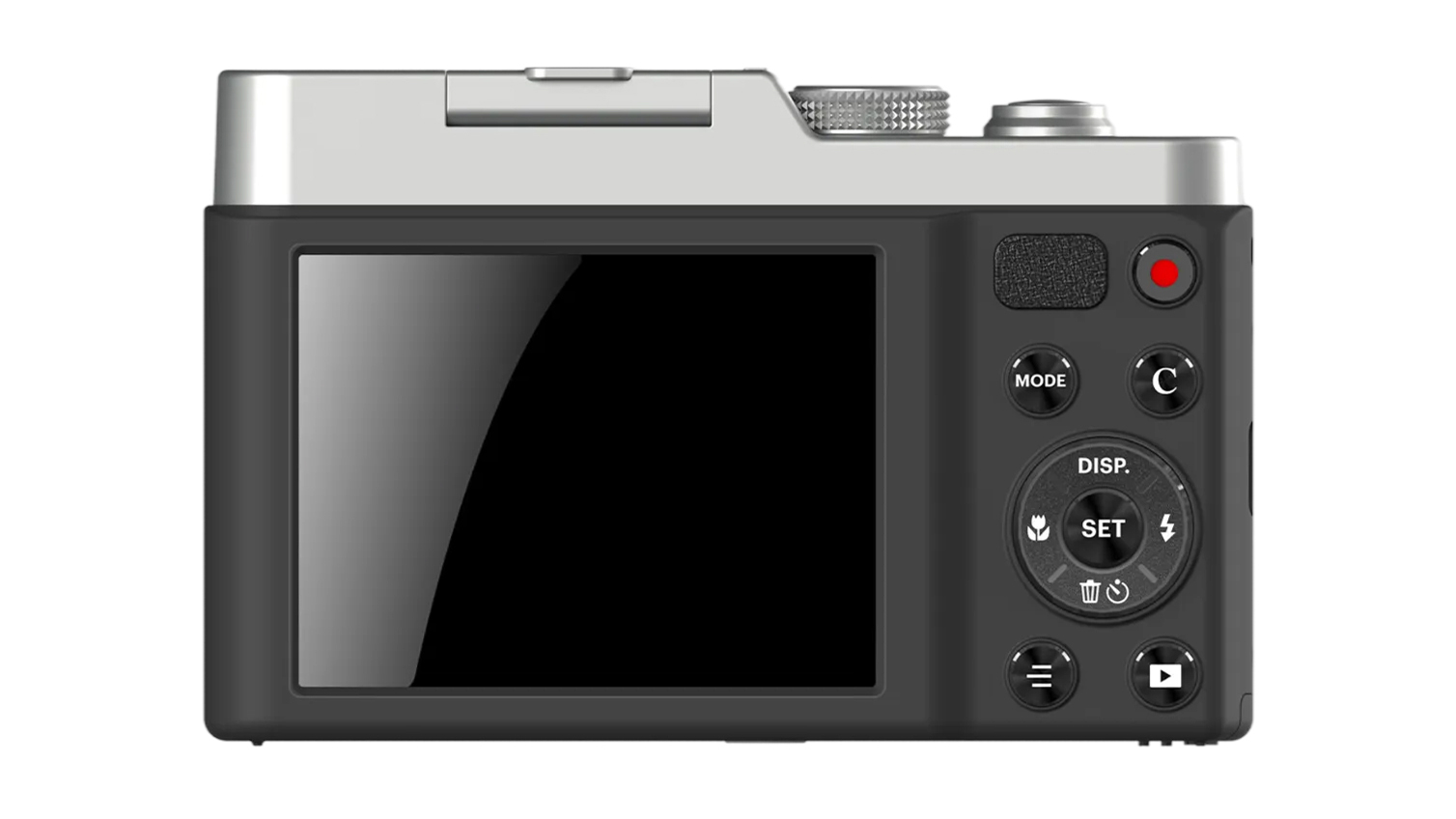
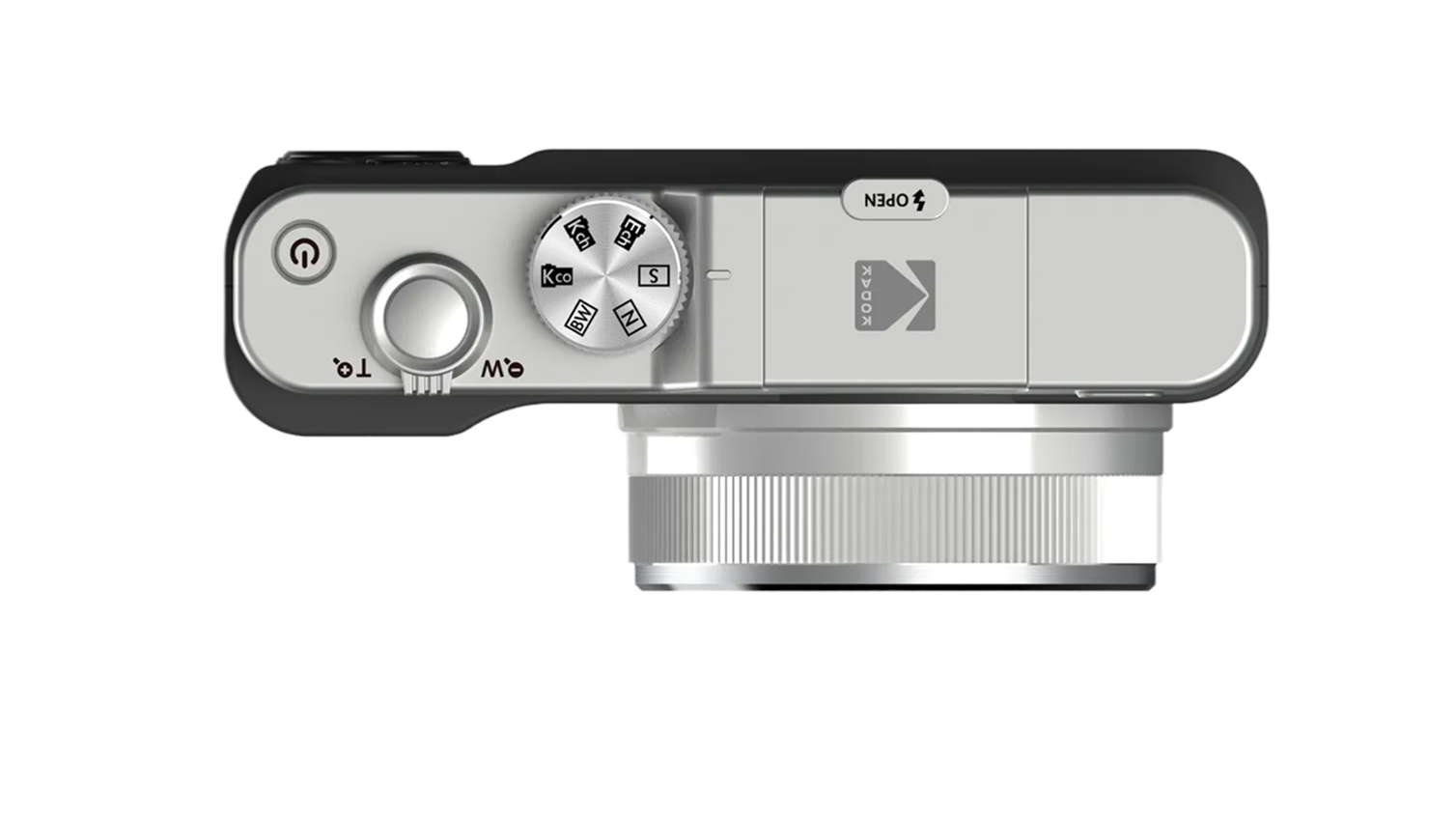
The PixPro C10 is generating considerable excitement due to its apparent inclusion of a dedicated film simulation dial, a feature that directly taps into the ongoing trend of analog photography’s influence on digital imaging. This dial, observed on leaked images of the camera, displays settings labeled "S," "N," and "B&W," likely representing standard, neutral, and black-and-white color profiles. More intriguingly, the dial also features icons with abbreviations such as "Ech," "Kch," and "Kco." Industry observers speculate these symbols could correspond to digital filters designed to emulate the distinct color palettes and characteristics of iconic Kodak film stocks, offering photographers a tangible connection to the brand’s rich photographic heritage without the need for external processing or physical film.
Film simulation, a technique that digitally replicates the aesthetic qualities of traditional film stocks, has become a sought-after feature in modern digital cameras. It allows users to achieve specific looks and moods in-camera, akin to applying an Instagram filter before the shutter is pressed, but with a deeper connection to photographic history. The potential for Kodak to offer direct emulation of its own legendary film types—such as Ektachrome, Kodachrome, or Kodakcolor—on a new, accessible digital camera represents a strategic move to capitalize on a market segment that values both simplicity and nuanced image rendering. This approach mirrors the broader cultural resurgence of analog technologies and simplified, tangible user experiences.
The Kodak PixPro C10 is also expected to feature a significant optical zoom capability. Initial photographic evidence suggests a 10x optical zoom lens with an aperture range of f/3.6-f/6.7, translating to an equivalent focal length of approximately 25-250mm on a full-frame camera. This versatile zoom range makes the camera suitable for a variety of shooting scenarios, from wide-angle landscapes to telephoto close-ups, further enhancing its appeal as an all-around compact shooter. While full technical specifications are yet to be officially released, the presence of a substantial zoom lens, combined with the retro design and film simulation dial, positions the C10 as a compelling option for both casual photographers and enthusiasts seeking a distinctive shooting experience.
Complementing the C10, the Kodak PixPro P1 is set to address the demand for durable, adventure-ready compact cameras. This new model is a waterproof compact camera, designed to withstand the elements and capture moments in challenging environments. While Kodak has previously offered waterproof PixPro models, the P1 stands out with its apparent retro design cues and a tilting screen. The inclusion of a tilting screen on a waterproof camera is a notable engineering feat, as it presents significant challenges in maintaining robust water and dust resistance. Historically, such features have been rare in the rugged camera category, with models like the 2014 Olympus Tough TG-860 being an exception. The P1’s ability to incorporate this functionality suggests advancements in sealing technologies and component integration.
The Kodak PixPro P1 is reportedly waterproof to depths of up to 5 meters (approximately 16 feet), making it suitable for poolside photography, light underwater excursions, or simply providing peace of mind in wet conditions. Although the zoom range for the P1’s lens has not been officially detailed, the presence of a zoom toggle on the camera’s rear suggests either an optical zoom capability or a digital zoom function. The camera is anticipated to be available in at least two color variants: a classic black with a retro finish and a more vibrant blue and white option, further appealing to the aesthetic preferences of consumers drawn to the retro trend.
The timing of these launches is significant. The IFA consumer electronics trade show in Berlin is a globally recognized platform for unveiling new technologies and product innovations. Scheduled for early September, the event provides an ideal backdrop for JK Imaging and Kodak to present these new PixPro models to international media, industry professionals, and the public. The announcement comes at a time when the compact camera market, particularly the segment focused on affordability and nostalgic design, is experiencing a notable resurgence. A recent analysis of best-selling compact cameras in Japan, for instance, revealed that a substantial 40% of the top performers were budget-friendly Kodak-branded models. This statistic underscores a strong and persistent consumer demand for accessible, easy-to-use digital cameras that offer a touch of vintage appeal.
The strategy behind these new Kodak PixPro cameras appears to be a direct response to this market trend. By leveraging the iconic Kodak brand name, which carries decades of photographic legacy and emotional resonance, JK Imaging is aiming to capture a significant share of this revitalized market. The focus on retro design, coupled with modern features like digital film simulations and practical ruggedness, caters to a demographic that values both photographic quality and a distinct visual identity. The "cheap compact camera" category, where many PixPro models typically reside, is seeing renewed interest, driven by a desire for simpler, more tactile photographic experiences in contrast to the often overwhelming complexity of smartphone photography.
While specific pricing and full technical specifications for both the PixPro C10 and P1 are being held back until their official unveiling at IFA, the preliminary information provides a clear picture of Kodak’s strategy. The brand is not merely reissuing old designs but is actively integrating them with contemporary digital capabilities that appeal to current consumer preferences. The C10’s potential film simulation dial, in particular, represents a sophisticated digital interpretation of analog photography’s enduring appeal. This feature could offer a unique selling proposition, allowing users to experiment with different "looks" directly from the camera, mimicking the creative process of film photographers.
The inclusion of film simulation filters is a growing trend across various camera manufacturers, but Kodak’s ability to draw directly from its own storied film history gives it a distinct advantage. The "Ech," "Kch," and "Kco" designations are tantalizing hints for film photography enthusiasts, suggesting that these digital profiles will be more than just generic color adjustments; they aim to evoke the specific tonal qualities, color saturation, and contrast characteristics that defined legendary Kodak films. This commitment to authenticity in digital emulation is crucial for resonating with both long-time Kodak fans and a new generation of photographers discovering the charm of analog aesthetics.
The broader implications of these new releases extend beyond just the immediate consumer market. The success of these retro-inspired digital cameras could signal a more significant shift in the industry, encouraging other manufacturers to explore similar avenues of blending nostalgia with modern technology. In an era where digital devices often prioritize sleek, minimalist designs, the tactile controls and distinctive aesthetics of cameras like the upcoming PixPro models offer a refreshing alternative. They encourage a more deliberate and engaging approach to photography, moving away from the instant, often unconsidered, capture that can characterize smartphone usage.

Furthermore, the decision to showcase these cameras at IFA 2024 highlights the importance of this global electronics exhibition as a launchpad for new consumer technology. The event provides a crucial platform for brands to generate buzz, secure media coverage, and engage with potential distribution partners. For Kodak, a brand with a deep and storied past in photography, these new digital offerings represent a continued effort to remain relevant and competitive in the evolving photographic landscape. By focusing on accessible price points and features that tap into current trends, Kodak PixPro is positioning itself to capture the imagination and wallets of a wide range of consumers.
As the IFA 2024 trade show approaches, the photography world will be watching closely to see the full reveal of the Kodak PixPro C10 and P1. The anticipation surrounding these cameras is palpable, fueled by the promise of a familiar, beloved brand embracing both the past and the future of digital imaging. With their blend of retro charm, practical features, and a direct nod to the art of film photography, these new Kodak compacts are poised to make a significant impact on the market this fall.