Slate Auto Affordable Electric Truck Faces Skepticism as Survey Reveals Competitive Hurdles and Market Volatility

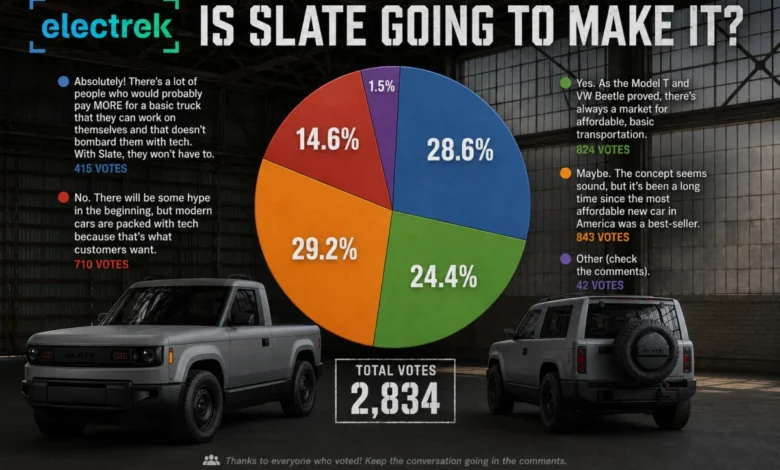
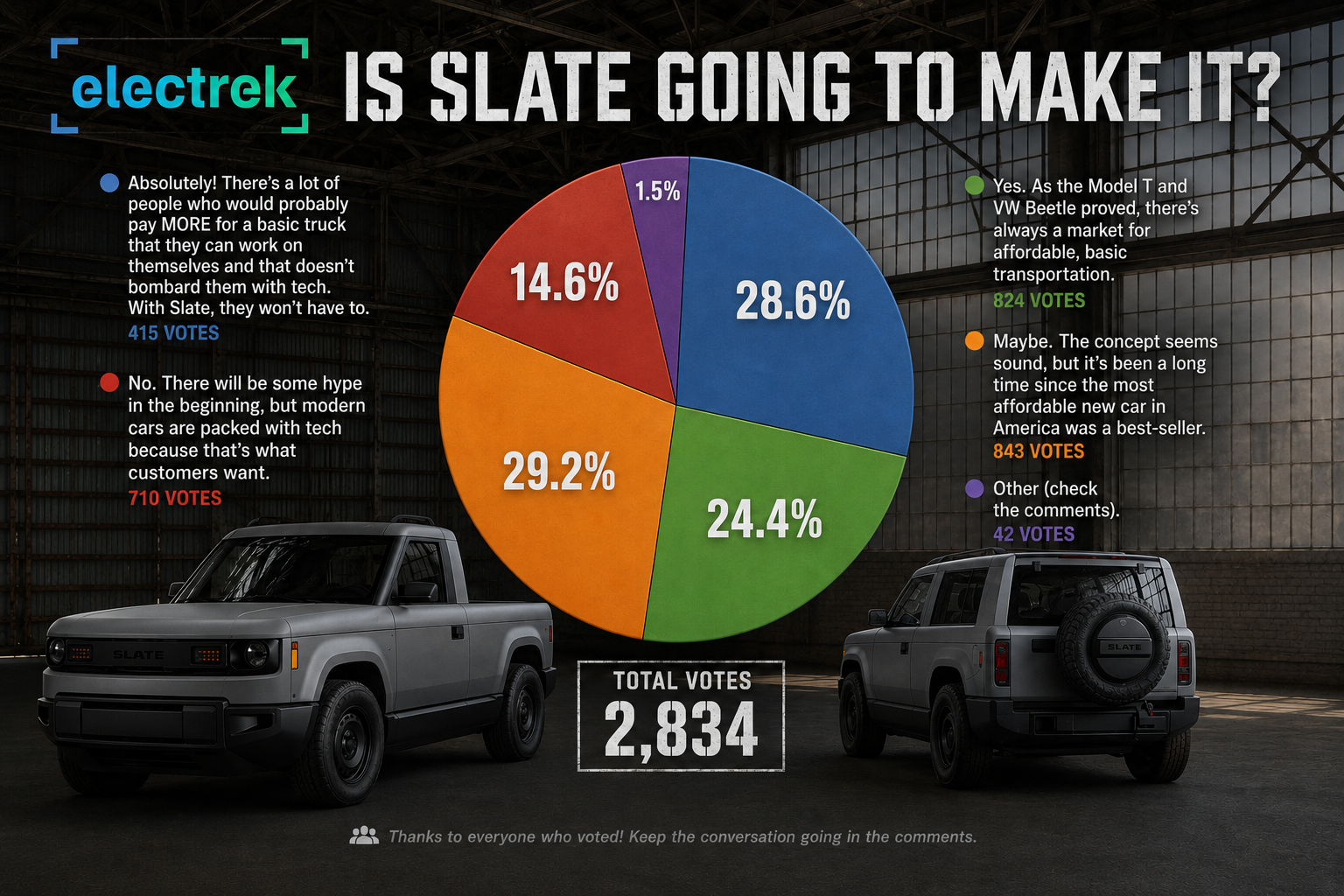
The emergence of Slate Auto as a contender in the burgeoning American electric vehicle market has been met with a mixture of intense anticipation and calculated doubt, according to a comprehensive reader survey conducted by the industry publication Electrek. After several weeks of polling and nearly 3,000 responses, the data suggests that while the prospect of a $25,000 electric pickup truck is enticing on paper, the practical realities of the U.S. automotive landscape—specifically regarding competition from established legacy manufacturers and the logistical hurdles of a startup brand—remain significant barriers to widespread adoption. The survey asked respondents whether they believed the "back-to-basics" Slate truck would succeed in an ultra-competitive market, and the results provide a nuanced look at the challenges facing Jeff Bezos-backed automotive ventures.
Survey Data and Consumer Sentiment Breakdown
The final tally of the survey revealed a polarized consumer base. Out of the total participants, 1,553 individuals cast "maybe" or "no" votes, signaling a cautious or pessimistic outlook on Slate’s long-term viability. Conversely, 1,239 respondents expressed confidence, selecting "absolutely" or "yes" when asked if the truck would make it. This split highlights a fundamental tension in the current EV market: the desire for affordability versus the need for a proven, reliable infrastructure.

A primary point of contention among skeptics is the perceived value proposition of the Slate truck when compared to existing internal combustion engine (ICE) alternatives. Commenters noted that at a base price of $24,950 plus destination fees, the Slate truck sits in direct price parity with the Ford Maverick, especially when Ford’s various incentive programs, such as the "A Plan for Everyone" pricing, are applied. The Maverick, which has seen explosive success since its debut, offers a benchmark that Slate must not only meet but exceed to win over traditional truck buyers.
Chronology of the Slate Auto Development
The path to Slate Auto’s current market position has been characterized by strategic silence followed by a high-profile reveal. The brand first gained significant traction in early 2025 when it was revealed that billionaire Jeff Bezos had provided substantial backing to the project, positioning it as a direct ideological rival to Tesla’s more expensive and technologically complex offerings.
In April 2025, Slate Auto broke cover just ahead of major industry earnings calls, revealing a modular design language that prioritized utility over luxury. By June 2026, the company finalized its pricing structure, confirming the $24,950 entry point. This pricing was intended to disrupt the market by offering the most affordable new electric vehicle in America. However, the timeline of this reveal coincided with Ford’s aggressive expansion of its compact truck line and the announcement of a sub-$30,000 electric pickup expected to debut in 2027. This narrowing window of opportunity has placed immense pressure on Slate to convert its pre-orders into deliveries before legacy automakers can saturate the "affordable EV" niche.
Comparative Analysis: Slate vs. The Legacy Standard
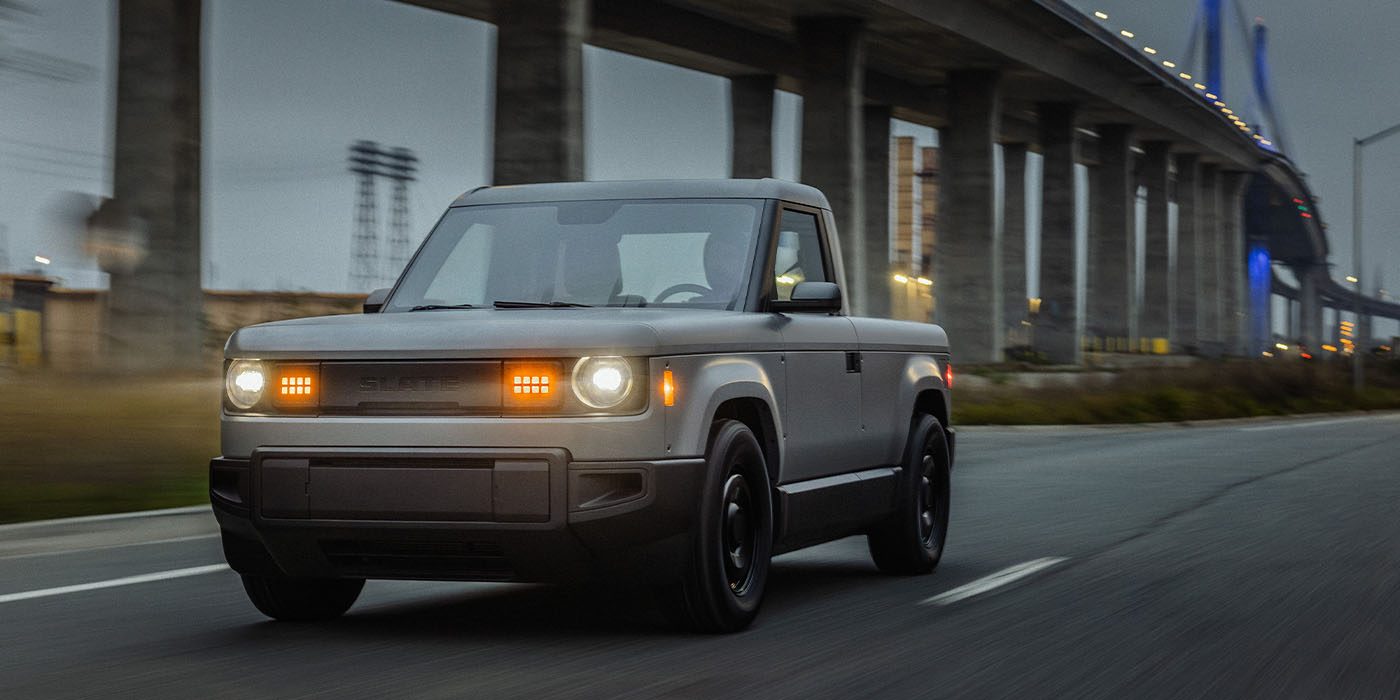
The most frequent criticism leveled against Slate Auto involves its physical dimensions and technical ecosystem. Industry analysts and consumers alike have pointed out that the Slate truck is significantly smaller than the Ford Maverick. While the Maverick offers a four-door configuration and a fully integrated infotainment system backed by a century of manufacturing experience, the Slate is viewed by some as a "former Scion buyer’s" vehicle—niche, experimental, and potentially under-equipped for heavy-duty tasks.
Furthermore, the "hidden costs" of Slate’s modularity have begun to weigh on consumer interest. For example, the truck’s highly touted "hatchback conversion kit" and other modular accessories have been criticized for being prohibitively expensive. One prospective buyer noted that the cost of adding a spare tire and essential conversion tools pushed the price of the Slate above that of a well-equipped Ford Maverick. This highlights a critical challenge for Slate: its modular "Blank Slate" approach, while innovative, may inadvertently nickel-and-dimed the very budget-conscious demographic it aims to serve.
The Infrastructure Gap and Commercial Viability
Beyond the hardware, the survey results underscored a deep-seated concern regarding the "after-sales" experience. Legacy automakers like Ford, General Motors, and Stellantis possess nationwide dealer networks with factory-trained technicians and readily available parts. For a startup like Slate, establishing a comparable service footprint is a monumental task that requires billions in capital and years of development.
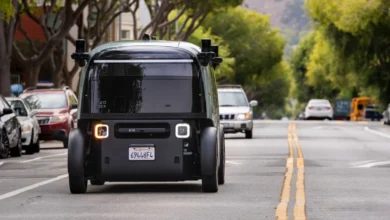
Market analysts suggest that for Slate to survive, it may need to pivot its primary focus toward fleet and commercial contracts rather than individual retail sales. This strategy mirrors the trajectory of Rivian, which secured a massive contract with Amazon for electric delivery vans. Commercial buyers, who prioritize total cost of ownership (TCO) and urban maneuverability, may find the Slate’s small footprint and electric drivetrain ideal for "last-mile" delivery or municipal maintenance tasks. However, even commercial success is predicated on the buyer’s confidence that the manufacturer will exist in five to ten years to provide software updates and replacement components.
Technical Modularity as a Double-Edged Sword
Slate’s most distinctive feature is its "open-source" nature and the ability for owners to customize the vehicle’s body style. The company has promoted the idea that a single chassis could serve as a pickup, a covered van, or an open-air recreational vehicle. While this appeals to a specific segment of "maker" culture and younger entrepreneurs, the survey responses indicate a skepticism toward how often a typical user will actually utilize these features.
Historically, vehicles with high levels of modularity, such as the Jeep Wrangler with its removable doors and roof, have maintained a loyal following. However, the Wrangler benefits from a robust aftermarket industry. Slate’s success in this area will depend on whether it can foster a third-party ecosystem of accessory manufacturers. If the company remains the sole provider of expensive add-ons, the modularity may be viewed more as a marketing gimmick than a functional advantage.

Economic and Market Implications
The debate surrounding Slate Auto reflects broader trends in the global automotive industry. As the initial wave of high-income "early adopters" for EVs levels off, manufacturers are struggling to find the "sweet spot" for the mass market. The $25,000 price point is often cited as the threshold required for EVs to achieve true parity with internal combustion engines in the minds of the general public.
Slate’s attempt to reach this price point by stripping away "tech for tech’s sake" is a gamble. Modern consumers have become accustomed to large screens, advanced driver-assistance systems (ADAS), and luxury interiors. By offering a "back-to-basics" vehicle, Slate is testing whether American buyers actually want a simple tool or if they have become permanently attached to the "land yacht" mentality of larger, tech-heavy SUVs and trucks.
Reactions from the Industry and Enthusiast Communities
The response from the Electrek community, which represents some of the most informed EV enthusiasts in the world, serves as a bellwether for the general public. The fact that nearly 3,000 people engaged with the survey indicates a high level of interest, but the content of the comments suggests that interest does not always equate to a purchase intent.

Some enthusiasts remain optimistic, arguing that the "Blank Slate" concept will revolutionize how small businesses operate. They point to the potential for creative, skilled owners to showcase unique use cases that the manufacturer hadn’t even considered. On the other hand, the cancellation of pre-orders among some respondents suggests that the "sticker price" of $25,000 may be misleading once the realities of daily use and necessary upgrades are factored in.
Future Outlook: The Path to Market Survival
For Slate Auto to move from a polarized survey subject to a market success, several milestones must be met. First, the company must demonstrate a clear and accessible service plan that alleviates fears of "orphan" vehicles. Second, it must find a way to lower the cost of its modular accessories or allow third-party developers to fill the gap. Finally, securing a high-profile fleet contract would provide the necessary volume and "social proof" to convince retail buyers of the brand’s stability.
The upcoming year will be a "make or break" period for the Bezos-backed venture. As Tesla continues to fluctuate its pricing and Ford ramps up its electric Maverick competitor, Slate Auto finds itself in a race against time. The survey results serve as a wake-up call: the American consumer is interested in an affordable electric truck, but they are not willing to sacrifice size, reliability, or established support networks to get it. Whether Slate can bridge this gap remains one of the most watched narratives in the automotive world today.