The Sub-$1,000 Laptop Revolution: High Performance Meets Affordability in 2025

The long-held belief that a truly exceptional laptop demands a premium price tag is rapidly becoming a relic of the past. In 2025, the market for laptops under $1,000 has undergone a remarkable transformation, offering consumers powerful, durable, and long-lasting machines that rival their more expensive counterparts. This shift is largely driven by advancements in processor technology, including the proliferation of AI-powered CPUs, and intensified competition among manufacturers, making high-quality computing accessible to a broader audience without compromising on essential features like performance, battery life, or build quality.
The Evolution of Value: A Shifting Landscape for Budget Laptops
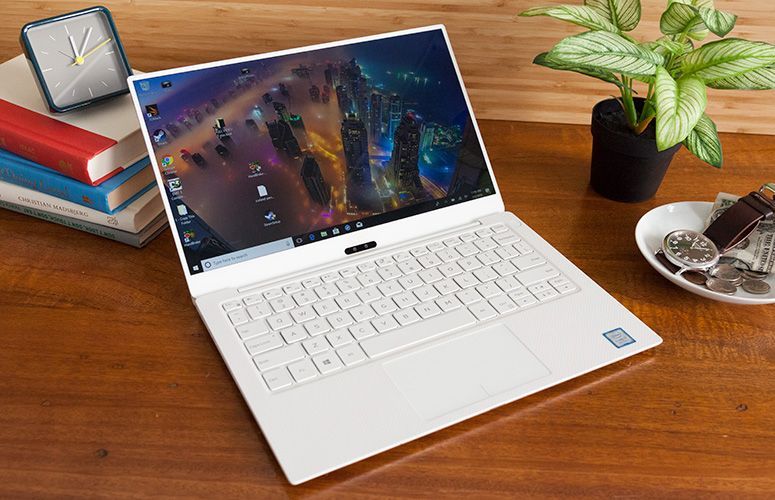
Historically, the sub-$1,000 laptop segment was often synonymous with compromise. Consumers typically faced trade-offs in performance, display quality, and battery endurance, settling for devices that could handle basic tasks but struggled with demanding applications or prolonged use. However, the technological landscape has evolved dramatically over the past few years. The introduction of highly efficient and powerful processors, such as Apple’s M-series chips, Intel’s Core Ultra line with integrated Arc graphics, and AMD’s Ryzen series, has redefined what is possible at lower price points. These modern CPUs not only deliver significant boosts in raw processing power but also integrate advanced capabilities, including dedicated Neural Processing Units (NPUs) for AI workloads, which enhance everything from video conferencing to creative applications.
This technological leap has been complemented by other improvements. Solid-State Drives (SSDs) have become standard, replacing slower Hard Disk Drives (HDDs) and dramatically improving boot times and application loading. Display technology has also advanced, with brighter, sharper, and more color-accurate panels, including AMOLED options, now appearing in mid-range devices. Furthermore, improved battery chemistries and power management techniques have extended battery life, allowing many budget laptops to easily last a full workday or beyond on a single charge.
The competitive pressure from diverse operating systems has also played a pivotal role. The maturation of ChromeOS, which offers a lightweight, secure, and web-centric computing experience, has forced Windows and macOS manufacturers to innovate and offer compelling alternatives in the value segment. This vibrant competition ultimately benefits consumers, as manufacturers strive to pack more features and performance into affordable packages.

Key Trends Driving Affordability and Performance
Several key trends underpin the current strength of the sub-$1,000 laptop market:
- Processor Efficiency and Integration: Modern processors are designed for efficiency, delivering more performance per watt. This means less heat, longer battery life, and powerful capabilities even in thin and light form factors. The integration of powerful graphics (like Intel Arc or Apple’s integrated GPUs) and AI acceleration directly onto the main chip reduces the need for costly discrete components for many users.
- Economies of Scale in Manufacturing: As component costs decrease due to mass production and widespread adoption, features once exclusive to premium models become more accessible. High-resolution displays, fast SSDs, and ample RAM are now commonplace even in budget-friendly machines.
- Hybrid Work and Education Demands: The global shift towards remote work and online learning has created a massive demand for reliable, affordable laptops. Manufacturers have responded by prioritizing features crucial for productivity, communication, and multimedia consumption within accessible price ranges.
- Strategic Pricing by Major Players: Companies like Apple, traditionally known for premium pricing, have strategically positioned models like the MacBook Air M4 at a starting price of $999, directly challenging the Windows ecosystem in the value segment. This move signals a broader industry recognition of the importance of the sub-$1,000 market.
Spotlight on Top Performers Under $1,000 (2025 Edition)
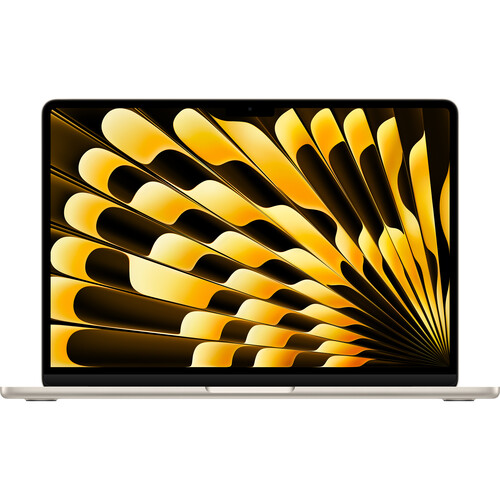
Extensive testing and review processes, involving thousands of hours across various models, reveal several standout laptops that exemplify this new era of affordability and performance. These devices have been rigorously evaluated for their processing power, graphical capabilities, battery longevity, display quality, thermal management, and overall user experience.
Best Overall: Apple MacBook Air 13-inch M4
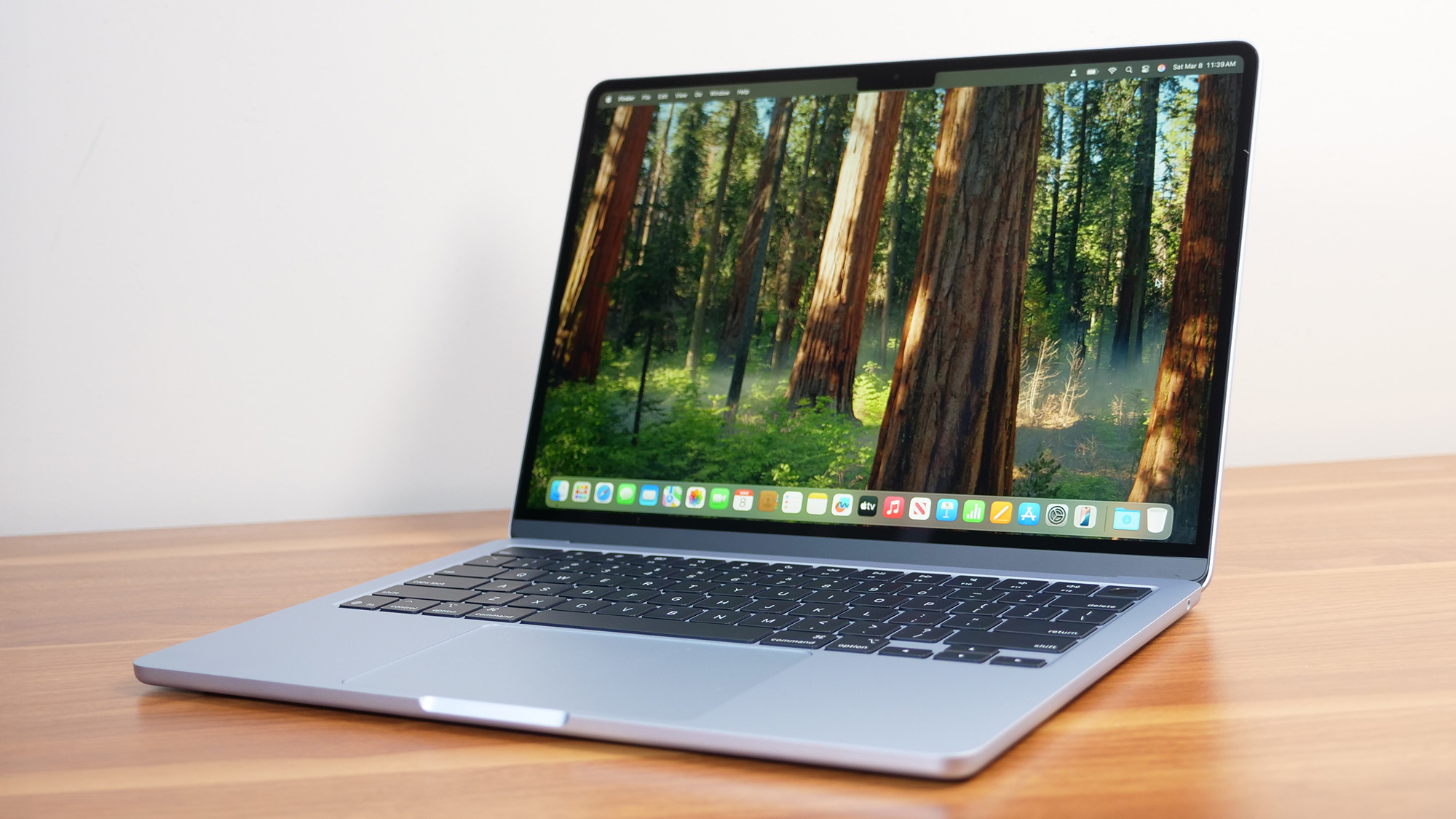
Defying expectations, the Apple MacBook Air 13-inch M4 emerges as the top recommendation, priced at an astonishing $999. This model represents an exceptional value proposition, offering boosted performance over its predecessor while maintaining the signature MacBook Air strengths: a stunning Liquid Retina display, a comfortable keyboard, impressive speakers, and an industry-leading webcam. Powered by Apple’s M4 chip, this laptop achieved a Geekbench 6 score of 14,849, outperforming many more expensive competitors. Its battery life is equally impressive, lasting over 15 hours on a single charge, making it an ideal companion for extended workdays or travel.
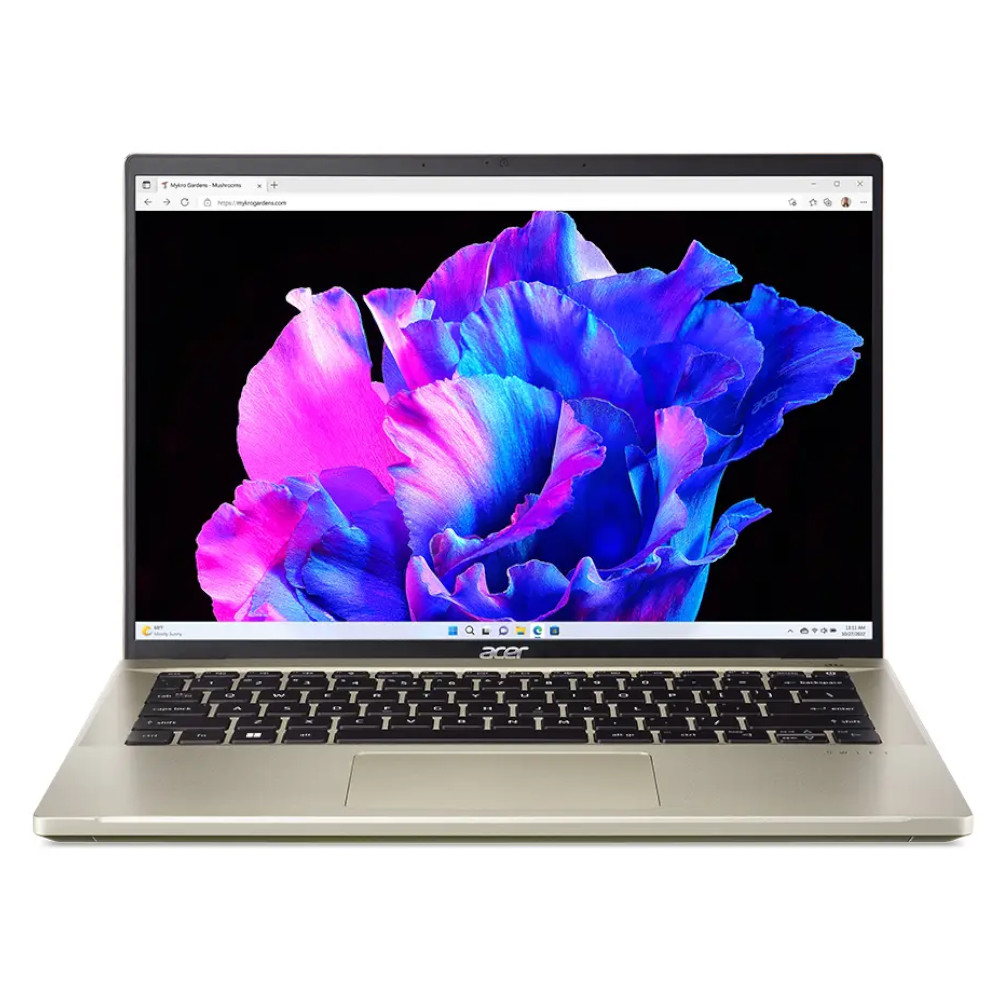
The MacBook Air’s lightweight design (2.7 pounds) and compact 13.6-inch form factor contribute to its portability. While its port selection is limited to two Thunderbolt 4 (USB-C) ports, an audio jack, and a MagSafe 3 charging port, this can be easily remedied with a USB-C hub for users requiring additional connectivity. The inclusion of the M4 chip at this price point demonstrates Apple’s aggressive strategy to capture a larger share of the mainstream laptop market, providing an objectively great user experience for those within or open to the Apple ecosystem.
Best Windows Laptop: Acer Swift Go 14 (2024)
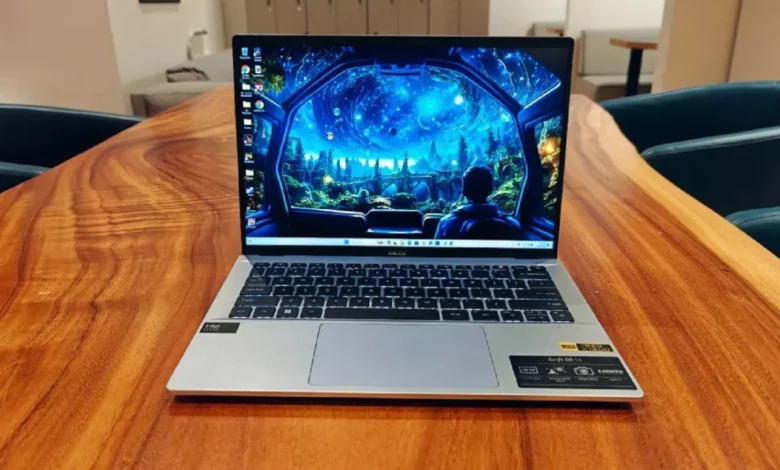
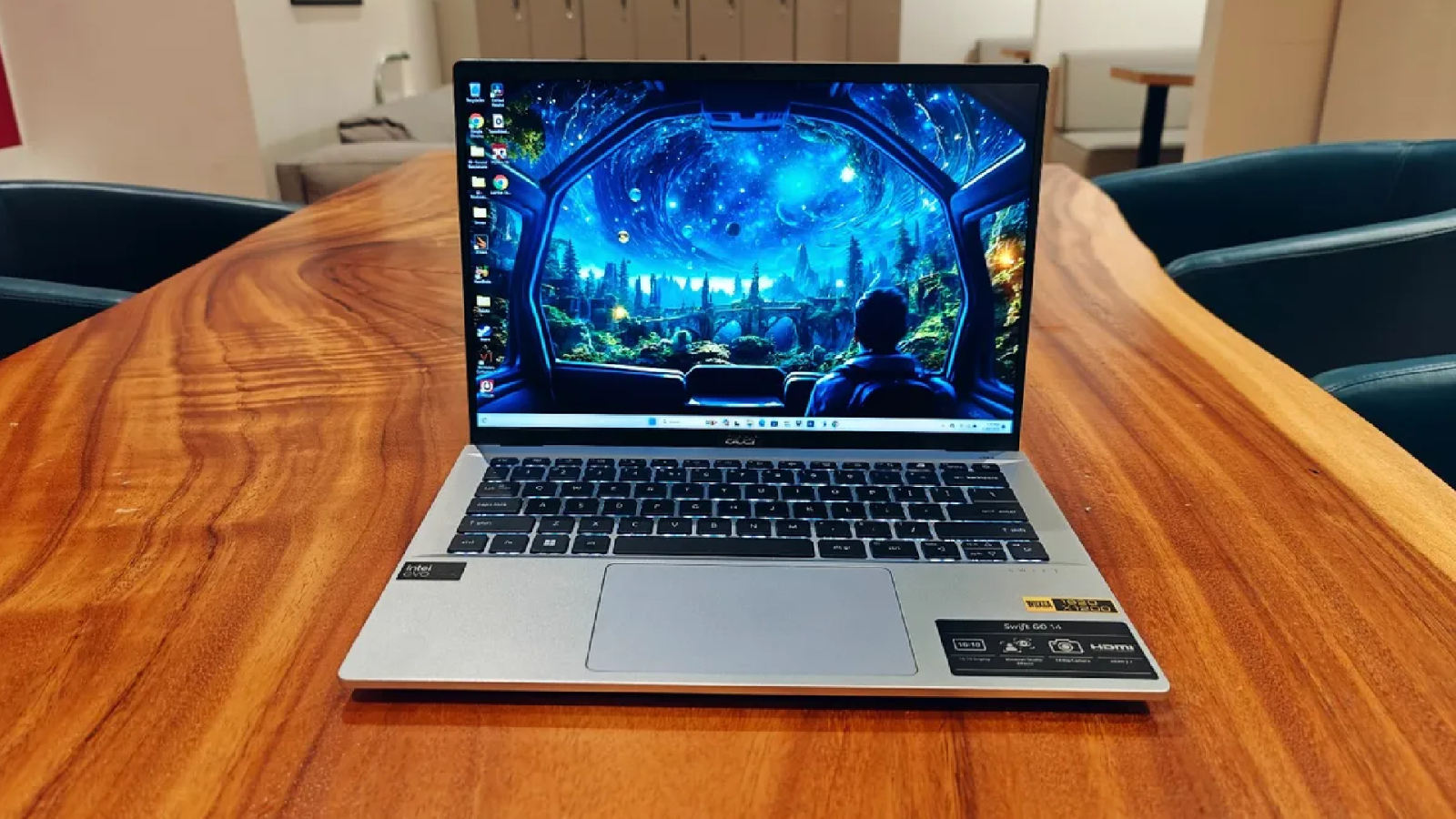
For Windows enthusiasts seeking a powerful and feature-rich laptop without breaking the bank, the Acer Swift Go 14 (2024) stands out. This model leverages the Intel Core Ultra CPU, featuring integrated Intel Arc graphics and an NPU for AI acceleration. This combination delivers a revelation in integrated graphics performance, smoothly handling 4K video editing even when unplugged, and achieving a multi-core average of 11,815 on the Geekbench 5.5 test, significantly surpassing previous-generation integrated graphics.
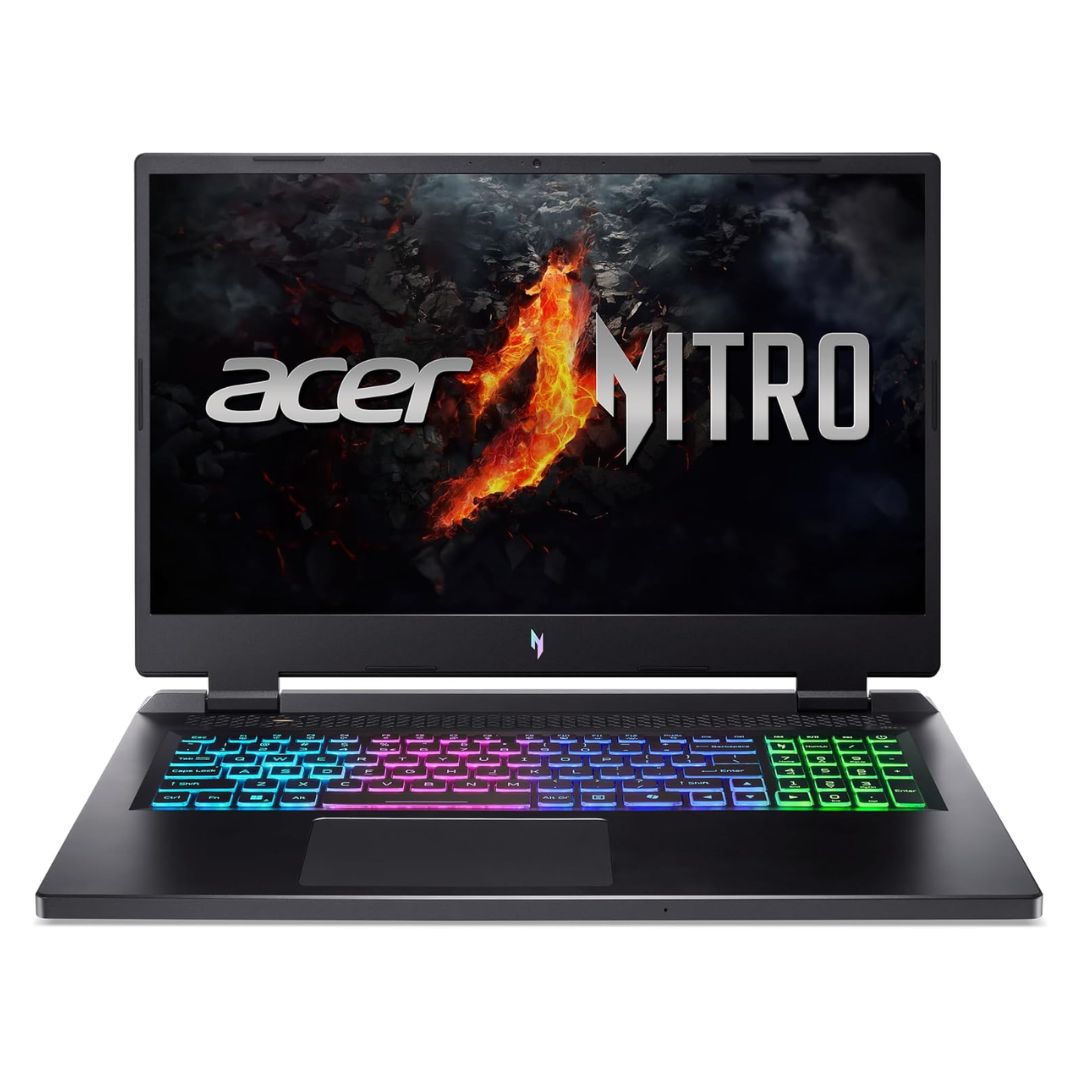
Beyond its internal prowess, the Swift Go 14 boasts a stylish and sturdy all-aluminum build, weighing 2.9 pounds. Its 14-inch WUXGA (1920 x 1200) touch display is vibrant, covering 79.1% of the DCI-P3 color gamut and averaging 374 nits of brightness. Acer also equips this laptop with an excellent QHD (2560 x 1440) webcam, enhanced by AI tools for improved image quality. Connectivity is a strong suit, offering two Thunderbolt 4 (USB-C) ports, two USB-A ports, an HDMI 2.1 port, an audio jack, and a microSD card slot. While its 9 hours and 50 minutes of battery life are respectable for a Windows machine, it’s not quite at the level of the MacBook Air. The trackpad has also been noted to be somewhat sluggish, suggesting an external mouse might be preferred for optimal use.
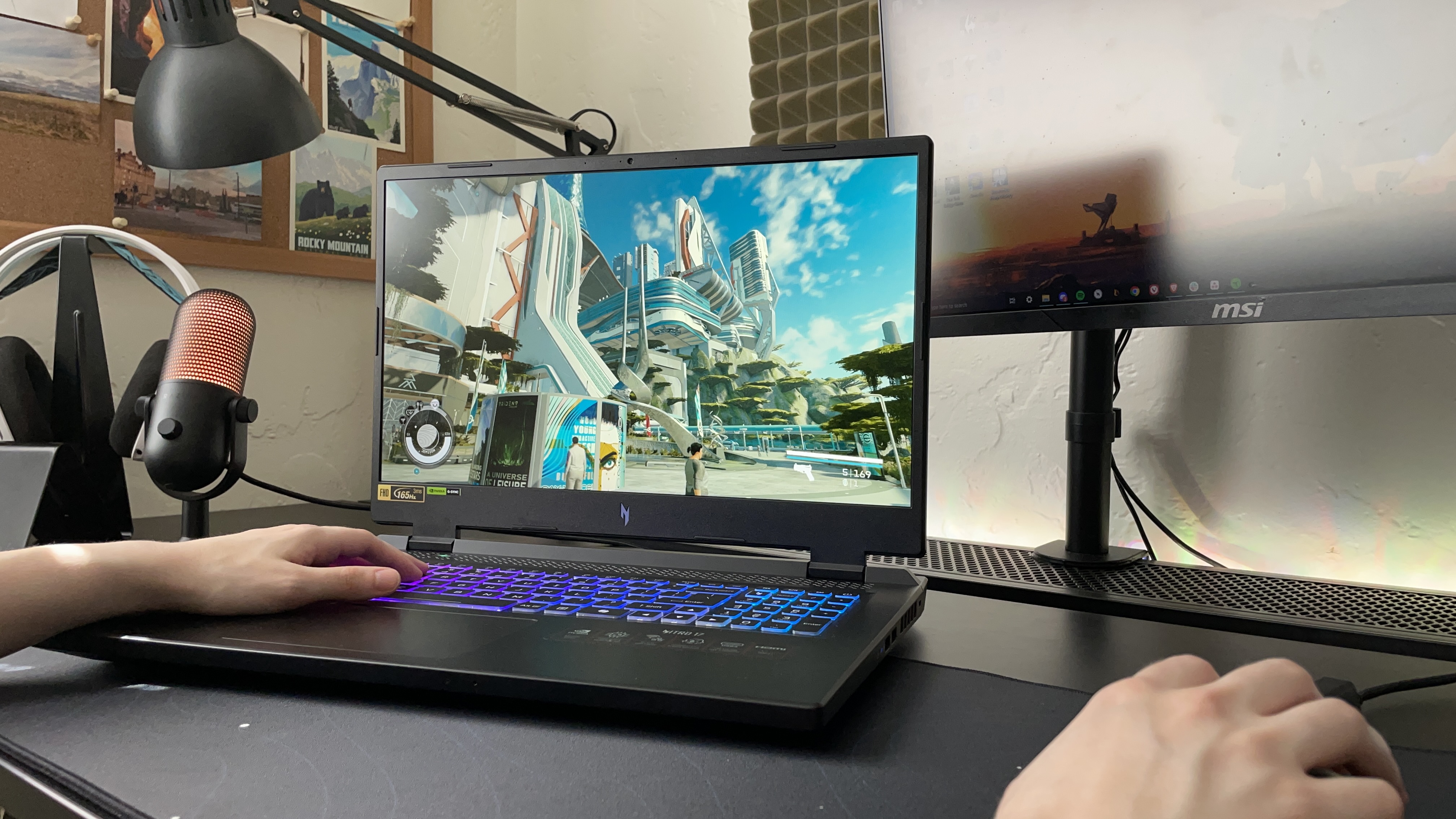
Best Gaming Laptop: Acer Nitro 17 (2024)
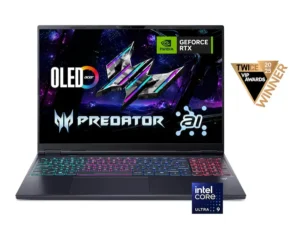
The Acer Nitro 17 (2024) challenges the notion that serious gaming requires an exorbitant investment. This budget-friendly powerhouse delivers impressively smooth gaming performance thanks to its Nvidia GeForce RTX 4060 GPU and AMD Ryzen 7 8845HS CPU. Coupled with 16GB RAM and a 1TB SSD, it offers a robust gaming experience on a huge 17.3-inch, 1920 x 1080 display with a 165Hz refresh rate.
Reviewers commend the Nitro 17 for its ability to provide a desktop-like gaming experience, even potentially replacing older desktop gaming PCs for budget-conscious gamers. On the 3DMark FireStrike benchmark, it scored 24,422, and in real-world tests, it averaged 84 frames per second in Borderlands 3 at 1080p. The audio quality is also a pleasant surprise, offering great sound without needing headphones. The main trade-offs, typical for gaming laptops, are its bulkiness (6.8 pounds) and a battery life of 7 hours and 22 minutes, which, while decent for a gaming rig, necessitates staying close to a power outlet for extended sessions. Its plastic chassis and grainy webcam are minor compromises for the raw gaming power it offers at its price point.
Best Chromebook: Samsung Galaxy Chromebook Plus
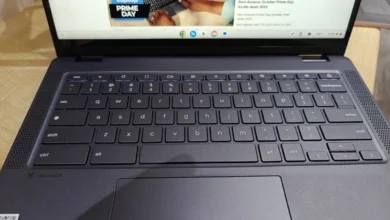
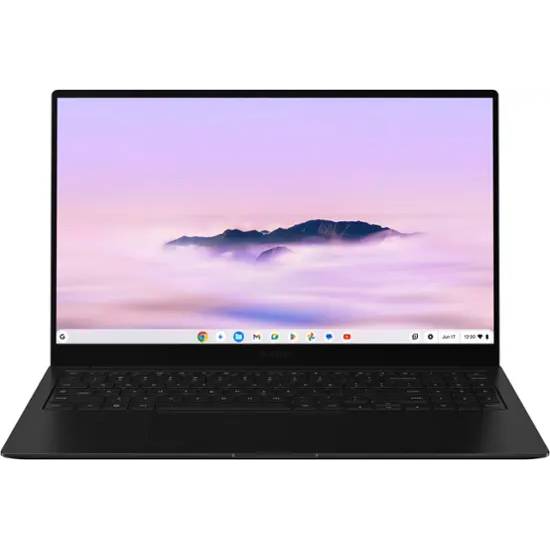
For users primarily focused on web browsing, cloud-based applications, and media consumption, the Samsung Galaxy Chromebook Plus presents an outstanding value. Breaking the mold of often-dull Chromebooks, this model features a stellar 15.6-inch, 1920 x 1080 AMOLED display that covers a remarkable 108.5% of the DCI-P3 color gamut, delivering vivid and bright visuals for an immersive viewing experience.
Powered by an Intel Core 3 100U CPU and 8GB RAM, the Galaxy Chromebook Plus offers surprisingly solid performance for ChromeOS, handling multiple browser tabs, including YouTube, without lag. Its impressive battery life of 11 hours and 12 minutes on web-surfing tests further enhances its appeal for all-day use. Despite its thin and lightweight profile (2.5 pounds), it offers a wide array of ports: two USB-C, one HDMI, one USB-A, a microSD card slot, and an audio jack. While still on the pricier side for a Chromebook, its premium features and performance justify the cost for those who appreciate a top-tier ChromeOS experience.
Best Business Laptop: Lenovo ThinkPad E14 Gen 5
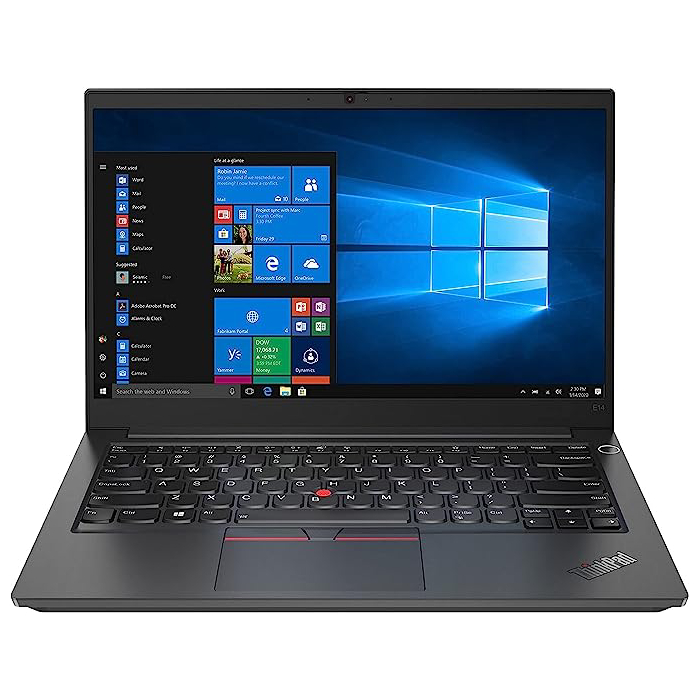
Addressing the needs of professionals in an increasingly hybrid work environment, the Lenovo ThinkPad E14 Gen 5 is an exemplary business laptop under $1,000. It combines Lenovo’s renowned ThinkPad durability with solid performance and business-centric features. The laptop boasts MIL-STD 810H certification, ensuring its resilience against drops, extreme temperatures, dust, and shocks – a crucial factor for frequent travelers. Security features like an IR camera, webcam shutter, and fingerprint sensor further enhance its professional appeal.
Internally, the ThinkPad E14 Gen 5 is equipped with an Intel Core i7-1355U processor, which scored 8,000 on the Geekbench 6 test, outperforming many category averages. Its 512GB SSD also offers speedy data transfer rates (1,258 Mbps). The 14-inch WUXGA (1920 x 1200) touch display averages 366 nits of brightness, though its color gamut coverage (46.3% DCI-P3) is less vibrant than some competitors. A highlight is the famously comfortable ThinkPad keyboard, known for its responsiveness and excellent bounce, complete with the iconic TrackPoint nub. The primary drawback for business users on the go is its battery life, lasting only 7 hours and 48 minutes, meaning a charger will likely be needed to complete a full workday. However, for those primarily desk-bound or with easy access to power, its robust build and performance make it a reliable workhorse.
Navigating Your Purchase: Choosing the Right Sub-$1,000 Laptop
Selecting the ideal laptop under $1,000 requires careful consideration of individual needs and priorities. Beyond the initial budget, several factors should guide your decision:
- Intended Use: Are you a student, a business professional, a casual web browser, or an aspiring gamer? Your primary use case will dictate the necessary performance, battery life, and display type.
- Operating System Preference: ChromeOS offers simplicity and security for web-centric tasks. Windows provides broad software compatibility and versatility. macOS (via the MacBook Air) offers a premium, integrated ecosystem with strong performance and battery life.
- Form Factor: Traditional clamshell laptops generally offer the best value for performance. 2-in-1 convertibles provide tablet functionality but might entail slight performance or price trade-offs. Consider portability and screen size – a 13-inch or 14-inch display is more travel-friendly than a 15.6-inch or 17.3-inch model.
- Key Specifications:
- CPU: Aim for at least an Intel Core Ultra 5, AMD Ryzen 5, Apple M4, or Qualcomm Snapdragon Elite for decent performance.
- RAM: 16GB is increasingly recommended for smooth multitasking and future-proofing.
- Storage: A 256GB SSD is a minimum, with 512GB being ideal for most users.
- Display: A 1080p (Full HD) resolution is a must for comfortable viewing, with brighter panels (300+ nits) and wider color gamuts enhancing the experience.
- Graphics: Integrated graphics are sufficient for everyday tasks and light gaming. For serious gaming or creative work, a laptop with a discrete GPU (even an older generation) is preferable, though it will push the upper limits of the $1,000 budget.
- Battery Life: If mobility is critical, prioritize laptops offering 10+ hours of battery life. If you’re mostly tethered to an outlet, this can be a lesser concern.
- Ports and Connectivity: Assess your peripheral needs. While some thin-and-light models have limited ports, others offer a comprehensive selection. USB-C hubs can mitigate port limitations.
Rigorous Testing for Reliable Recommendations
To ensure the credibility of these recommendations, each laptop undergoes extensive and objective benchmark testing. This process includes both synthetic tests, which measure raw processing and graphical power, and real-world scenarios designed to simulate typical user workflows.
Key testing methodologies include:
- Display Analysis: A Klein K10 colorimeter is used to measure screen brightness (in nits) and DCI-P3 color gamut coverage, providing objective data on visual quality.
- Performance Benchmarks: Laptops are subjected to Geekbench 5 and 6 for CPU performance, 3DMark for graphics capabilities, and custom tests involving 4K video conversion and large file duplication to assess real-world responsiveness.
- Gaming Performance: For gaming laptops, specific game benchmarks like Sid Meier’s Civilization 6 Gathering Storm and Borderlands 3 are run at 1080p resolution to measure frame rates.
- Thermal Management: Heat tests involve playing 15-minute full-screen videos and measuring surface temperatures to ensure comfortable operation under load.
- Battery Life: The battery test simulates continuous web surfing over Wi-Fi at a standardized brightness (150 nits), providing a consistent metric for endurance. A runtime of over nine hours is considered excellent for mainstream laptops, while gaming laptops exceeding five hours are noteworthy.
These lab tests are complemented by a full week of hands-on use by experienced reviewers, who evaluate factors like keyboard comfort, trackpad responsiveness, build quality, and overall user experience in everyday scenarios. This dual approach ensures that recommendations are based on both quantifiable data and practical usability.
The current landscape of sub-$1,000 laptops is a testament to rapid technological advancement and fierce market competition. Consumers no longer need to sacrifice essential performance, durability, or battery life when adhering to a strict budget. With careful research and consideration of individual needs, finding a stellar laptop that delivers exceptional value is more achievable than ever before.