Hideki Kamiya Expresses Desire to Lead New Castlevania Project as Konami Reassesses Legacy Franchise

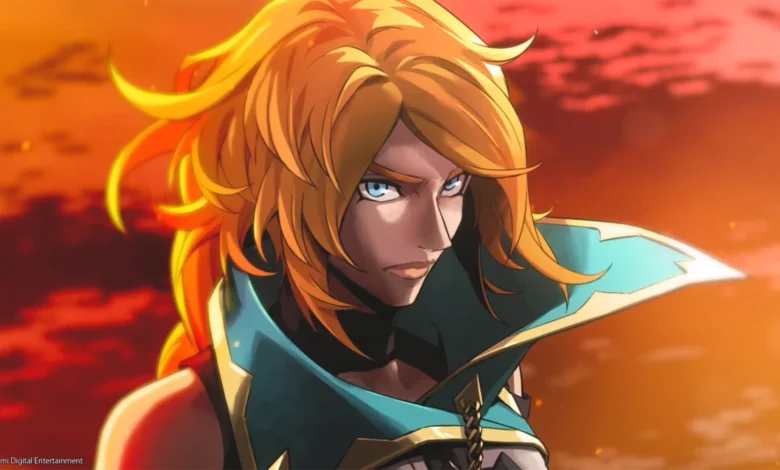
The landscape of modern action gaming is currently witnessing a confluence of high-profile industry veteran aspirations and a significant shift in corporate strategy from one of Japan’s most storied publishers. Hideki Kamiya, the visionary director behind genre-defining titles such as Devil May Cry, Bayonetta, and Okami, has publicly signaled his intent to helm a new installment in Konami’s iconic Castlevania franchise. This overture comes at a time when Konami has begun to signal a renewed commitment to its classic intellectual properties, following a period of relative dormancy for the vampire-hunting series.
A Career Defined by Action Excellence
To understand the weight of Kamiya’s interest, one must consider his extensive pedigree in the action genre. Rising to prominence at Capcom in the late 1990s, Kamiya directed Resident Evil 2, a title that fundamentally reshaped the survival horror genre. His transition to the high-octane action space with the original Devil May Cry established the "stylish action" sub-genre, characterized by complex combo systems and a focus on player expression.
Throughout his career at PlatinumGames and now at his independent studio, Clovers, Kamiya has maintained a reputation for prioritizing tight, responsive mechanics and distinct artistic vision. His body of work—including the mythic adventure Okami, the chaotic spectacle of The Wonderful 101, and the acrobatic intensity of the Bayonetta series—has garnered a dedicated global following. When a creator with this specific history of revitalizing or launching massive franchises speaks, the industry takes note.
The Evolution of the Castlevania Franchise
The Castlevania series, spanning nearly four decades, remains one of the most influential pillars of the "Metroidvania" genre. Since the release of the original game for the Famicom/NES in 1986, the franchise has undergone numerous tonal and mechanical shifts. From the linear platforming of the early entries to the sprawling, exploratory designs of Symphony of the Night and the 3D experimentation of the Lords of Shadow sub-series, the Belmont legacy is one of constant reinvention.
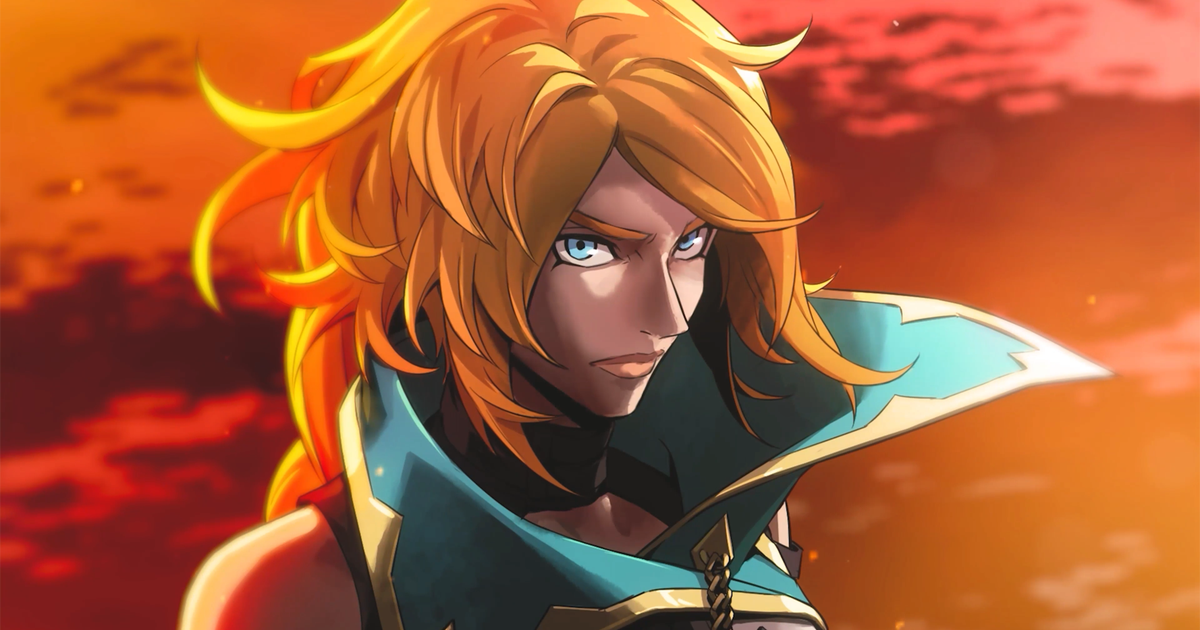
However, the series has faced a fragmented history over the last decade. Following the conclusion of the Lords of Shadow trilogy, Konami shifted its focus toward mobile titles and pachinko adaptations, leading to a vocal outcry from long-time fans who longed for a premium, single-player console experience. The recent release of Castlevania: Belmont’s Curse, developed by Evil Empire, marked a tentative return to the core action-platforming roots that defined the series’ peak in the 1990s. While reviews have been mixed regarding how well the title balances modern design sensibilities with the weight of its history, it serves as a litmus test for Konami’s current appetite for third-party partnerships.
Contextualizing the Director’s Ambition
Kamiya’s public call to action, articulated via his personal YouTube channel, was both direct and uncharacteristically bold. "We’ll definitely make Castlevania. If you let us work on it, we can make something truly insane, so just contact us and we’ll be at your service," he stated. While the remarks originated from a video recorded in the previous calendar year, they have gained renewed traction as Kamiya currently oversees the development of a highly anticipated Okami sequel at his new studio, Clovers.
This is not the first time the director has used his platform to advocate for the resurrection of dormant IPs. Kamiya has been a vocal proponent of reviving Scalebound, the ambitious action-RPG that was famously canceled during its development for the Xbox One. His persistence regarding Scalebound suggests that his interest in Castlevania is not merely a passing comment but part of a broader philosophy: that established franchises deserve the rigor and creative intensity of veteran-led studios.
Industry Implications and Strategic Shifts
The prospect of a Kamiya-led Castlevania title carries significant implications for both Konami and the broader gaming market. For Konami, the challenge lies in balancing the preservation of a legacy brand with the necessity of modernization. The company’s recent public statements suggest a strategic pivot, with executives confirming that "numerous new products around Castlevania" are currently in the pipeline. This phrasing is intentionally broad, covering everything from potential remasters and spin-offs to full-scale sequels.
From an analytical perspective, an external collaboration with an auteur like Kamiya would provide Konami with a "prestige" angle. By outsourcing development to a director with a track record of critical success, Konami could mitigate the risks associated with internal development cycles while simultaneously generating high-level consumer interest. However, such a partnership requires a level of creative autonomy that large publishers are often hesitant to grant.

The Timeline of Potential Development
As of mid-2024, the timeline for any such collaboration remains purely speculative. Kamiya is currently deep in the production cycle for the Okami sequel. In the rigorous world of high-end game development, directors typically focus their creative energy on a single primary project to ensure quality control. Therefore, any meaningful movement on a Castlevania project would likely not materialize for several years.
Furthermore, there is the question of the "Castlevania identity." The series is often caught between the desire to replicate the gothic, atmospheric exploration of the 2D era and the demand for modern 3D action spectacle. Kamiya’s own design philosophy—which favors aggressive, high-speed combat—would suggest a departure from the slower, more deliberate pacing found in the series’ exploration-heavy entries. Whether such a change would be embraced by the core fanbase or viewed as an unwelcome departure is a question that would define the success of any potential project.
Assessing the Future of the Belmont Legacy
The conversation surrounding a potential Castlevania revival is symptomatic of a larger industry trend: the "re-evaluation of the classics." As the costs of developing AAA titles skyrocket, publishers are increasingly looking to their back catalogs for reliable, recognizable properties. The success of the Castlevania animated series on Netflix has undoubtedly played a role in maintaining the brand’s cultural relevance, creating a new generation of fans who are hungry for interactive content.
Whether Konami will respond to Kamiya’s public invitation remains to be seen. Historically, the company has operated with a degree of internal focus that makes high-profile collaborations with external auteurs somewhat rare. However, the changing economics of the industry may dictate a more flexible approach.
In summary, Hideki Kamiya’s public interest in Castlevania serves as a catalyst for a broader dialogue about the future of the series. While his current commitments at Clovers preclude an immediate transition to a new project, his willingness to champion the franchise highlights the enduring appeal of the Belmont story. For the fans, the prospect of a developer with Kamiya’s technical expertise taking the reins of such a storied IP represents a tantalizing possibility—one that could potentially bridge the gap between the franchise’s celebrated past and its uncertain future. As Konami continues to refine its roadmap for its intellectual property portfolio, the industry will be watching to see if they choose to engage with these veteran voices or continue a more traditional path of internal development.
Related posts: