Mondo Robotics Beni Review: A Lively Ground-Level Camera Robot That Struggles to Justify Its High Price Tag

Consumer robotics has long walked a fine line between high-utility automation and expensive novelty. Enter the Mondo Robotics Beni, an active, resilient, and undeniably quirky camera robot designed to track, film, and interact with its users. Unveiled to the tech community in late September, the Beni enters a crowded ecosystem of automated filming devices, attempting to carve out a distinct niche by blending pet-like companionship with athletic mobility. However, after extensive testing, reviewers find that its ground-level filming limitations and inconsistent obstacle avoidance complicate its value proposition, particularly given its $799 starting price.
The Genesis and Design Philosophy of the Beni Robot
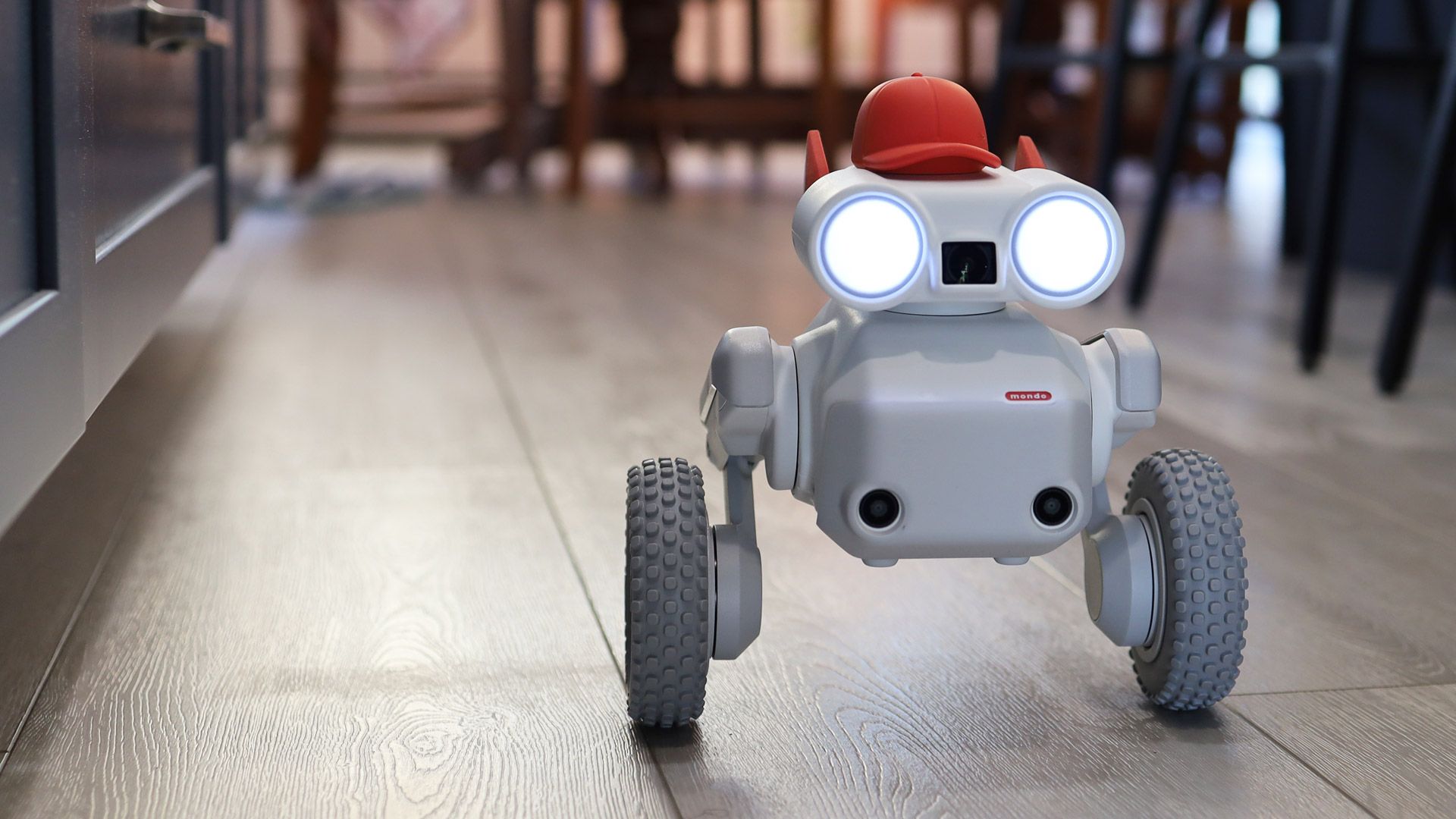
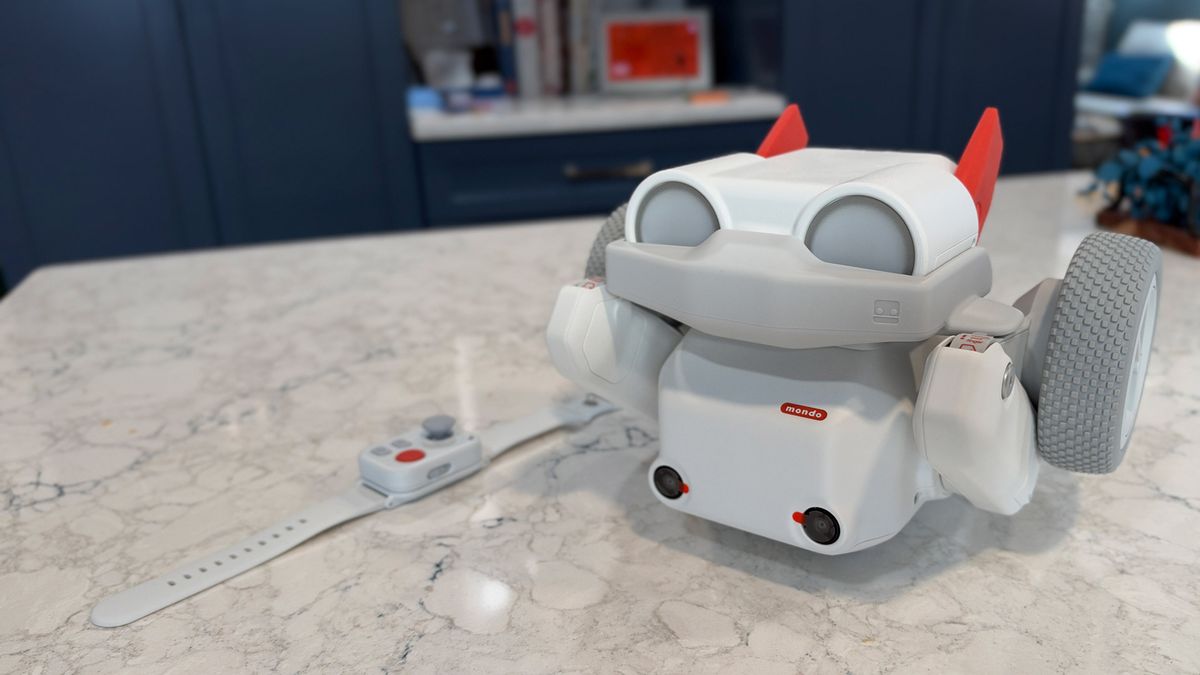
Mondo Robotics designed the Beni to bridge the gap between autonomous drones and stationary tracking mounts. Standing approximately nine inches tall when powered up and weighing just four pounds, the compact two-wheeled machine is built for durability. Its white chassis, accented by striking orange details, houses a sophisticated internal architecture featuring front-facing navigation cameras, cooling fans, and a primary 4K video camera positioned between two large, blinking LED indicators.
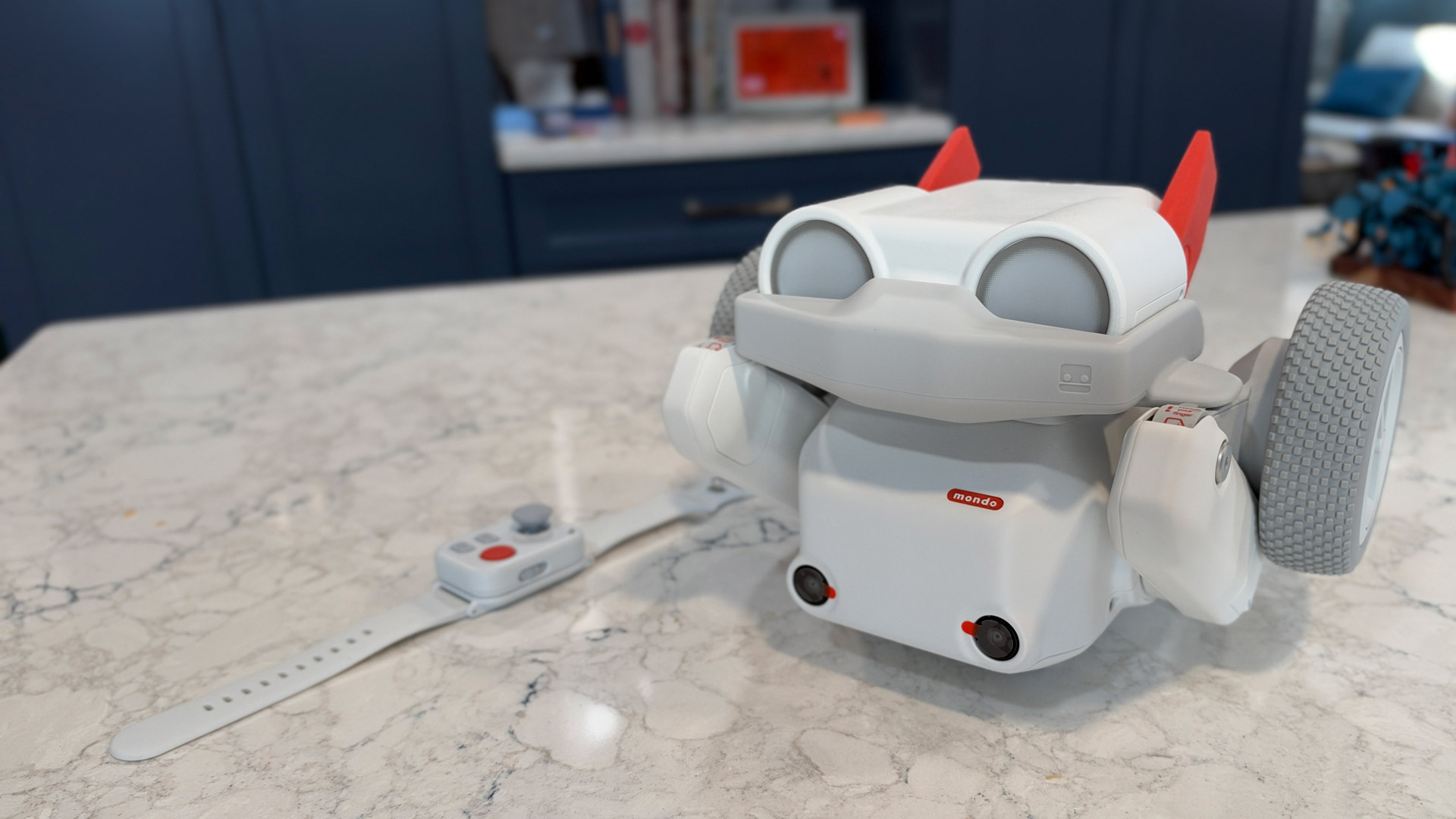
The robot is shipped fully assembled, requiring only the installation of its brick-like battery pack and initial connectivity via a companion smartphone application. To enhance its durability—a necessary consideration given the robot’s penchant for tumbling—Mondo Robotics offers customizable protective chest plates and accessories, such as a magnetically secured plastic baseball hat. Furthermore, the modular wheel system allows users to seamlessly swap standard indoor wheels for rugged, off-road alternatives designed for outdoor environments.
Pricing, Packages, and Market Positioning
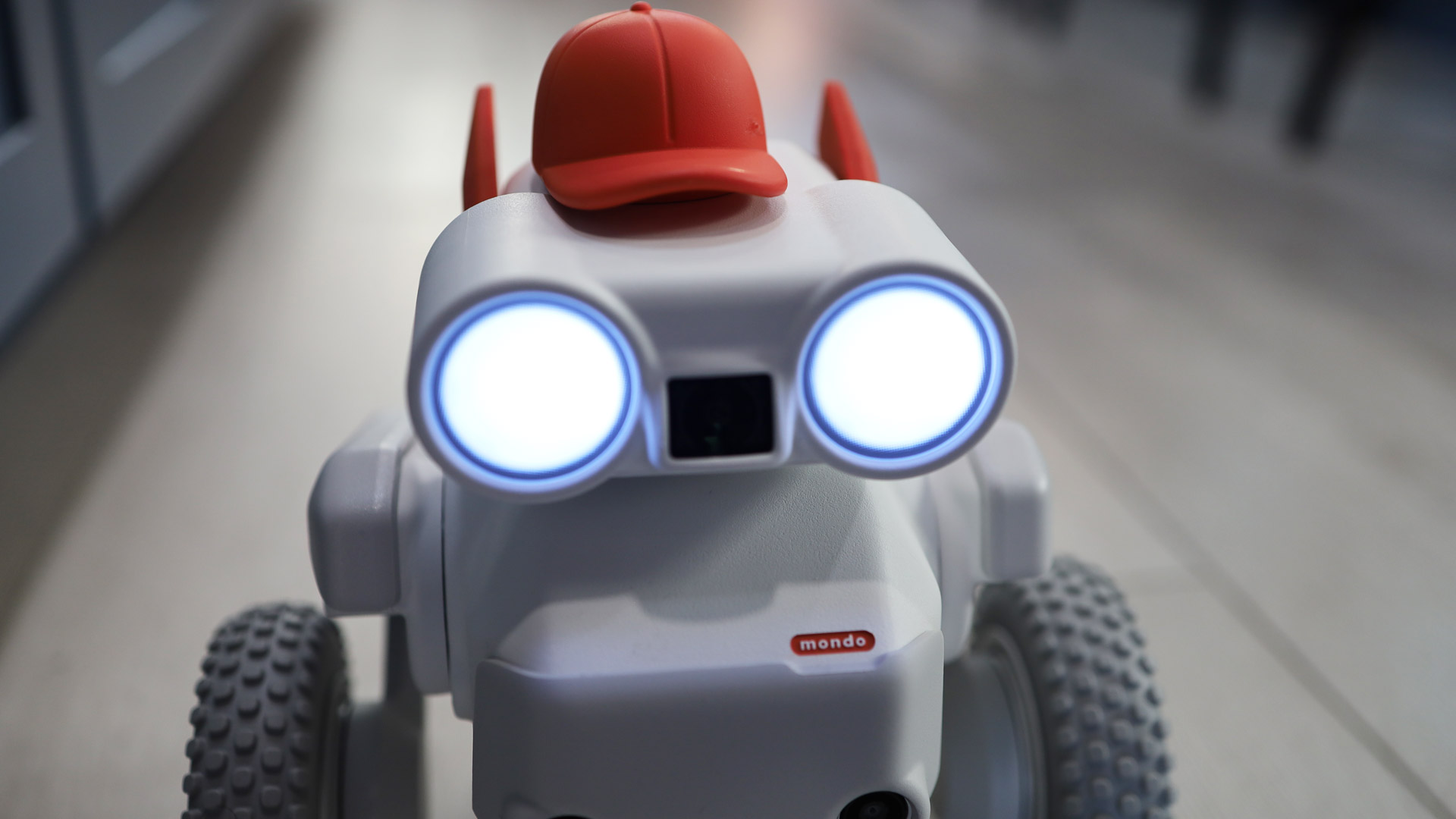
The Beni is available in two primary configurations. The Standard Combo bundle retails for $799 / £699, supplying the robot, a single battery pack, a wearable motion controller, a hat, a chest protection plate, and standard wheels. For an additional $100 / £100, consumers can opt for the Explore Combo, which introduces off-road wheels, a secondary battery, a multi-battery charging hub, and additional protective coverings.
While the hardware complexity reflects the price point, consumer adoption largely hinges on an individual’s need for ground-level video capture. Recognizing potential market resistance, Mondo Robotics rolled out promotional pricing, including limited-time seasonal discounts such as a $60 reduction ahead of Black Friday. Nevertheless, industry analysts note that prospective buyers must weigh the novelty of a robotic camera assistant against traditional, more versatile stabilization tools like gimbals and flying drones.
Performance, Tracking Capabilities, and Mobility
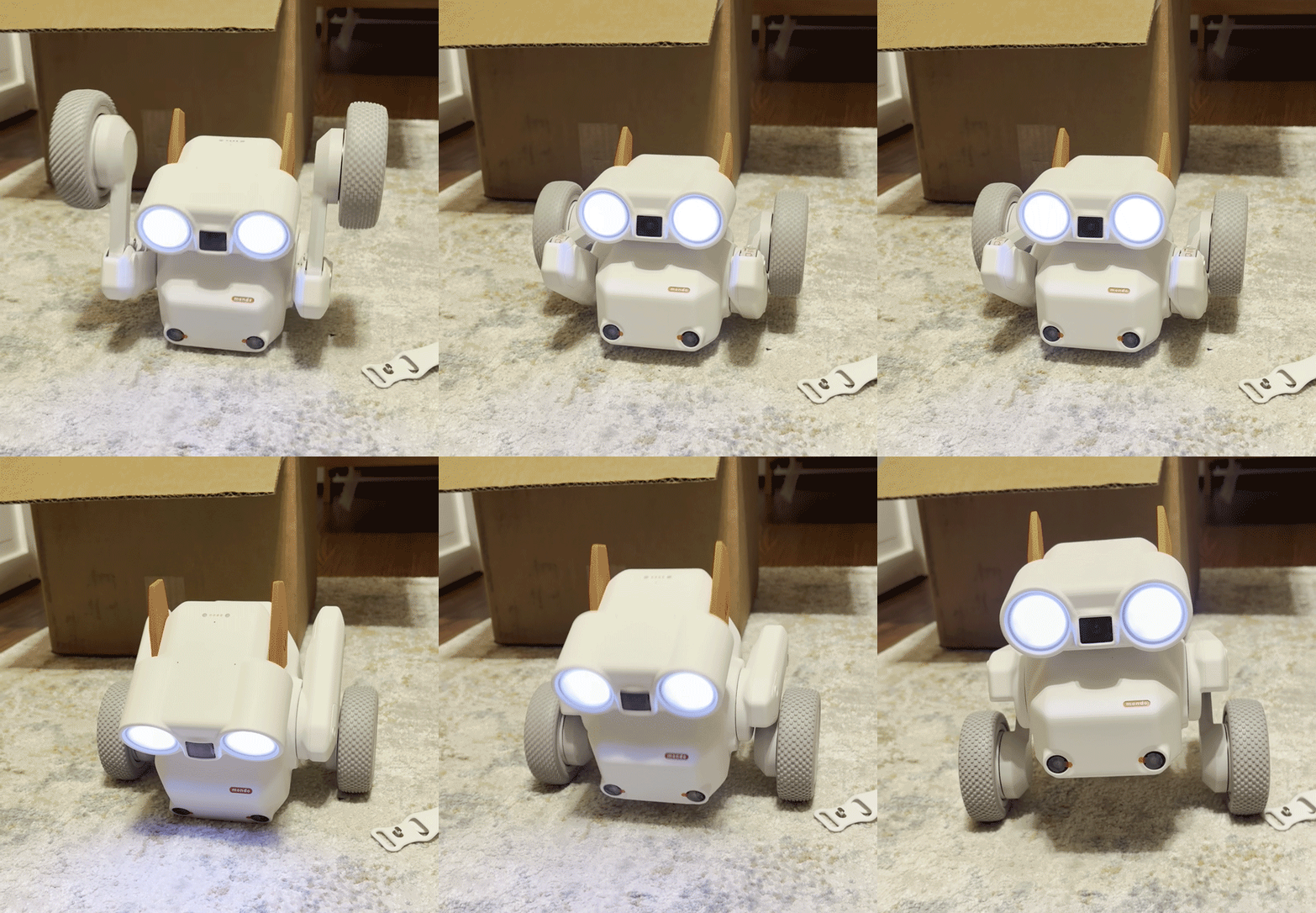
In practical operation, the Beni functions as a semi-autonomous automaton capable of balancing on two wheels, reacting to environmental stimuli, and dusting itself off after minor falls. Its tracking performance is driven by multiple modes, including Trail Tracking, which maintains a consistent distance behind a moving subject, and Spotlight tracking, which keeps the user framed during movement.
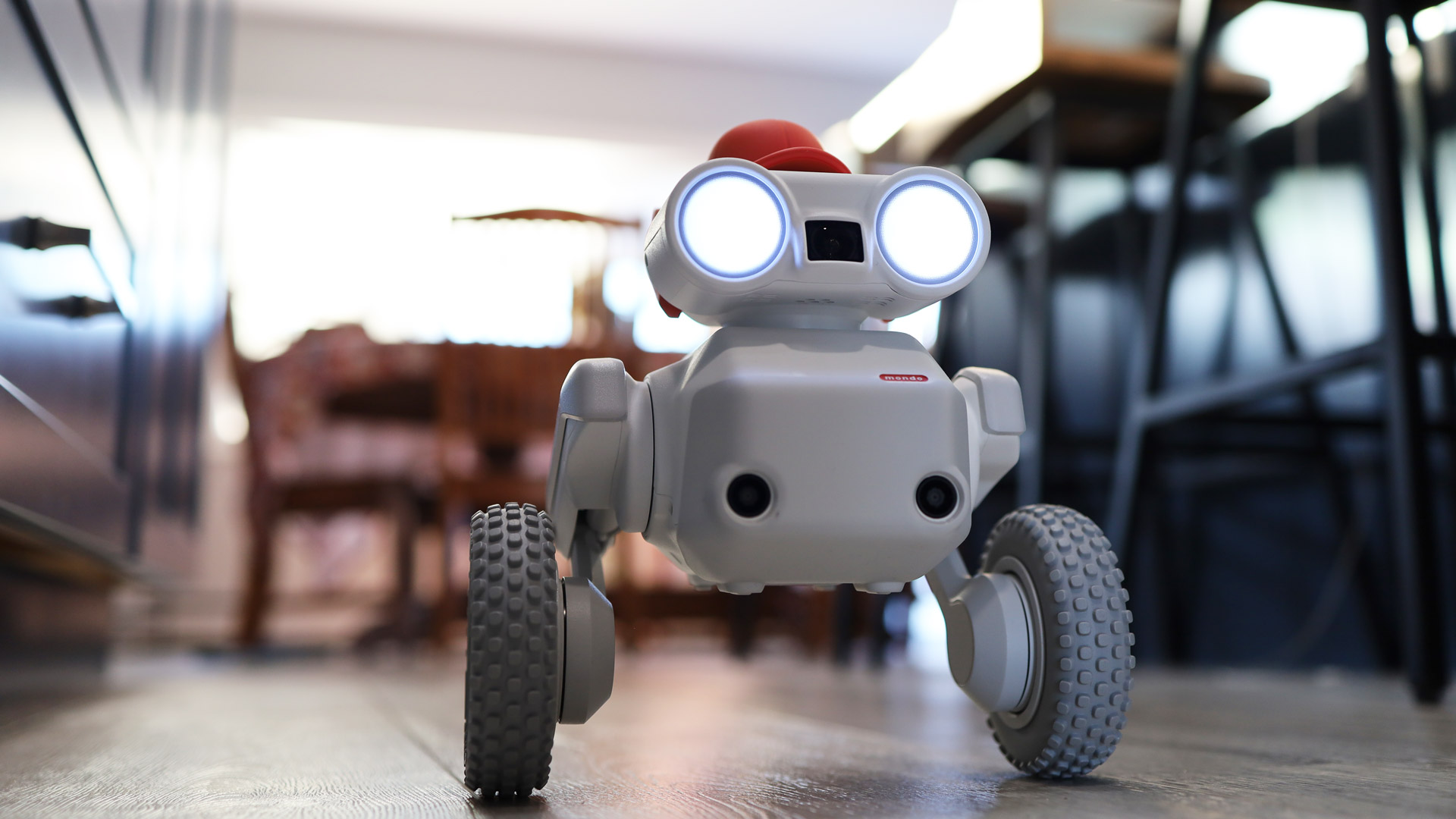
During speed tests, the robot demonstrated impressive agility, reaching speeds of up to 17.9 miles per hour and effortlessly keeping pace with a running subject. Users can pilot the device using several methods, including a smartphone app, hand gestures—such as a thumbs-up to initiate jumps or flips—and a wearable motion controller equipped with a thumb joystick.
Despite these athletic feats, real-world performance reveals notable limitations in spatial awareness. While onboard sensors are theoretically designed to protect the hardware, reviewers noted frequent failures in obstacle detection. The robot struggled to autonomously navigate staircases safely, occasionally resulting in destructive tumbles. Additionally, localized navigation modes, such as Parallel tracking, occasionally resulted in the device colliding with the user’s ankles.
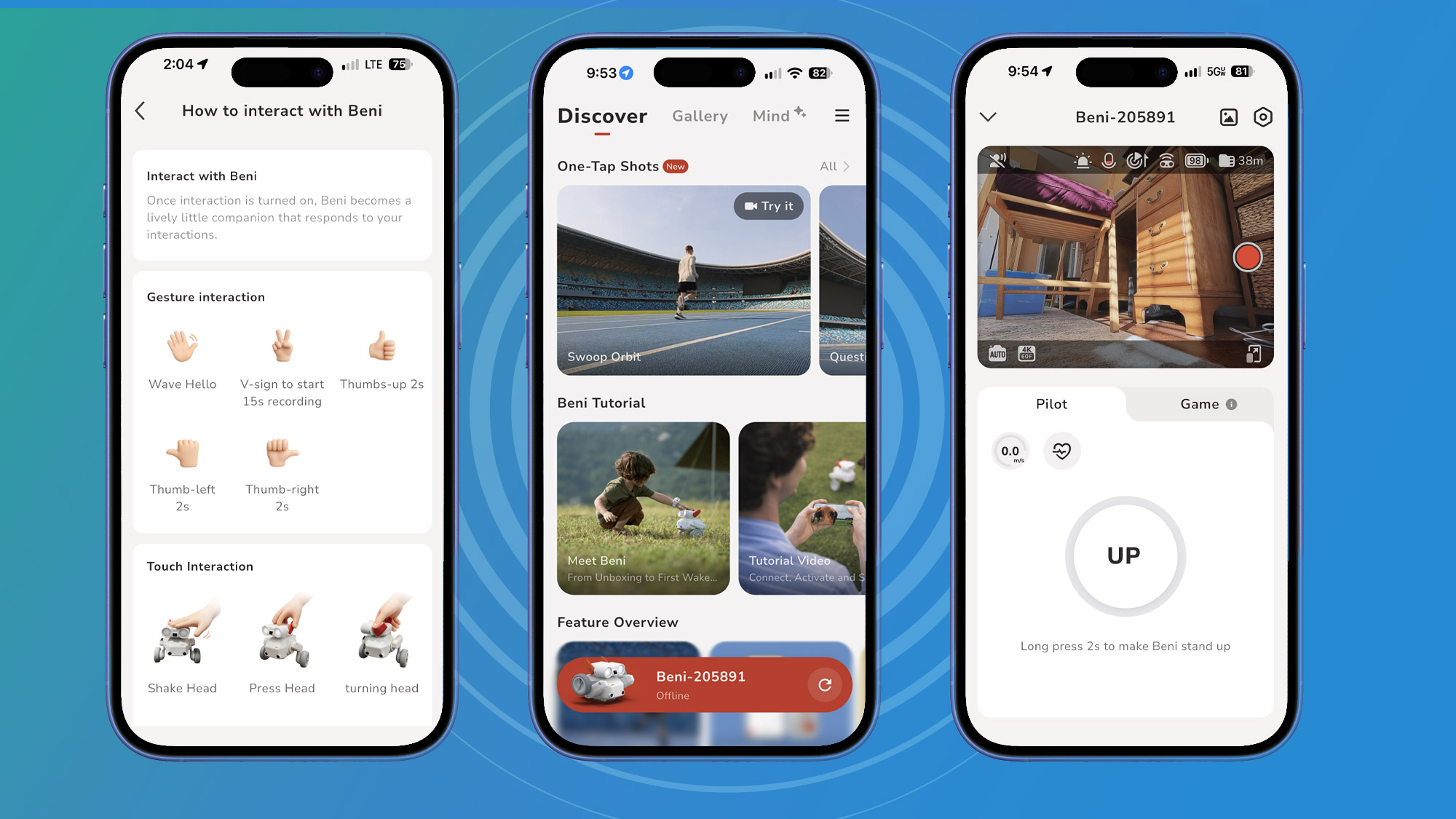
Battery Life and Ergonomic Considerations
Powering the Beni is a high-output battery pack that yields approximately one hour of continuous operation on a full charge. While adequate for casual use, intensive video production sessions may find this runtime restrictive. Furthermore, as the battery depletes to its final power bar, the robot automatically disables its high-energy maneuvers, such as jumping and flipping, preserving only basic mobility and stabilization functions.
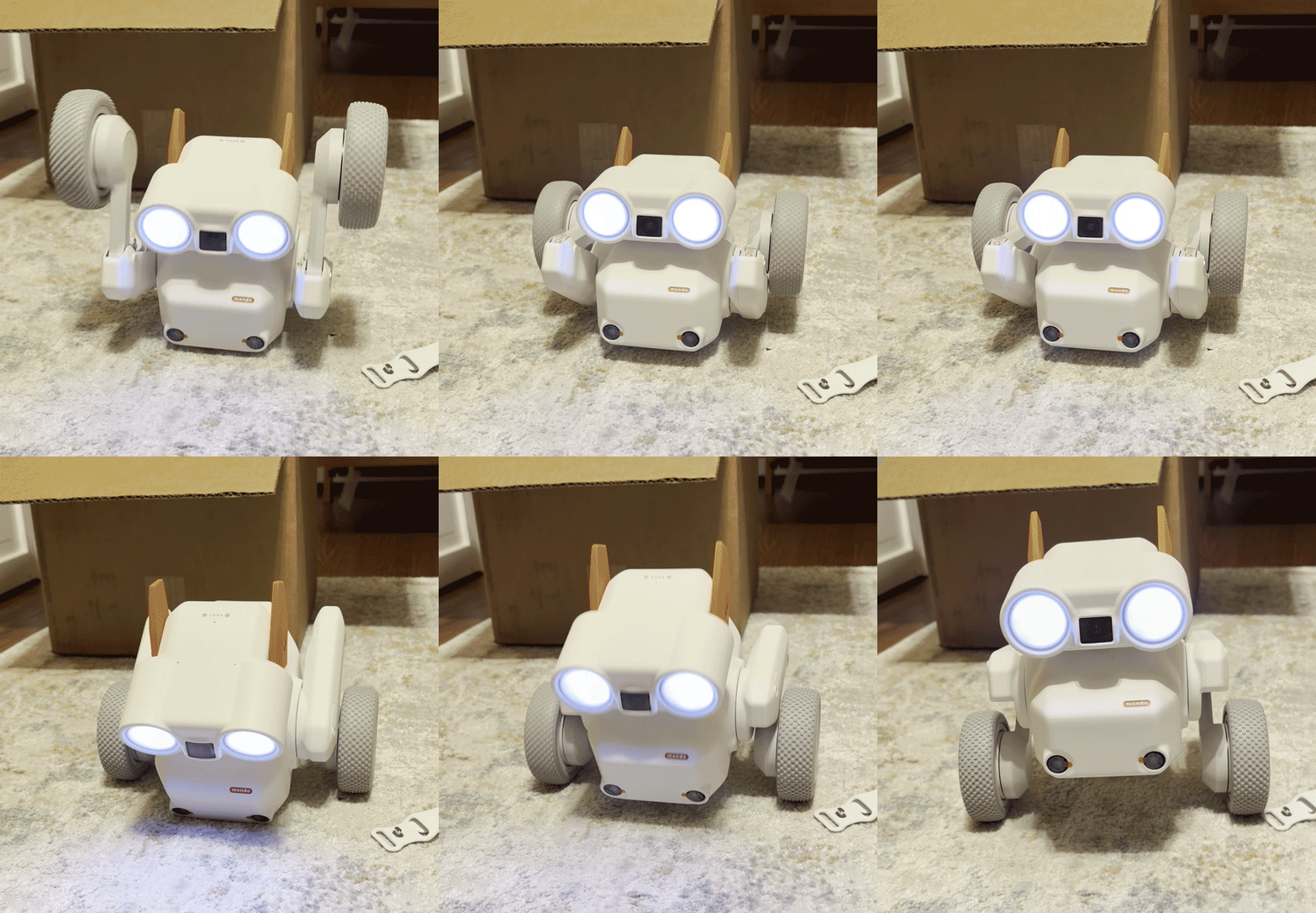
Ergonomically, the wearable remote control offers mixed utility. While designed to be worn on the wrist, the controller’s magnetic attachment mechanism allows it to be easily popped off and held by hand, which testers found to be a more intuitive steering method than wrist-mounted operation.
Broader Implications and Market Outlook

The introduction of the Mondo Robotics Beni highlights the ongoing evolution of consumer robotics, shifting from stationary smart-home hubs to dynamic, mobile companions. By integrating advanced tracking algorithms and expressive, pet-like interactions, Mondo Robotics has created one of the most engaging consumer robots currently on the market.
However, the device’s limitations—specifically its ground-level perspective, inconsistent obstacle avoidance near stairs, and premium price tag—suggest that it remains a niche product for early adopters and dedicated content creators rather than an essential household appliance. Future firmware updates may resolve navigation and software-based shortcomings, but until then, the Beni serves as a fascinating glimpse into the future of interactive robotics tempered by the practical realities of first-generation hardware engineering.