Patio and Garden Retailers Launch Early Seasonal Sales as Consumers Shift Focus to Fall Maintenance and Preparation

As the transition from summer to autumn accelerates, major retailers including Amazon and Walmart have initiated a series of aggressive pricing strategies aimed at clearing inventory and capturing early-season demand for lawn and garden supplies. This strategic shift in retail operations, occurring well ahead of the traditional Black Friday period, reflects a broader trend of retailers attempting to smooth out demand curves and manage warehouse logistics before the peak holiday shopping season begins in earnest.
The current market environment is characterized by a concerted effort to move outdoor equipment, patio furniture, and landscaping tools, as homeowners pivot toward winterizing their properties. Data from retail analytics firms suggest that consumer spending on home improvement and outdoor maintenance experiences a distinct spike during the late-summer to early-autumn transition, as individuals seek to maximize the utility of their outdoor spaces while the weather remains temperate before eventually shifting focus to storage and maintenance.
The Evolution of the Pre-Holiday Sales Calendar
Historically, the retail sector focused its primary discount efforts on the period immediately following Thanksgiving. However, the last five years have seen a systemic shift toward "extended" holiday shopping windows. This trend, often referred to as "Christmas Creep" in the retail industry, has been exacerbated by supply chain optimizations and the necessity for large-scale retailers to manage inventory turnover more effectively.
By discounting patio and garden items in early autumn, retailers such as Amazon and Walmart are achieving two primary objectives: first, they are liquidating remaining summer stock to free up floor and warehouse space for the incoming influx of winter holiday goods, such as electronics, toys, and seasonal décor. Second, they are leveraging the "homebody economy"—a sustained post-pandemic interest in home improvement and outdoor living—to drive consumer traffic to their respective e-commerce and physical platforms.
According to market analysts, this year’s early sales are particularly aggressive due to inflationary pressures that have tempered discretionary spending throughout the first half of the year. By offering entry-level pricing starting at $10 for essential garden maintenance tools, retailers are utilizing a "loss leader" strategy to draw consumers into their ecosystems, where they are statistically more likely to purchase higher-margin items in subsequent transactions.
Market Dynamics and Consumer Behavior
The current inventory landscape is shaped by the residual effects of supply chain recalibrations. Throughout 2022 and 2023, retailers grappled with overstock issues, a phenomenon that has largely stabilized but remains a guiding factor in pricing strategy. Today’s discounts are less about emergency liquidation and more about calculated inventory management.
Consumers are increasingly price-sensitive, with recent surveys indicating that over 65% of shoppers are actively seeking out sales and promotional pricing before making significant home or garden purchases. The retail response has been to integrate "early bird" pricing, which serves as a psychological anchor for consumers, signaling that the current price is the best they can expect for the remainder of the year.
The product categories currently seeing the most significant markdowns include:
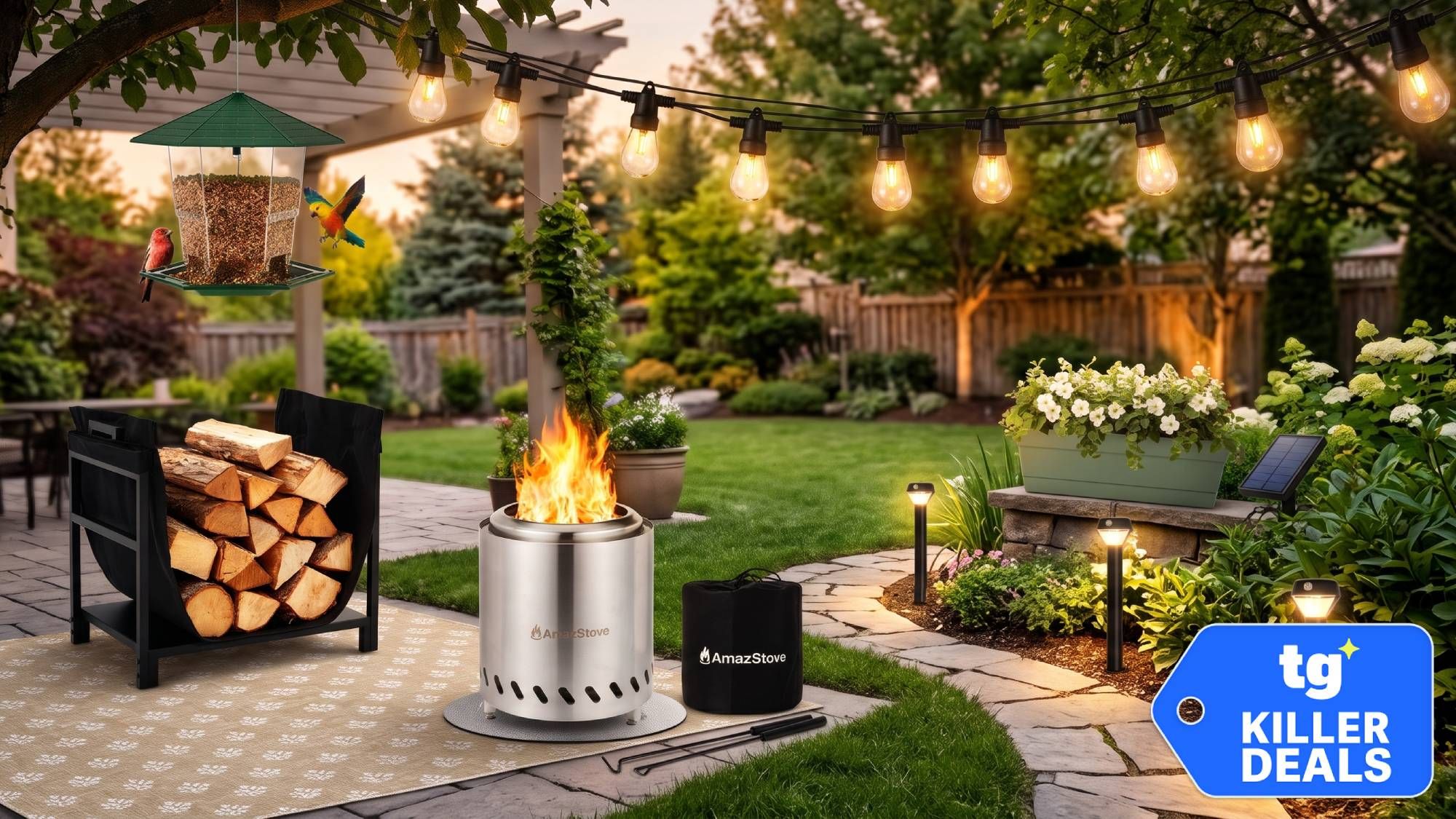
- Outdoor Heating Solutions: Fire pits and patio heaters, which see a surge in demand as temperatures drop.
- Maintenance Tools: Pruners, leaf blowers, and storage solutions for lawn furniture, essential for winterizing gardens.
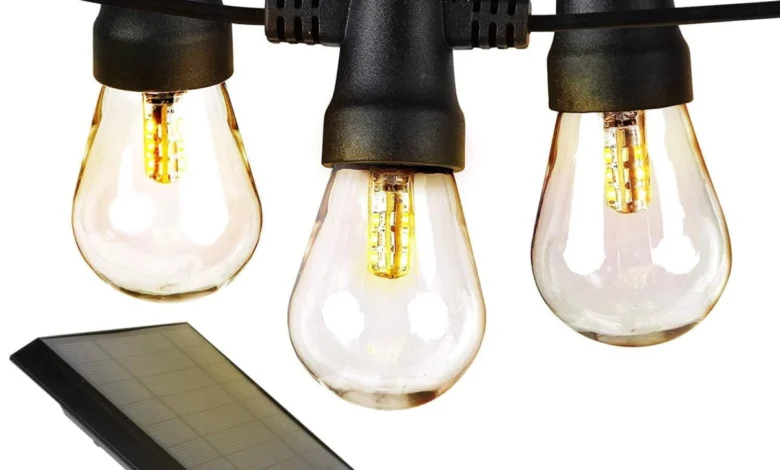
- Decorative Accents: Solar-powered outdoor lighting and modular furniture sets designed for autumn entertaining.
Comparative Retail Strategies
While both Amazon and Walmart are vying for the same demographic, their tactical approaches to these sales differ significantly. Amazon relies heavily on its algorithmic pricing engine and the logistical efficiency of its Prime delivery network. Their approach is characterized by high-volume, short-duration "Lightning Deals" that create a sense of urgency.
Conversely, Walmart is leveraging its omnichannel presence, allowing consumers to browse online and utilize its widespread network of physical stores for immediate pickup. This is a critical advantage for heavy or bulky items, such as large patio sets or heavy gardening equipment, where shipping costs can be prohibitive for the retailer and inconvenient for the consumer. Walmart’s strategy focuses on "Rollbacks," which provide more stability in pricing compared to the rapid fluctuations often seen on the Amazon marketplace.
Economic Implications for the Home Improvement Sector
The broader implications of these early sales are significant for the home improvement and landscaping industries. When consumers acquire garden tools and furniture at a discount, it often encourages them to undertake larger projects that they might have otherwise deferred. A purchase of an affordable patio fire pit, for instance, frequently leads to secondary purchases of seating, fuel, and outdoor accessories, thereby stimulating the broader home goods economy.
Economists monitoring the retail sector note that this period of discounting serves as a reliable bellwether for the upcoming holiday season. If retailers see strong engagement with these home and garden deals, it often indicates a higher level of consumer confidence. Conversely, if these early discounts fail to gain traction, it may signal that retailers need to recalibrate their inventory levels and promotional strategies for the critical Black Friday and Cyber Monday windows.
Preparing for the Off-Season
For the average homeowner, the current market climate offers a distinct window of opportunity. The focus on "winterizing" serves as a practical framework for purchasing. Experts in home maintenance suggest that the period between late September and early November is the optimal time for soil preparation, equipment maintenance, and the strategic storage of outdoor assets.
The influx of discounts on items such as durable storage covers, high-quality pruning shears, and weather-resistant lighting provides a cost-effective way to protect outdoor investments. By purchasing these items now, rather than waiting for the spring season when demand—and prices—traditionally rise, consumers can achieve significant long-term savings.
Strategic Outlook for Q4
As we move toward the end of the year, the retail sector remains in a state of high competition. The success of these early patio and garden promotions will likely inform the scope of the Black Friday events that follow. Retailers are currently balancing the need to maintain profit margins against the necessity of clearing out warehouse space.
Looking forward, the integration of AI-driven inventory management and personalized marketing will continue to play a larger role in how these deals are presented to the consumer. For the remainder of the autumn season, market observers expect to see a continuation of these promotional trends, with potential deep-discount events occurring during October as retailers make their final push to consolidate inventory before the high-traffic holiday shopping season officially begins in November.
Ultimately, the early-season sales represent a marriage of convenience and necessity. For retailers, it is a logistical imperative to balance inventory; for consumers, it is an opportunity to acquire necessary home goods at a reduced cost. As the outdoor season draws to a close, the data suggests that those who leverage these early-season opportunities are positioning themselves to manage both their home maintenance costs and their overall holiday budgets more effectively in the months ahead.