U.S. Intelligence Memo Alleges Chinese State Security Recruited Executive to Target Nvidia CEO Jensen Huang

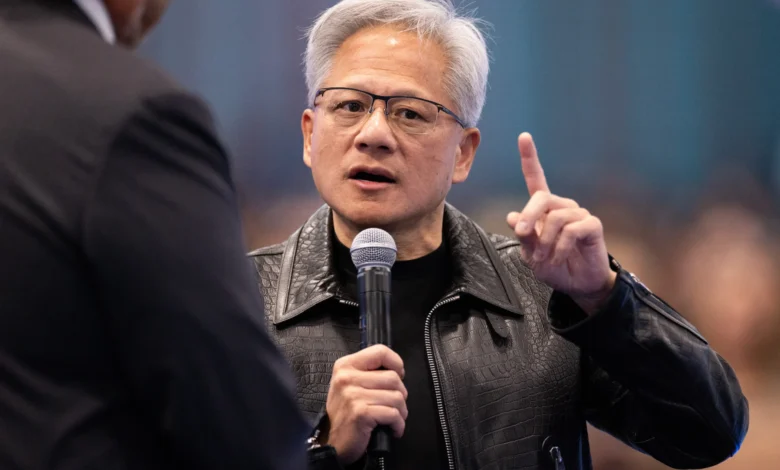
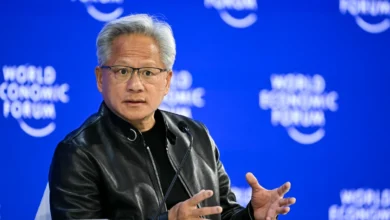
An intelligence memo circulated earlier this year has ignited intense scrutiny across geopolitical and technology sectors following explosive allegations that a corporate executive was recruited by China’s Ministry of State Security to gather intelligence on Nvidia CEO Jensen Huang. The document, which surfaced from U.S. intelligence assessments, details a sophisticated foreign influence and espionage operation targeting one of the most prominent figures in the global artificial intelligence landscape.
The disclosure brings to light the mounting vulnerabilities surrounding high-ranking technology executives amid escalating geopolitical tensions and a fierce global race for technological supremacy. As artificial intelligence chips and advanced computing infrastructure become the bedrock of national security and economic power, the personal and professional lives of semiconductor industry leaders are increasingly intersecting with international espionage.
The Intelligence Memo and Espionage Allegations
The existence of the intelligence memo first came to public attention through reporting by The New York Times, which detailed how U.S. security agencies tracked the activities of a technology executive named Alice Huang. According to the memo, Chinese intelligence handlers allegedly recruited Alice Huang—who held a senior executive position at a Singapore-based enterprise known as Megaspeed—to infiltrate Jensen Huang’s professional and personal circles.
Subsequent reporting by The Financial Times added further complexity to the narrative, revealing that the intelligence assessment alleged a romantic relationship existed between Jensen Huang and Alice Huang. While intelligence memos of this nature frequently outline potential vulnerabilities exploited by foreign actors, they do not inherently prove that classified corporate data was compromised or that the target acted knowingly on behalf of a foreign power.
The intersection of personal relationships and state-sponsored espionage is a classic tradecraft vector historically employed by intelligence agencies seeking asymmetric access to proprietary information. In the context of the modern tech boom, where major semiconductor firms hold the keys to next-generation computing, the stakes of such operations have multiplied exponentially.
Corporate Response and Institutional Defenses
In the wake of these revelations, Nvidia has moved swiftly to address the public fallout and reassure stakeholders regarding the security of its intellectual property and supply chain. Speaking to journalistic outlets, an official Nvidia spokesperson characterized Jensen Huang’s interactions with Alice Huang as "not unusual" given the standard networking demands, industry events, and stakeholder engagements typical of a chief executive officer leading a trillion-dollar technology titan.
Furthermore, Nvidia’s representatives firmly emphasized the company’s rigorous internal security protocols. The spokesperson stressed that Nvidia does not share sensitive, proprietary, or classified technological data with commercial customers or external entities. In an environment where export controls and national security directives strictly govern where advanced semiconductors can be shipped, Nvidia reiterated its commitment to compliance.
"We sell the first, best, and most of our technology in America," the spokesperson noted, underscoring the company’s alignment with domestic regulatory frameworks designed to protect critical technological assets from unauthorized foreign acquisition.

The Front Company Controversy and Semiconductor Export Controls
Compounding the pressure on Nvidia and regulatory bodies, a parallel investigation published by The New York Times shed light on the pervasive issue of shell companies and front organizations attempting to bypass U.S. export controls. The report closely examined New Matrix, a Chinese corporate entity that had successfully received authorization from the U.S. Commerce Department to purchase advanced Nvidia semiconductors.
However, when journalists traveled to the physical office address officially registered by New Matrix, they discovered a startling reality: the location was described merely as "a hollow gray shell." The complete lack of operational infrastructure, corporate presence, or legitimate business activity at the designated address has raised urgent red flags among lawmakers and national security experts. Investigators fear that New Matrix functions as a covert front organization designed to obscure the ultimate end-users of advanced artificial intelligence hardware—potentially funneling restricted chips to blacklisted private equity firms, military research entities, or sanctioned domestic tech giants in China.
This discovery highlights the monumental enforcement challenges facing the Bureau of Industry and Security (BIS) and other regulatory agencies. As the United States implements sweeping restrictions on the export of high-end graphics processing units (GPUs) to curb China’s military and technological advancement, intermediaries are continuously adapting, utilizing complex webs of shell corporations, third-party logistics, and foreign subsidiaries to acquire prohibited hardware.
A Chronology of Events
To understand the trajectory of these unfolding developments, it is essential to examine the sequence of key events:
- Early 2026: U.S. intelligence agencies circulate an internal memo detailing the alleged recruitment of executive Alice Huang by China’s Ministry of State Security to target Nvidia CEO Jensen Huang.
- November 6, 2026: The New York Times breaks the story regarding the U.S. intelligence memo linking Chinese intelligence operations to Nvidia’s leadership.
- Shortly Thereafter: The Financial Times publishes supplementary details from the memo, highlighting the alleged personal relationship between Jensen Huang and Alice Huang, alongside operational details involving the Singapore-based firm Megaspeed.
- November 7, 2026: Investigations into export compliance reveal that New Matrix, a Commerce Department-approved chip buyer, operates out of a vacant office space, sparking renewed concerns over front companies circumventing U.S. sanctions.
- Ongoing (Late 2026): Regulatory bodies, congressional committees, and corporate security teams ramp up reviews concerning foreign intelligence threats and supply chain vulnerabilities within the semiconductor sector.
Broader Implications for the Tech Industry and National Security
The convergence of corporate espionage allegations surrounding Nvidia’s chief executive and systemic loopholes in export enforcement marks a pivotal moment for the global technology ecosystem.
First, the incident underscores the vulnerability of executive leadership. As CEOs of critical infrastructure and semiconductor companies become geopolitical targets, boards of directors are forced to re-evaluate executive security protocols, travel advisories, and vetting procedures for professional acquaintances. Protecting intellectual property no longer stops at cybersecurity firewalls; it extends to physical security and personal counter-intelligence awareness.
Second, the New Matrix revelation exposes profound limitations in regulatory oversight. The ability of a corporate entity with no tangible operational presence to secure official U.S. government authorization for advanced microchips demonstrates the friction between rapid global trade and rigorous due diligence. Lawmakers are likely to demand enhanced "know-your-customer" (KYC) requirements, stricter post-sale auditing, and greater transparency regarding the ultimate destination of high-performance computing hardware.
Finally, the situation reinforces the reality that the artificial intelligence boom is inextricably linked to statecraft. Semiconductors are the oil of the 21st century, and companies like Nvidia find themselves at ground zero of a cold tech war. As intelligence agencies intensify their efforts to acquire proprietary designs and hardware blueprints, the defense of the technological frontier will require unprecedented collaboration between private enterprise and national security apparatuses.