Bit Reactor, developer of Star Wars Zero Company, initiates new layoffs following a period of staff instability.

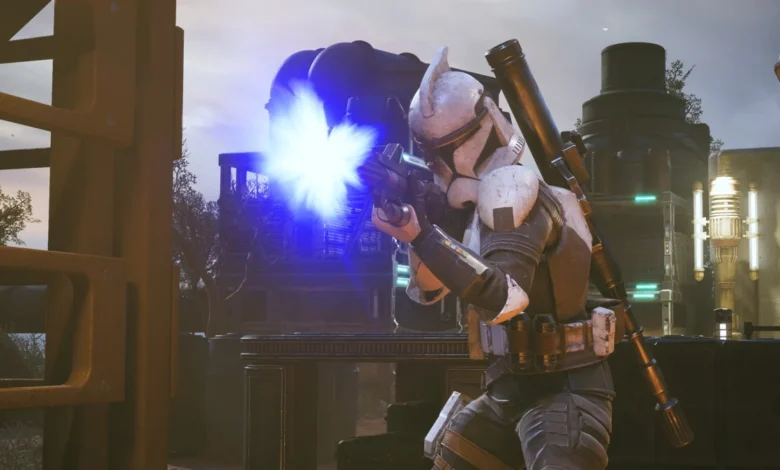
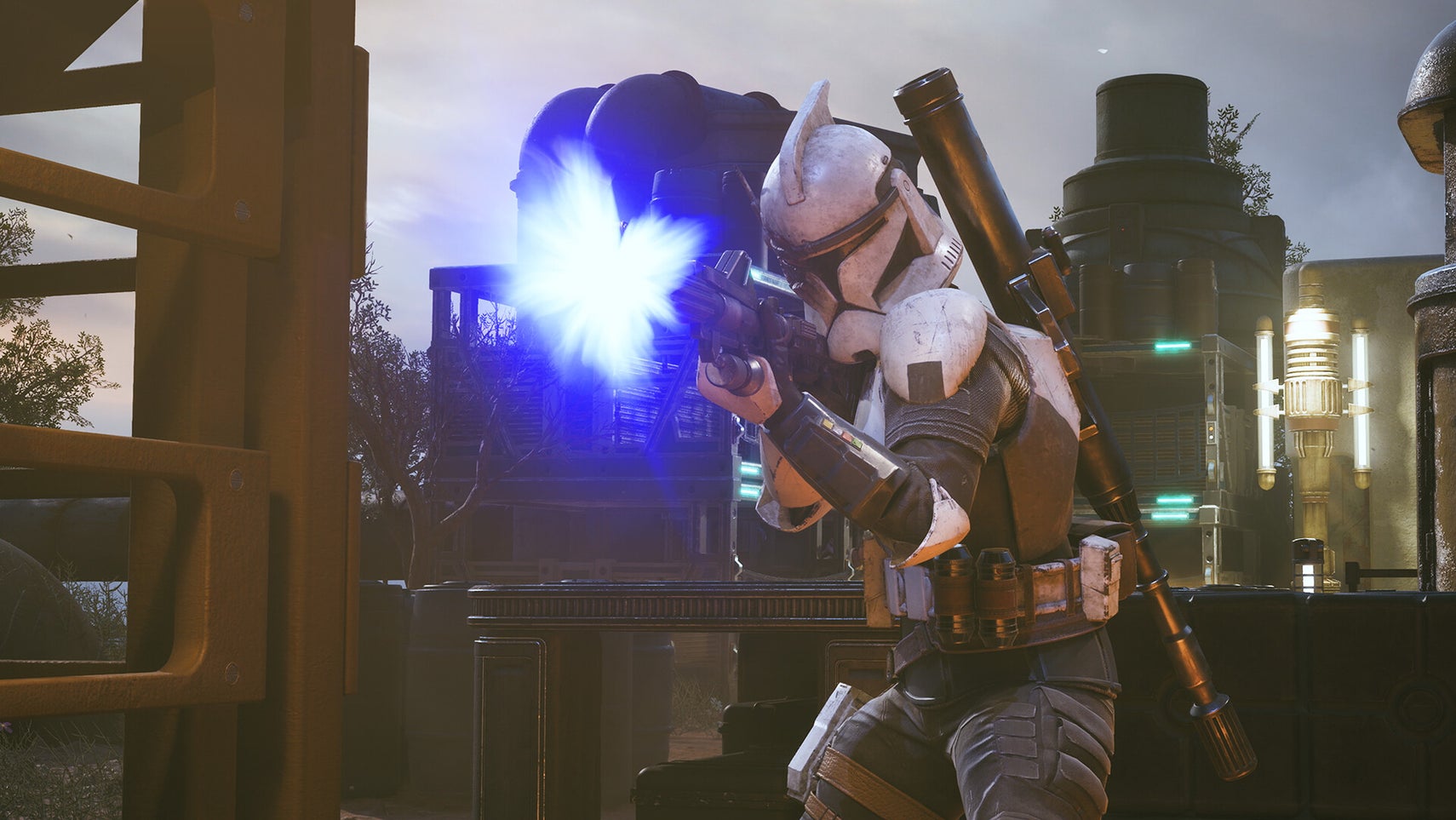
The independent studio Bit Reactor, the creative force behind the critically acclaimed strategy title Star Wars Zero Company, has confirmed a fresh round of layoffs. This development occurs just one month after the studio attempted to stabilize its workforce by recalling a portion of the team that had been previously furloughed. The news, which broke on November 6, marks a somber turn for a developer that had, only weeks prior, expressed optimism regarding the long-term sustainability of the studio following the successful commercial launch of its flagship title.
A Chronology of Instability
The challenges facing Bit Reactor are rooted in a series of financial pressures that became public in the late summer of 2024. In the weeks leading up to the August 27 release of Star Wars Zero Company, the studio was forced to take the drastic measure of furloughing approximately 80 percent of its workforce. Industry analysts noted at the time that such a move, occurring so close to a major intellectual property launch, indicated severe liquidity issues, likely stemming from the costs associated with extended development cycles and the complexities of working within the Star Wars licensing framework.
Following the game’s release, initial reports suggested a positive market reception. Star Wars Zero Company reportedly surpassed the one-million-unit sales milestone within its first month on the market. This commercial performance provided a glimmer of hope for the studio’s future. On October 7, Bit Reactor CEO Greg Foertsch issued a statement via the social media platform Bluesky, noting that the studio had begun the process of bringing staff back to work. Foertsch characterized the prior furloughs as a "necessary" decision to ensure the studio’s survival and its ability to eventually re-employ its talent.
Despite these efforts, the recovery appears to have been short-lived. By early November, multiple employees—including senior environment artist Ryan Lopez, UI engineer Tyler Eichten, and members of the quality assurance team—confirmed via professional networking platforms that their employment with the studio had been terminated. The exact number of affected staff remains undisclosed, as the company has not provided an official headcount regarding the latest reduction in force.
The Human and Professional Impact
The layoffs have sparked a broader conversation within the game development community regarding the fragility of independent studios operating under high-pressure project deadlines. Ryan Lopez, who spent over three years with the studio, highlighted the emotional toll of the situation, noting that he had endured a three-month furlough before his position was ultimately eliminated. His public comments reflect a recurring sentiment in the industry: pride in the technical achievement of shipping a high-quality product, coupled with the frustration of being unable to reap the long-term benefits of that success due to structural financial instability.
The departure of specialized staff, such as UI engineers and QA specialists, presents a challenge for the studio’s ongoing support of Star Wars Zero Company. These roles are critical for post-launch maintenance, including the implementation of patches, quality-of-life updates, and the potential development of post-release content. The loss of institutional knowledge—especially from individuals who saw the game through from its earliest pre-production stages to its commercial debut—may complicate the studio’s ability to pivot toward future projects.
Contextualizing the Commercial Performance
While the studio is facing internal restructuring, the market performance of Star Wars Zero Company remains a point of interest for industry observers. The game received favorable reviews upon its release, with critics praising its adherence to classic turn-based tactics mechanics while successfully integrating the Star Wars aesthetic. Eurogamer’s review, which awarded the game four out of five stars, highlighted the project as a "heartfelt, smart, and slightly ramshackle" gem that effectively bridged the gap between niche strategy gameplay and broad-market appeal.
However, selling one million copies is not always a guarantee of financial solvency for a studio of Bit Reactor’s size. The economics of modern AAA or AA game development involve significant overhead, including engine licensing, marketing budgets, and the high cost of talent in a competitive labor market. If a studio is operating on a razor-thin margin, even a successful launch can be insufficient to cover the debts accumulated during the extended development cycle. The furloughing of 80 percent of staff suggests that the studio’s "burn rate"—the speed at which it spends its available capital—was unsustainable without a massive, immediate injection of revenue, which may not have materialized in the specific timeframe required to keep the studio fully staffed.
Broader Industry Implications
The situation at Bit Reactor is symptomatic of a larger trend within the gaming sector throughout 2024. High interest rates, a cooling of venture capital investment, and the prioritization of profitability over growth by major publishers have created a difficult environment for developers. Many studios that relied on external funding or milestone-based payments from publishers have found themselves in precarious positions when projects hit delays or when the "post-pandemic" slump in consumer spending impacted launch-day sales.

Furthermore, the "furlough-then-layoff" model is becoming an increasingly visible pattern. Studios attempting to manage cash flow by temporarily pausing salaries often find that the uncertainty drives away top-tier talent, even if the studio ultimately secures the funding to bring some workers back. This cycle of instability makes it difficult to maintain morale and hinders the long-term retention of the very people who define the studio’s creative output.
Looking Ahead
As of mid-November, Bit Reactor has not provided further updates regarding its long-term roadmap or the status of any potential future titles. The primary concern for fans of Star Wars Zero Company is whether the studio will retain the capacity to continue supporting the title. The departure of key team members raises questions about the cadence of future updates and the studio’s ability to maintain the high standards that characterized the game’s launch.
The broader lesson for the industry, according to various labor advocates and analysts, is the need for more transparent financial management and better safety nets for employees during development cycles. The case of Bit Reactor serves as a stark reminder that even in an industry defined by billion-dollar franchises and global success stories, the individual development teams are often susceptible to the volatile fluctuations of corporate finance.
For now, the studio remains in a state of flux. The transition from a "rebuilding" phase to another round of layoffs indicates that the financial hurdles facing the team are more significant than initially hoped. Whether Bit Reactor can stabilize its operations and move past this period of contraction will depend on its ability to leverage the remaining momentum from its latest release and potentially secure the capital necessary to maintain its current headcount. The industry will be watching closely to see if the studio can emerge from this period of turmoil or if the recent layoffs represent the beginning of a more permanent downsizing of its operations.