Mastering Forced Perspective Photography: Transforming Miniature Models into Cinematic Reality


The art of forced perspective—a fundamental technique in both cinematography and still photography—relies on the strategic manipulation of visual depth to alter the viewer’s perception of size and scale. By aligning foreground elements with a background in a specific spatial configuration, photographers can trick the human eye into perceiving a small-scale model as a life-sized object. This optical illusion, famously employed by directors like Peter Jackson in The Lord of the Rings trilogy to make actors appear as hobbits alongside taller characters, is now becoming a staple for hobbyist photographers looking to elevate their creative output without the need for expensive post-production software.
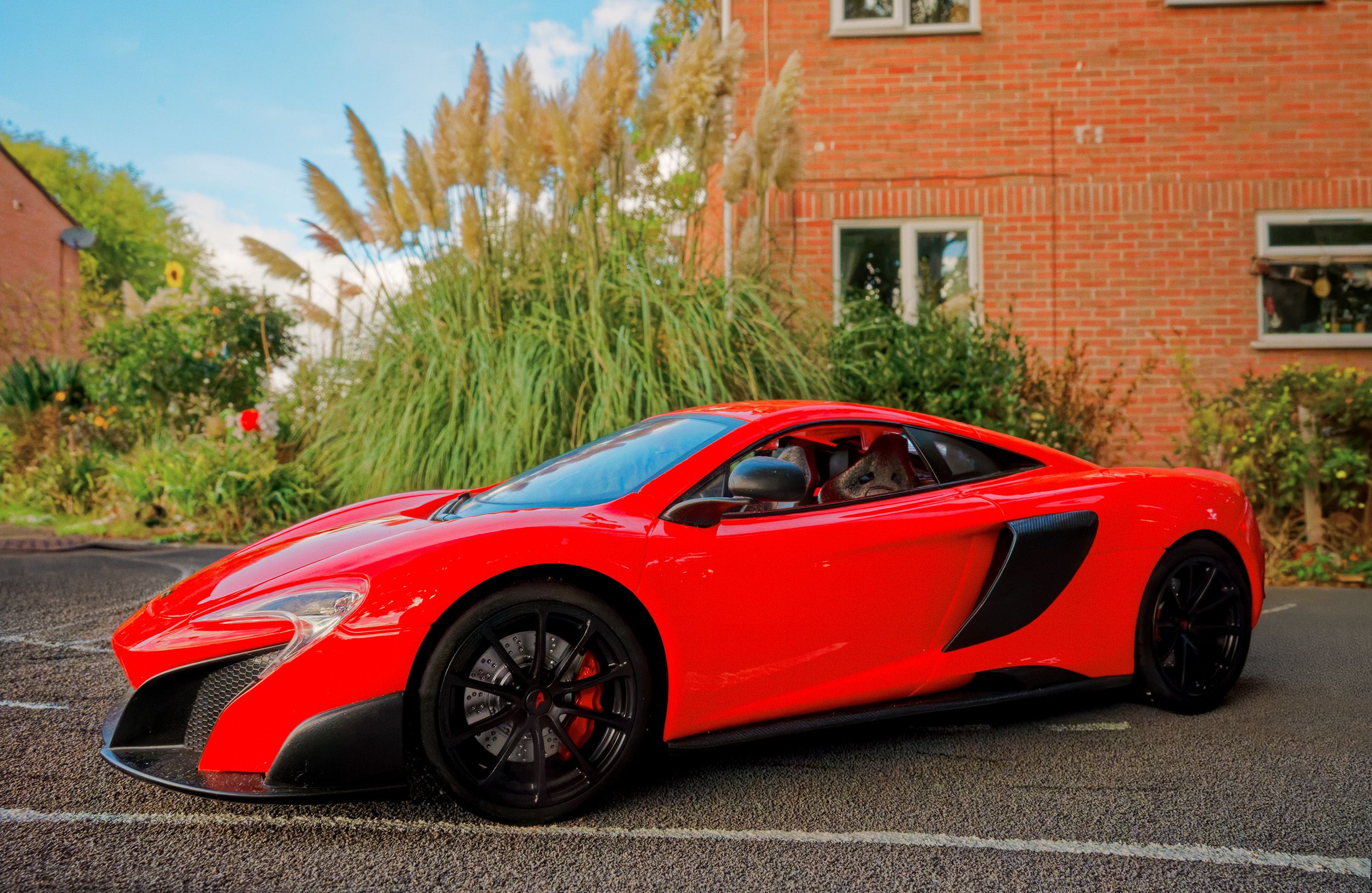
At its core, the technique requires a rigorous understanding of the relationship between focal length, aperture, and physical distance. While the concept is simple, the execution demands precision; the goal is to make a miniature object, such as a 25cm remote-controlled sports car, appear as if it is a full-sized vehicle parked in an expansive, real-world environment.
The Physics of Scale and Depth
The primary challenge in forced perspective photography is achieving a deep depth of field. To successfully blend a model into a real-world backdrop, both the foreground subject and the background environment must be sufficiently sharp to convince the eye that they belong to the same reality.
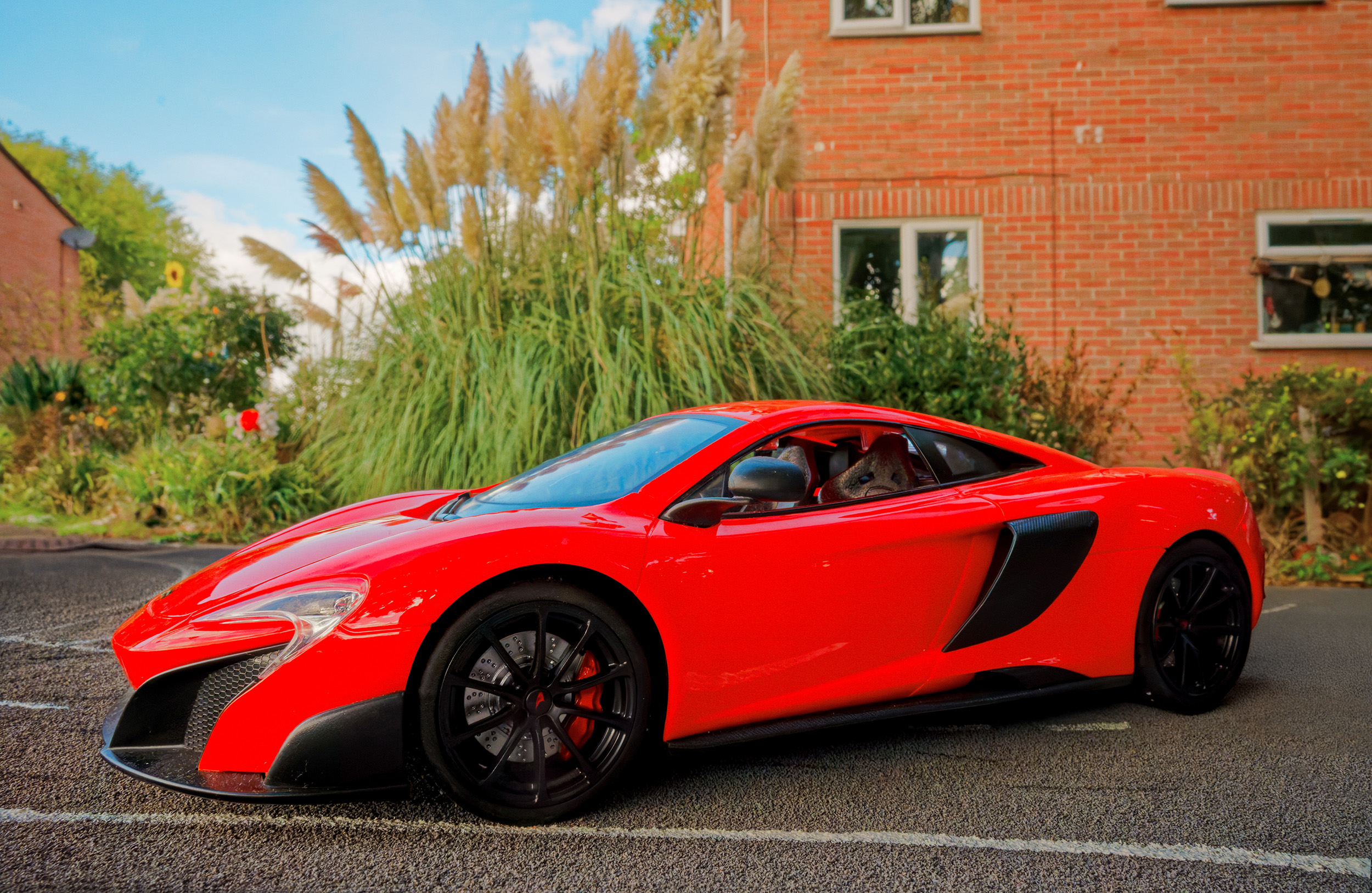
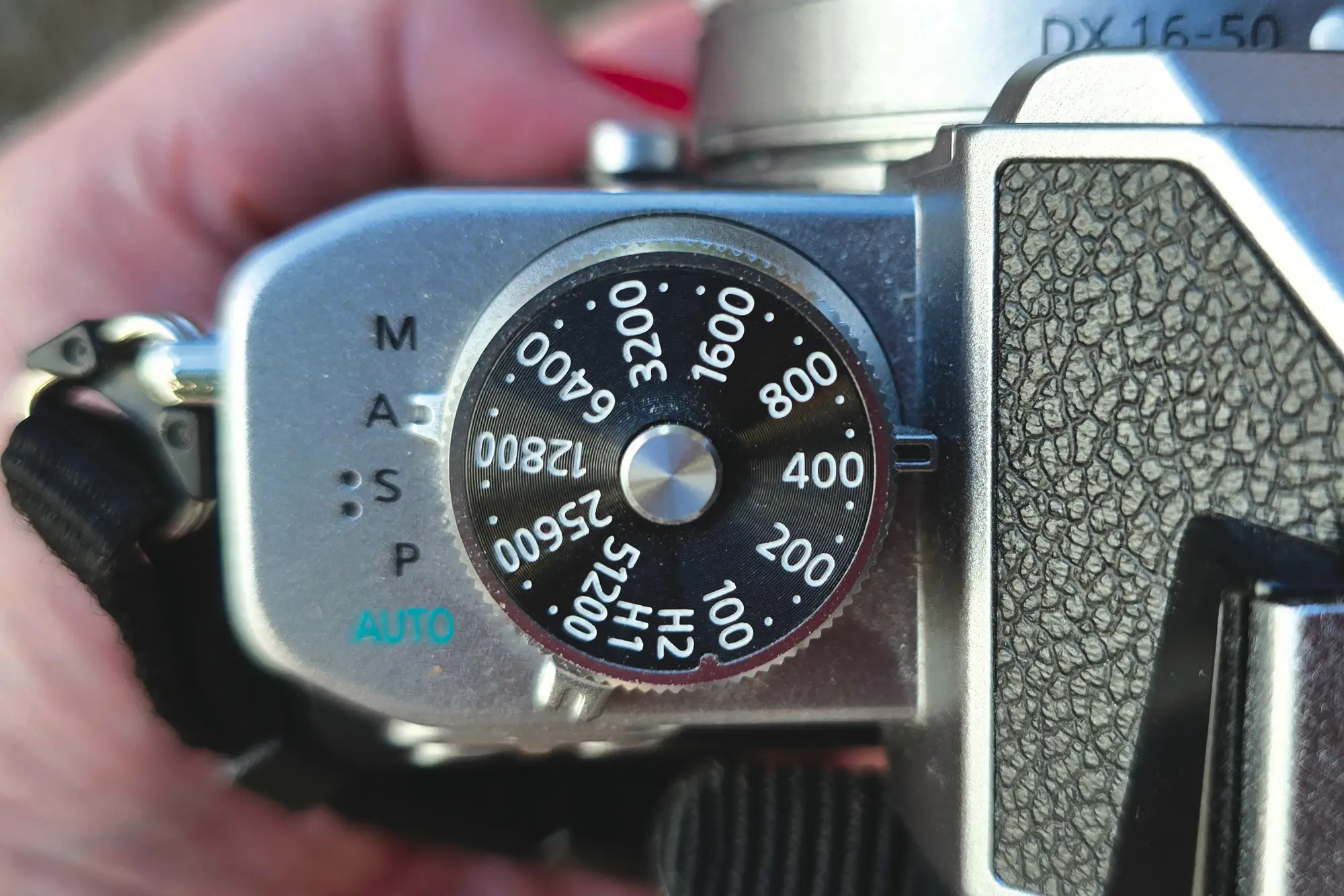
In professional photography, this is a distinct departure from the popular "bokeh" aesthetic, where the background is intentionally blurred. For forced perspective, the photographer must prioritize a narrow aperture—typically ranging from f/11 to f/22. This setting allows more of the scene to remain in focus, which is essential for grounding a miniature subject within a larger context. However, using such small apertures reduces the amount of light entering the sensor, necessitating either a longer exposure time—which requires a stable tripod to prevent camera shake—or an increase in ISO settings, which can introduce digital noise.
Technical analysts in the field of optics have noted that crop-sensor camera systems offer a distinct advantage over full-frame counterparts for this specific style of work. Because of the "crop factor," these sensors naturally provide a greater depth of field at the same aperture setting, allowing photographers to maintain detail across both the model and the distant background more easily. When utilizing a system like the Nikon Z fc with a standard kit lens (such as the 16-50mm f/3.5-6.3), photographers can achieve a 24-75mm equivalent, providing the versatility needed to frame the shot while maintaining the necessary focus depth.
Chronology of a Forced Perspective Setup
Successful execution of a forced perspective shot does not happen by accident; it requires a systematic, multi-stage setup process. The following chronology outlines the industry-standard approach for creating such images:
- Selection and Preparation of the Subject: Choosing the correct model is the first step. Smaller scale models (4-5cm) are notoriously difficult to photograph because they require the camera to be positioned extremely close, often necessitating specialized macro lenses that create a shallow depth of field, rendering the background an unidentifiable blur. A 25cm model provides the optimal balance, allowing for enough distance between the camera and the subject to keep the background in focus.
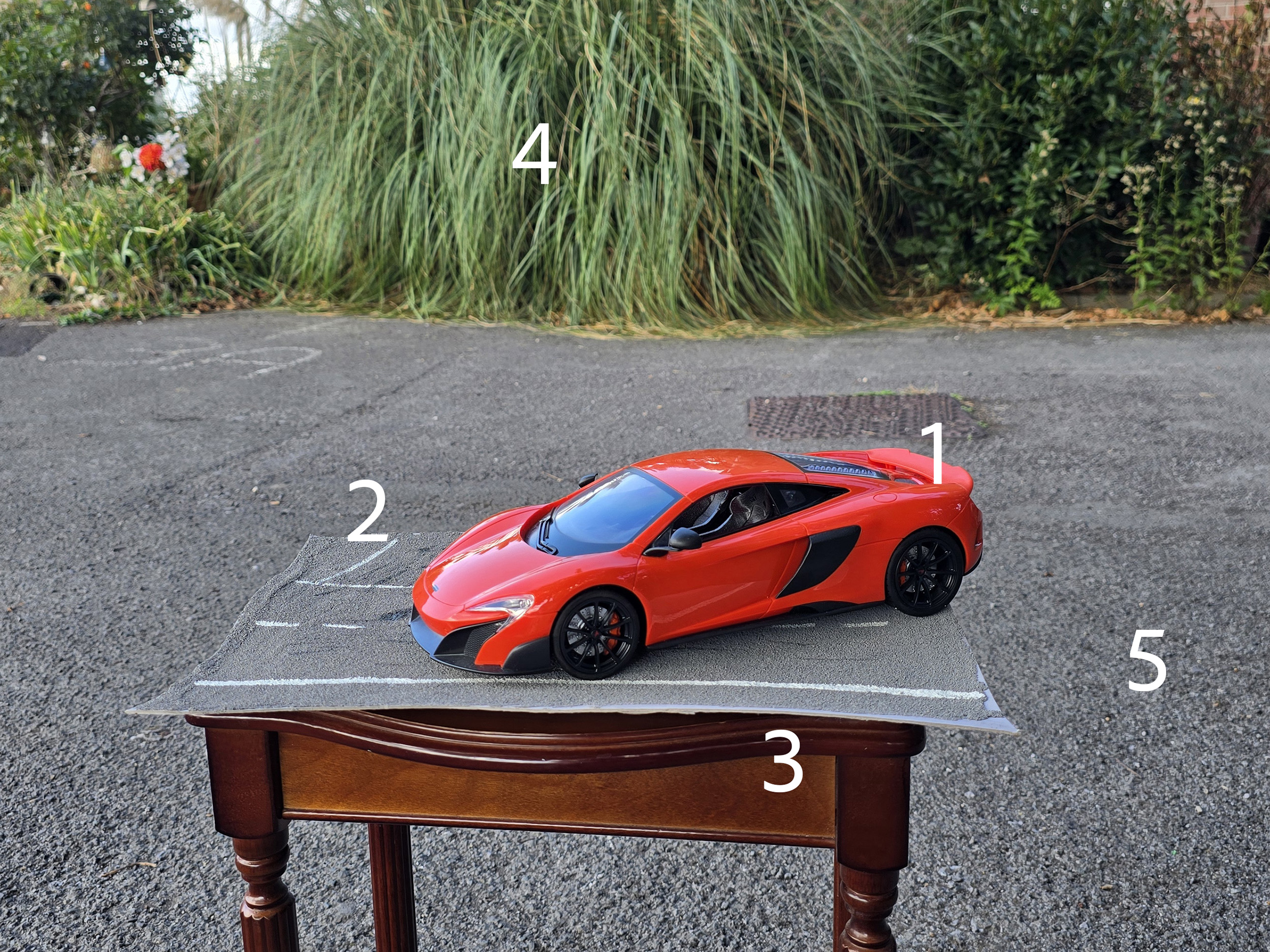
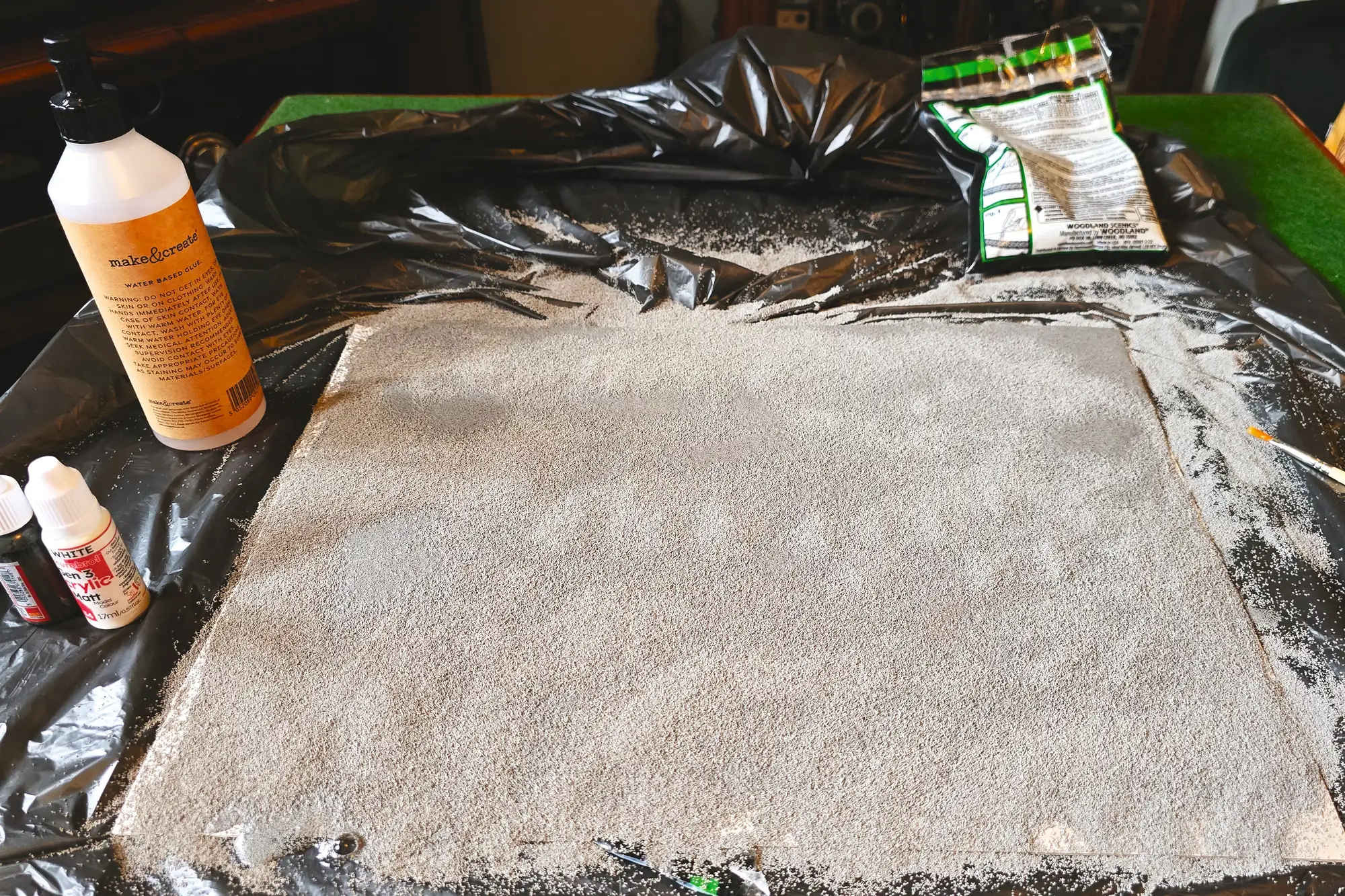
- Base Construction: The foreground—where the model sits—must be carefully constructed to match the texture and color of the actual location where the photo is taken. Using materials like thin plywood covered in water-based adhesive and miniature model gravel helps the base integrate seamlessly with the ground plane of the background.
- Site Selection: The background must be chosen for its realism. A car park or a paved road is ideal, as the scale of the background scenery matches the subject. Placing a car model in a field of long grass immediately breaks the illusion because the "foliage" appears to be gargantuan in comparison to the vehicle.
- Alignment: The photographer must position the camera at a low angle, often near ground level. The objective is to align the back edge of the artificial base with the horizon line or a specific architectural element in the background to create a seamless transition.
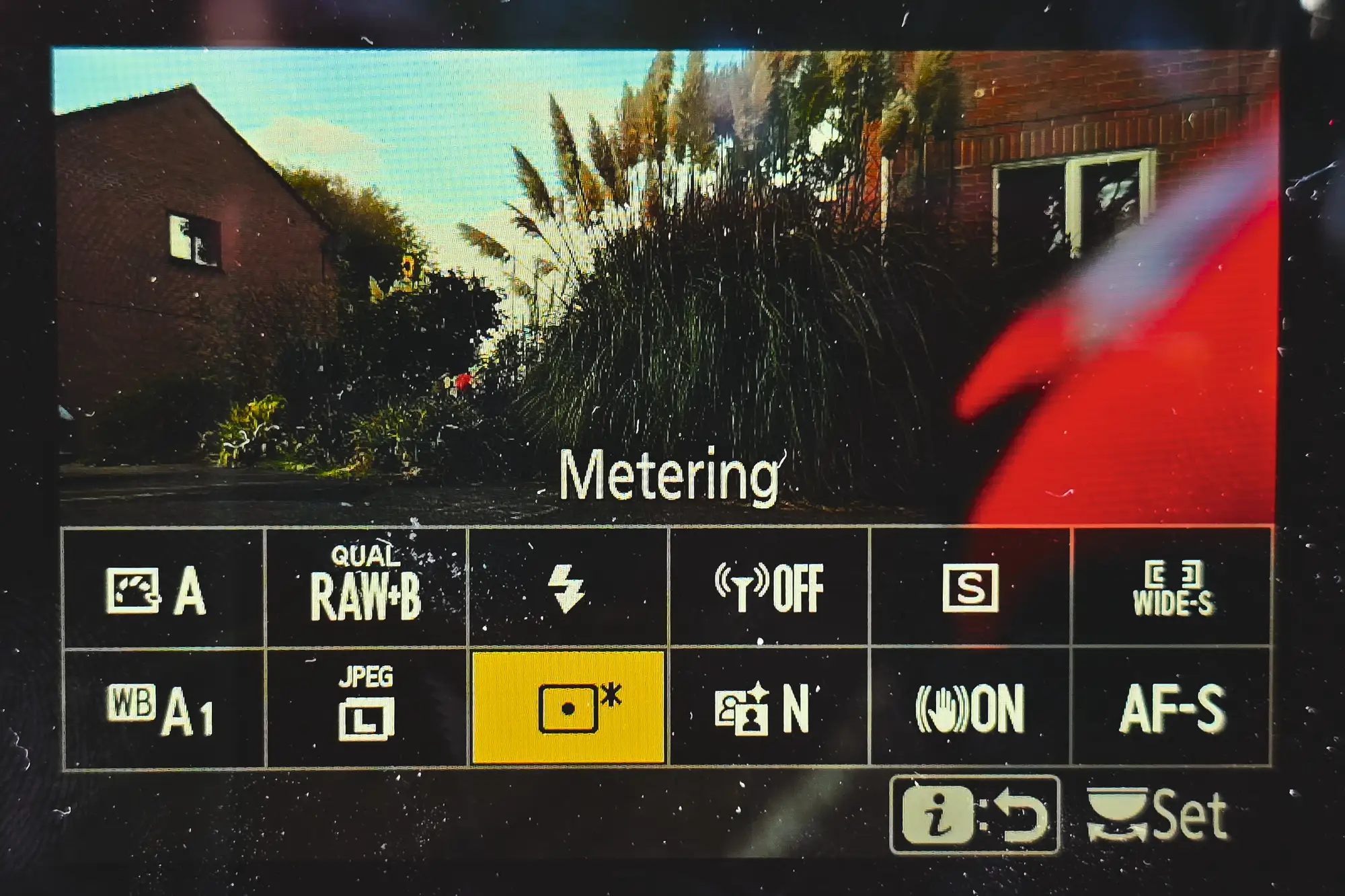
- Lighting and Metering: Backlit scenes often cause significant exposure issues. Standard center-weighted metering often fails in these scenarios, as the bright background fools the camera into underexposing the foreground model. Switching to highlight metering or manual exposure ensures that the model is properly lit while retaining detail in the background highlights.
Supporting Data and Equipment Requirements
To achieve professional-grade results, photographers must utilize specific gear. Data from recent photography equipment reviews confirms that while smartphones are increasingly capable, they are often limited by their reliance on automatic mode, which tends to favor a shallow depth of field when capturing close-up subjects. To overcome this, a smartphone user must utilize "Pro" or "Manual" mode to force a narrow aperture.
The following equipment list is considered standard for those looking to pursue this technique:
- Camera: A mirrorless or DSLR with manual controls and, ideally, a crop sensor (APS-C).
- Tripod: Essential for long exposures at narrow apertures (e.g., f/16).
- Lighting Kits: Portable, battery-powered LED panels are recommended to add fill light to the model, ensuring it matches the ambient light levels of the background.
- Modeling Supplies: High-quality scenic gravel, non-warping base materials (plywood vs. card), and acrylic paints for road markings.
Broader Implications and Creative Impact
The resurgence of forced perspective as a digital photography technique highlights a shift in how visual content is created. In an era where CGI and AI-generated imagery dominate the digital landscape, the use of physical, "analog" camera tricks provides a sense of authenticity that is highly valued.
From a professional standpoint, mastering forced perspective teaches photographers about the geometry of the lens and the behavior of light. It reinforces the importance of "getting it right in the camera," a mantra that remains vital despite the prevalence of sophisticated image-editing software. When a photographer can successfully create a scene that defies the limitations of scale, it demonstrates a sophisticated command over the viewer’s perception.
Furthermore, the democratization of this technique through accessible hardware—such as the aforementioned Z-series cameras or high-end mobile devices—has allowed enthusiasts to replicate high-budget film production values on a micro-budget. As photography continues to evolve, the blending of miniature model-making and traditional photography will likely remain a respected niche, bridging the gap between fine art, model engineering, and professional cinematography.
Ultimately, the failure of the initial, smaller-scale attempts—where the 4-5cm models proved too small to capture effectively—serves as a critical data point for all practitioners: scale is relative, but the laws of optics are absolute. By choosing the right size subject and meticulously aligning it with the environment, the photographer moves beyond simple documentation and into the realm of storytelling, proving that with the right perspective, the small can become grand.
Related posts: