Leak TruStream Review: Retro Aesthetics Meet Modern Hi-Res Streaming Infrastructure

The hi-fi audio market has long walked a tightrope between nostalgic design and cutting-edge digital performance, and few brands navigate this aesthetic paradox quite as comfortably as Leak. Known historically for its iconic mid-20th-century amplifiers and tuners, Leak has enjoyed a successful modern renaissance as its own tribute act, rolling out walnut-cased and aluminium-faced hardware that looks effortlessly pulled from 1965. The latest addition to this retro-revival lineup is the Leak TruStream, a dedicated network music player launched to the global market in April 2026. Priced at £999 in the United Kingdom, roughly $1,499 in the United States, and approximately AU$2,199 in Australia, the TruStream aims to bridge the gap between vintage living room charm and high-resolution digital convenience. Yet, beneath its charming exterior lies a complex blend of advanced engineering choices and minor operational quirks that define its place in an intensely competitive contemporary audio landscape.
Background and Market Context
The launch of the TruStream arrives during a period of sustained growth for the high-resolution streaming hardware sector. As consumers increasingly migrate away from physical media toward cloud-based subscription services like Qobuz, Tidal, and Spotify, the demand for dedicated, high-fidelity network streamers has surged. Traditional audio manufacturers are forced to balance the expectations of audiophiles—who demand ultra-low noise floors, robust digital-to-analogue conversion, and broad file compatibility—with the lifestyle demands of modern consumers who prioritize aesthetics and seamless multi-room integration.
Leak’s market positioning with the TruStream places it squarely in competition with established heavyweights. Rivals such as the Cambridge CXN100, retailing around £899 / $1,099, and Yamaha’s line of compact hi-fi streamers like the WXC-70, priced at £859, offer alternative routes to digital connectivity. At the ultra-luxury end of the spectrum, brands like Nagra introduced high-end alternatives like the Compact Streamer around the same period for a staggering £6,000. Within this bracket, the TruStream must justify its four-figure investment not merely through its striking appearance, but through acoustic fidelity and operational reliability.
Architectural Overview and Hardware Specifications
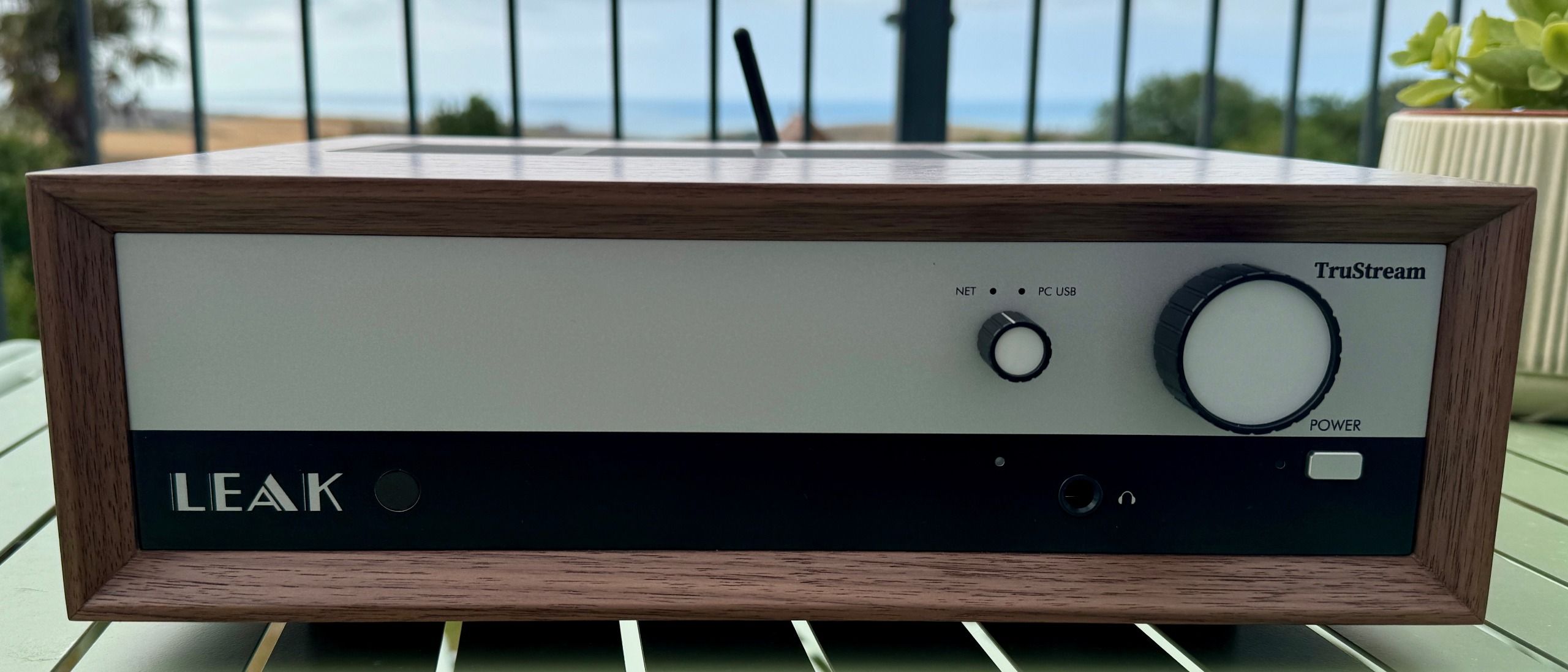
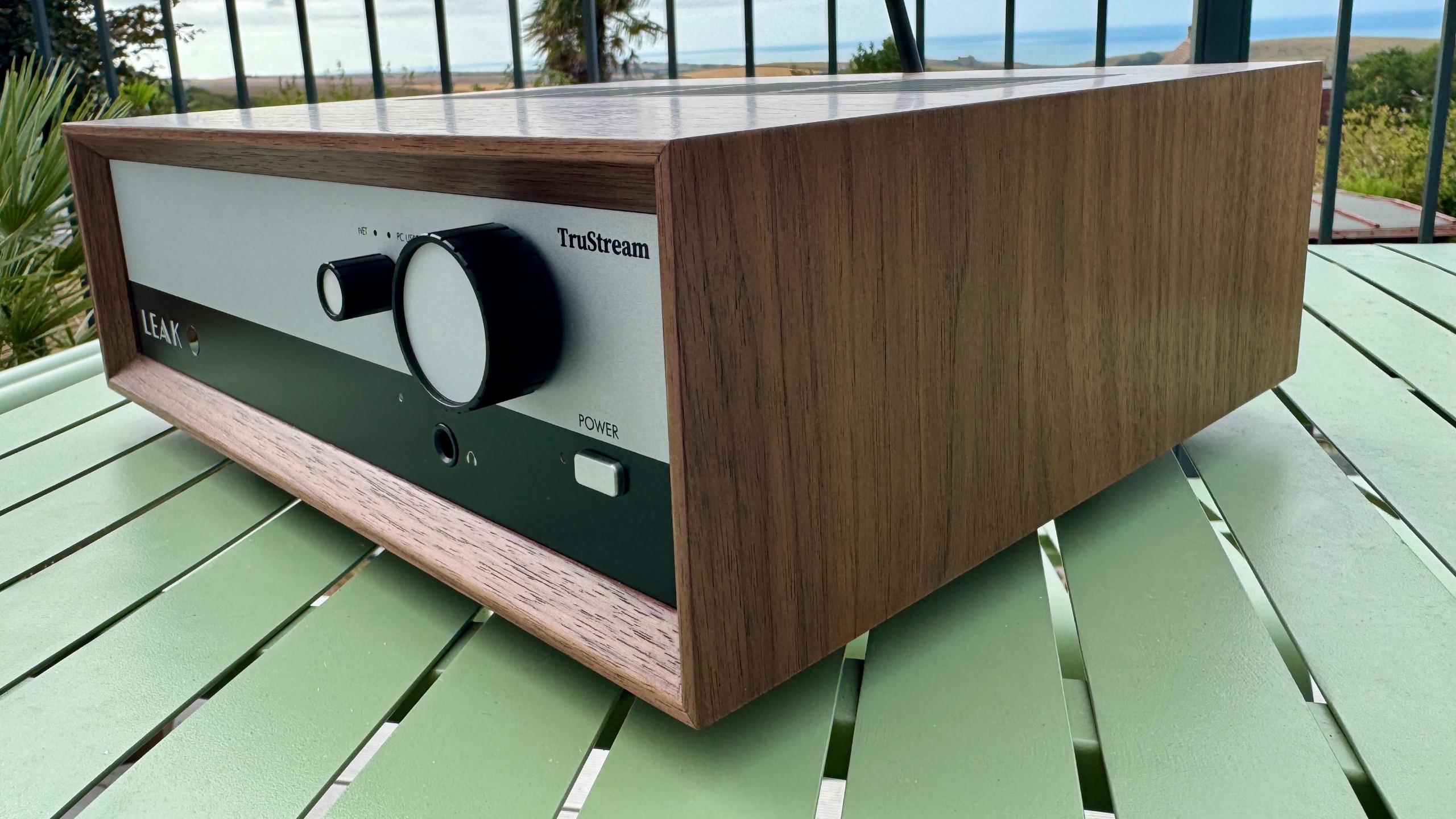
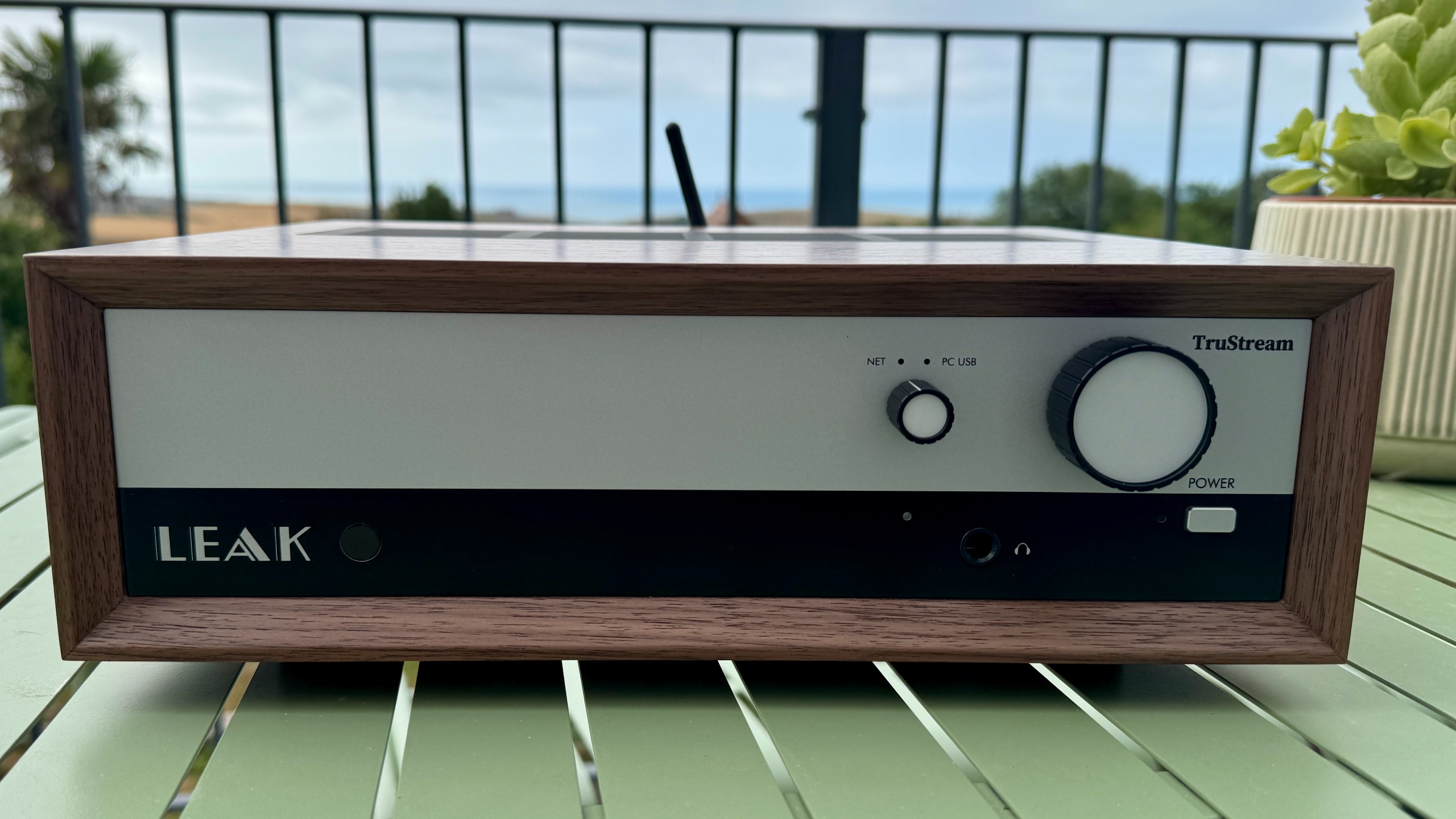
While the exterior of the Leak TruStream pays strict homage to mid-century modern design principles—measuring a compact 118 x 330 x 288mm (H x W x D) and finished in tactile walnut woodwork contrasted against an brushed aluminium fascia—its internal architecture is thoroughly contemporary.
Leak partnered with Silent Angel, a brand widely respected in the audiophile community for low-noise digital transmission and stable networking infrastructure, to power the TruStream’s streaming platform. This ensures broad compliance with modern digital ecosystems, offering Apple AirPlay 2, “Connect” protocols for Qobuz, Spotify, and TIDAL, TuneIn internet radio, and DLNA support for network-attached storage (NAS) drives. Furthermore, the unit is certified Roon Ready, appealing directly to digital music enthusiasts who manage extensive local libraries alongside streaming subscriptions.
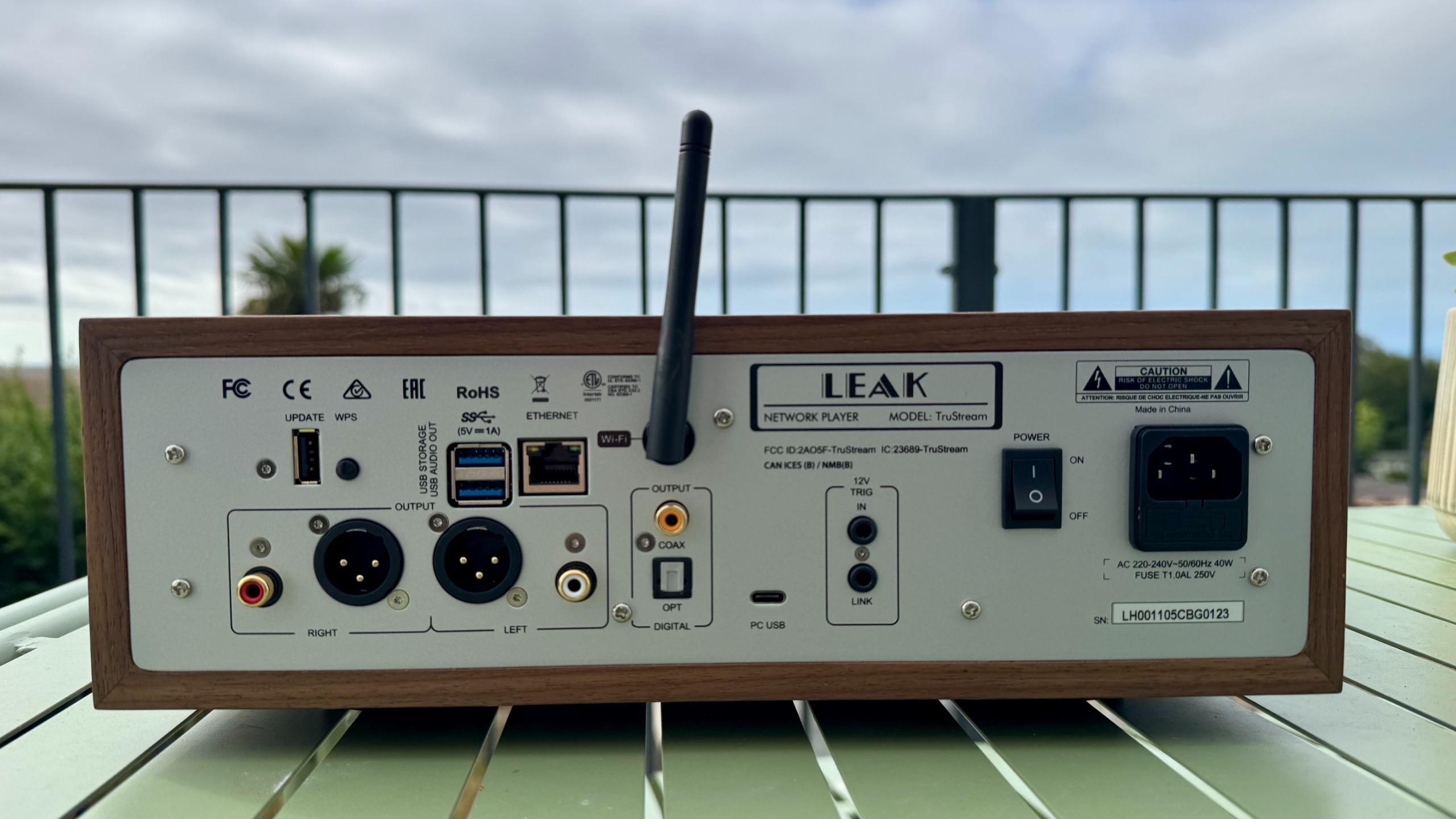
At the core of the TruStream’s digital-to-analogue conversion stage sits a high-end 32-bit ESS Sabre ES9038Q2M DAC chipset. This component enables the player to handle virtually every mainstream and esoteric digital audio format, supporting file resolutions up to 32-bit/768kHz PCM and DSD512. Connectivity options are exceptionally comprehensive. Users can feed data into the DAC via an Ethernet port, dual-band Wi-Fi, a rear USB-C port designed for direct PC connection, or dual USB-A slots designated for external storage devices.
Output versatility is equally pronounced. The rear panel accommodates both balanced XLR and unbalanced RCA analogue outputs, alongside digital coaxial and digital optical outputs for those wishing to bypass the internal DAC in favor of an external dedicated converter. Additionally, a 6.3mm headphone socket is integrated into the front panel, powered by a dedicated current-feedback headphone amplifier capable of driving demanding, high-impedance headphones.
Sonic Performance: Resolution and Soundstage
Evaluating the TruStream reveals a performance profile characterized by impressive spatial awareness balanced against distinct acoustic traits. When fed high-resolution files, the unit delivers an expansive and meticulously mapped soundstage. Unlike lesser streamers that compress audio into a flat wall of sound, the Leak excels at delineating both left-to-right and front-to-back dimensions. Complex arrangements are granted ample breathing space, allowing individual instruments and vocalists to maintain distinct placement within the mix.
Tonally, the TruStream exhibits a commendable degree of neutrality and frequency response evenness across the lower and middle registers. Bass reproduction strikes firmly without resorting to over-exaggerated bloating, controlling transient attacks cleanly to ensure naturalistic rhythm expression. Midrange delivery is articulate, faithfully capturing the emotional character and dynamic delivery of vocal performances.
However, the internal DAC exhibits specific behavioral tendencies that prevent it from achieving absolute perfection. Prolonged listening sessions—such as navigating ambient recordings like Aphex Twin’s Selected Ambient Works Volume II—highlight a relative limitation in dynamic headroom. While the unit accurately registers shifts between quiet and loud passages, the physical distance or emotional impact between those volume extremes feels compressed compared to some similarly priced rivals.
Furthermore, the onboard ESS Sabre DAC displays a pronounced eagerness in handling high-frequency information. When paired with recordings that already feature aggressive high-end production, the treble reproduction can occasionally cross into a hard-edged or overly fierce presentation, as noted during testing with sibilant vocal plosives. For listeners sensitive to treble brightness, careful system matching or utilizing the digital outputs into an alternative DAC may be advisable.
Usability, Control Software, and Design Compromises
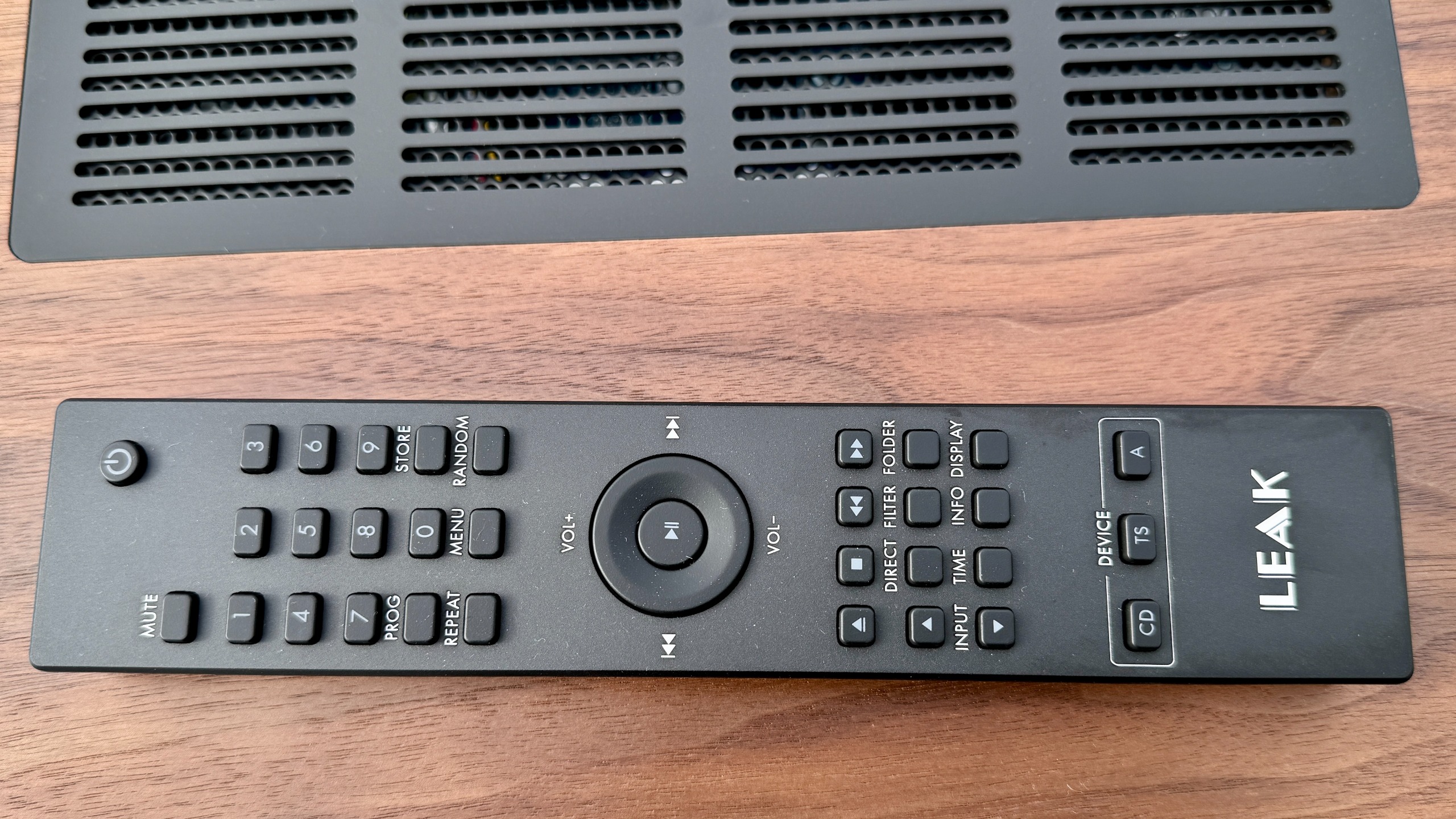
The user experience surrounding the TruStream introduces a mixture of traditional tactile pleasure and modern software friction. Physically, the unit’s front-panel controls—managing power, input selection, and volume—offer a solid, positive mechanical response. The inclusion of a volume control allows the TruStream to double as a preamplifier when connected directly to active speakers or a power amplifier, provided external analog sources are not required.
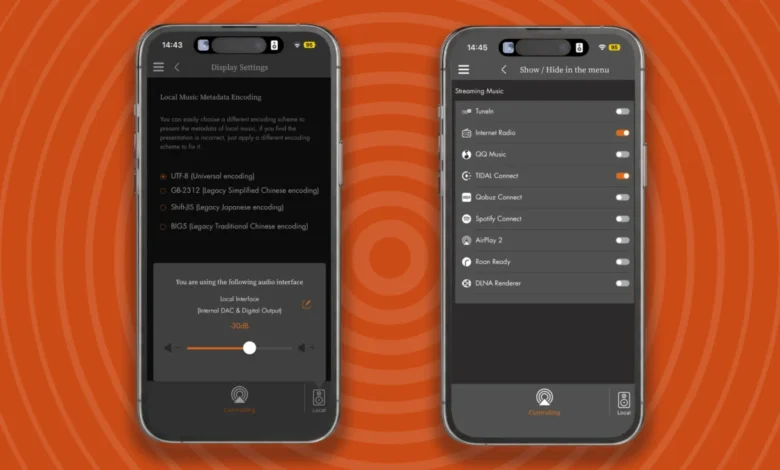
Conversely, the dedicated "Leak TruStream" control application, available free for iOS and Android, presents notable usability hurdles. While functionally stable—handling firmware updates, internet radio browsing, and playlist creation reliably—the app’s typographic choices impede legibility. The implementation of small, serif-heavy fonts combined with low-contrast color schemes, such as black text on orange backgrounds, complicates navigation. Accessibility guidelines appear to have been minimally met rather than optimized, which may frustrate users with visual impairments.
A notable design choice by Leak is the complete omission of a front-panel display screen. While competing network players frequently integrate vibrant, full-color TFT screens to display album artwork and track metadata, Leak chose to maintain absolute adherence to its 1960s aesthetic. While this decision eliminates internal electrical noise generated by screen hardware—potentially preserving signal purity—it forces users to rely exclusively on their mobile devices or tablets for track information.
Industry Implications and Value Proposition
Priced at £999/$1,499/AU$2,199, the Leak TruStream occupies a crowded segment of the hi-fi market where aesthetic distinction carries commercial weight. For consumers disillusioned by the homogenous, minimalist black-box design language typical of modern audio electronics, the TruStream offers an undeniable visual allure. Its blend of genuine walnut woodwork and robust aluminium construction transforms it from a mere utility device into a striking piece of interior furniture.
Sonic trade-offs do exist—specifically regarding high-frequency edge and constrained dynamic headroom—yet these are largely counterbalanced by exceptional soundstage imaging, high detail retrieval, and a flexible feature set anchored by Silent Angel networking architecture. Ultimately, the Leak TruStream succeeds by targeting a specific demographic: listeners who value undeniable mid-century craftsmanship and spatial precision, and who are more than willing to overlook minor software and sonic idiosyncrasies for a product with genuine character.