Chromebooks, once perceived as rudimentary and budget-friendly alternatives to traditional laptops, have undergone a profound transformation, evolving into sophisticated and highly capable computing devices by 2025. What began in June 2011 as a minimalist approach to portable computing, prioritizing security and cloud integration, has matured into a diverse ecosystem offering premium features and robust performance, directly challenging the dominance of Windows laptops and Apple MacBooks across various market segments. This significant evolution is underscored by competitive pricing, elegant designs, and the integration of advanced technologies like OLED displays and cutting-edge artificial intelligence.

A Decade of Transformation: From Basic Utility to Advanced Capability
The initial vision for Chromebooks was straightforward: secure, easy-to-use, and affordable machines primarily relying on Google’s Chrome browser and cloud services. These early models carved a niche, particularly in education, due to their low cost and simplified IT management. However, the market has witnessed a continuous upward trajectory in their capabilities. By 2025, the "best Chromebooks" are no longer merely web browsers in laptop form but fully-fledged productivity tools and entertainment hubs, capable of handling demanding tasks that were once exclusive to more powerful operating systems.
This shift gained considerable momentum with strategic initiatives from Google, most notably the announcement of the Chromebook Plus line in October 2023. This series marked a pivotal moment, signaling Google’s commitment to elevating the Chromebook experience with enhanced hardware specifications and a greater emphasis on performance. Devices under the Chromebook Plus banner feature more powerful Intel processors, ranging from Intel’s 13th Generation up through the new Intel Core 100 series, ensuring a smoother, more responsive user experience even under heavier workloads. This hardware upgrade is complemented by deeper integration of Google’s burgeoning AI capabilities, including the advanced Gemini AI assistant, offering users intelligent features for productivity, creativity, and daily tasks.
Benchmarking Excellence: Performance and Display Advancements
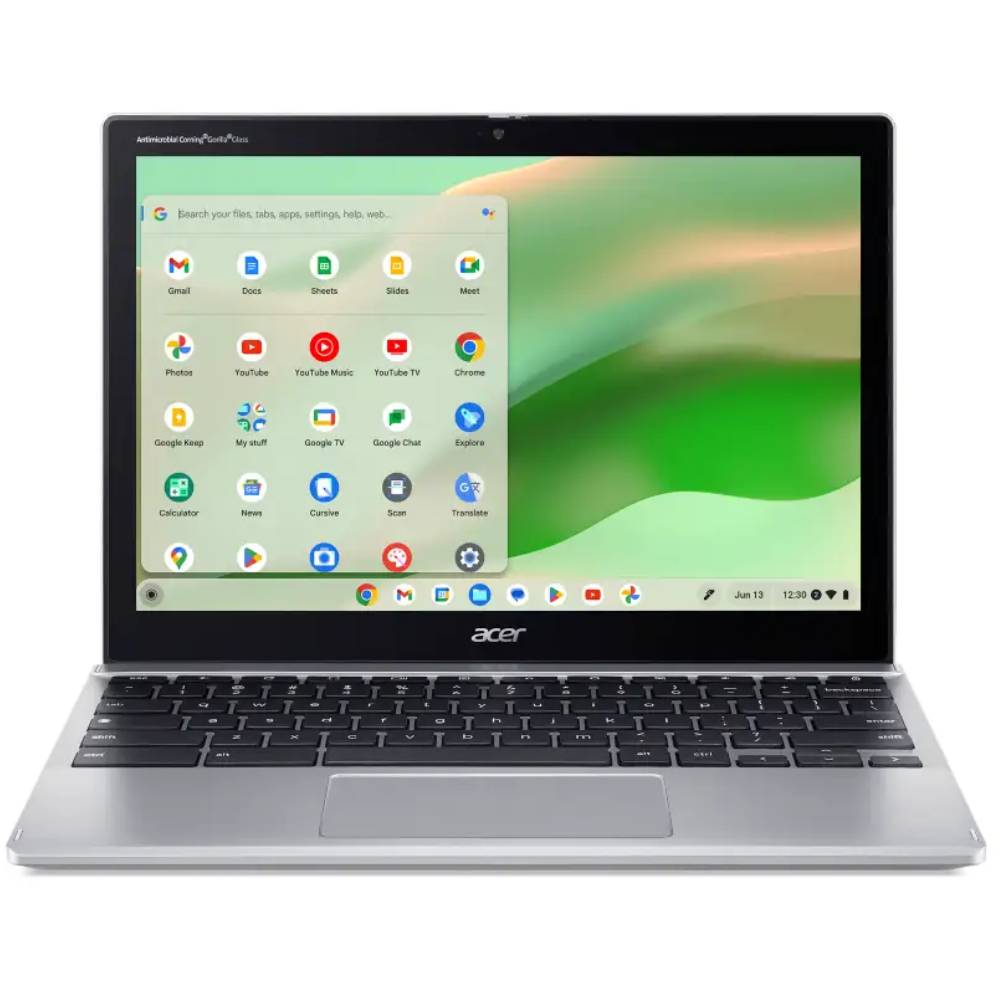
Modern Chromebooks, particularly those in the Chromebook Plus series, demonstrate impressive performance metrics that close the gap with entry-level and mid-range Windows laptops. For instance, devices like the Acer Chromebook Plus Spin 714, equipped with an Intel Core Ultra 5 115U processor, achieve Geekbench 6 scores upwards of 6335, indicating strong multi-core performance suitable for demanding web applications and multitasking. The Samsung Galaxy Chromebook Plus, featuring an Intel Core 3 100U processor, also delivers solid performance with a Geekbench 6 score of 6015. These figures reflect a significant leap from the less powerful processors typically found in earlier Chromebook generations, which often relied on lower-tier Intel Celeron or MediaTek chips.
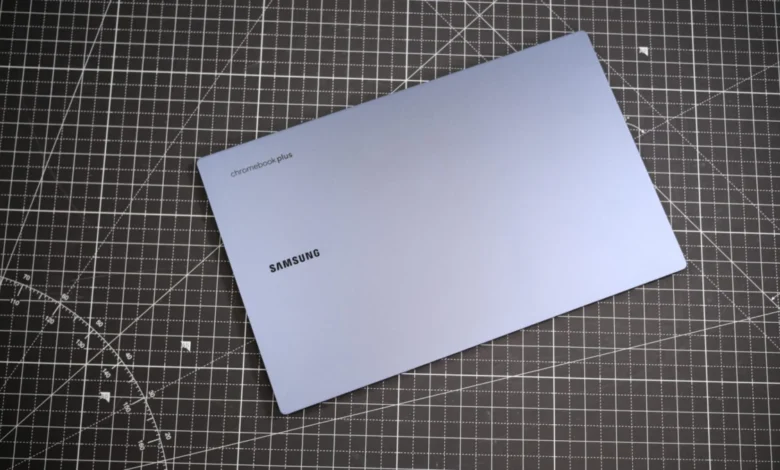
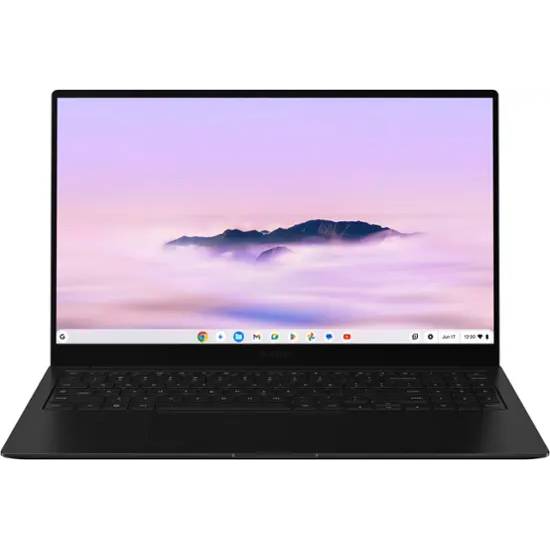
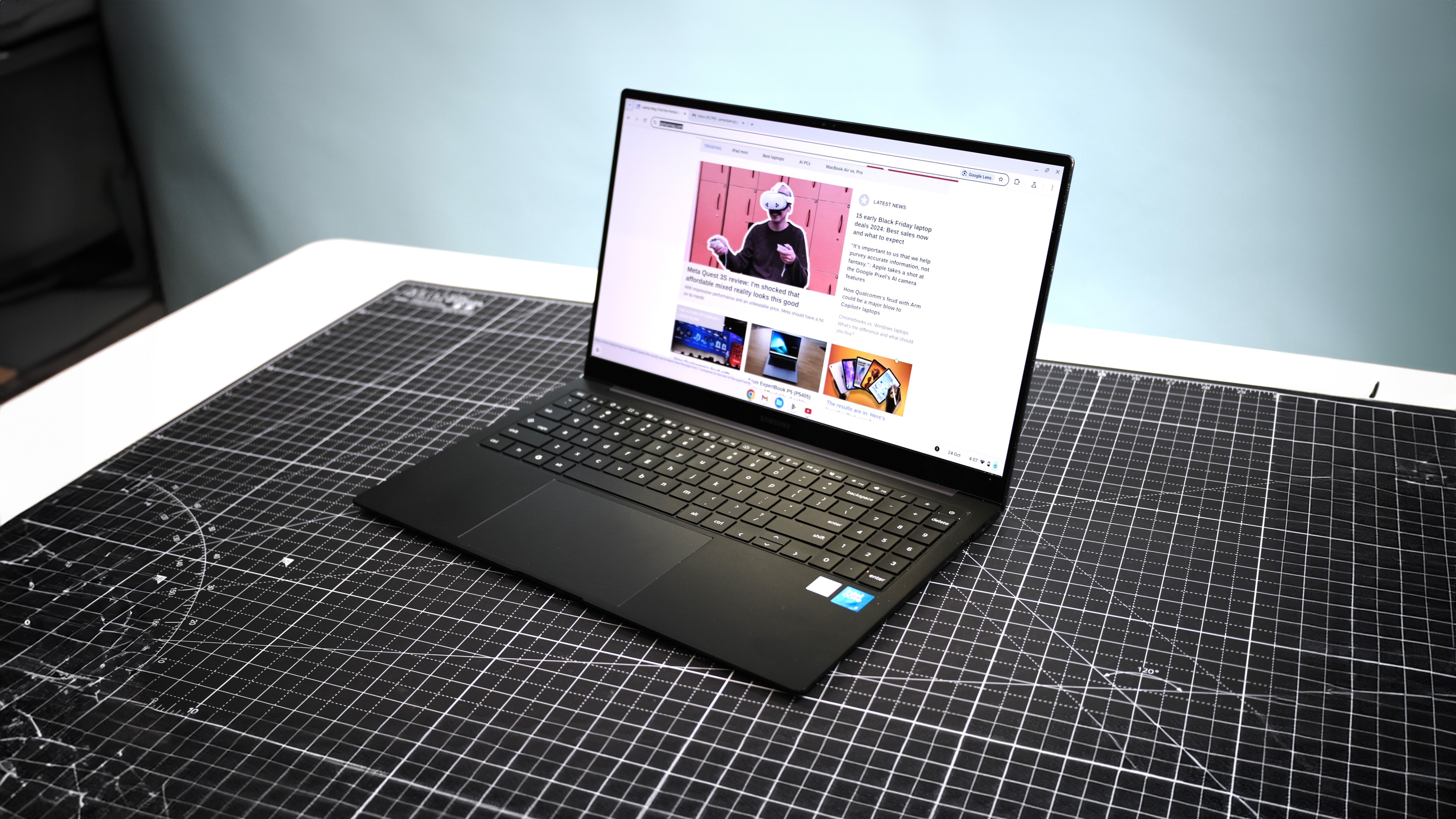
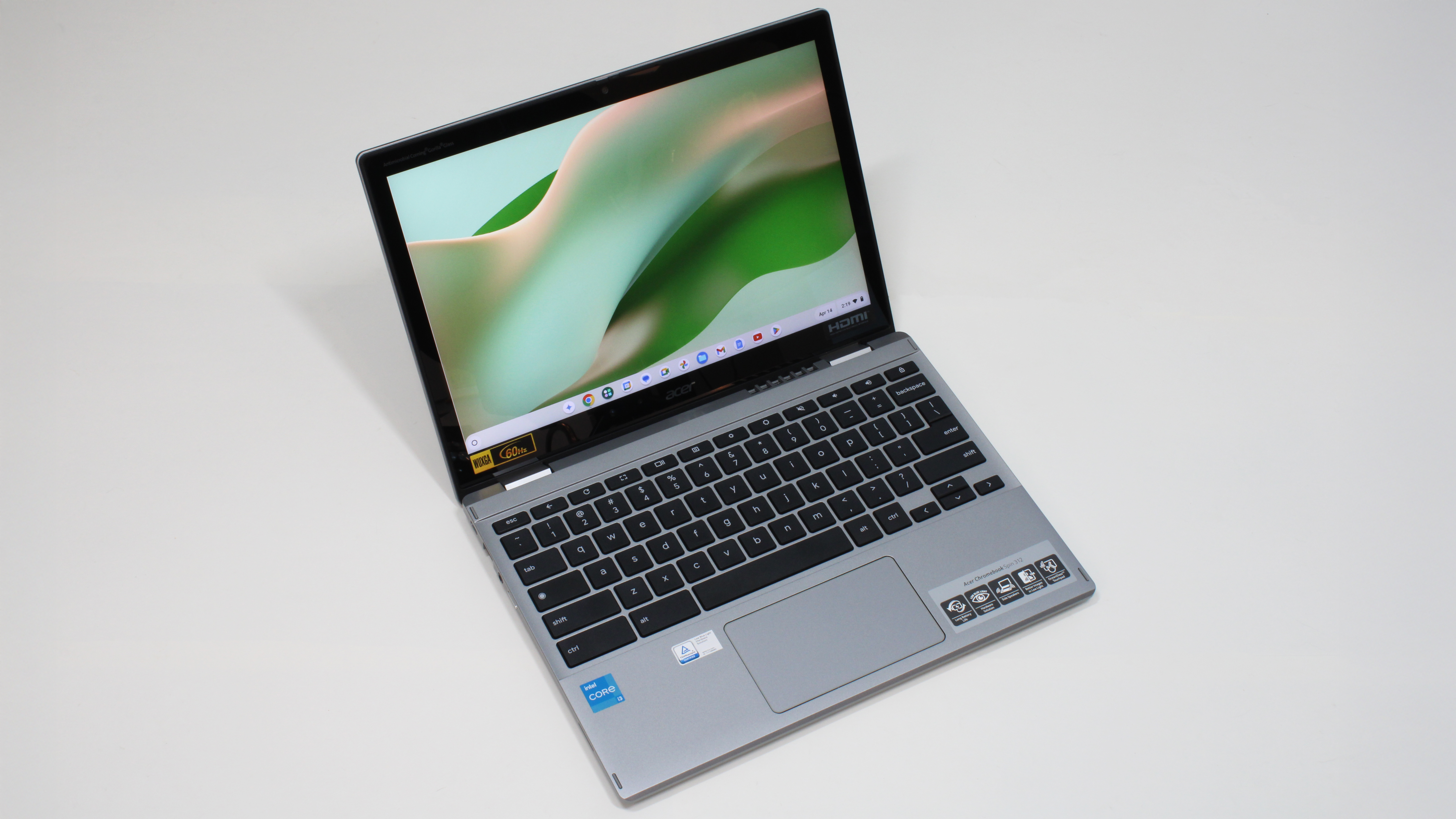
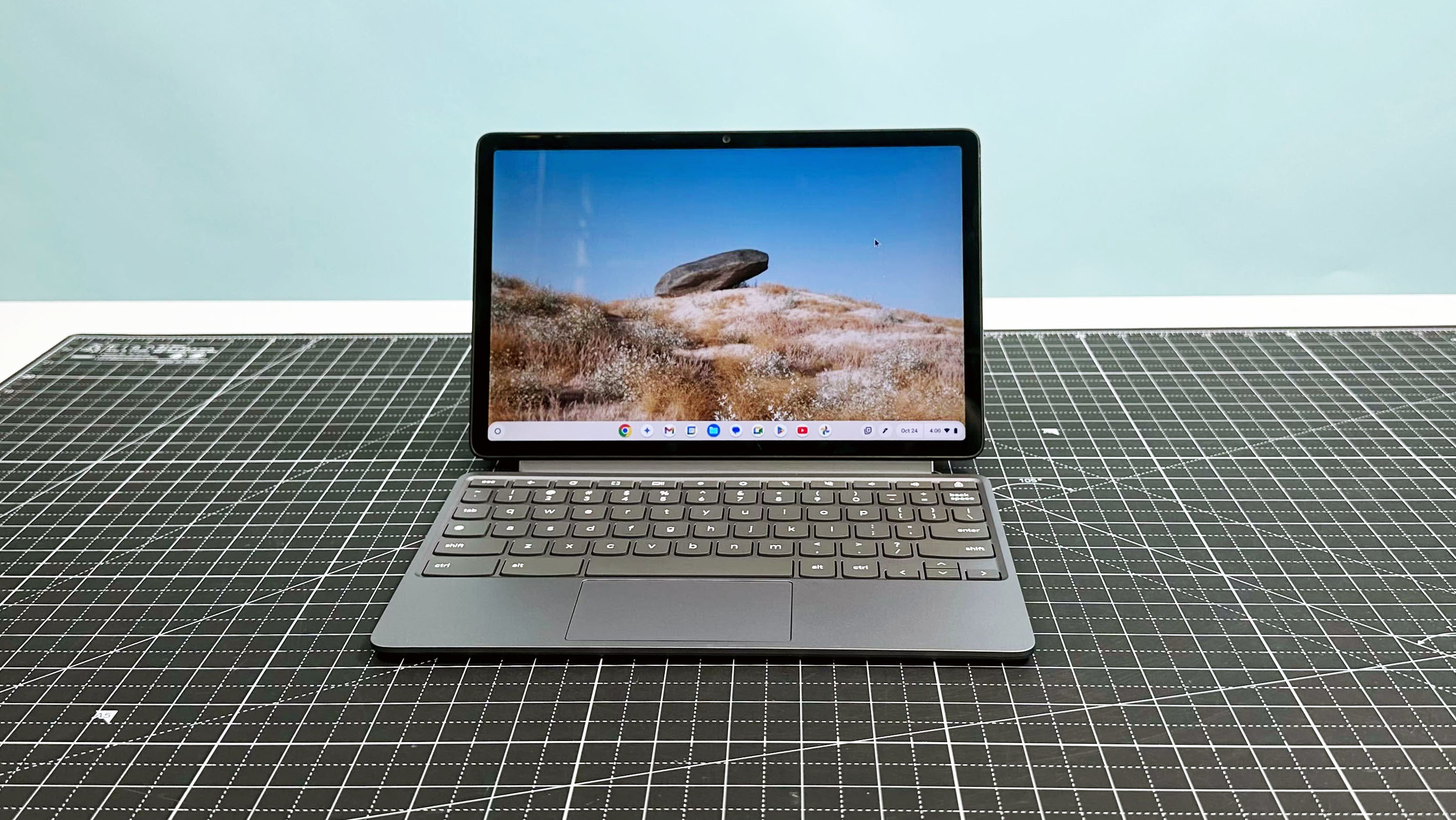
Display technology has also seen remarkable advancements. The Samsung Galaxy Chromebook Plus, for example, boasts a vibrant 15.6-inch AMOLED display, covering an impressive 109% of the DCI-P3 color gamut and achieving a peak brightness of 377 nits. This rivals the visual quality of many premium Windows and MacBook displays, offering rich colors and deep blacks, ideal for media consumption and creative work. Even more budget-friendly student models like the Acer Chromebook Spin 312 offer a 12.2-inch IPS touch display with respectable brightness at 277 nits, ensuring clear visuals for educational content. The Lenovo Chromebook Duet 11 Gen 9 further pushes the envelope for compact devices with its 10.9-inch IPS touchscreen, reaching an impressive 402 nits of brightness and 83% DCI-P3 coverage, making it excellent for on-the-go entertainment.
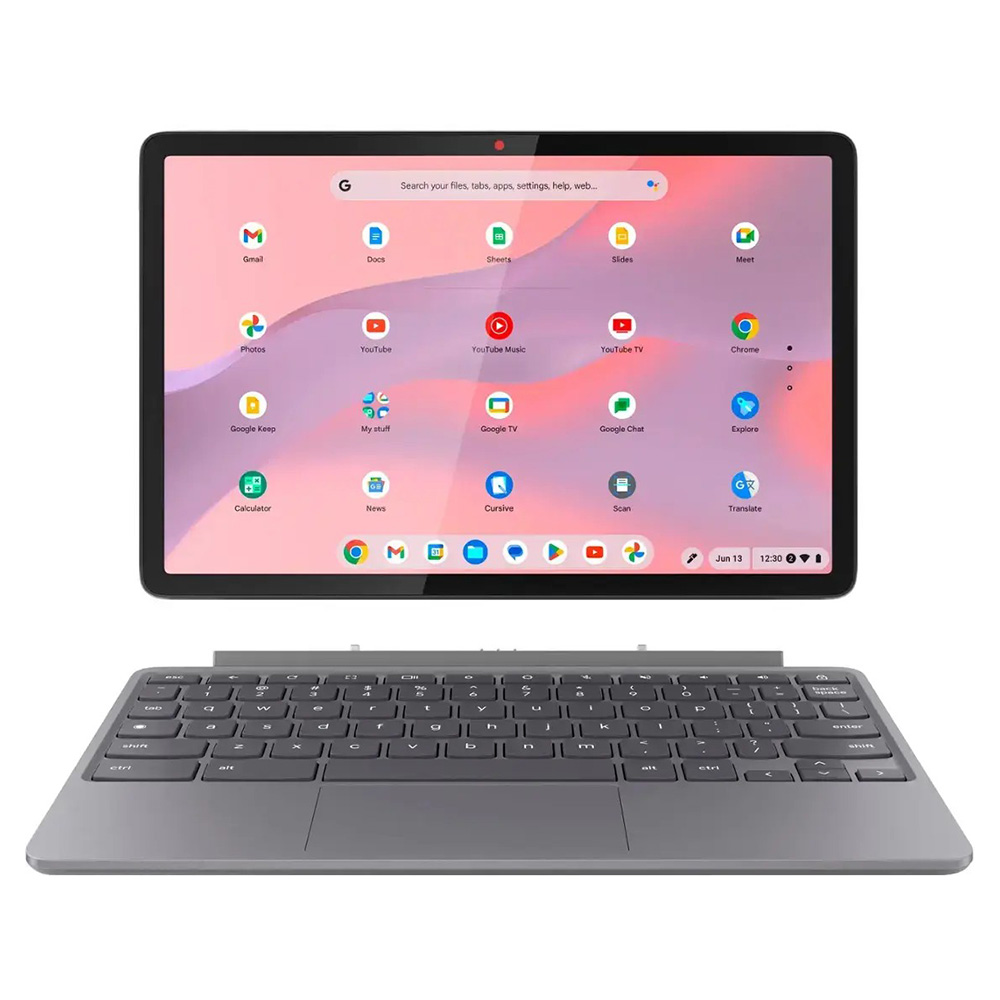
Battery life remains a core strength for Chromebooks. The Samsung Galaxy Chromebook Plus leads with an outstanding 11 hours and 12 minutes on Laptop Mag‘s web surfing battery test, providing ample power for a full day of work or school. Other top models like the Acer Chromebook Spin 312 (10 hours 33 minutes) and the Lenovo Chromebook Duet 11 Gen 9 (9 hours 48 minutes) also deliver impressive longevity, reinforcing Chromebooks’ reputation as reliable companions for users on the move.
Tailored Solutions for Diverse Users
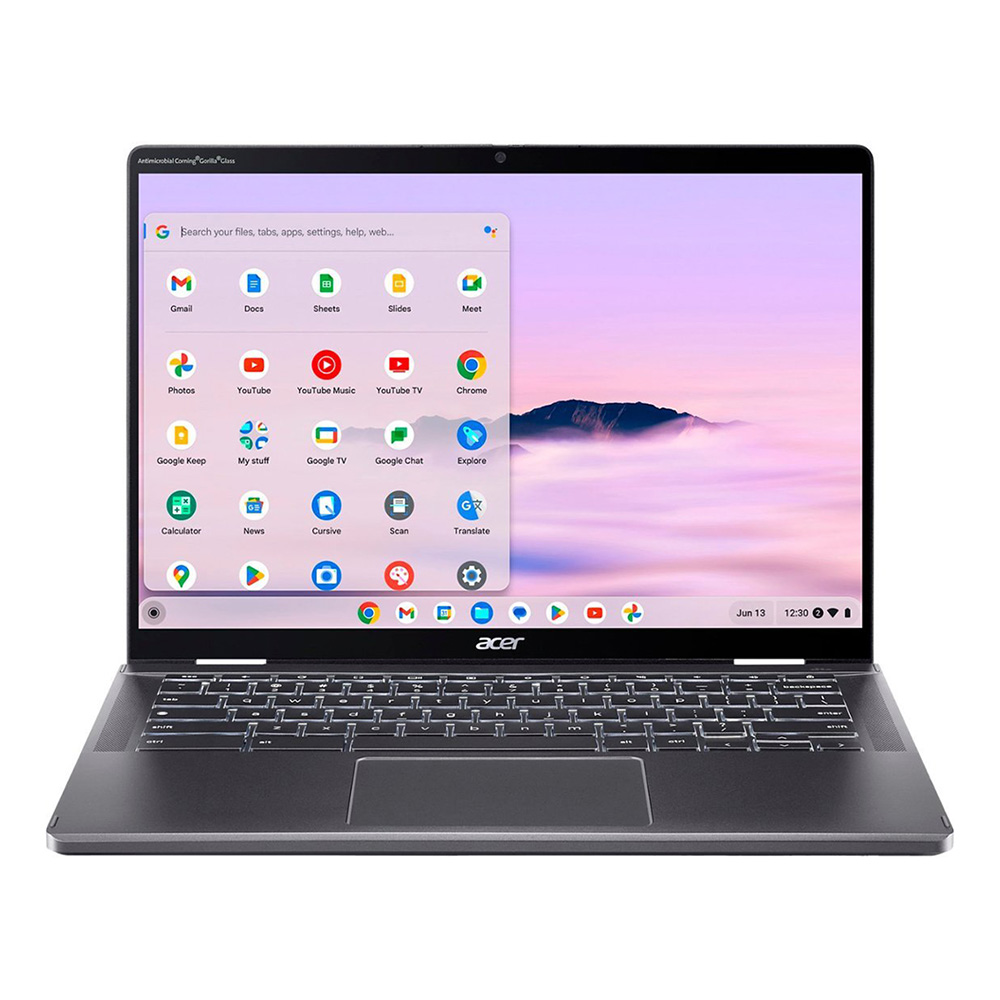
The diversification of Chromebooks in 2025 means there is a specialized model for nearly every user profile:
-
For the Everyday User / Best Overall: The Samsung Galaxy Chromebook Plus stands out as the best overall choice. Its combination of a powerful Intel Core 3 100U processor, all-day battery life, and a stunning 15.6-inch AMOLED display, all within a thin and lightweight design, offers a premium experience for general productivity, media consumption, and leveraging Google’s AI ecosystem. Its dedicated Quick Insert button for Google AI features further enhances its appeal for those seeking the most integrated AI experience.
-
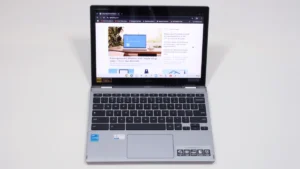
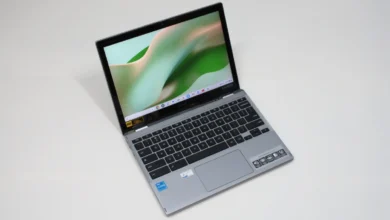
For Students: The Acer Chromebook Spin 312 is an excellent option for students. Priced under $500, it delivers a robust blend of performance (Intel Core i3-N305), over 10 hours of battery life, and a durable, portable 2-in-1 design with an IPS touchscreen. Its ability to run Linux, coupled with sufficient storage, makes it a versatile tool for various academic tasks, from basic research and writing to light coding experiments.
-
For Kids: The Lenovo Chromebook Duet 11 Gen 9 is ideally suited for younger users. This ultra-light 2-in-1 tablet with an included folio case offers solid battery life (9 hours 48 minutes), dependable performance from its MediaTek Kompanio 838 processor, and smooth touch controls. Its high-quality 5MP front-facing and 8MP rear cameras are also a bonus for educational activities or video calls, all at an accessible $359 price point.

-
For Keyboard Enthusiasts: The Acer Chromebook Plus Spin 714 (Intel Core Ultra 5 115U) sets a new standard for typing experience on a Chromebook. Its keyboard offers a crisp, satisfying tactile feedback, allowing for high typing speeds and accuracy, as evidenced by user tests exceeding desktop averages. Beyond the keyboard, it provides powerful performance, built-in AI tools, and a bright 14-inch IPS display, making it a compelling choice for writers, coders, or anyone who spends significant time typing.
-
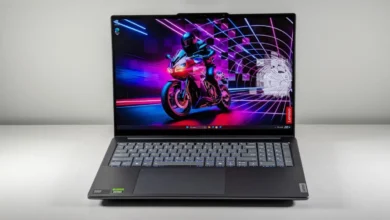
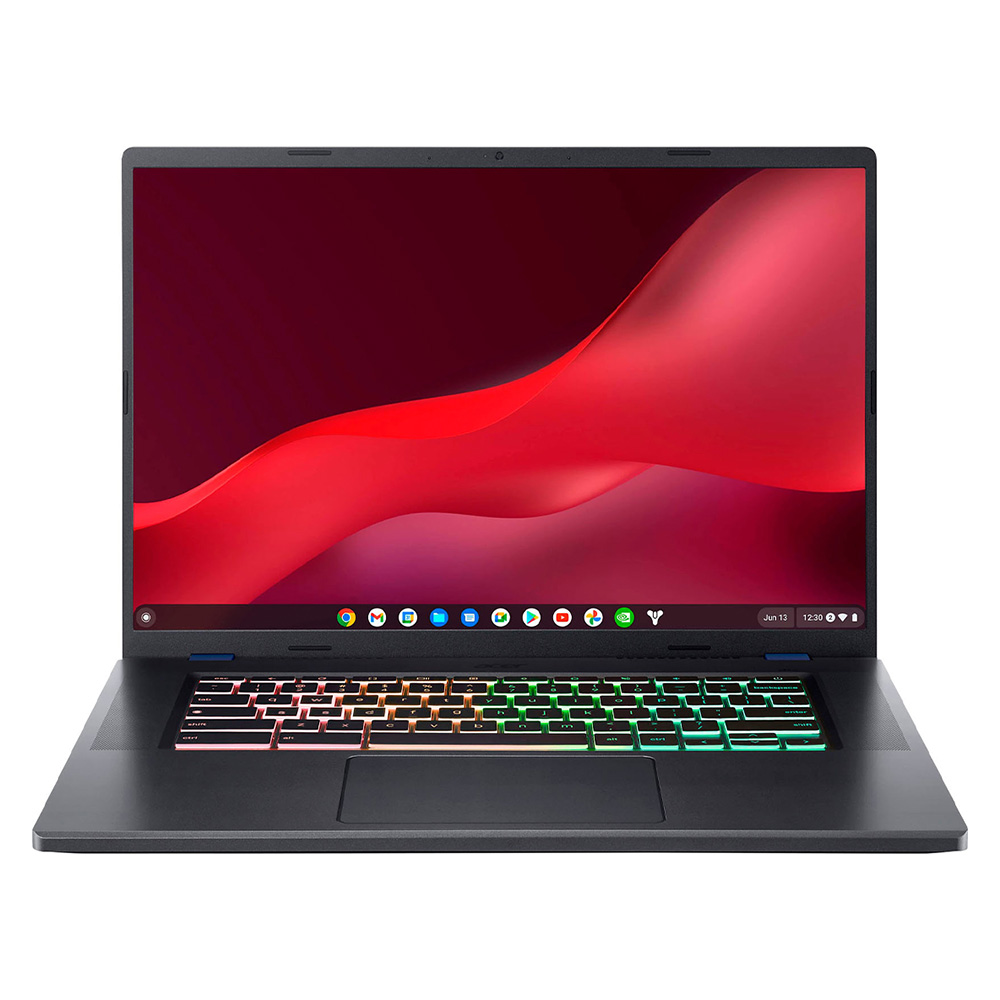
For Gamers: The Acer Chromebook 516 GE challenges the notion that Chromebooks are not for gaming. Designed specifically for cloud gaming services like Nvidia GeForce Now, it features an Intel Core i5-1240P CPU, Intel Iris Xe graphics, a 16-inch 120Hz WQXGA display, and a slick RGB keyboard. While its battery life is moderate (7 hours 40 minutes) and it lacks a touchscreen, it offers a dedicated, affordable portal to high-fidelity cloud gaming, a proposition that was unthinkable for Chromebooks just a few years ago.

Security, Durability, and Offline Capabilities
Chromebooks maintain their foundational strengths in security and ease of management. ChromeOS is inherently resistant to malware, offering built-in protections that are particularly beneficial for educational institutions and businesses. Enterprise-edition Chromebooks further enhance security with features like real-time threat protection and integration with third-party security software. Google Workspace for Education also provides advanced security features for schools without displaying ads in core services, ensuring a safe digital learning environment.
Durability is another hallmark, with many models designed to withstand the rigors of daily use, including drops and minor impacts, making them excellent choices for students and field workers. Laptop Mag‘s rigorous drop tests confirm that many Chromebooks are built to a higher standard of physical resilience.
While often associated with online connectivity, modern Chromebooks have significantly improved their offline capabilities. Over 200 Chrome apps, including core Google services like Gmail and Google Drive, function seamlessly without an internet connection. The ability to run Android apps from the Play Store further expands offline utility, although users should be aware of potential scaling issues as many Android apps are optimized for mobile-first interfaces.
The Strategic Imperative of Google’s AI Integration
Google’s deep integration of AI, particularly Gemini, into the Chromebook Plus line is a strategic move to differentiate and enhance the user experience. By offering advanced AI features and access to the premium version of Gemini, Google aims to position Chromebooks at the forefront of AI-powered computing. This means users can expect more intelligent assistance for tasks ranging from document creation and data analysis to image generation and content summarization, directly within their ChromeOS environment. This commitment to AI is expected to drive further innovation and utility, making Chromebooks increasingly powerful and versatile tools in the coming years.
Conclusion: A Competitive Force in the Laptop Market
The journey of Chromebooks from niche, basic laptops to competitive, feature-rich devices by 2025 is a testament to continuous innovation and a clear understanding of evolving user needs. With powerful processors, stunning displays, extended battery life, and integrated AI, Chromebooks now offer compelling value propositions across a broad spectrum of users. Whether for students, professionals, casual users, or even gamers, the current generation of Chromebooks provides a secure, efficient, and increasingly sophisticated computing experience that firmly establishes them as a formidable force in the broader laptop market. As Google continues to invest in hardware, software, and AI integration, the future of Chromebooks appears brighter and more capable than ever before.