Tesla Roadster unveiling set for October 1 in Waco marks the end of a long wait for the next-generation electric supercar

The automotive world is bracing for what could be the most significant product reveal in Tesla’s history as the company prepares to pull the curtain back on the long-awaited next-generation Tesla Roadster. Scheduled for October 1 in Waco, Texas, the event promises to conclude a years-long saga of anticipation, development delays, and shifting technical specifications. Since its initial concept debut in 2017, the Roadster has existed in the public consciousness as a symbol of peak performance, and as the launch date approaches, the excitement surrounding its production-ready form has reached a fever pitch.
A Long Road to Production
The journey of the second-generation Tesla Roadster is characterized by a series of pivots and prioritization shifts. Originally teased as a successor to the original 2008 model, the vehicle was unveiled at the Tesla Semi event in November 2017, where it stunned the industry with claims of a 1.9-second zero-to-60 mph acceleration time. Over the subsequent years, Tesla’s internal focus shifted toward mass-market scalability, prioritizing the production of the Model 3 and Model Y, as well as the ambitious development of the Cybertruck and autonomous driving software.
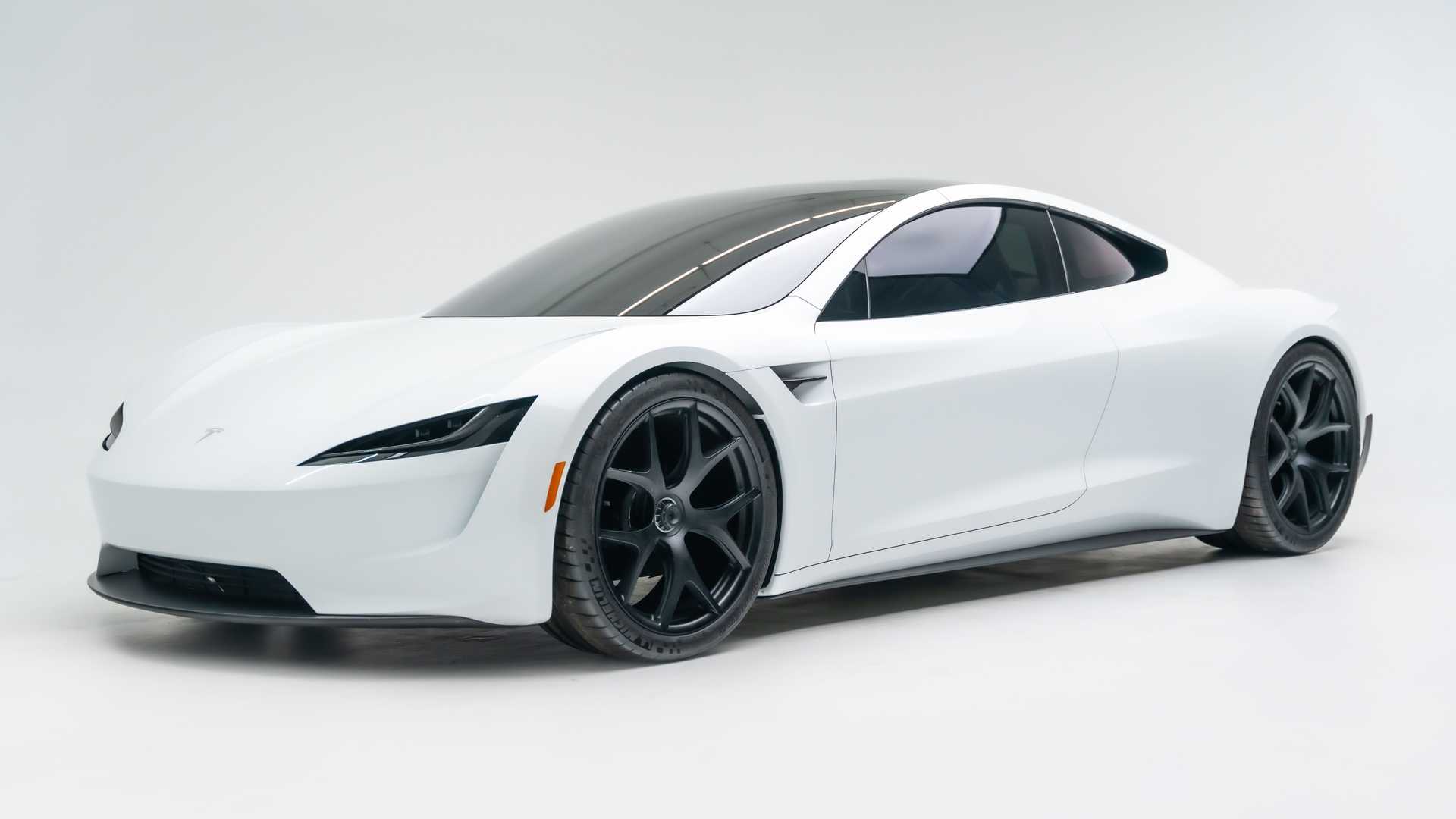
These strategic priorities led to multiple delays for the Roadster. While enthusiasts were eager for the flagship sports car, Tesla leadership maintained that the project would be worth the wait, frequently citing the need to integrate bleeding-edge technology that would fundamentally change the definition of a modern supercar. By moving the reveal to a site near the SpaceX testing facilities in McGregor, Texas, Tesla has signaled that the vehicle will lean heavily into the aerospace-inspired engineering that CEO Elon Musk has teased for years.
Engineering Expectations and Performance Specs
The technical expectations for the Roadster are unprecedented. Beyond its initial 1.9-second 0-60 mph estimate—which Musk has since suggested could be improved to as little as 1.1 seconds—the vehicle is expected to feature a "SpaceX package." This addition, which has been the subject of intense speculation, is rumored to incorporate cold-gas thrusters derived from rocket technology to enhance handling, cornering, and acceleration.
The rationale for the extended development timeline lies in the engineering complexity of such a system. Tesla has been balancing the requirements of a high-performance sports car with its broader mission to accelerate the global transition to sustainable energy. Because the Roadster is a low-volume, high-performance product, it occupies a unique space in Tesla’s portfolio: it serves as a "halo car" meant to showcase the outer limits of electric vehicle capabilities rather than a volume driver like the Model 3 or Model Y.

The Broader Strategic Context
The timing of the October 1 reveal coincides with a transformative period for the broader ecosystem of companies led by Elon Musk. Recent reports and industry analysis have highlighted a deepening integration between Tesla, SpaceX, and xAI. The potential for a closer corporate alignment has spurred discussions on Wall Street regarding the future structure of these entities. Analysts from firms such as JPMorgan and Jefferies have pointed to the strategic coherence of a potential merger, citing overlapping interests in artificial intelligence, robotics, and energy infrastructure.
While Musk has not confirmed a formal merger, the collaborative nature of these companies is increasingly visible. For instance, the joint development of the "Terafab" chip facility in Austin is designed to serve both Tesla’s autonomous computing needs and SpaceX’s Starlink satellite operations. The Roadster, therefore, is not merely a car; it is being positioned as a technological nexus that demonstrates the synergy between Tesla’s automotive expertise and the advanced propulsion and materials science perfected by SpaceX.
Industry Reactions and Market Implications
Wall Street and automotive analysts have closely monitored the development of the Roadster as a barometer for Tesla’s ability to execute on "moonshot" projects. While the company has faced criticism for the extended wait time, reservation holders—many of whom secured their spots through early referral programs or direct deposits—remain largely supportive.

From a market perspective, the Roadster represents a departure from Tesla’s traditional focus on consumer mass-market vehicles. However, it provides significant intangible value by reinforcing Tesla’s brand as a leader in innovation. When Musk describes the vehicle as a "closing chapter" for internal combustion engine supercars, he is signaling an intent to shift the paradigm of automotive performance entirely toward electric platforms that prioritize safety and high-speed efficiency over traditional mechanical complexity.
The Role of Regulatory and Safety Standards
A key theme in Musk’s recent commentary has been the role of safety in the next generation of performance vehicles. During his appearances on the Joe Rogan Experience and other forums, Musk has emphasized that the industry needs to evolve beyond simply focusing on speed. The Roadster is expected to incorporate advanced safety features that leverage Tesla’s proprietary full self-driving (FSD) stack and vehicle sensor suites, potentially setting a new benchmark for how ultra-high-performance vehicles protect their occupants.
This emphasis on safety is critical as the company faces increased scrutiny regarding its autonomous driving claims. By positioning the Roadster as the safest supercar ever built, Tesla aims to mitigate concerns about the dangers associated with high-performance electric vehicles.

Chronology of Key Events
- November 2017: The second-generation Tesla Roadster is unveiled as a surprise at the Tesla Semi event.
- 2018–2024: Multiple production delays occur as Tesla prioritizes the ramp-up of the Model 3, Model Y, and Cybertruck production, alongside the development of autonomous driving software.
- August 2025: Tesla and xAI file an antitrust lawsuit against Apple and OpenAI, alleging unfair market practices regarding AI integration.
- September 2026: Tesla officially announces the October 1, 2026, unveiling date for the Roadster in Waco, Texas.
- September 2026: Musk confirms that the event will be "unforgettable" and reiterates that the car will feature technology that surpasses the capabilities of fictional cinematic vehicles.
Implications for the Future of Transportation
As the October 1 date approaches, the industry is looking for more than just performance numbers. Observers are interested in the manufacturing techniques being utilized, the role of AI in the vehicle’s operating system, and how the "SpaceX package" will be implemented in a road-legal vehicle. If the Roadster succeeds in meeting its ambitious goals, it could provide a blueprint for how luxury and performance vehicles will be engineered in the coming decade.
The integration of such a high-performance vehicle into the public sphere also raises questions about infrastructure. While the Roadster is designed for the consumer market, its sheer power and advanced capabilities suggest that it will occupy a niche similar to hypercars from brands like Bugatti or Rimac. However, Tesla’s unique advantage lies in its Supercharger network and the massive data collection enabled by its existing fleet of vehicles, which provides a level of real-world testing that most supercar manufacturers cannot match.
Ultimately, the October 1 reveal will serve as a definitive statement from Tesla. By bringing the Roadster to life, the company intends to silence critics who have questioned the feasibility of the project while simultaneously setting a high bar for the next generation of performance EVs. Whether the car truly "flies" in a literal sense or simply breaks existing automotive physics, it is clear that the event will be a pivotal moment for the electric vehicle industry, signaling that the era of the high-performance electric supercar has officially arrived. As the world watches Waco, the focus remains on whether the reality of the Roadster can live up to the decade of anticipation that has preceded it.