The Best Laptops Under $500 for 2025: Balancing Performance, Value, and Longevity

Navigating the sub-$500 laptop market has historically been viewed as a compromise between affordability and functional lifespan, but recent advancements in processor efficiency and display technology have transformed this segment into a viable space for students, casual users, and remote workers. As the industry moves further into 2025, manufacturers are increasingly leveraging high-efficiency silicon to ensure that entry-level devices can handle modern multitasking without the hardware fatigue that characterized budget machines of the previous decade.

The current landscape of budget computing is defined by a shift toward ChromeOS for the sub-$300 tier, while Windows-based devices in the $400 to $500 bracket have begun to offer specifications—such as 8GB of RAM and modern integrated graphics—that were previously reserved for mid-range ultrabooks. This evolution is driven by the necessity for accessible technology in education and the rise of cloud-based productivity, which minimizes the load on local storage and processing power.
Market Context and the Evolution of the Budget Tier
Over the past three years, the entry-level laptop market has undergone a significant correction. Supply chain fluctuations and global economic pressures have forced manufacturers to prioritize longevity and build quality over raw, high-end specifications. According to recent market analysis, while total laptop shipments experienced volatility, the demand for "essential" computing devices—those optimized for web browsing, document creation, and video conferencing—has remained consistent.
This segment is no longer a graveyard for discarded technology. Instead, it is a highly competitive arena where companies like Lenovo and Acer are deploying premium design cues, such as aluminum chassis or high-quality OLED panels, to differentiate their offerings. As of mid-2025, consumers can find devices that boast battery life exceeding 10 hours, effectively addressing one of the primary complaints regarding previous generations of budget hardware.
Top Recommendations and Performance Profiles
The current market leaders demonstrate that a sub-$500 budget does not preclude a quality user experience. Each of the following devices represents a specific niche, optimized for different user requirements.
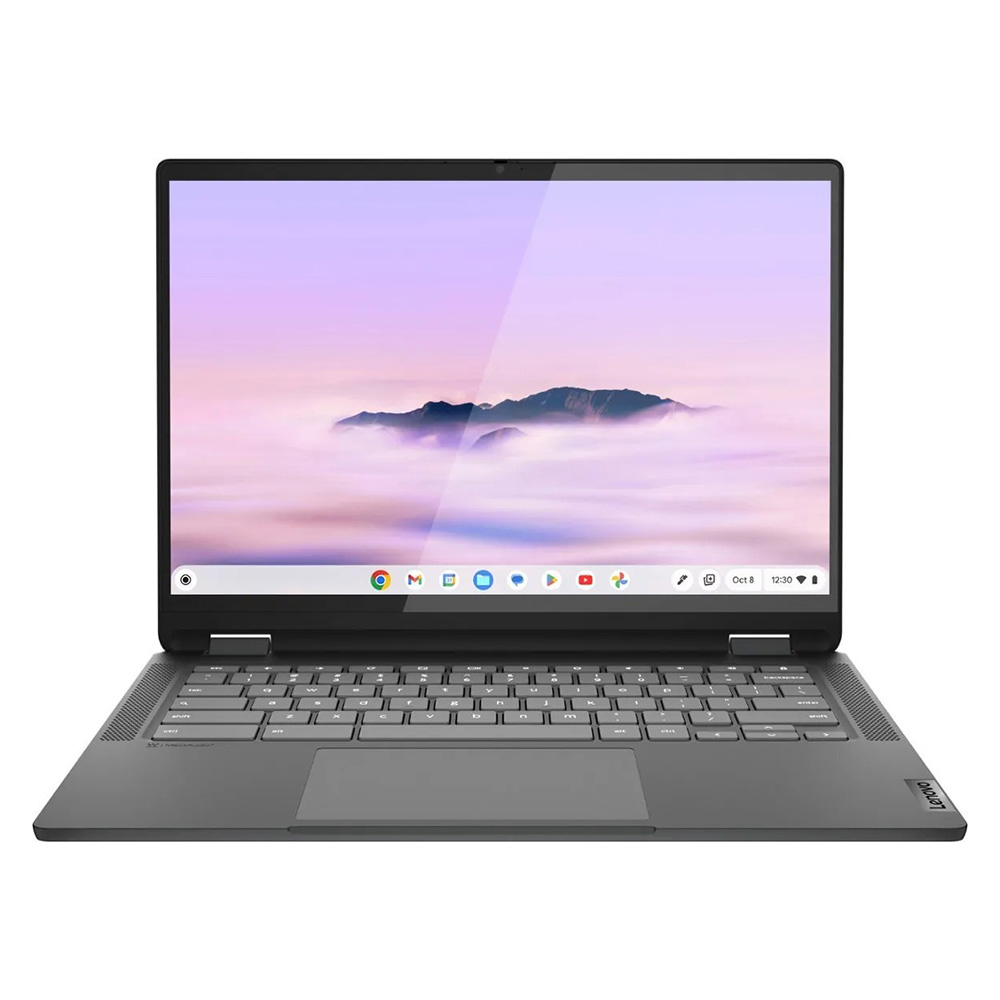
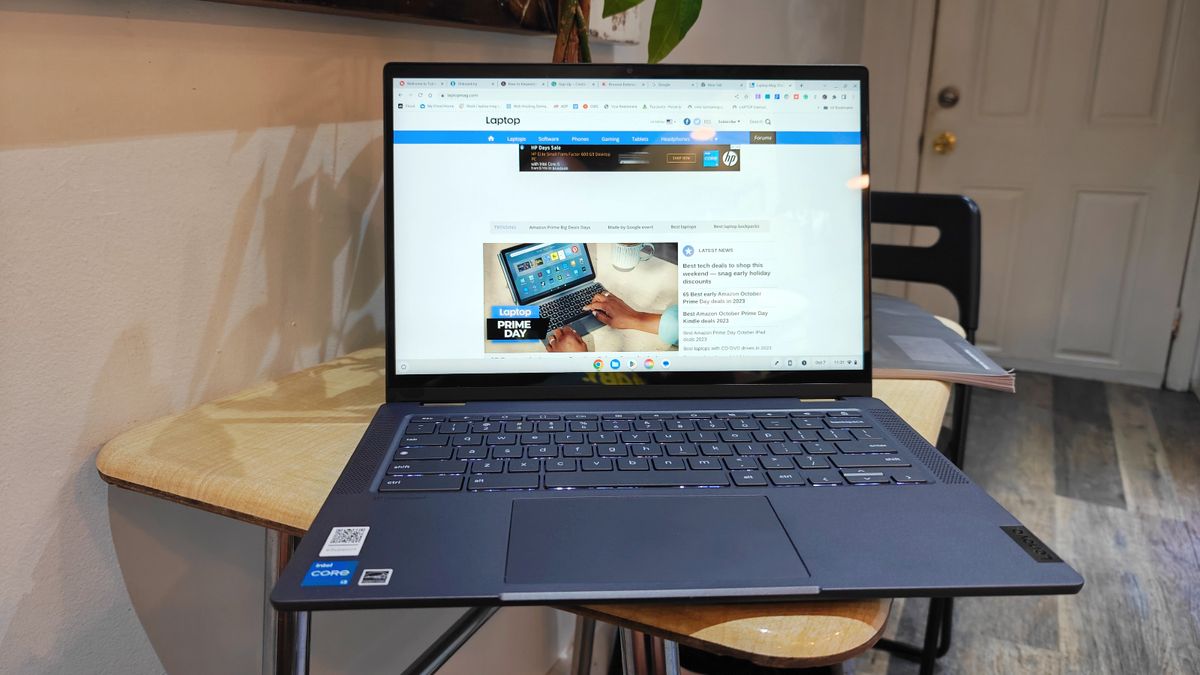
1. Lenovo IdeaPad Flex 5i Chromebook Plus
The IdeaPad Flex 5i stands as the current industry benchmark for the "Best Overall" budget category. Featuring an Intel Core i3-1315U processor and 8GB of RAM, this device bridges the gap between basic utility and power-user tasks. Its Geekbench 6 multi-core performance score of 5,384 significantly outpaces the Chromebook average, making it suitable for users who maintain dozens of browser tabs or engage in light image editing. The inclusion of AI-integrated performance enhancements further justifies its position, ensuring that the interface remains responsive even under load.
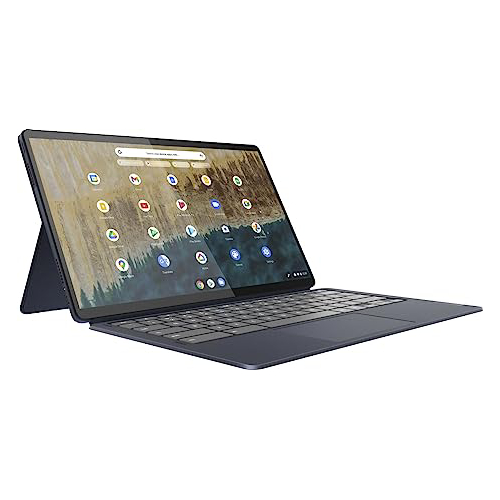
2. Lenovo Duet 5 Chromebook
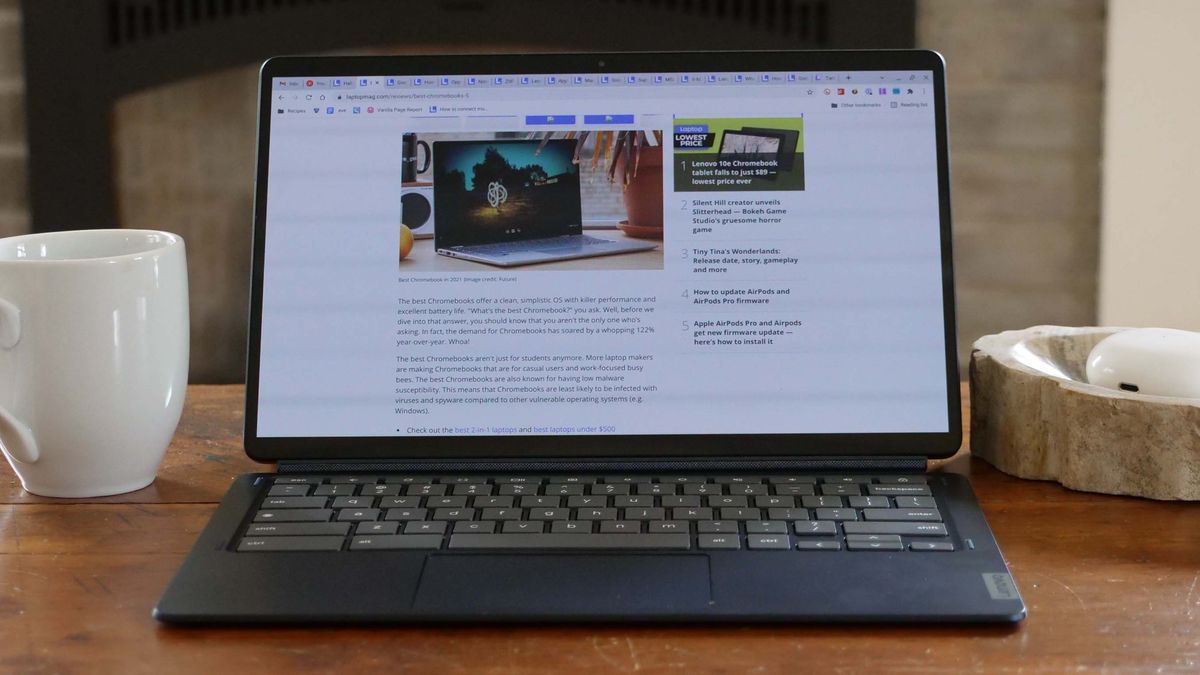
For users prioritizing mobility, the Lenovo Duet 5 Chromebook remains the standout choice for under $300. Its defining characteristic is a 13.3-inch OLED display, a feature rarely seen at this price point. By utilizing the Qualcomm Snapdragon 7c Gen 2 processor, the device achieves an impressive battery life of over 13 hours. While its raw processing power is lower than its Intel-based counterparts, its versatility as a detachable 2-in-1 device makes it an ideal companion for travelers and students who require tablet functionality.
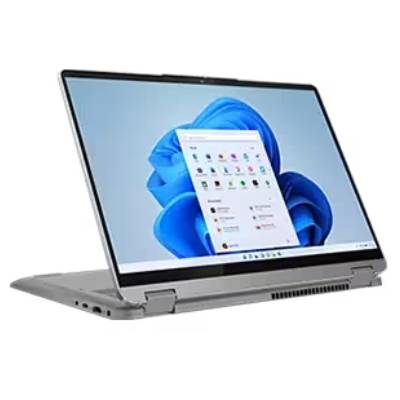
3. Lenovo IdeaPad Flex 5 14 (Intel)
The Lenovo IdeaPad Flex 5 14 serves as the premier Windows-based option for those who require a full-fledged desktop operating system. Navigating Windows on a budget can often result in performance bottlenecks; however, this model mitigates those issues with a balanced configuration of an Intel Core i5 processor and 16GB of RAM in its optimal configurations. It offers a reliable 14-hour battery life, addressing the critical "all-day" requirement for professional and academic environments.
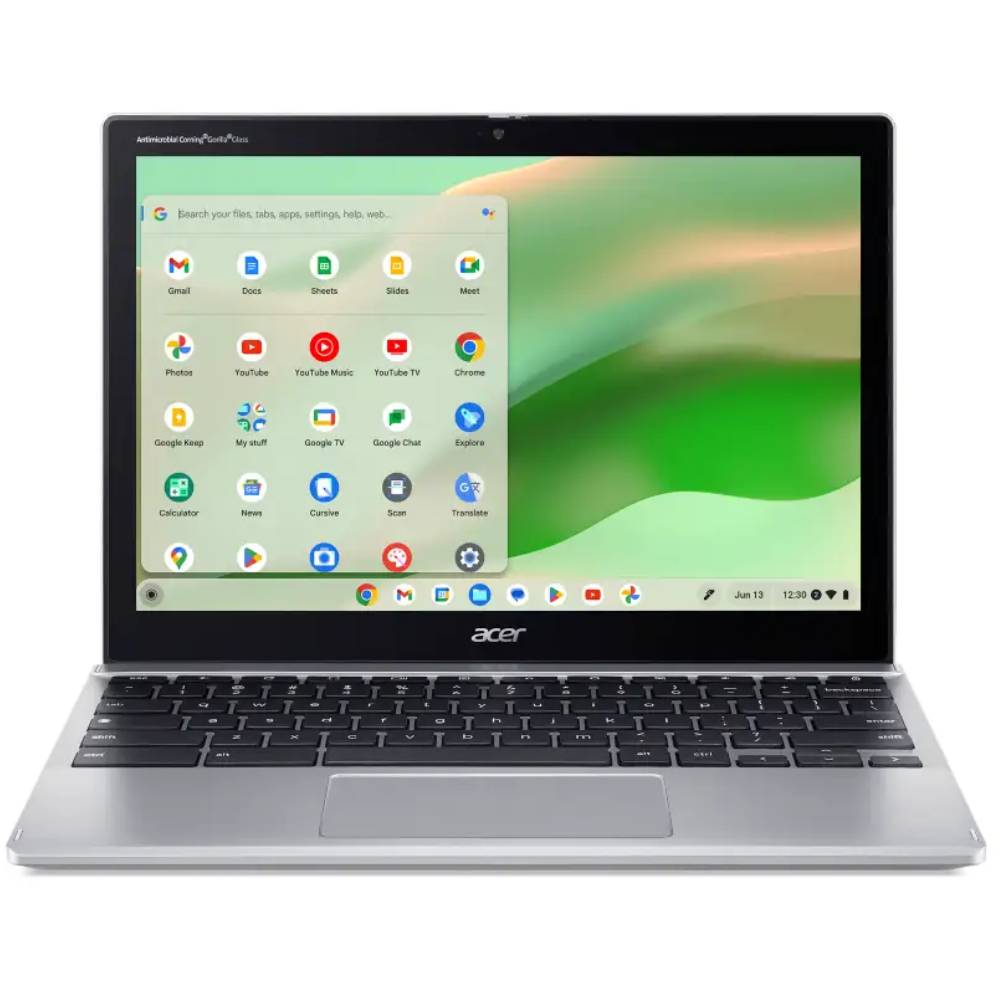
4. Acer Chromebook Spin 312
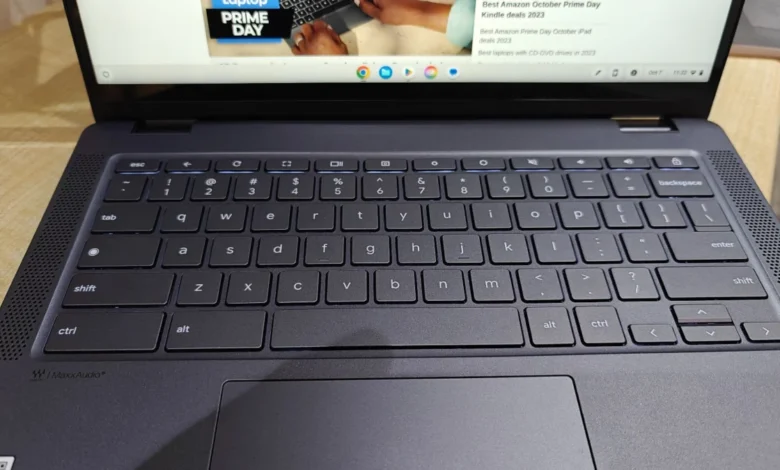
Tailored specifically for the student population, the Acer Chromebook Spin 312 emphasizes durability and input quality. Its "OceanGlass" trackpad provides a tactile experience that exceeds industry standards for budget devices. With a 10-hour battery life and a robust build designed to withstand the rigors of a school environment, it has become a preferred choice for institutions looking to upgrade aging fleets of hardware.
Comparative Data and Technical Analysis
The following table summarizes the performance metrics observed during independent laboratory testing, highlighting the disparity between processing power and battery longevity across various budget models.
| Metric | Lenovo Flex 5i Plus | Lenovo Duet 5 | Lenovo Flex 5 14 | Acer Spin 312 |
|---|---|---|---|---|
| Geekbench (Multi-core) | 5,384 | 1,727 | 3,841 | 4,477 |
| Battery Life (Web) | 09:43 | 13:31 | 14:16 | 10:33 |
| Brightness (Nits) | 306 | 361 | 200 | 277 |
| Color (DCI-P3) | 46.5% | 85.2% | 45% | 55% |
The data indicates a clear trade-off: devices with high-performance processors, such as the Flex 5i, typically sacrifice some battery endurance, while devices focused on display quality, like the Duet 5, may offer lower raw processing capabilities.

Economic and Industry Implications
The stability of the under-$500 market is currently subject to broader economic factors, including potential tariff adjustments on electronic components. Industry experts note that should new import duties on consumer electronics take effect, the "quality-per-dollar" ratio will likely tighten. Historically, when manufacturers face increased costs, they often reduce internal storage or opt for lower-resolution displays to maintain the sub-$500 price point.
Consequently, consumers are advised to act strategically. Major retail events, such as Black Friday and back-to-school sales, remain the optimal windows for purchasing, as retailers and manufacturers often absorb some of the costs to clear inventory. The current trend suggests that while laptops are not necessarily becoming cheaper, their functional longevity is increasing, providing a better long-term return on investment than budget devices purchased three to four years ago.
Strategic Selection: How to Choose
When selecting a budget laptop, the decision-making process should be dictated by the user’s primary workflow. For those whose tasks are exclusively browser-based, a Chromebook remains the superior choice due to its lean operating system and inherent security features. For users who require legacy Windows software or specific productivity suites not optimized for cloud-based environments, a Windows machine with at least 8GB of RAM is the minimum recommended threshold.
Potential buyers should prioritize:
- RAM Capacity: 8GB is now the baseline for acceptable performance. Avoid 4GB models as they will struggle with modern browser memory usage.
- Storage: While 128GB eMMC storage is standard for budget machines, verify if the device offers an expandable M.2 SSD slot, which can significantly extend the machine’s lifespan.
- Display Quality: Look for IPS panels with a minimum of 250 nits of brightness to ensure visibility in varied lighting conditions.
- Build Integrity: For portable use, prioritize metal-reinforced hinges or chassis to prevent common wear and tear associated with plastic-heavy budget builds.
Conclusion
The state of budget laptops in 2025 is robust, characterized by a move away from "disposable" hardware toward devices that offer meaningful value. By focusing on the specific strengths of modern Chromebooks and optimized Windows portables, consumers can secure reliable technology that meets the demands of modern digital life. As the market continues to evolve, the distinction between "budget" and "capable" is narrowing, ensuring that limited financial resources no longer dictate a limited computing experience.