Brightin Star Unveils Two New Wide-Angle Lenses and AERO UV Filter at NAB 2026

NAB 2026, the premier global event for the National Association of Broadcasters, has once again descended upon the Las Vegas Convention Center, drawing industry professionals and enthusiasts eager to witness the latest innovations in media and entertainment technology. Among the diverse array of exhibitors, third-party lens manufacturer Brightin Star has made a significant splash, not only showcasing its established product line but also debuting two compelling new wide-angle lenses specifically engineered to captivate landscape photographers, alongside an advanced AERO UV filter. This strategic unveiling at one of the year’s most influential industry gatherings underscores Brightin Star’s commitment to expanding its footprint and catering to the evolving needs of the creative community.
The brand’s presence at NAB 2026, which runs from April 20th to 24th, 2026, marks a crucial moment for showcasing their latest optical advancements. The event typically attracts over 100,000 attendees, including content creators, broadcasters, filmmakers, and technology providers, making it an ideal platform for product launches and market introductions. Brightin Star’s decision to introduce these new products at NAB highlights the growing intersection between still photography and the broader visual content creation landscape, where high-quality optics are paramount for everything from cinematic productions to immersive landscape imagery.
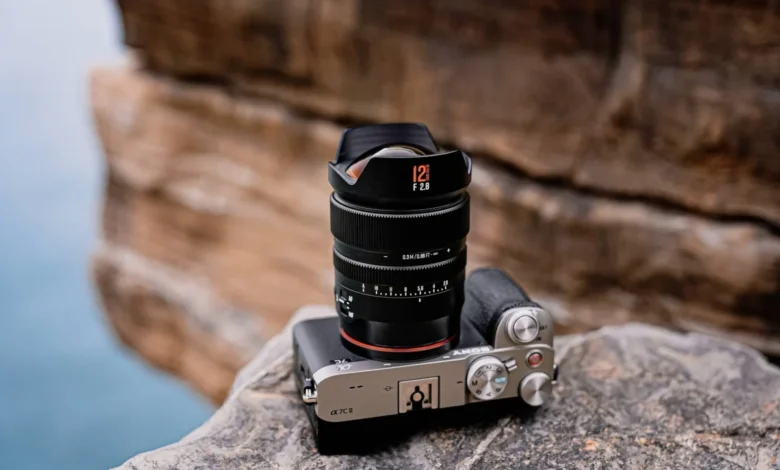
At the heart of Brightin Star’s new offerings are two wide-angle lenses designed to provide photographers with expansive perspectives and exceptional image quality. The first is a brand-new 12mm f/2.8 lens, engineered for versatility and performance in challenging shooting conditions. This ultra-wide prime lens boasts an impressive 122.5-degree field of view, making it an indispensable tool for capturing breathtaking vistas, grand architectural compositions, expansive interior spaces, and the celestial wonders of astrophotography. The inclusion of an STM (Stepping Motor) for rapid and silent autofocus ensures that photographers can react swiftly to fleeting moments without disrupting the scene. Furthermore, the lens features a user-friendly AF/MF switch for seamless transition between autofocus and manual focus, complemented by a customizable FN button, allowing for personalized control and quicker access to frequently used functions. This thoughtful design aims to streamline the shooting process, enabling photographers to concentrate on their creative vision rather than fumbling with camera settings.
The construction of the 12mm f/2.8 is another area where Brightin Star has focused its attention. The company has emphasized its durable build, specifically mentioning "rear sealing for dust and moisture resistance." This feature is particularly vital for landscape photographers who often operate in unpredictable outdoor environments, where exposure to dust, sand, and light rain is common. By incorporating such protective measures, Brightin Star aims to provide a reliable tool that can withstand the rigors of fieldwork, thereby enhancing its appeal to professional and serious amateur photographers.
The pricing strategy for the 12mm f/2.8 is also a significant factor. Brightin Star anticipates that the lens will retail for under $500, positioning it as an accessible yet high-performance option for photographers seeking to expand their wide-angle capabilities without a prohibitive investment. This price point is particularly competitive when compared to offerings from established brands, making it an attractive proposition for those looking for a secondary wide-angle lens or an entry into ultra-wide photography. The company appears to be targeting a market segment that values both optical quality and affordability, a strategy that has proven successful for many third-party lens manufacturers.
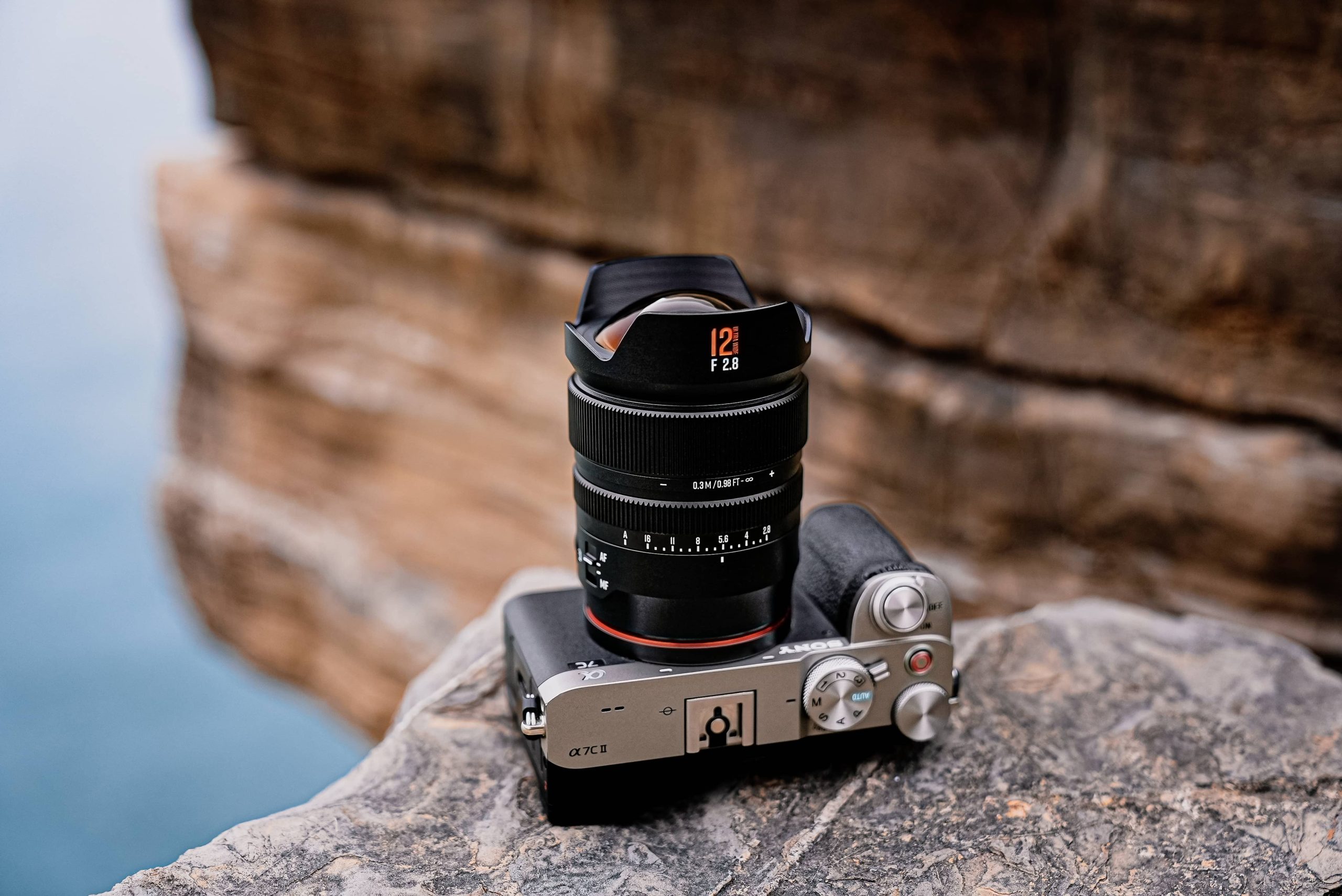
In a direct comparison, Brightin Star’s new 12mm f/2.8 offers a distinct advantage over other ultra-wide options, such as the Astrhori 12mm fisheye lens. While the Astrhori lens also provides an expansive field of view, its fisheye design inherently introduces significant barrel distortion, which, while creative in its own right, may not be suitable for all applications. Brightin Star’s 12mm, by contrast, is designed to deliver rectilinear images, meaning that straight lines remain straight, a crucial characteristic for architectural photography and any scenario where accurate spatial representation is desired. This distinction is likely to be a key selling point for photographers who prefer to avoid the post-processing efforts required to correct fisheye distortion.
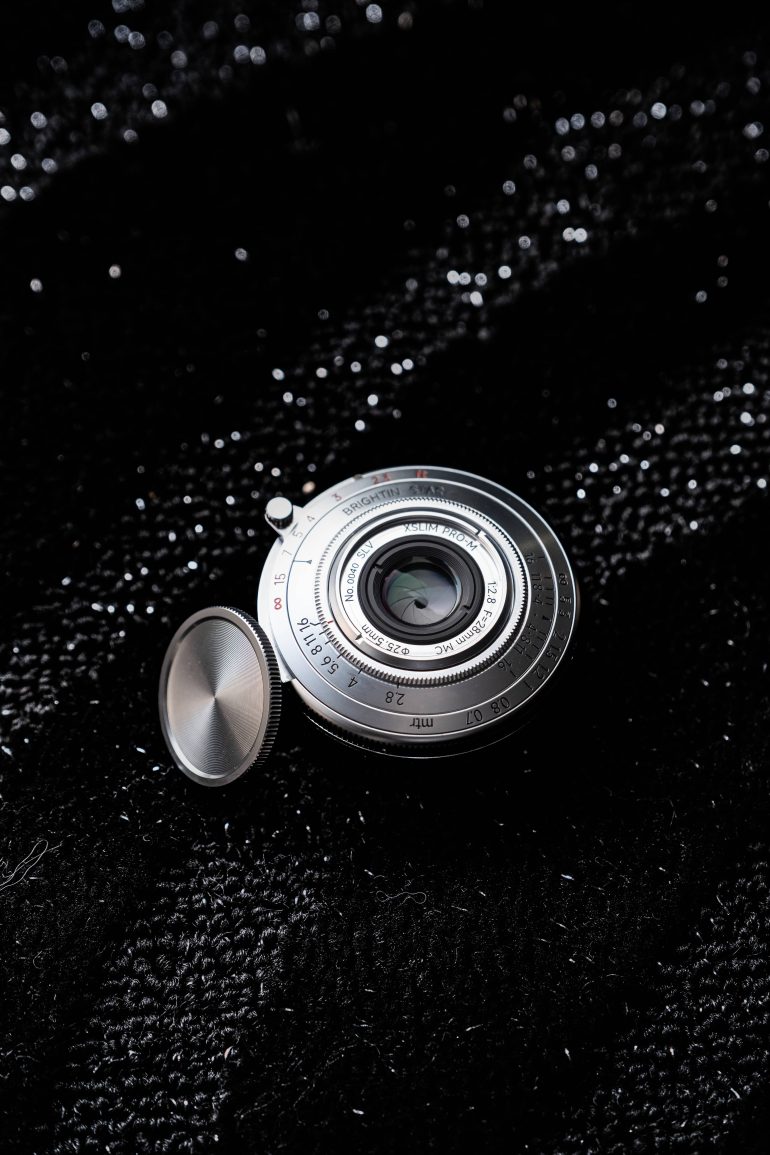
Beyond the groundbreaking 12mm lens, Brightin Star is also introducing a visually striking silver edition of its highly regarded 28mm f/2.8 pancake lens. This compact and lightweight lens, originally launched in a classic black finish to complement rangefinder cameras, now receives a sophisticated silver treatment. The aesthetic upgrade aims to enhance the visual appeal of vintage camera setups and provide photographers with a lens that is both functionally discreet and stylistically distinctive. The silver edition is expected to resonate with street photographers who appreciate a blend of subtlety and flair, as well as travel and documentary photographers seeking an elegant yet unobtrusive lens for their craft. Its designation as a "pancake lens" speaks to its exceptionally small form factor, making it an ideal choice for those who prioritize portability and wish to minimize their gear load without compromising on focal length versatility.
The 28mm f/2.8 in its new silver guise is described as an "all-metal built lens," promising a "premium tactile feel in every detail." This emphasis on build quality suggests a commitment to durability and a refined user experience. The lens is particularly well-suited for rangefinder camera users, offering a sought-after focal length without the bulk and weight associated with faster, more complex lenses. This makes it a pragmatic choice for photographers who prioritize a balanced optical solution that combines a desirable field of view with manageable physical characteristics.
Furthermore, Brightin Star positions the 28mm f/2.8 silver edition as a budget-friendly alternative to high-end 28mm lenses offered by premium brands like Leica. The market for Leica M-mount lenses, for instance, is known for its exceptional optical quality but also its significant price tags. By offering a comparable focal length and aperture at a more accessible price point, Brightin Star is making this classic focal length more attainable for a wider audience. This strategy allows photographers to achieve a similar aesthetic and photographic capability without the substantial financial outlay, democratizing access to certain photographic styles and capabilities.
In addition to its lens introductions, Brightin Star is also expanding its accessory line with the unveiling of the new AERO UV filter. This filter is engineered with a focus on both performance and portability. Weighing a mere 4 grams and featuring a slim 1.5mm profile with a 39mm brass filter ring, it is designed to be exceptionally unobtrusive. The AERO UV filter is equipped with a 28-layer double-sided IMC Nano coating and utilizes SCHOTT B270 ultra-thin optical glass. These advanced technologies are crucial for mitigating common optical challenges such as reduced light transmission, color casts, lens flare, and ghosting, which can degrade image quality. The careful selection of materials and coatings aims to preserve the integrity of the image captured by the lens.
The design of the AERO UV filter extends beyond its optical performance to encompass user experience and durability. The filter is crafted for improved aesthetics and enhanced grip, making it easier to attach and remove. Its construction incorporates a 20% lower thermal expansion coefficient, contributing to its overall durability and stability in varying temperature conditions. The Nano coatings are also engineered to resist fingerprint smudges and provide water and oil repellency, simplifying maintenance and ensuring clear optics during extended use. The AERO UV filter is available in both black and silver finishes, allowing photographers to match their filter to the aesthetic of their camera and lens setup, adding another layer of personalization to their gear.
Brightin Star’s strategic presence at NAB 2026 signifies a broader trend within the imaging industry: the increasing demand for high-quality, versatile, and affordably priced optics across various content creation disciplines. The event serves as a barometer for technological advancements, and Brightin Star’s new lens and filter offerings align with the ongoing need for efficient, robust, and optically superior tools that empower creators to capture compelling visuals in diverse environments. The company’s focus on wide-angle perspectives caters to the growing popularity of landscape photography, travel vlogging, and cinematic storytelling, where expansive views and immersive perspectives are highly valued.
The timeline of Brightin Star’s product development, culminating in these NAB 2026 reveals, likely reflects a deliberate response to market trends and user feedback. The original 28mm f/2.8 lens, for instance, was initially designed for rangefinder cameras, a niche that has seen a resurgence in interest among photographers who appreciate its unique shooting experience and the aesthetic qualities of its optics. The subsequent introduction of a silver edition and the ongoing development of other lenses, such as the 50mm f/2 Tri-sight and APO M 35mm f/1.7, demonstrate a commitment to serving a wide spectrum of photographic needs.
The implications of Brightin Star’s product launches at NAB 2026 are multifaceted. For landscape photographers, the new 12mm f/2.8 offers a potent and affordable tool for capturing expansive scenes with minimal distortion. For street and documentary photographers, the silver 28mm f/2.8 provides a stylish and discreet option that combines classic aesthetics with modern performance. The AERO UV filter, with its advanced coatings and slim design, addresses the practical needs of photographers seeking to protect their lenses while maintaining image quality.
The competitive landscape for third-party lens manufacturers is increasingly dynamic, with companies like Brightin Star challenging established players by offering compelling alternatives that balance quality, features, and price. By focusing on specific market segments and leveraging technological advancements, Brightin Star is carving out a significant niche for itself. The positive reception to their previous products, such as the Funleader x Brightin Star 28mm review, suggests a growing confidence in their optical engineering and manufacturing capabilities.
As NAB 2026 progresses, the visibility gained from exhibiting these new products will undoubtedly generate further interest and potentially lead to collaborations and partnerships within the broader media ecosystem. The brand’s commitment to providing accessible yet high-performance gear positions them as a noteworthy contender for photographers and videographers looking to enhance their creative toolkit. Interested parties are encouraged to visit Brightin Star’s official website for more detailed specifications and purchasing information on these exciting new releases.