14-Year-Old Thai Prodigy Panitbhand Paribatra "Pari" Na Ayudhya Crowned Hasselblad Masters 2026 Winner for Underwater Photography

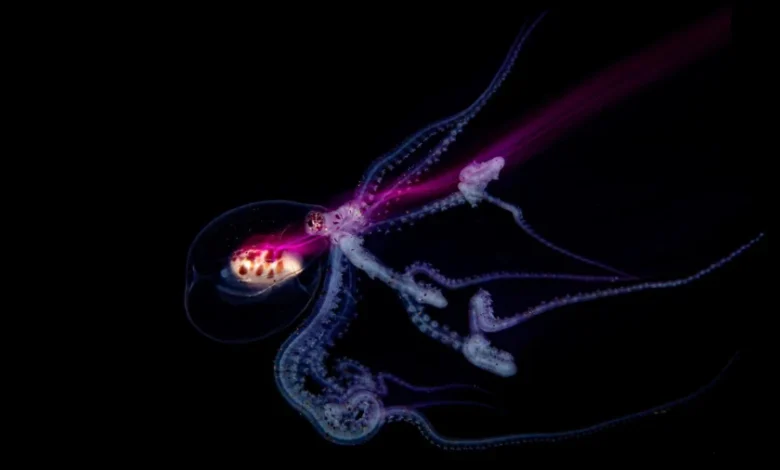
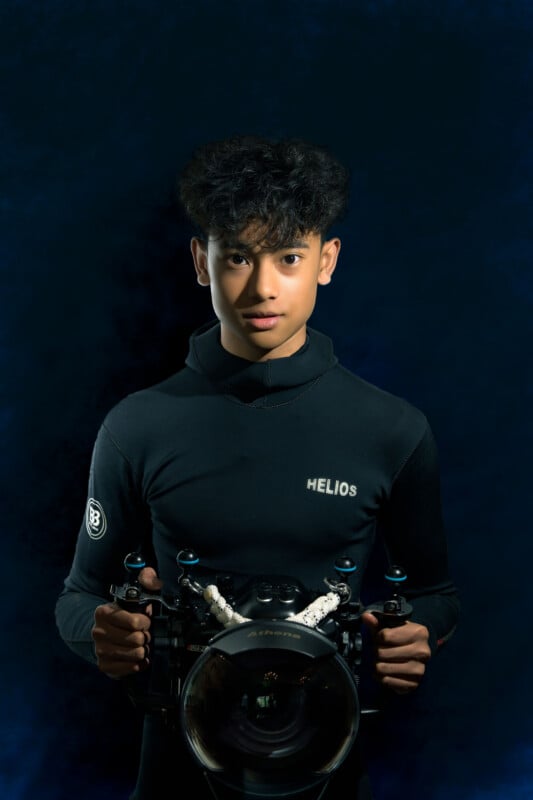
The world of professional photography has been captivated by the remarkable achievements of Panitbhand Paribatra, affectionately known as Pari, a 14-year-old underwater photographer from Thailand. Late last month, Pari secured a prestigious victory in the Project // 21 category of the highly esteemed Hasselblad Masters 2026 photo contest. This latest accolade marks another significant milestone in a burgeoning career already rich with major awards, signaling a bright future for this young talent.
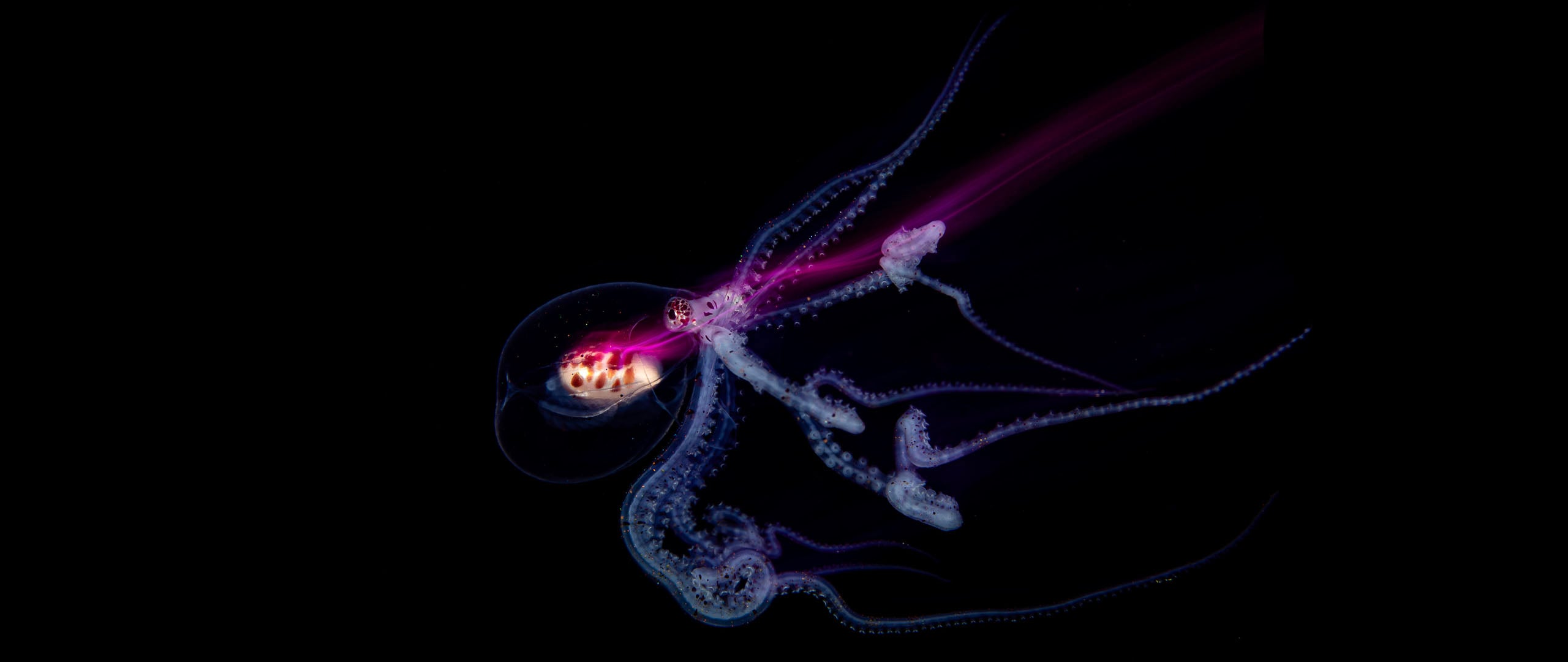
Pari’s journey to the pinnacle of photographic recognition is not just a testament to his innate talent but also to his dedication, strategic approach, and profound connection with the marine world. His win in the Hasselblad Masters, a competition renowned for setting industry benchmarks and launching photographic careers, underscores his exceptional skill and unique artistic vision. The Project // 21 category specifically challenges photographers aged 21 and younger, making Pari’s triumph at such a tender age all the more impressive, especially given the caliber of global competition he faced.
A Stellar Victory: Claiming the Hasselblad Masters 2026 Title
The Hasselblad Masters competition is a cornerstone event in the photographic calendar, celebrated for its rigorous selection process and the prestige it bestows upon its winners. Each edition draws thousands of submissions from across the globe, with a select few earning the coveted title of Hasselblad Master. For the 2026 iteration, the Project // 21 category provided a platform for emerging photographic talent to showcase their work.
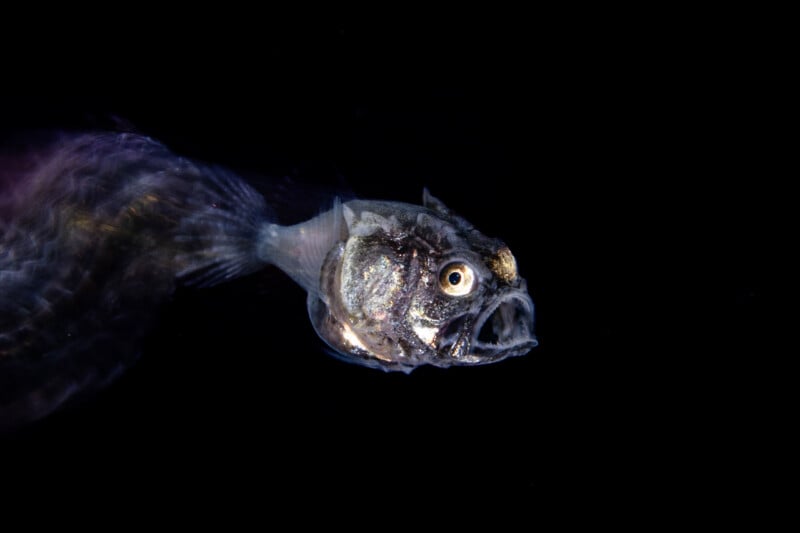
Pari, speaking with PetaPixel about his monumental win, expressed a mixture of disbelief and profound gratitude. "I was really glad I made it to the finalists," he shared. "I didn’t expect to win because there were really good other photographers I was competing with. I just thought, ‘It was really good that I made it to the finalists.’ I just didn’t expect to make it to the top." This humility, coupled with his evident skill, has endeared him to many within the photography community.
The significance of this award extends beyond mere recognition. As a Hasselblad Master, Pari not only gains immense credibility but also receives a substantial 5,000 euro creative fund. This financial support is crucial for young artists, enabling them to invest in further projects and develop their craft. Furthermore, the prize includes his choice of a state-of-the-art Hasselblad 100-megapixel camera and two XCD Series lenses. This technological advantage will undoubtedly empower him to capture even more breathtaking imagery and push the boundaries of his underwater photography.
Strategic Vision: The Method Behind the Masterpiece
What sets Pari apart, even at his young age, is his analytical and strategic approach to competitions. He meticulously studied past Hasselblad Masters editions to discern patterns and understand the aesthetic and thematic elements that resonate with the judges. "I looked at all the categories, and I saw there’s this pattern in which all the photos have to be unique, but they also have to go along with each other," Pari observed. This insight highlights his sophisticated understanding of photographic storytelling and presentation within a competitive framework.
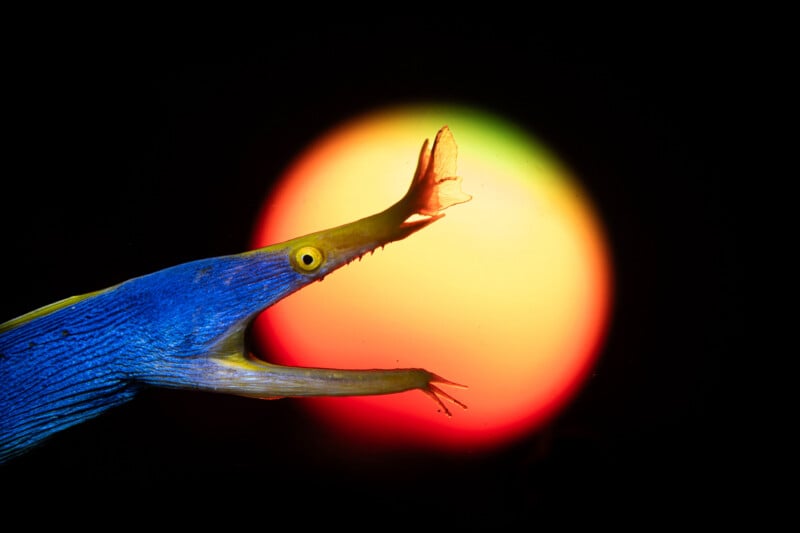
For the Hasselblad Masters, photographers are required to submit a series of three images. Pari’s winning submission featured three distinct yet harmoniously related underwater photographs. He aimed for a collection where each image possessed individual merit while collectively forming a cohesive and compelling visual narrative. "They all look similar but they’re all different in a way," he explained, emphasizing the delicate balance he struck between thematic unity and individual creativity.
The Art of Blackwater Diving: Capturing Ethereal Moments
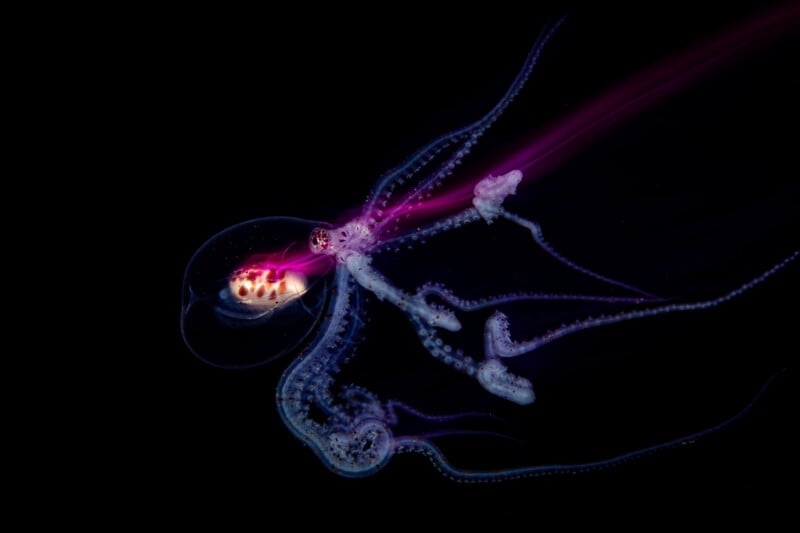
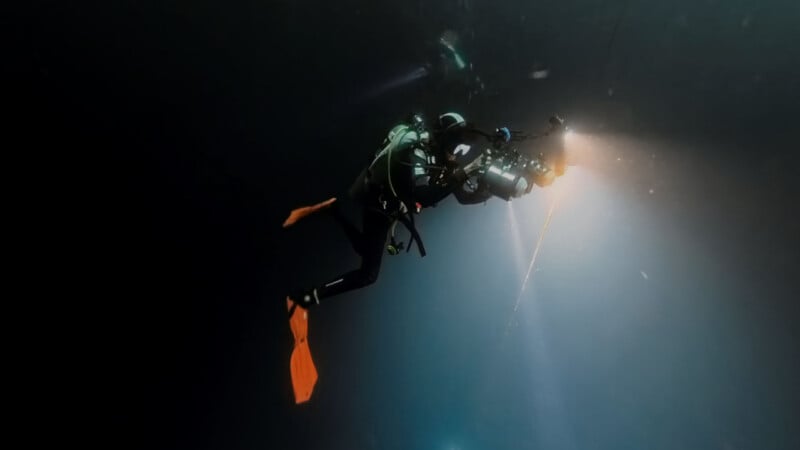
Pari’s award-winning photographs were captured during a blackwater dive in the Philippines, a highly specialized and often challenging form of underwater photography. Blackwater diving involves suspending oneself in the open ocean at night, typically over abyssal depths, to observe and photograph the transient creatures that migrate upwards from the deep sea to feed on plankton. This environment presents unique photographic hurdles, including darkness, constant movement of subjects, and the need for specialized lighting techniques.
Describing the experience, Pari noted, "We were in the middle of the ocean, waiting for creatures to come up at night." His initial approach involved standard flash photography, yielding clear but conventional shots. However, inspired by existing techniques, he experimented with slow shutter speeds during his blackwater dives. "I tried it with normal flash, and it was kind of wonky. It wasn’t organized, everything was all over the place," he recalled.
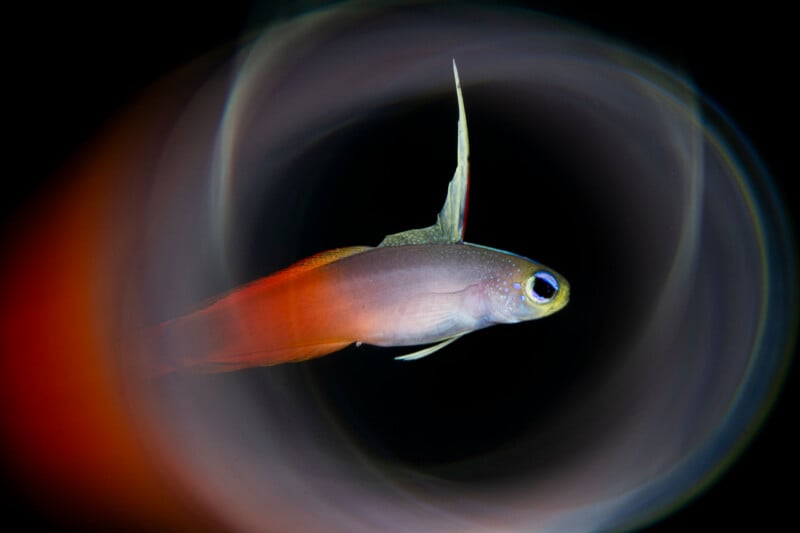
This led to a moment of brilliant improvisation. Pari adapted by using a video light in conjunction with colored filters during the slow shutter exposure, then finishing the shot with a flash to retain detail. This innovative technique allowed him to create the surreal, dreamlike quality evident in his winning images, where subjects appear suspended in ethereal light trails against a dark backdrop. This inventive approach not only demonstrates his technical prowess but also his ability to adapt and innovate under demanding conditions.
A Deep-Rooted Passion: The Evolution of an Underwater Photographer
Pari’s immersion in the underwater world began at the earliest possible age. He started scuba diving at 10, immediately after becoming legally eligible, and swiftly earned his certification. This was followed by a diving rescue certification, underscoring his commitment to safety and proficiency in the aquatic environment. His early experiences with simple action cameras, aimed at documenting his dives, quickly evolved into a serious pursuit of photography.
"I always had an action camera," Pari stated. "I just thought I would record what happened out there." However, when his initial underwater photographs proved less than satisfactory – "really bad," as he candidly admits – a drive for improvement was ignited. "I had to improve," he laughed. "Then it went on, and I started really liking it." This period of self-critique and relentless practice laid the foundation for his technical mastery.
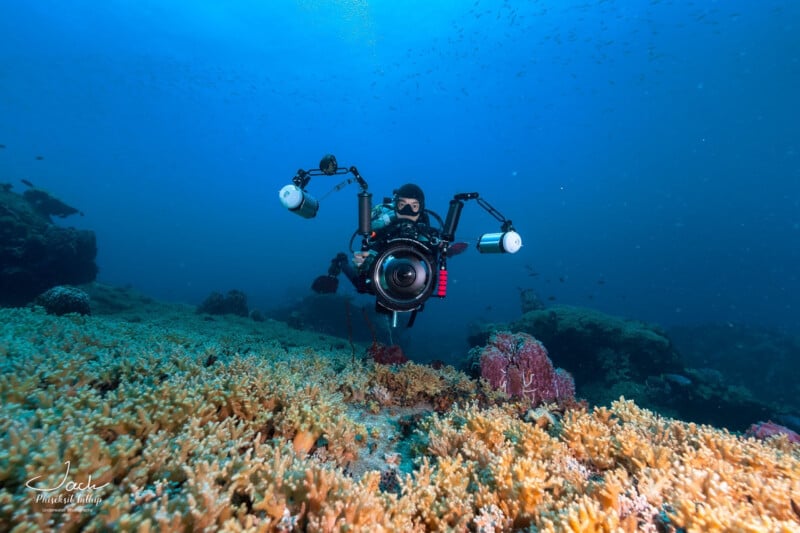
His current equipment setup reflects his professional aspirations: a Nikon Z8 camera paired with a Nikkor Z MC 105mm f/2.8 VR S macro lens. He utilizes a dual-setup of Kraken strobes for illumination and a video light for continuous light. Notably, his preference for a macro lens over the more traditional wide-angle lenses used in underwater photography stems from his focus on capturing intricate details of smaller marine life. "I need to get really close-up shots of tiny subjects, and if I need more space, I can always swim farther away," he explained. This strategic choice allows him to highlight the often-overlooked beauty of the ocean’s smallest inhabitants.
Navigating the Depths: Challenges and Triumphs in Underwater Photography
Underwater photography is an inherently demanding discipline, requiring a rare confluence of advanced diving expertise and sophisticated photographic skills. Pari acknowledges the significant challenges, stating, "It’s hard because you can’t control a lot of things. You can control the light, but you can’t control the water. If the water isn’t cooperating, it’s really hard to do anything." Factors such as water clarity, currents, and the unpredictable behavior of marine subjects add layers of complexity to every dive.
"The subject is moving, we’re moving, and sometimes the conditions aren’t great. You’re just not always going to get photos, and that’s really disappointing," Pari remarked. This reality underscores the patience and resilience required to excel in this field.
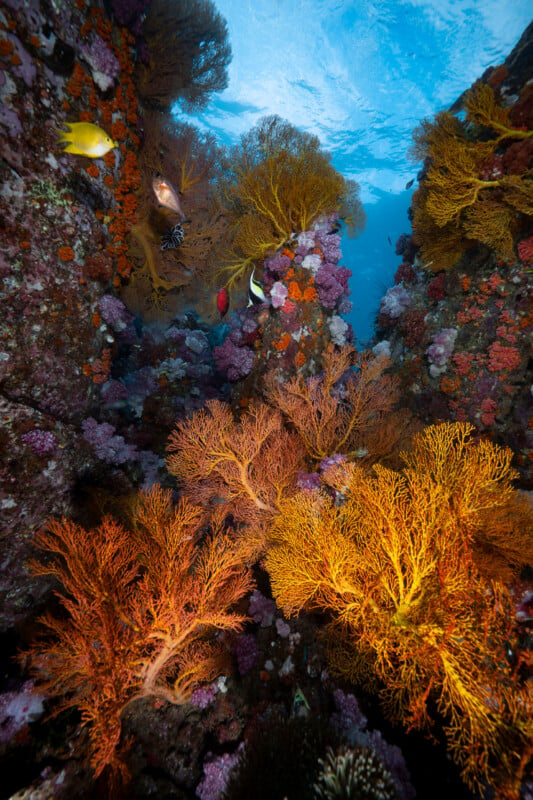
Beyond technical challenges, Pari demonstrates a profound respect for his subjects. As an Ocean Ambassador for the Manta Trust and a Young Shark Ambassador for Fins Attached Marine Research and Conservation, he prioritizes the well-being of marine life. He never stresses his subjects, preferring to wait for them to approach him naturally. This ethical approach, while commendable, adds another dimension to the photographic process, demanding heightened readiness and an intuitive understanding of animal behavior.
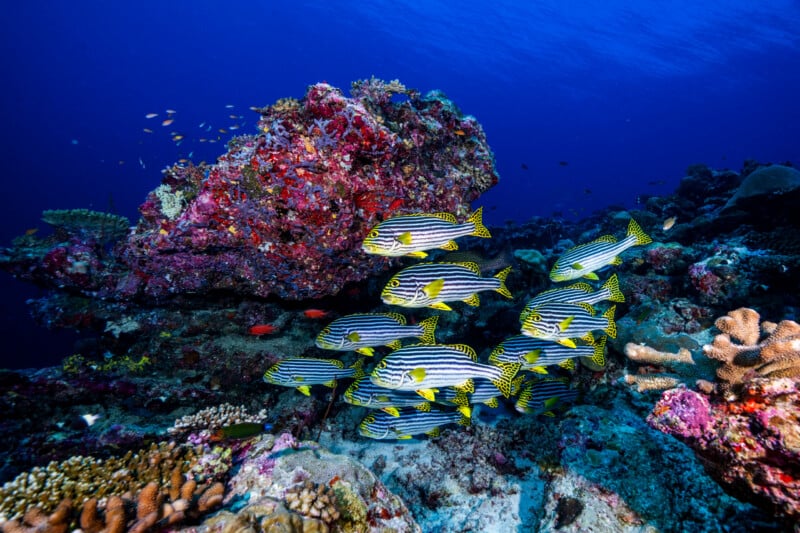
"I practice on the person next to me or a rock or something to make sure the settings are perfect first, because a shark isn’t going to stick around long," Pari explained, illustrating his preparedness for fleeting encounters with large marine animals. This meticulous preparation ensures he is ready to capture critical moments when opportunities arise.
A Lifelong Commitment: Protecting the Ocean Through Art
Pari’s passion for the ocean is the driving force behind his photographic endeavors. "I have always liked the ocean, spending time in the ocean," he shared. "Long before I started diving, I knew I had to do something to pay back what the ocean gave to me." This deep-seated sense of responsibility has led him to use his artistic platform for ocean conservation.
His recent photo exhibition in Bangkok, titled "Pay Back to the Ocean," exemplifies this commitment. "Other people do stuff with data and science and awareness. But I just thought that photography – I enjoy photography – so I want to use that and do something good for the ocean," he stated. Through his stunning imagery, Pari aims to foster a greater appreciation for marine ecosystems and inspire action towards their protection.
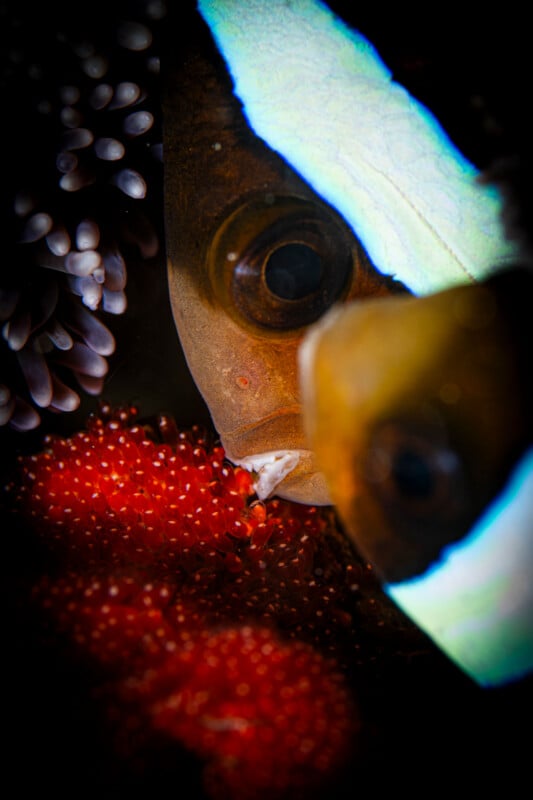
While his talent is undeniable and his future in professional photography appears bright, Pari harbors a nuanced perspective on his career path. "I want to improve, I want to get better," he said of photography. "But I also want to enjoy it in a way that it might not be the number one job in my life. Because when it becomes a commitment, and something I have to do a lot, I won’t enjoy it as much. I think it’s a number one hobby, but not everything in my life."
Despite this sentiment, his dedication to the ocean remains unwavering. He expresses a strong desire to pursue a career related to marine science, though he is still exploring his options. Regardless of his ultimate career choice, Pari’s skills, passion, and commitment to the marine environment suggest he will continue to make significant contributions.
Readers can follow Panitbhand Paribatra "Pari" Na Ayudhya’s ongoing underwater photography adventures and conservation efforts on Instagram at @pelagic_captures and by visiting his website at www.pariocean.com. His journey is a powerful reminder of the impact that young, dedicated individuals can have on both the art world and the critical environmental issues facing our planet.
Image credits: All photos by Panitbhand Paribatra "Pari" Na Ayudhya.