Discovery of Leopardus Tilcayo Marks First New Living Cat Species Identified in Over a Century

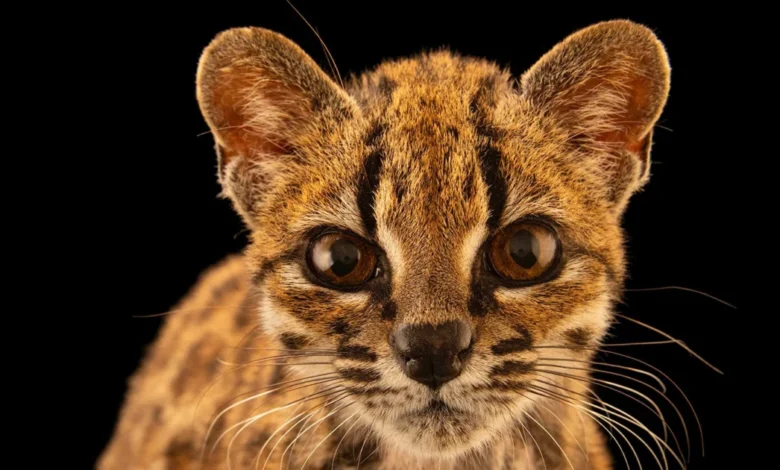
A decade-long scientific mystery originating from a chance roadside encounter in the Bolivian Andes has culminated in a historic milestone for mammalogy. Researchers have officially unveiled Leopardus tilcayo, a diminutive, spotted wild cat that represents the first newly described living feline species in more than 100 years. The formal identification, detailed in a study published today in the journal Current Biology, shatters long-held assumptions regarding the completeness of modern feline taxonomy and underscores the vast, undocumented biodiversity still hidden within South American ecosystems.
The journey toward this landmark discovery began ten years ago when a local resident traveling along a remote forest road in Bolivia rescued a tiny, unattended kitten. Initially mistaking the animal for a standard domestic cat, the rescuer brought the animal home. However, as the kitten matured, its distinct wild traits—ranging from an unusual facial structure to aggressive predatory instincts unsuited for domestic life—became apparent. Recognizing that the animal belonged in the wild, the rescuer surrendered it to the Senda Verde wildlife sanctuary located in Coroico, Bolivia.
A Chance Encounter Sparks a Decade of Investigation
News of the unusual arrival quickly circulated among regional conservationists. Paola Nogales-Ascarrunz, a National Geographic Explorer, biologist, and founder of the Programa de Investigación de Félidos Bolivia (Bolvian Felids Research Program), received a phone call regarding what sanctuary workers colloquially described as a "weird cat." Intrigued, Nogales-Ascarrunz traveled to Senda Verde to inspect the animal firsthand.
"I took a hundred pictures of it," Nogales-Ascarrunz recalls. "I was so fascinated."
At the time of the initial encounter, science had no category for what Nogales-Ascarrunz was viewing. Initially, she and other local experts categorized the animal provisionally as a tiger cat (Leopardus tigrinus), an elusive and poorly understood small feline native to Central and South America. However, the physical anomalies presented by the Senda Verde specimen lingered in the back of the biologist’s mind.
The turning point occurred in 2019 while Nogales-Ascarrunz was compiling educational material for an informational booklet focused on the wild cat species of Bolivia. Upon re-examining her comprehensive photographic archive from 2016, anatomical inconsistencies became glaringly apparent. The facial proportions, ear morphology, and coat patterning did not align with known variants of Leopardus tigrinus or any other recognized species within the genus Leopardus.
"This is so wrong," she thought, sparking a rigorous re-evaluation that would ultimately dismantle existing taxonomic boundaries.
Genetic Analysis and Scientific Verification
Proving the existence of an entirely new species of mammal requires rigorous adherence to scientific standards, extensive peer review, and advanced genomic testing. Recognizing the limits of her initial morphological observations, Nogales-Ascarrunz partnered with prominent geneticist Eduardo Eizirik of the Pontifical Catholic University of Rio Grande do Sul (PUCRS) and study co-author Jonas Lescroart of the University of Antwerp.
The research team embarked on a multi-year genetic profiling initiative. By extracting and sequencing DNA samples from the sanctuary cat and comparing them against extensive genetic databases containing markers from various South American small cats, the researchers uncovered a profound divergence. The genomic data confirmed that the cat was not a regional subspecies or an isolated genetic anomaly of Leopardus tigrinus, but an entirely distinct evolutionary lineage.
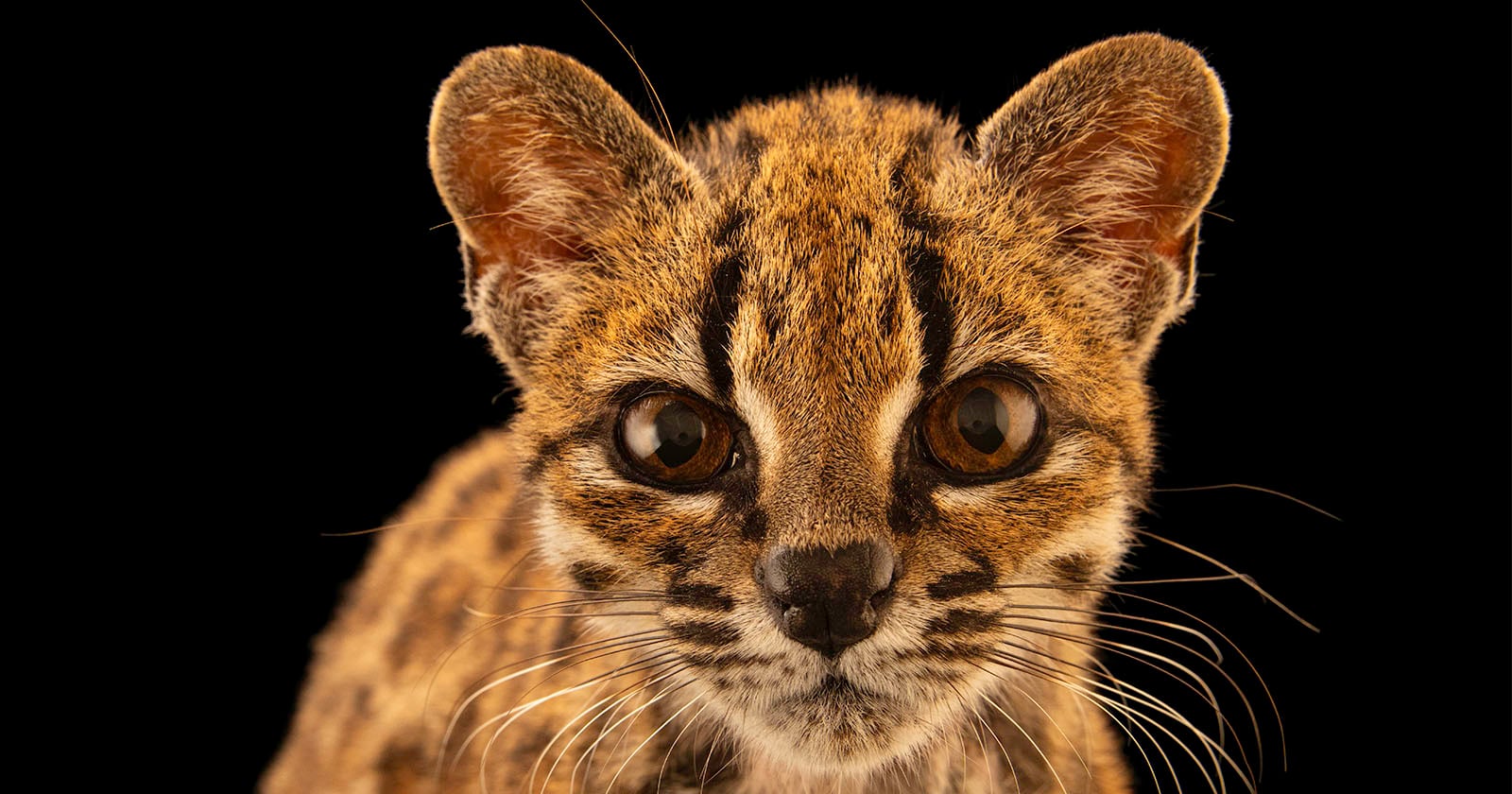
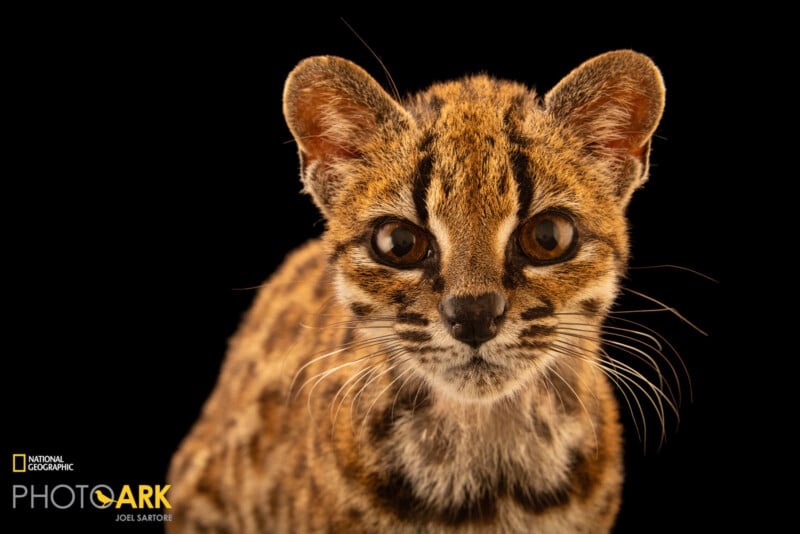
Morphologically, Leopardus tilcayo possesses distinct physical characteristics that set it apart from its close relatives. Weighing just a few pounds—significantly less than the average domestic housecat—the species features a remarkably small, scrunched-up facial structure, short and rounded ears, prominent tactile whiskers, and a dense coat adorned with striking, leopard-like rosette spots.
The formal description process, spanning nearly ten years from the initial rescue to publication, highlights the meticulous nature of modern taxonomy. In an era where satellite mapping and global positioning systems suggest that nearly every corner of the earth has been explored, the discovery of a new mammal species—particularly within a family as heavily studied as Felidae—is an exceedingly rare event.
Broader Implications for Conservation and Biodiversity
The identification of Leopardus tilcayo carries profound implications for global conservation strategies. While the discovery introduces a thrilling new chapter to mammalian biology, it simultaneously raises critical concerns regarding the preservation of fragile Neotropical habitats.
Eduardo Eizirik emphasized the cautionary tale underlying the breakthrough. "Showing the general public that even in a flagship group such as cats, there are still new species to be discovered may transmit an important message," Eizirik noted. "There are many undiscovered species out there in the world, and they are at risk of disappearing before we even discover them."
South American ecosystems, particularly the forested slopes and Yungas regions of the Andes, face compounding pressures from deforestation, agricultural expansion, infrastructure development, and climate change. Because Leopardus tilcayo was discovered via a single individual rescued as an orphan, scientists currently possess zero empirical data regarding its native population size, geographic distribution range, exact dietary habits, reproductive cycles, or interspecies competition dynamics within the wild.
Conservation biologists warn that if a distinct feline species can remain undetected by science until stumbling into a human settlement, countless smaller, less conspicuous organisms—such as amphibians, insects, and specialized flora—may face extinction before researchers can document their existence.
Current Status and Future Research Priorities
Following its formal classification, Leopardus tilcayo has achieved immediate recognition within the scientific and conservation communities. Notably, the original feline discovered a decade ago on the Bolivian roadside has been immortalized through the lens of renowned National Geographic photographer Joel Sartore. Sartore traveled to the Senda Verde wildlife sanctuary to photograph the surviving cat for the acclaimed Photo Ark project, a multi-year global initiative dedicated to documenting every captive animal species in human care to inspire conservation action.
Despite this milestone, the scientific community emphasizes that the work has only just begun. Field biologists are now tasked with designing targeted surveys in the remote Andean forests of Bolivia and potentially neighboring countries to locate wild populations of Leopardus tilcayo. Understanding where these cats live, how many individuals remain, and what ecological threats they face will dictate whether immediate protective measures must be implemented under international wildlife treaties.
For now, the revelation of Leopardus tilcayo serves as a powerful reminder of the natural world’s enduring capacity for surprise, underscoring the vital importance of continued habitat protection, taxonomic research, and grassroots wildlife rescue operations across South America.
Related posts: