EarFun Wave Pro X Review: Feature-Rich Flagship Headphones Deliver Comfort and Connectivity but Flounder in Audio Tuning

The personal audio market has long been a battleground of compromises, where consumers are frequently forced to choose between exhaustive feature sets, premium build quality, and pristine acoustic performance, particularly within the competitive sub-$150 price category. EarFun, a brand widely recognized for punching above its weight class by offering flagship-grade specifications at budget-friendly price points, has returned with its latest flagship contender: the EarFun Wave Pro X. Priced at $130 and available in a sleek matte black finish, these over-ear headphones arrive with an ambitious hardware configuration. They boast a novel dual-dynamic driver architecture, an eight-microphone array dedicated to advanced voice pickup and active noise cancellation (ANC), and an almost bewildering array of high-resolution audio codecs, including aptX Lossless and LDAC. Furthermore, the inclusion of Bluetooth LE Audio, Auracast support, and both digital and analog wired inputs positions the Wave Pro X as an exceptionally versatile communication and entertainment tool. However, as comprehensive evaluations of audio hardware continually demonstrate, a specification sheet rich in technical triumphs does not automatically translate into a cohesive listening experience. This exhaustive review examines the design, software ecosystem, acoustic performance, and market implications of EarFun’s newest flagship audio offering.
Design, Ergonomics, and Build Quality
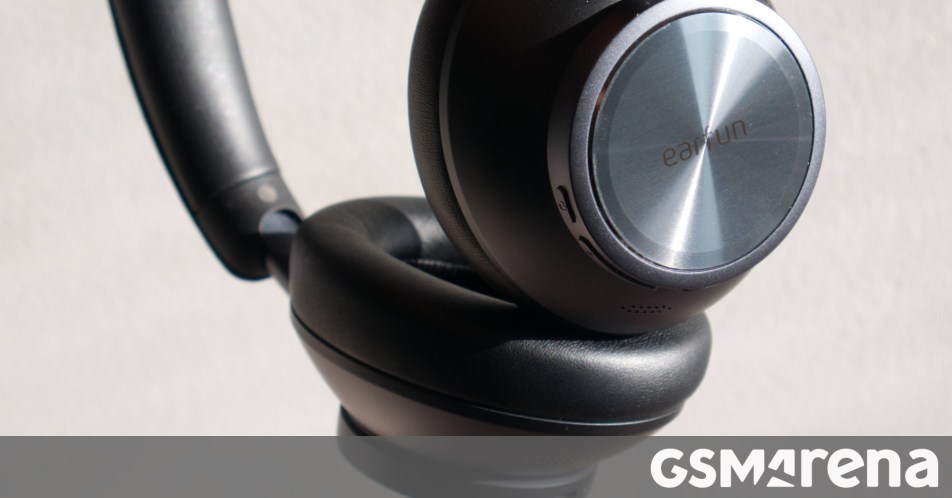
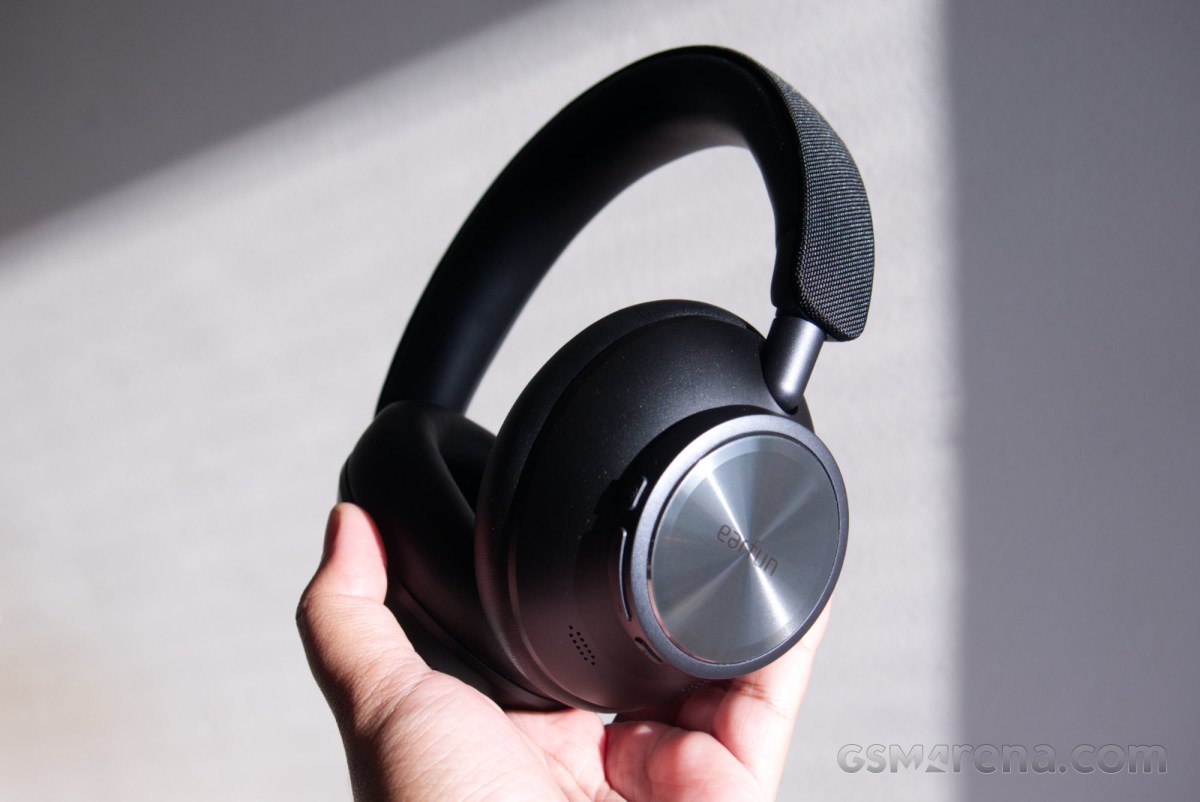
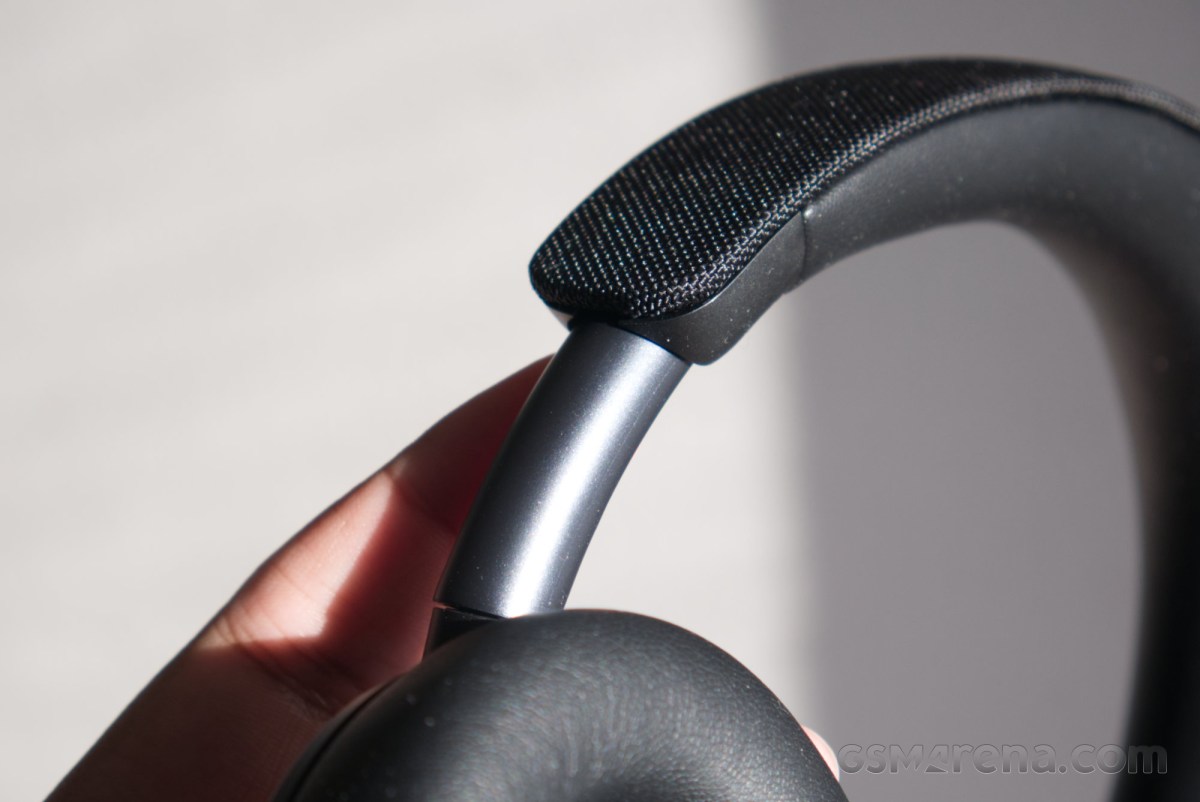
From the moment unboxed, the EarFun Wave Pro X project a sophisticated, modern aesthetic that easily rivals competitors priced significantly higher. The headphones feature a minimalist yet contemporary design language characterized by angled earcups coated in a smooth matte finish, contrasted dynamically by outer circular plates featuring a reflective, spun-metal texture. The structural integrity of the headset is anchored by adjustable yokes that slide with a reassuringly firm tactility, allowing the earcups to fold inward for enhanced portability. This structural thoughtfulness is complemented by a robust, hard-shell carrying case included in the retail packaging alongside a USB-C charging and data cable and a standard analog audio cable.
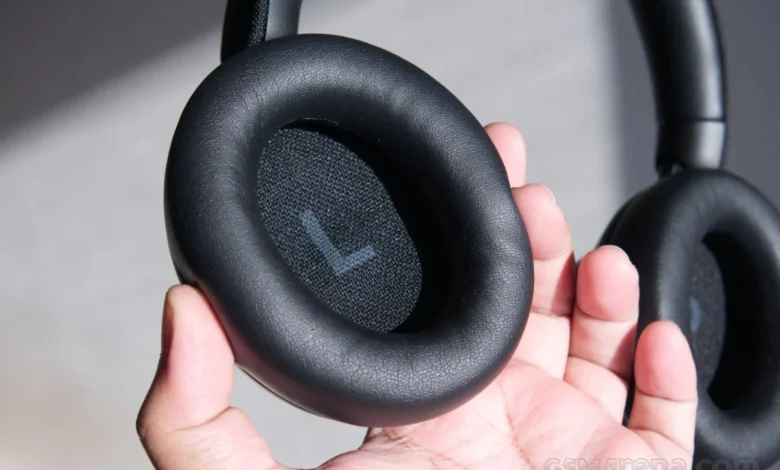
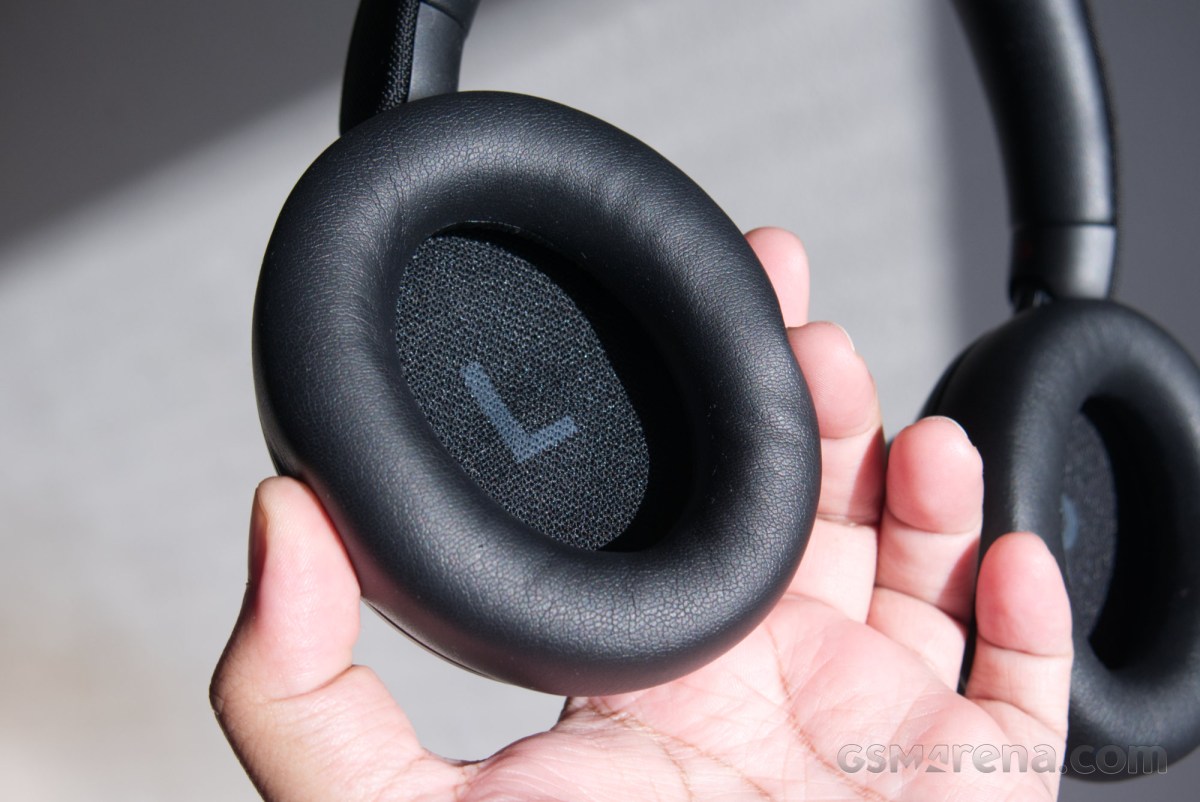
Ergonomically, the Wave Pro X prioritize prolonged listening sessions. The headband integrates dense foam padding on the underside wrapped in a tactile, fabric-like exterior that evenly distributes weight across the crown. Weighing in at a reasonable figure for a full-sized over-ear headphone, the device avoids creating localized pressure points or inducing neck fatigue during extended periods of use. The earcups are lined with plush foam padding encased in soft material, boasting sufficient depth to ensure that the internal speaker grilles do not physically press against the user’s outer ears.
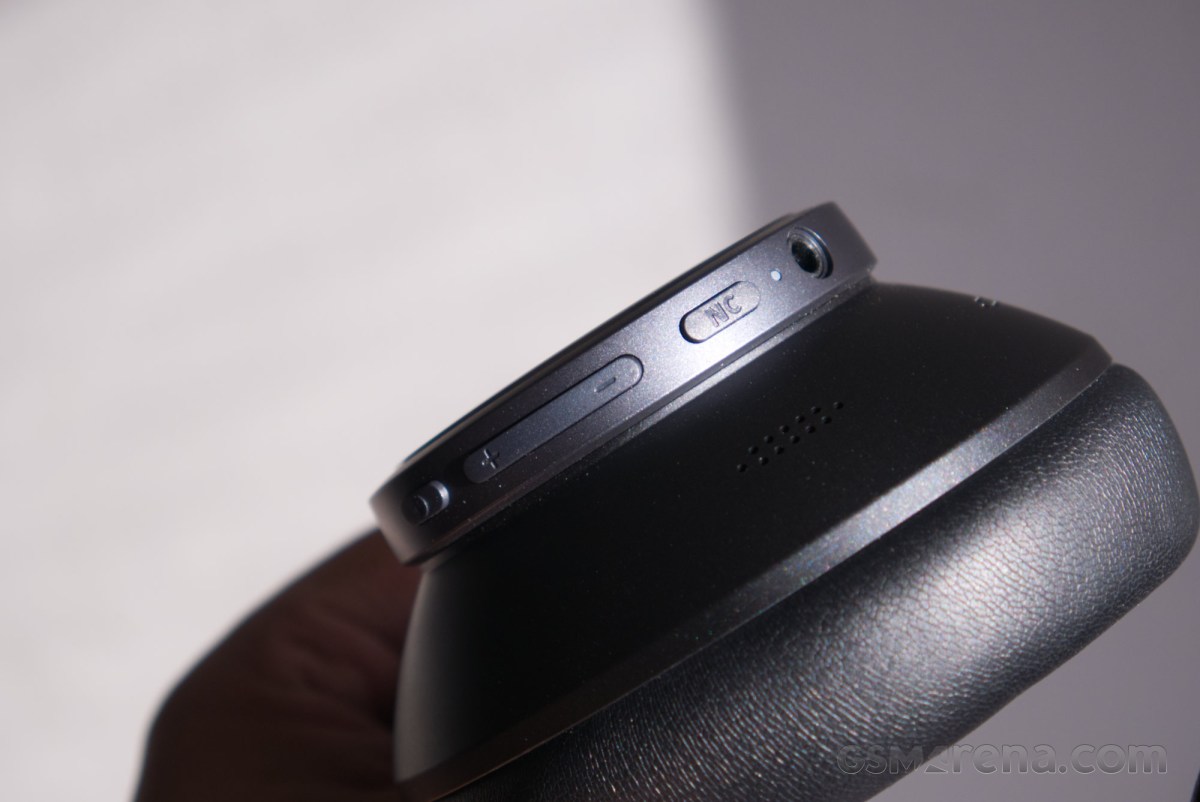
Nevertheless, certain compromises inherent to closed-back acoustic designs are present. The tight seal required to facilitate passive noise isolation naturally traps heat, leading to potential discomfort and warmth during use in elevated ambient temperatures. Practicality extends to the physical controls, which are consolidated neatly along the edge of the right earcup. The buttons deliver a satisfying, distinct click response. Because the left and right channels are clearly demarcated on the interior fabric, and the controls are exclusively hosted on one side, users can easily orient the headphones tactilely even in total darkness. While the robust construction handles everyday transit with ease, the lack of official weather-resistance ratings dictates that users must exercise caution around moisture, rendering them unsuited for outdoor use in heavy rain or near aquatic environments.
Software Ecosystem and Advanced Feature Integration
The accompanying EarFun Audio application, compatible with both Android and iOS platforms, serves as the central command hub for the Wave Pro X. Built with a clean, straightforward graphical user interface, the software grants users granular control over virtually every aspect of the hardware’s operational parameters. Through the application, consumers can toggle and adjust multiple levels of active noise cancellation, customize audio signatures via a multi-band equalizer featuring various presets, and activate a low-latency game mode designed to minimize audio-visual delay during interactive media consumption.
Connectivity management is similarly robust, allowing users to oversee multi-point pairing states, inspect connected Bluetooth codecs, modify voice prompt languages and volume levels, and reconfigure physical button shortcuts. EarFun has also integrated forward-looking functionalities such as Bluetooth LE Audio and Auracast settings, ensuring the headphones remain relevant as broadcast audio standards evolve across the consumer electronics landscape.
However, the software experience is not entirely frictionless. EarFun has elected to gate two specific functionalities—an AI translation tool capable of interpreting incoming spoken audio streams in real-time and a Professional EQ customization suite—behind a mandatory user account registration wall. While the core features remain accessible without signing in, this requirement introduces a layer of data-sharing friction that privacy-conscious consumers may find frustrating. Despite this caveat, the depth of software integration remains commendable for a $130 audio product, offering a level of customizability typically reserved for premium tier competitors.
Acoustic Architecture and Performance Analysis
Under the hood, the EarFun Wave Pro X feature a sophisticated dual dynamic driver layout. This configuration pairs a substantial 40mm dynamic driver dedicated to handling low-frequency reproduction with a smaller 10mm Liquid Crystal Polymer (LCP) dynamic driver engineered to manage high frequencies. Connectivity and signal fidelity are supported by an exceptionally broad suite of Bluetooth codecs, spanning SBC, LC3, AAC, aptX, aptX Adaptive, aptX HD, aptX Lossless, and LDAC. For users preferring wired configurations, the headphones support direct analog connections alongside a digital USB-C connection powered by an internal USB Digital-to-Analog Converter (DAC) capable of handling streams up to 16-bit/48kHz.

Despite the formidable hardware foundation and extensive codec support, the acoustic performance of the Wave Pro X represents a significant point of disappointment. The overall sound profile is heavily colored, leaning toward an overly dark and muffled presentation. This acoustic signature stems from a combination of an over-boosted mid-bass region coupled with a pronounced deficiency in upper-midrange and lower-treble energy—specifically failing to account for what audio engineers term "pinna gain."
To understand the root cause of this acoustic shortfall, one must examine the physiological interaction between human anatomy and sound waves. The human outer ear (the pinna) naturally amplifies frequencies roughly between 1 kHz and 8 kHz due to its physical geometry, an evolutionary adaptation that helps humans localize sounds in space. Loudspeakers placed in an open room sound flat and natural because the sound waves interact with the listener’s outer ear before entering the ear canal. Conversely, traditional over-ear and in-ear headphones bypass this natural amplification stage by delivering acoustic energy directly into the ear canal. Consequently, headphone manufacturers must artificially tune their drivers with a brighter frequency response in the upper mids and lower highs to replicate natural perception.
Unfortunately, the Wave Pro X—much like their predecessor, the original Wave Pro—fail to incorporate adequate pinna gain tuning. Instead, EarFun has persisted with an excessively warm sound signature. When combined with elevated lower frequencies, this lack of upper-midrange energy results in a muddy, congested timbre. While the lower-mids and general instrument timbre demonstrate pleasant warmth, the absence of treble sparkle renders complex tracks dull, lifeless, and unengaging.
This frequency suppression directly degrades technical performance metrics, including perceived resolution, transient response, and soundstage imaging. Instruments lack crisp definition, and the overall presentation feels boxed-in, trapped uncomfortably close to the listener’s ears. Activating the active noise cancellation feature unfortunately exacerbates this closed-in sensation, further narrowing the perceived soundstage.

Microphone Clarity and Active Noise Cancellation
Beyond pure music playback, modern headphones are expected to double as reliable communication tools. The Wave Pro X deploy an array of eight microphones to facilitate voice calls and environmental noise suppression. In controlled, quiet indoor environments, voice transmission is reasonably clear, though slightly subdued in volume. In noisy environments, the internal processing algorithms struggle to cleanly isolate the speaker’s voice; while vocal clarity remains stable, a substantial proportion of ambient background noise bleeds through into the call. A notable inclusion is EarFun’s sidetone implementation, which routes a portion of the user’s voice back into the earcups during active calls, successfully mitigating the claustrophobic sensation frequently associated with sealed over-ear designs.

Active noise cancellation performance aligns predictably with the product’s mid-range pricing tier. The ANC system effectively dampens steady, low-frequency drone sounds commonly encountered during indoor operation or outdoor transit, such as air conditioning hums and vehicular rumble. However, higher-frequency ambient sounds inevitably penetrate the passive isolation barrier. Furthermore, the acoustic seal of the memory foam earpads is notably fragile; even slight head rotations can compromise the seal, allowing external noise to leak into the listening space and necessitating frequent manual readjustments by the user.
Broader Market Implications and Strategic Outlook

The launch of the EarFun Wave Pro X underscores a persistent challenge within the consumer audio industry: the delicate balance between feature density and core acoustic engineering. EarFun has engineered a remarkably compelling hardware package. By offering premium aesthetics, robust build quality, exceptional ergonomics, an extensive bundle of wired and wireless connectivity options, high-resolution codec support, and a comprehensive companion application at an aggressive $130 price point, the brand demonstrates formidable manufacturing capabilities.
Yet, these triumphs are ultimately overshadowed by tuning choices that fail to extract the full potential from the sophisticated dual-driver hardware. In a market saturated with alternative offerings from legacy audio brands and aggressive competitors, sound quality remains the ultimate arbiter of consumer satisfaction. If future iterations of EarFun’s over-ear lineup can successfully translate the brighter, more balanced acoustic tuning historically found in their successful earbud portfolios into a full-sized headphone format, the company will undoubtedly possess an undisputed market leader. Until then, the Wave Pro X must be viewed as a masterclass in versatility and comfort that ultimately stumbles at the finish line of acoustic execution.