Ford Motor Company Introduces New Privacy Promise to Give Drivers Control Over Connected Vehicle Data and Opt Out of Tracking

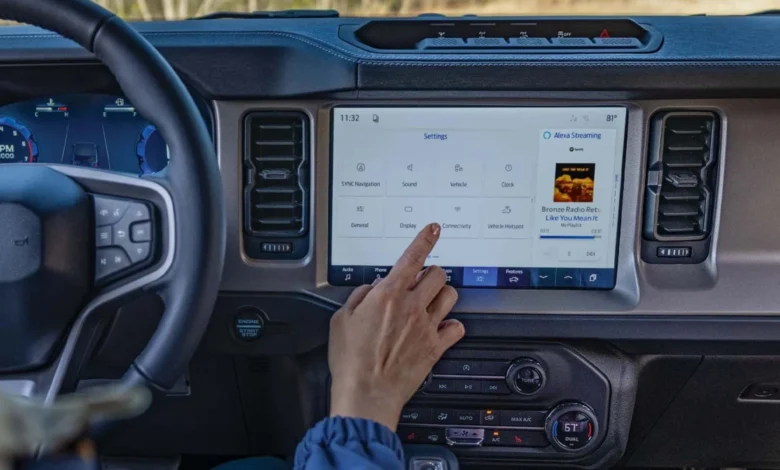
Modern automobiles have evolved far beyond simple mechanical transport into complex, rolling data centers capable of capturing an extraordinary array of telemetry. Every time a driver applies the brakes hard, navigates to a frequently visited coffee shop, or streams media through the infotainment system, massive quantities of information are generated, recorded, and transmitted back to the manufacturer. This technological shift has blurred the definitive line between traditional automotive manufacturing and Silicon Valley-style software development, forcing legacy carmakers to grapple with the immense responsibilities—and intense public scrutiny—that accompany data collection.
In response to growing consumer anxiety surrounding digital surveillance and corporate data harvesting, Ford Motor Company has launched a proactive initiative aimed at demystifying automotive telemetry. The automaker has officially introduced its new Privacy Promise website, a dedicated digital portal designed to provide vehicle owners with absolute clarity regarding what information is gathered, how that information is utilized, and—most importantly—how drivers can completely disable data-sharing features.
The Anatomy of Modern Automotive Data Collection
The sheer volume of data harvested by contemporary vehicles is staggering. According to Ford’s disclosures on its new privacy platform, connected models gather a wide spectrum of operational and behavioral telemetry depending on the specific trim level and onboard technology package. This information typically includes precise GPS location tracking, intricate driving characteristics—such as acceleration thresholds, braking intensity, and cornering speeds—alongside deep diagnostic health logs transmitted directly through both the vehicle’s embedded cellular modem and companion smartphone applications.
For years, the collection of this data occurred largely under the radar, integrated into dense, unreadable end-user license agreements that consumers routinely accepted without review. However, as connected services expanded to include over-the-air updates, cloud-based navigation, and remote vehicle management, the boundary between necessary operational telemetry and invasive behavioral profiling began to dissolve.
Ford’s Chief Privacy Officer, Kristin Jones, addressed this industry-wide tension directly in a statement to Automotive News. "Our ultimate goal is that, for someone who does not want to share any connected data with Ford at all, they can opt out and essentially create a quasi-‘80s mode car," Jones explained. "The goal is to allow people to have that old-school experience."
The Inevitable Trade-Off: Connectivity Versus Anonymity
While the prospect of flipping a digital switch to silence a vehicle’s data transmission will appeal strongly to privacy advocates, automotive engineers are quick to point out that total digital isolation carries practical consequences. Modern vehicle architecture relies heavily on bidirectional communication to deliver real-time convenience and safety features.
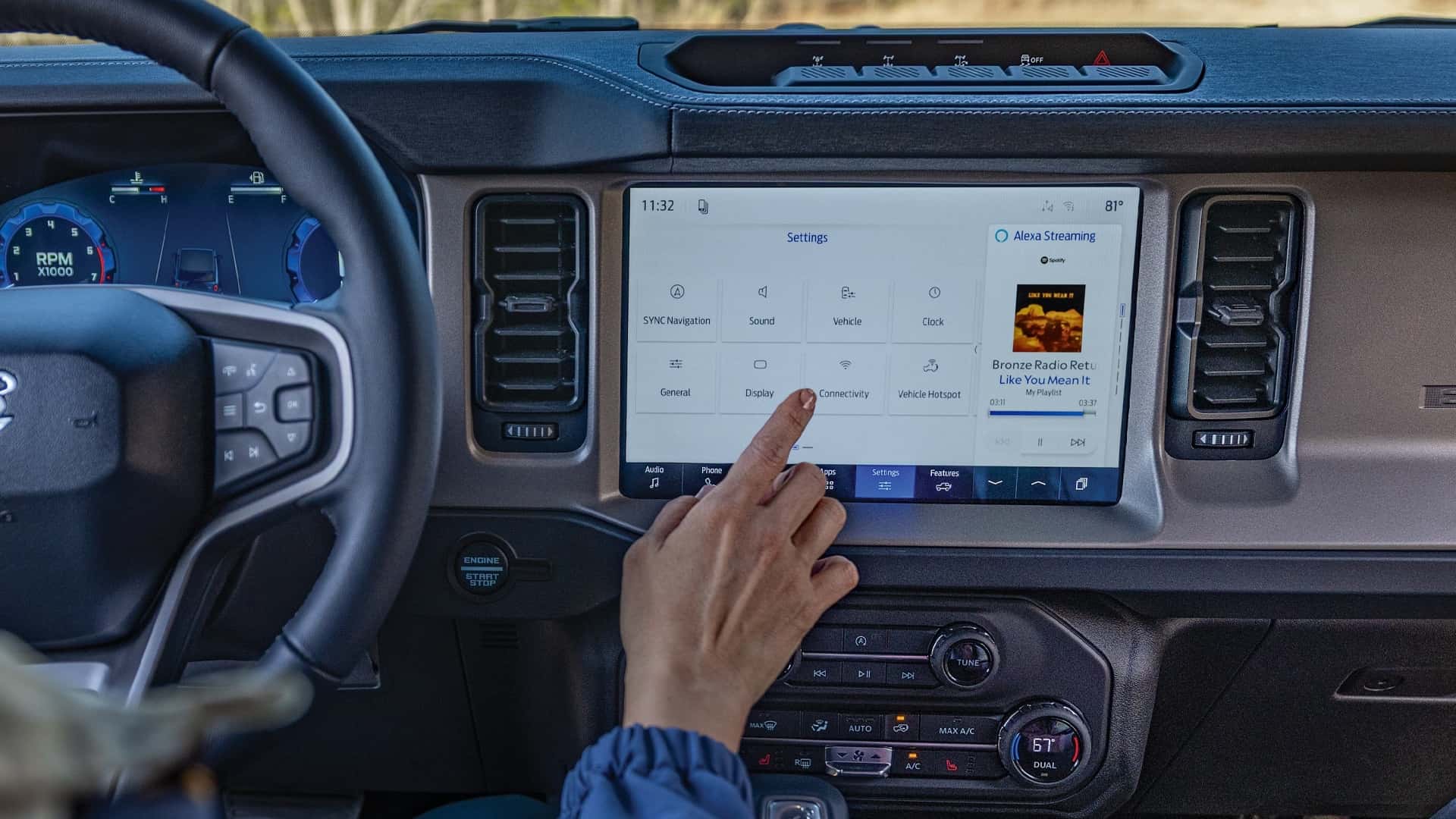
A vehicle cannot simultaneously refuse to transmit its geographic coordinates to a cloud network while demanding live, cloud-sourced traffic routing or dynamic weather updates. Consequently, owners who choose to opt out of connected data sharing will inevitably experience a reduction in vehicle functionality. Disabling connected navigation, internet access, and smartphone application integration effectively strips away the digital veneer of a modern car, reverting the driving experience back to a simpler, analog era reminiscent of the 1980s.
Beyond immediate in-car functionality, the push toward data opt-outs creates a strategic dilemma for automakers. Ford CEO Jim Farley has repeatedly emphasized that the company’s future financial model will rely heavily on recurring digital software subscriptions and connected services—particularly for affordable, mass-market electric vehicles like the upcoming Ford Fathom. If a significant percentage of buyers choose to disconnect their vehicles to protect their privacy, the addressable market for lucrative digital subscriptions shrinks proportionally, forcing automakers to rethink how they generate software-based revenue.
Regulatory Pressures and Industry Precedents
Ford’s rollout of the Privacy Promise website does not occur in a vacuum. The broader automotive industry has faced an escalating wave of regulatory investigations, consumer backlash, and high-stakes litigation concerning how driver telemetry is managed and monetized.
The urgency behind Ford’s transparency initiative is heavily underscored by recent legal milestones across the sector. Most notably, General Motors recently agreed to a staggering $220 million class-action settlement following widespread allegations that the company improperly tracked and shared driver behavior data with third-party insurance data brokers. The controversy centered on GM’s optional "Smart Driver" program, which monitored driving habits and allegedly supplied scores to analytics firms—often without explicit, informed consumer consent regarding the downstream commercial applications of that data. The legal fallout served as a watershed moment for the entire automotive industry, casting a harsh spotlight on monetization practices that prioritized corporate data brokering over consumer privacy.
In stark contrast to practices exposed in competitors’ operations, Ford has explicitly stated that it is not in the business of selling raw driver telemetry to third-party insurance brokers or data aggregators. By launching the Privacy Promise platform, Ford is attempting to build an impenetrable defensive wall of transparency, positioning itself as a consumer-first alternative in an era of heightened digital skepticism.
"The trust really comes from transparency," Jones emphasized regarding the corporate philosophy behind the platform. "It’s our job to be as radically transparent as we can be."
Implications for the Future of Personal Mobility
As automobiles transition further into software-defined platforms, the debate over who owns, controls, and profits from vehicle data will only intensify. Ford’s initiative represents a significant philosophical shift, acknowledging that modern consumers demand a tangible "off switch" for digital tracking.
However, the success of this privacy-first approach remains to be seen. Automakers are caught between two competing consumer desires: the demand for seamless, hyper-connected digital experiences and the fundamental human right to personal privacy. By offering an "‘80s mode" compromise, Ford is placing the ultimate decision squarely in the hands of the consumer.
Drivers must now weigh the convenience of live navigation, continuous cloud updates, and advanced connected features against the peace of mind that comes with complete digital anonymity. Whether other major global automakers will follow Ford’s lead and offer similar comprehensive opt-out mechanisms will likely depend on how enthusiastically consumers embrace this new era of radical transparency.