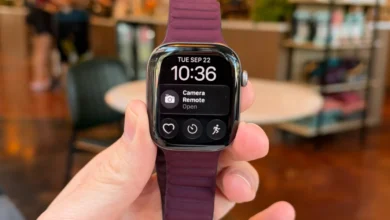
OTconnect for Apple Watch Launches for $99, Bringing Native In-Studio Tracking to Orangetheory Fitness Members

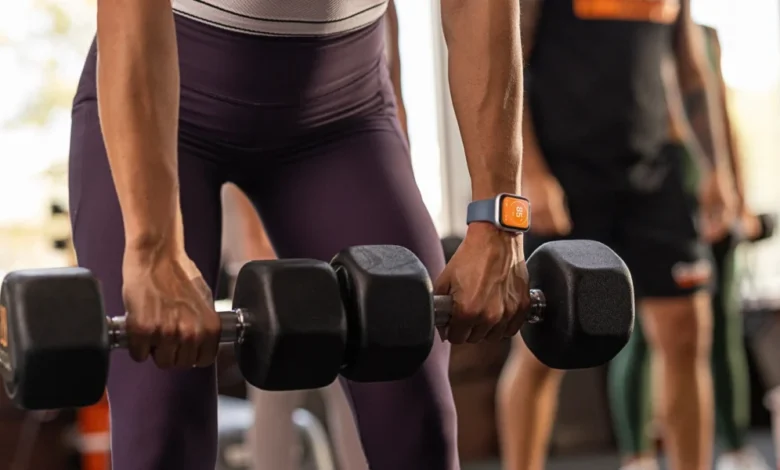
Orangetheory Fitness has officially announced the rollout of OTconnect for Apple Watch, a new software-based integration allowing fitness enthusiasts to seamlessly connect their personal Apple Watch directly to the brand’s proprietary in-studio performance-tracking systems. Scheduled to launch on October 23, the feature carries a one-time activation fee of $99 and eliminates the need for any additional third-party hardware accessories during high-intensity group workouts.
The introduction of native Apple Watch support marks a significant technological shift for Orangetheory Fitness, a globally recognized boutique fitness franchise famous for its heart-rate-based interval training (HBRIT) workouts. By integrating directly with watchOS, the company is bridging the gap between personal consumer wearables and commercial-grade gym technology, offering members a streamlined and hardware-free method to monitor their exertion levels in real time.
Main Facts and Core Features of OTconnect for Apple Watch
Under the new system, members attending an Orangetheory class can link their Apple Watch directly to the gym’s studio monitors—known internally as the OTconnect platform. Once connected, participants gain access to a comprehensive suite of real-time performance metrics projected onto the studio’s prominent display screens, as well as directly on their wrists.
The tracked data points include active heart rate, real-time heart rate zones, total active calories burned, and Orangetheory’s signature "Splat Points"—a metric awarded to members who spend at least 12 minutes of a workout in the high-intensity orange and red heart rate zones.
The workflow is designed to be frictionless. Before stepping onto a treadmill, water rower, or heading to the weight floor, members initiate their workout via their Apple Watch, which pairs automatically with the studio infrastructure. Once the session concludes, a comprehensive performance summary is instantly accessible on the Apple Watch display. Furthermore, deeper analytical insights, historical trend data, and personalized post-class summaries are delivered directly to the user via the companion OTF mobile application and email breakdowns.
To utilize OTconnect for Apple Watch, members must ensure their devices meet specific software and hardware prerequisites. The service requires watchOS 11.6 or later and is fully compatible with the Apple Watch Series 6 and newer, all Apple Watch SE models, and every generation of the Apple Watch Ultra.
To sweeten the $99 lifetime connection fee, Orangetheory has bundled promotional perks into the purchase, offering qualifying members up to two free months of Apple Music and Apple Fitness+.

Historical Context: The Evolution of Orangetheory’s Wearable Strategy
To understand the significance of the OTconnect launch, one must examine Orangetheory’s historical approach to member technology. Since its inception, the franchise has relied heavily on biometric tracking to foster a data-driven, community-focused workout environment. Members have traditionally been required to purchase proprietary chest straps, armbands—such as the OTbeat Burn—or specialized wrist monitors branded by the company to participate in the in-studio metrics display.
In December 2019, Orangetheory made its first tentative step toward supporting Apple’s popular smartwatch ecosystem by releasing the OTbeat Link. Priced at $129, the OTbeat Link was a specialized hardware accessory that physically attached to an Apple Watch band. It acted as a bridge, translating the Apple Watch’s heart rate data into a signal readable by Orangetheory’s legacy ANT+ and Bluetooth in-studio receivers.
While the OTbeat Link was initially well-received by Apple-centric members who wanted to consolidate their fitness tracking into a single device, the product faced technical hurdles. Maintaining a physical accessory that required firmware updates, specific band attachments, and regular charging proved cumbersome. Consequently, Orangetheory quietly phased out and discontinued the OTbeat Link hardware around 2022, leaving Apple Watch users without a direct, official method to sync their smartwatches to the studio screens for several years.
The development of OTconnect for Apple Watch represents a complete architectural redesign. By moving away from clunky bridge accessories and adopting a native software connection model, Orangetheory has resolved the reliability issues that plagued its previous hardware attempts while catching up to the modern standards of connected fitness.
Technical and Industry Implications
The launch of OTconnect for Apple Watch arrives at a time when the fitness industry is increasingly shifting toward software interoperability and Bring Your Own Device (BYOD) models. Rather than forcing consumers to purchase single-purpose fitness bands that sit idle outside the gym, forward-thinking fitness brands are recognizing the dominance of mainstream smartwatches like the Apple Watch, Garmin, and Samsung Galaxy Watch.
For Orangetheory Fitness, this integration addresses a major customer pain point. Many devoted Orangetheory members already wear an Apple Watch daily to track their overall health, sleep, and non-studio workouts. Requiring them to wear a secondary, gym-specific heart rate monitor was often viewed as redundant. By removing the hardware barrier, Orangetheory lowers the friction for Apple ecosystem users to engage deeply with the brand’s gamified workout metrics.
From a business perspective, the one-time $99 activation fee introduces an immediate, high-margin ancillary revenue stream for corporate and franchise locations. While some members may initially hesitate at the price tag, the elimination of recurring subscription fees for the integration—coupled with the bundled Apple Music and Apple Fitness+ promotions—positions the fee as a lifetime investment for dedicated members who attend classes multiple times a week.
Industry Analyst Perspectives and Market Response
Fitness technology analysts have largely praised the move, viewing it as a pragmatic concession to consumer habits. In the broader digital fitness landscape, companies that stubbornly cling to closed ecosystems often struggle with user retention compared to those that integrate smoothly with dominant operating systems.

"Consumers want their primary wearable to be the ultimate source of truth for their health data," noted a digital health tech strategist familiar with boutique fitness ecosystems. "By opening the doors to the Apple Watch natively, Orangetheory is acknowledging that consumers will not change their everyday tech habits for a single gym brand. Instead, successful fitness operators must meet the consumer where they are."
Furthermore, the timing aligns with continuous software advancements in watchOS. With recent iterations of Apple’s operating system offering more granular fitness metrics, training loads, and exertion scores, pairing gym telemetry with Apple’s native health tracking provides users with an exceptionally holistic view of their cardiovascular health.
Broader Impact on the Boutique Fitness Sector
Orangetheory Fitness operates over 1,500 studios globally, making it one of the largest players in the boutique fitness space. Moves made by a franchise of this scale frequently set industry standards. If OTconnect for Apple Watch proves successful in driving member engagement, boosting class performance, and generating steady auxiliary revenue, competing boutique concepts—such as Barry’s, SoulCycle, and F45—may face increased pressure to develop similar native integrations for mainstream consumer smartwatches.
Moreover, the integration highlights the growing convergence between brick-and-mortar fitness facilities and digital health platforms. Gyms are no longer just physical spaces with weights and treadmills; they are nodes in a larger digital health ecosystem where data flows seamlessly between a member’s wrist, the gym’s cloud servers, and their personal health records (such as Apple Health).
Conclusion and Next Steps for Members
As October 23 approaches, Orangetheory studios nationwide are preparing staff to assist members with the onboarding process for OTconnect for Apple Watch. Studio coaches and front-desk personnel are receiving training to troubleshoot connectivity issues, explain the pairing protocol, and help members link their watches ahead of class times.
For current Orangetheory members sporting a compatible Apple Watch Series 6 or later, Apple Watch SE, or Apple Watch Ultra running watchOS 11.6+, the new service offers an opportunity to streamline their fitness gear. By paying the $99 one-time activation fee, members can permanently retire their standalone heart rate bands, unify their workout histories, and enjoy a fully integrated, real-time visual tracking experience on the studio monitors.
As the fitness landscape continues to evolve toward total device unification, Orangetheory’s latest technological leap underscores the company’s commitment to modernizing its in-studio experience while keeping pace with the rapid advancements of consumer wearable technology.