MacBook Pro with PROLED XDR is an exciting leap forward and might replace the iPad Pro as my primary computer

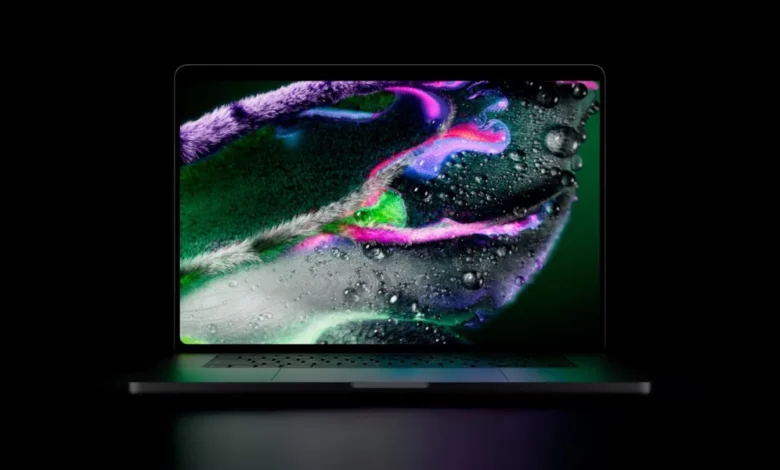
The October 2026 announcement of the redesigned MacBook Pro marks a significant architectural and design pivot for Apple’s professional computing lineup. By integrating the PROLED XDR display technology—previously reserved for high-end studio monitors—and introducing a native touchscreen interface to the Mac for the first time, Apple is signaling a convergence between its macOS and iPadOS ecosystems. This shift represents the most radical hardware update to the MacBook Pro since the transition to Apple Silicon in 2020.
The Technological Evolution of the MacBook Pro
The integration of PROLED XDR technology into the laptop form factor is a notable feat of engineering. PROLED XDR offers superior contrast ratios, deeper blacks, and peak brightness levels that surpass traditional mini-LED or standard OLED panels. By leveraging this technology, Apple is targeting creative professionals who require color-accurate, high-dynamic-range workflows on the move.
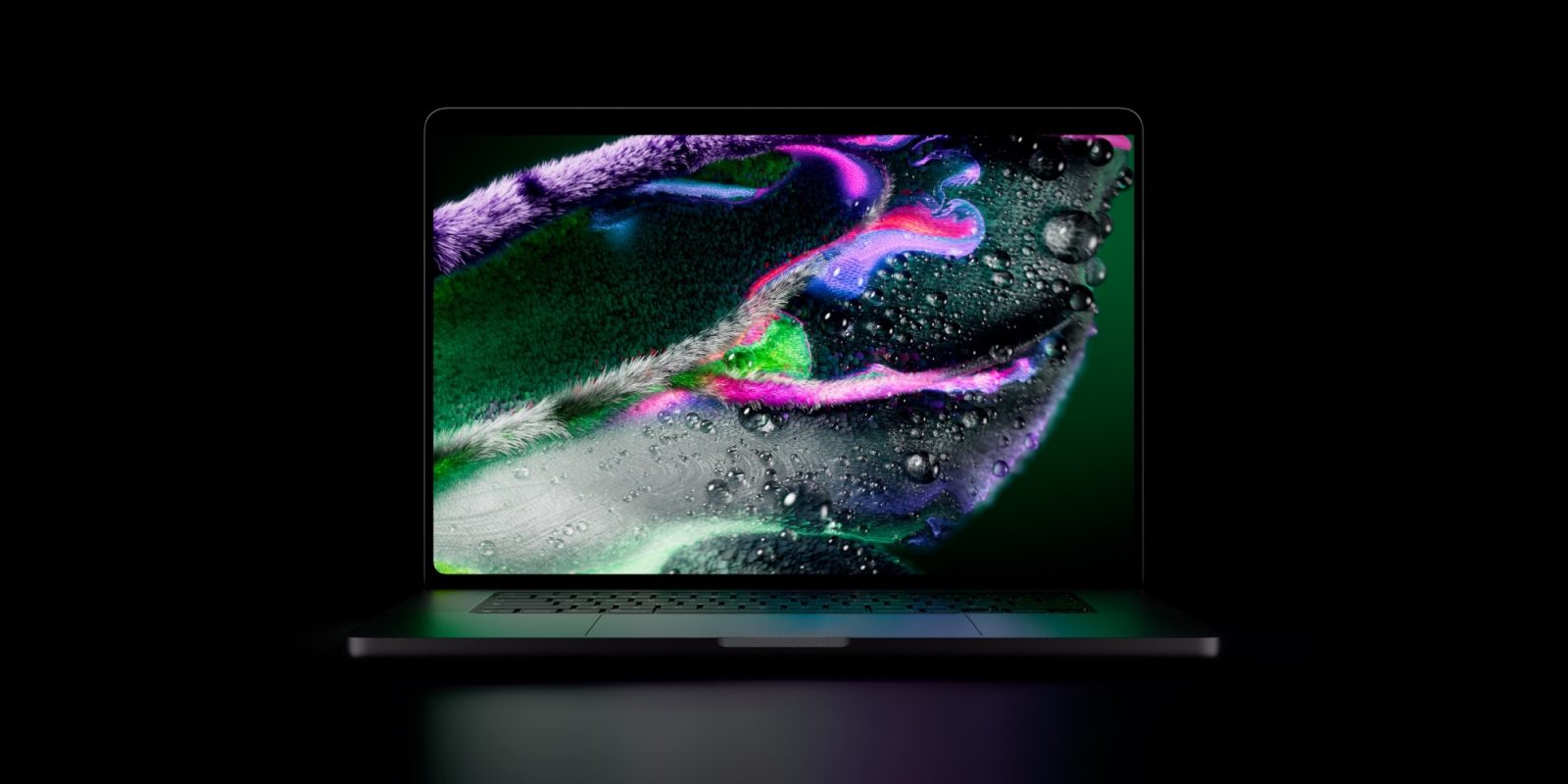
Historically, Apple has maintained a distinct boundary between the Mac, intended for productivity and complex software development, and the iPad, focused on touch-first interaction and content consumption. The inclusion of a touchscreen in this latest model challenges this long-standing product strategy. The new MacBook Pro now features a haptic-enabled, touch-sensitive glass layer over the display, supported by a specialized layer of macOS designed to handle touch inputs without sacrificing the precision of cursor-based workflows.
Chronology of the Mac Transition
The current update is the culmination of a multi-year strategy to unify Apple’s computing platforms:
- November 2020: Apple debuts the M1 chip, signaling the end of the Intel era and establishing the performance baseline for Apple Silicon.
- October 2021: Apple introduces the 14-inch and 16-inch MacBook Pro models with high-refresh-rate Liquid Retina XDR displays, setting a new standard for laptop screens.
- June 2024: Apple announces major refinements to the macOS and iPadOS kernels, allowing for greater cross-platform application compatibility.
- October 2026: The official launch of the MacBook Pro with PROLED XDR, marking the first integration of a native touchscreen and advanced display technology into the professional notebook line.
Comparative Analysis: iPad Pro vs. MacBook Pro
For users who have relied on the iPad Pro as their primary workstation, the choice between the two platforms has historically been defined by the trade-off between portability and utility. The iPad Pro offered cellular connectivity, touch navigation, and a lightweight footprint, but often fell short due to the limitations of iPadOS compared to the full-featured macOS.
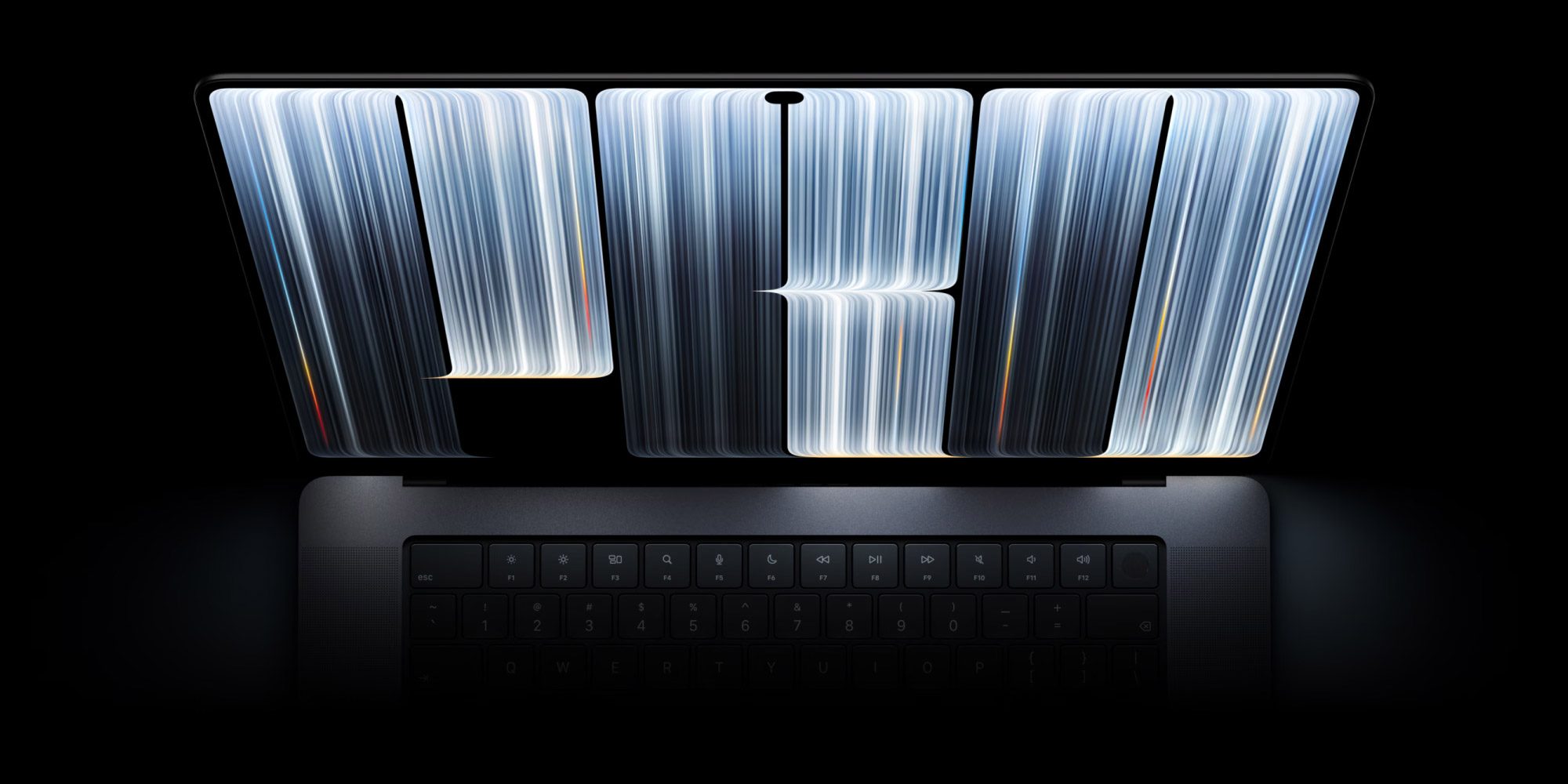
The new MacBook Pro effectively bridges this gap. By offering a similar tactile experience via the touchscreen, the device allows long-time tablet users to migrate to a desktop-class operating system without losing the intuitive interaction model they have grown accustomed to over the last decade. Data indicates that a growing segment of the professional market—particularly in creative arts and mobile content creation—has been demanding this convergence. The MacBook Pro’s ability to run complex desktop applications while offering a touch interface addresses the primary pain point for users who felt forced to choose between the two device categories.
The Persistent Gap: Cellular Connectivity
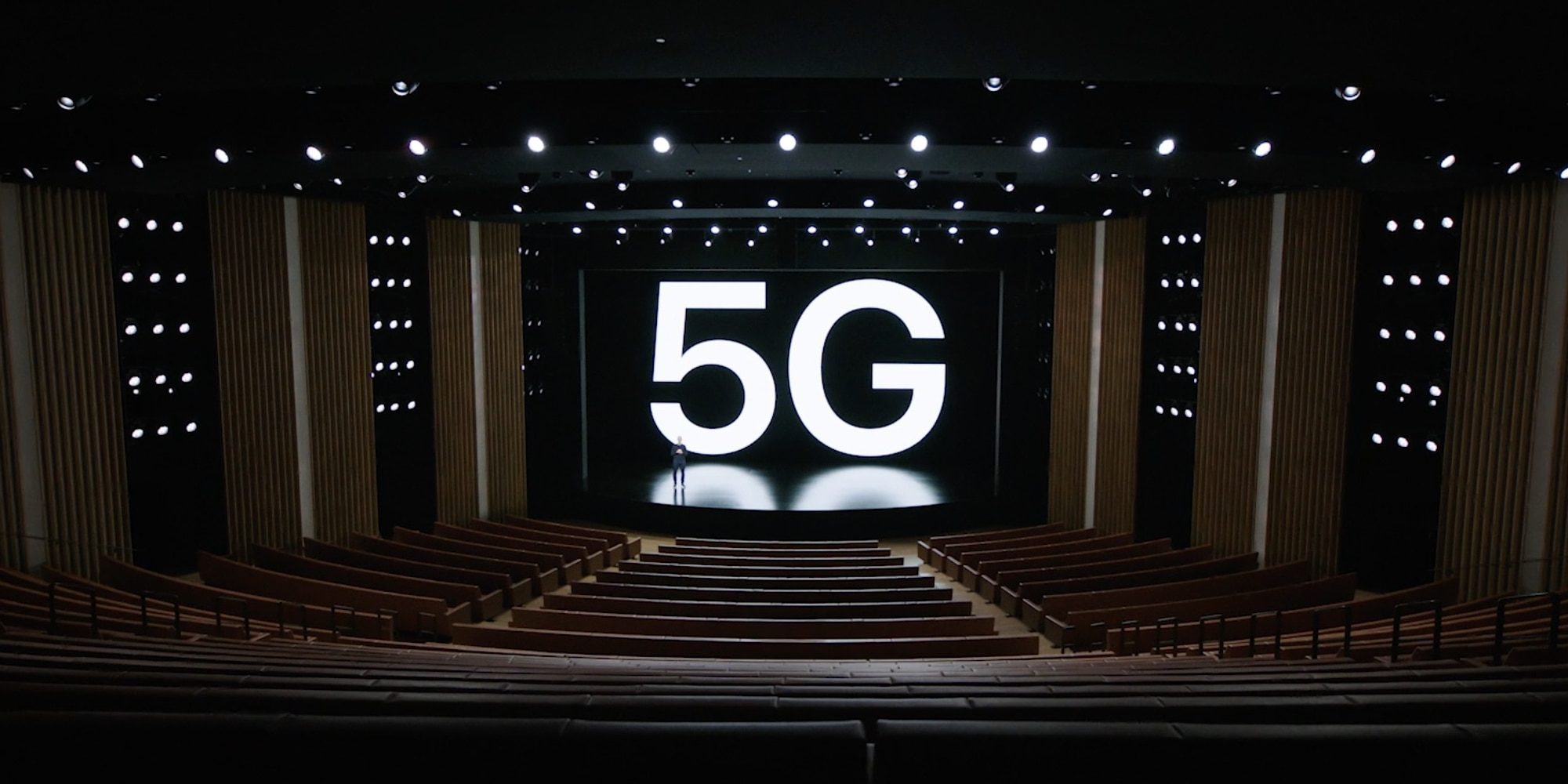
Despite the hardware advancements, the omission of native cellular connectivity remains a point of friction for mobile professionals. In an era where "anywhere-office" workflows have become standard, the reliance on external hotspots—either from an iPhone or a mobile router—remains a secondary solution that introduces potential latency and connectivity overhead.
Market analysis suggests that the inclusion of 5G modems in laptops has been historically limited by thermal constraints and power consumption requirements. Apple’s decision to omit cellular in the 2026 MacBook Pro reflects a strategic prioritization of battery life and internal chassis space. However, industry analysts note that with the continued advancement of the N1 wireless chipset, which handles sophisticated antenna switching and power management, the barrier to cellular integration is shrinking. While Apple has yet to comment on the absence of a SIM slot or eSIM integration for the laptop line, the reliance on the "iPhone Duo" or other mobile devices as a tethered bridge is expected to remain the standard for the foreseeable future.
Market Implications and Professional Adoption
The high entry price of the PROLED XDR-equipped MacBook Pro positions it firmly as a premium tool for power users. Initial supply chain reports indicate that the manufacturing complexity of the PROLED panel is the primary driver behind the device’s elevated cost.
From an enterprise perspective, the new MacBook Pro serves as a consolidation device. IT departments, which previously had to manage disparate fleets of iPads and MacBooks, may see a shift toward a singular hardware standard for mobile employees. By providing a device that functions as a high-performance workstation while retaining the mobility of a tablet, Apple is positioning the MacBook Pro as the definitive device for the modern, agile workforce.
Future Outlook
As the market absorbs the implications of the 2026 model, the industry is already looking toward how these technologies—specifically the touchscreen and PROLED displays—will trickle down to the MacBook Air and other entry-level lines.

The successful implementation of this hardware suggests that Apple is confident in its ability to manage the thermal and software requirements of a touch-capable Mac. Whether this will lead to a fully hybridized operating system remains the subject of debate among software engineers. For now, the MacBook Pro represents a calculated risk: an attempt to capture the "iPad-first" professional demographic by providing the missing pieces of the puzzle—namely, a superior display and touch interface—without abandoning the core strengths of the macOS environment.
While the lack of cellular connectivity remains a disappointment for those who work exclusively from remote locations, the overall package represents a significant leap forward in hardware design. As testing continues, the real-world performance of the N1 wireless chip in managing tethered connections will be a critical factor in determining if this device can truly replace the tablet for the nomadic professional.
For consumers, the choice is now less about which operating system is "better" and more about whether the specific hardware features of the MacBook Pro justify the premium investment. With the integration of professional-grade displays and the long-awaited touch interface, Apple has successfully moved the goalposts for what a portable computer can achieve, ensuring that the MacBook Pro remains the centerpiece of the company’s professional ecosystem.