Mass Effect fans launch global campaign to reverse EA decision and save the iconic franchise


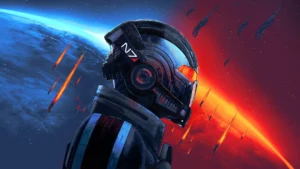
The decision by Electronic Arts to shutter BioWare and effectively terminate the development of the next installment in the Mass Effect series has ignited an unprecedented wave of fan-driven activism. Within days of the announcement, a grassroots coalition known as "We Are Mass Effect" launched a multi-tiered campaign designed to pressure EA into reconsidering the future of the critically acclaimed science fiction property. The movement has transitioned from online petitioning to high-visibility physical displays, most notably a series of digital billboards in New York City’s Times Square, signaling a shift toward real-world advocacy in the modern gaming landscape.
A Chronology of the Crisis
The current turmoil surrounding the Mass Effect intellectual property began with a sudden corporate restructuring announcement from Electronic Arts. Following a period of fiscal underperformance and internal shifts, EA confirmed the closure of BioWare, a move that sent shockwaves through the industry. The decision immediately halted all active development projects under the BioWare banner, including the highly anticipated next entry in the Mass Effect saga, which had previously served as a cornerstone of the studio’s long-term roadmap.
By late October 2026, the community response began to solidify. The "Save Mass Effect" movement, initially an organic social media trend, quickly organized under the leadership of content creators and community organizers. On October 26, the group confirmed that they had successfully secured advertising space in Times Square, located at 1560 Broadway, directly above the Pelé store in Duffy Square. This 15-second spot, scheduled to run hourly, serves as a focal point for the campaign, utilizing the phrase "Kellah Si’yah"—a reference to the quarian ship from the series—to signify a call for unity among the player base.
The Scale of the Movement
The digital footprint of this campaign is substantial. A Change.org petition, which serves as the primary instrument for quantifying public sentiment, has rapidly surged past 226,000 signatures. The document outlines a clear set of demands: EA must either resume development of the next Mass Effect title under a new internal team or license the intellectual property to a third-party developer capable of maintaining the series’ narrative integrity and quality standards.
The campaign’s financial model is entirely community-funded. According to organizers, including activist Mer Mora, the outpouring of support has necessitated the creation of a GoFundMe platform. The initiative has expanded beyond Times Square, with plans for an advertising truck to circle Electronic Arts’ headquarters in Redwood City, California, as well as a significant presence in Edmonton, Canada, where the former BioWare studio was based. Further displays are planned for N7 Day, the annual fan celebration held on November 7, and a major push is scheduled to coincide with The Game Awards in Los Angeles later this year.
Financial Stewardship and Social Responsibility
A notable aspect of the "Save Mass Effect" movement is its commitment to the broader gaming industry’s labor welfare. Organizers have explicitly stated that any excess funds raised beyond the costs of the advertising campaigns will be donated to the Game Workers’ Hardship Fund. Managed by the United Videogame Workers union (UVW-CWA), this fund provides critical financial assistance to employees affected by the recent wave of layoffs sweeping across the North American game development sector.
By aligning their cause with the plight of displaced workers, the community has attempted to frame their advocacy as both an expression of consumer passion and an act of solidarity with the developers who built the franchise. This dual-pronged approach has helped the movement gain traction beyond the core Mass Effect fanbase, drawing attention to the precarious nature of employment in the triple-A gaming industry.
Industry Context and Strategic Implications
The closure of BioWare and the cancellation of the next Mass Effect game represent a significant pivot in Electronic Arts’ corporate strategy. For over a decade, Mass Effect has been synonymous with the BioWare identity, serving as a pillar of EA’s portfolio. The decision to cut the project suggests a shift toward prioritizing lower-risk, higher-margin live service titles or mobile-oriented products, a trend that has become increasingly prevalent among major publishers in 2026.
Industry analysts suggest that while fan campaigns are historically successful in raising awareness, they rarely influence the fiscal decisions of multi-billion-dollar corporations unless they threaten the company’s bottom line or brand reputation in a material way. However, the unique nature of the Mass Effect community—which has a long history of influencing franchise direction, most notably regarding the conclusion of Mass Effect 3—gives this movement a higher-than-average probability of being acknowledged by EA’s leadership.
Expert Perspectives on Corporate Divestment
The cancellation of a "tentpole" franchise like Mass Effect raises fundamental questions about the value of legacy intellectual property. From a business perspective, shuttering a studio that holds the rights to a beloved franchise is often viewed as a "scorched earth" tactic intended to reduce overhead during financial consolidation. However, it also strips the parent company of long-term assets that possess significant brand equity.
"When a publisher cancels a title with this level of cultural recognition, they aren’t just canceling a game; they are effectively devaluing a brand that has taken decades to build," notes one industry consultant familiar with large-scale studio operations. "The fans are reacting not just to the loss of a specific product, but to the loss of the franchise’s potential to continue telling stories in that universe. The challenge for EA is determining whether the cost of maintaining that IP is worth the potential revenue of a sequel, weighed against the potential damage to their relationship with the consumer base."
Looking Ahead: The Road to N7 Day
As the movement prepares for its next major milestones, the focus remains on the upcoming N7 Day. Traditionally a day for developers to reveal concept art, character details, or trailers, this year’s iteration will likely be defined by the absence of official updates and the presence of community protest.
The organizers have emphasized that their objective is not to harass individual employees, but to lobby the decision-makers at the executive level. The use of professional advertising space and the formalization of their funding through transparent, charitable channels have granted the campaign a level of legitimacy that is rarely seen in online petitions.
Whether these efforts will compel Electronic Arts to reverse their course remains to be seen. Historically, the company has remained tight-lipped regarding the specifics of its internal development pipeline, and they have yet to release an official statement addressing the #SaveMassEffect campaign directly. For now, the "Save Mass Effect" movement continues to hold its position, utilizing the very tools of corporate marketing to challenge a corporate decision. As the industry watches, the campaign stands as a testament to the enduring influence of narrative-driven gaming and the evolving relationship between publishers and the communities that sustain their most valuable franchises.
The movement’s momentum suggests that even if the next Mass Effect game does not materialize, the conversation regarding the preservation of digital art and the treatment of studio workers will continue to be a primary point of friction between players and major publishers for the foreseeable future. The outcome of this specific campaign may well serve as a case study for future industry advocacy, determining whether public sentiment can indeed move the needle in an era of rapid studio consolidation and corporate austerity.