Department of Transportation Set to Finalize Rollback of Vehicle Fuel Economy Standards, Projected to Increase Consumer Costs and Fuel Consumption


The United States Department of Transportation is scheduled to formally finalize a significant rollback of federal Corporate Average Fuel Economy (CAFE) standards, a policy change that energy and transportation analysts warn will drive up consumer fuel expenditures and increase overall petroleum consumption. The regulatory shift alters targets established under previous administrations, reducing the required average fuel efficiency for passenger vehicles and light trucks over the coming years.
Administration officials characterize the regulatory adjustments as a necessary measure to enhance vehicle affordability and remove burdensome federal mandates for American drivers and automakers. However, internal government projections and independent industry assessments indicate that the policy will result in increased gasoline consumption, elevated pump prices, and a higher volume of carbon emissions nationwide.

Historical Context of Corporate Average Fuel Economy Standards
Federal regulation of vehicle fuel efficiency originated in the mid-1970s following the Arab oil embargo and the subsequent global energy crisis. Enacted by Congress in 1975, the Energy Policy and Conservation Act established the Corporate Average Fuel Economy (CAFE) standards. These regulations required automakers to ensure that their overall fleet of new vehicles met specific miles-per-gallon (mpg) benchmarks, balancing the production of larger, less efficient vehicles with smaller, high-mileage options.
Over the decades, these standards underwent numerous revisions, adapting to changing economic conditions, technological advancements, and shifting environmental priorities. Historically, compliance with CAFE standards drove major innovations in lightweight materials, hybrid powertrains, aerodynamics, and internal combustion engine efficiency. Manufacturers failing to meet the mandated fleet averages faced financial penalties for every noncompliant vehicle sold. Proponents of the standards argue that these regulations have historically saved consumers billions of dollars at the fuel pump while simultaneously reducing harmful air pollution and mitigating greenhouse gas emissions.
Chronology of the Regulatory Rollback
The initiative to alter current fuel economy targets began taking shape immediately following the transition of executive leadership.
- January 2025: Transportation Secretary Sean Duffy signed an initial memorandum directing the National Highway Traffic Safety Administration (NHTSA) to review existing fuel economy standards, signaling an intent to modify regulations previously projected to yield significant consumer savings.
- Late 2025: Following preliminary assessments, the administration formally proposed lowering the 2031 target average fuel economy benchmark significantly—moving from the previously established standard of 50.4 miles per gallon down to 34.5 miles per gallon.
- Early 2026: The proposal entered a mandatory public comment period. Federal docket records indicated widespread public engagement, with tens of thousands of comments submitted by consumers, environmental advocacy organizations, automotive industry representatives, and energy sector stakeholders.
- September 2026: Following review of the public record and updated regulatory impact analyses, the Department of Transportation announced that the formal rules modifying the standards would be finalized and published.
Economic and Environmental Projections
The regulatory impact analysis prepared by NHTSA and supplementary reports from the Department of Energy outline significant economic and environmental trade-offs associated with the revised standards.
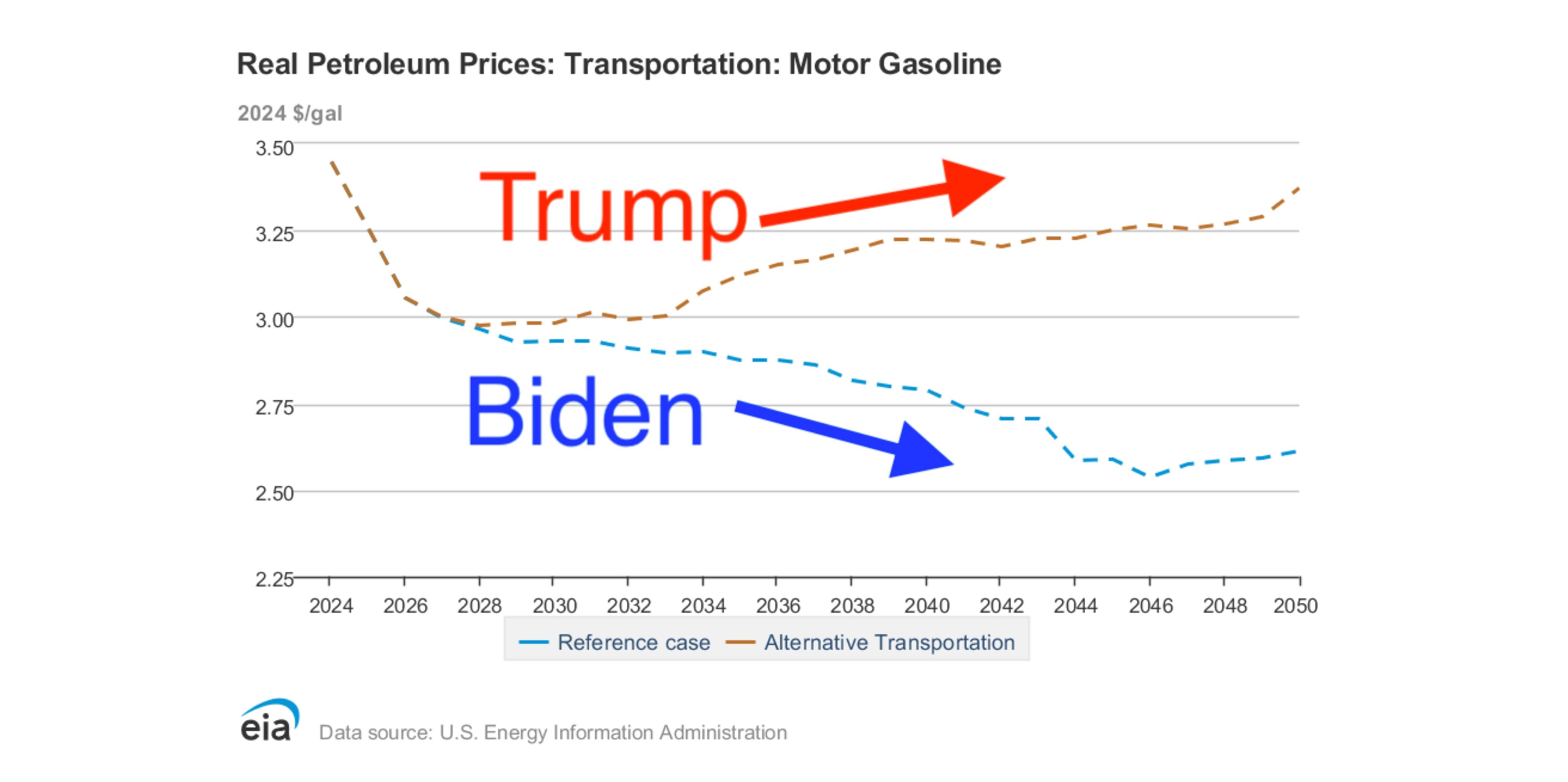
Under the updated framework, lowering fleet-wide efficiency benchmarks means that new vehicles will require more fuel to travel equivalent distances. Federal modeling indicates that total national fuel consumption could rise substantially as a direct result. Furthermore, economic analysis suggests that increased demand for petroleum products could exert upward pressure on retail gasoline prices. Department of Energy modeling estimates indicate that consumer fuel expenses could see notable increases per gallon, driven both by the lower baseline efficiency of vehicles and broader market dynamics tied to heightened demand.
From an environmental perspective, the rollback is projected to yield an increase in aggregate carbon emissions over the next decade. While administration defenders argue that lowering the stringency of efficiency mandates reduces upfront manufacturing costs and preserves consumer access to larger vehicle classes such as trucks and SUVs, environmental scientists and public health analysts contend that the resulting rise in vehicular emissions will impose external costs related to air quality degradation and climate impacts.

Industry and Stakeholder Reactions
The policy change has drawn starkly contrasting reactions from various sectors of the economy.
Automotive industry representatives have expressed nuanced views regarding regulatory flexibility. While major manufacturers have already invested heavily in global electrification and advanced powertrain technologies to remain competitive in international markets, some industry groups welcomed adjustments that align federal requirements more closely with current consumer purchasing trends, which continue to favor larger vehicle segments.
Conversely, clean energy advocates, consumer protection organizations, and environmental groups have strongly criticized the rollback. Critics argue that weakening efficiency standards runs counter to long-term energy independence goals, exposing American motorists to greater vulnerability during global oil price volatility. Legal scholars and representatives from several public interest organizations have also indicated that administrative challenges and lawsuits may be filed to contest the rulemaking, arguing that the justifications provided by federal agencies are arbitrary and fail to account for long-term consumer welfare.

Broader Implications for Energy Policy and the Automotive Sector
The finalization of the CAFE standard adjustments occurs against a complex backdrop of global energy markets and domestic industrial policy. Energy prices have remained a central concern for consumers amid fluctuating geopolitical tensions affecting international crude supply chains. Proponents of advanced efficiency standards maintain that higher vehicle mileage requirements are the most direct and effective tool for insulating consumers from energy shocks.
At the same time, the broader transition toward electric vehicles (EVs) continues to reshape the domestic manufacturing landscape. Policies concerning fuel economy are closely intertwined with federal incentives for EV adoption and charging infrastructure development. Analysts note that while regulatory rollbacks may temporarily alter the pace of internal combustion engine phase-out, global market forces, international emissions regulations, and ongoing corporate investments in zero-emission technology will continue to heavily influence the future trajectory of the automotive industry.
Related posts: