Bitrig brings interactive 3D simulation to iPhone Duo development following Xcode 27.1 beta release

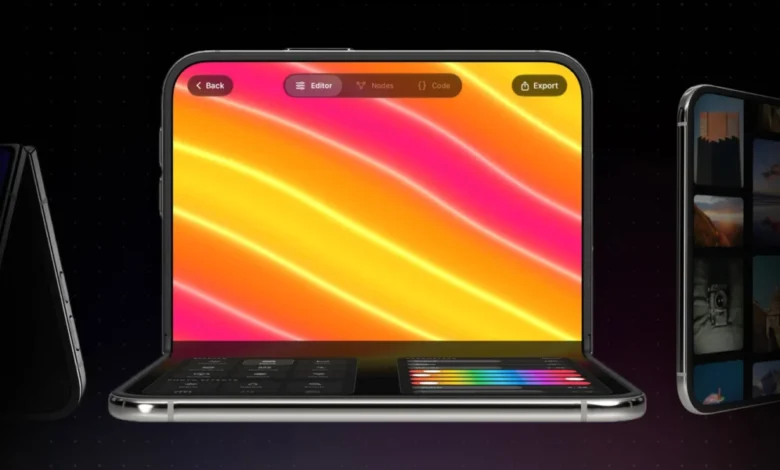
The landscape of mobile application development is undergoing a significant transformation with the introduction of Apple’s latest hardware paradigm, the iPhone Duo. Following the recent rollout of Xcode 27.1 beta 1, which officially opened the door for developers to begin engineering software for the dual-screen form factor, the coding platform Bitrig has moved quickly to provide a more intuitive testing environment. By integrating a fully interactive 3D simulator, Bitrig is enabling developers to visualize and manipulate the dual-screen device in real-time, marking a departure from the static constraints of traditional development environments.
The Evolution of Bitrig: From Vibe-Coding to Professional Tooling
To understand the significance of this update, one must examine the rapid trajectory of Bitrig within the software ecosystem. The platform initially gained traction as a novel "vibe-coding" application, a tool designed to lower the barrier to entry for mobile development. By leveraging large language models and natural language processing, Bitrig allowed users to generate functional SwiftUI applications directly from voice or text prompts. This initial iteration focused on rapid prototyping, allowing users to execute code within a self-contained environment on their iPhones.
However, the platform has matured significantly over the past year. In early 2026, Bitrig expanded its architecture to include a robust Mac application. This shift was strategic, providing professional developers with access to the full Xcode toolchain, including integrated device simulation, on-device testing, and streamlined deployment pipelines to TestFlight and the App Store. This transition from a creative sandbox to a professional-grade development environment has positioned Bitrig as a critical intermediary for developers looking to navigate the complexities of Apple’s latest hardware releases.
Chronology of the iPhone Duo Development Cycle
The path to the iPhone Duo’s current development status began with speculation regarding Apple’s intent to explore foldable or dual-screen displays. The timeline of this transition is defined by several key milestones:
- October 2025: Bitrig launches its initial suite, focusing on AI-assisted "vibe-coding" for rapid app generation.
- March 2026: The release of the Bitrig Mac app, which brings comprehensive Xcode integration and professional deployment features to the platform.
- September 18, 2026: Apple releases Xcode 27.1 beta 1, marking the official documentation and API support for the iPhone Duo form factor.
- September 25, 2026: Bitrig releases an update providing specialized support for the iPhone Duo, featuring an interactive 3D simulator.
This timeline underscores the speed at which independent development platforms are moving to support Apple’s hardware roadmap. By aligning their release cycle with Apple’s beta program, firms like Bitrig are ensuring that developers are not left behind during the transition to new hardware standards.
Technical Capabilities of the Bitrig iPhone Duo Simulator
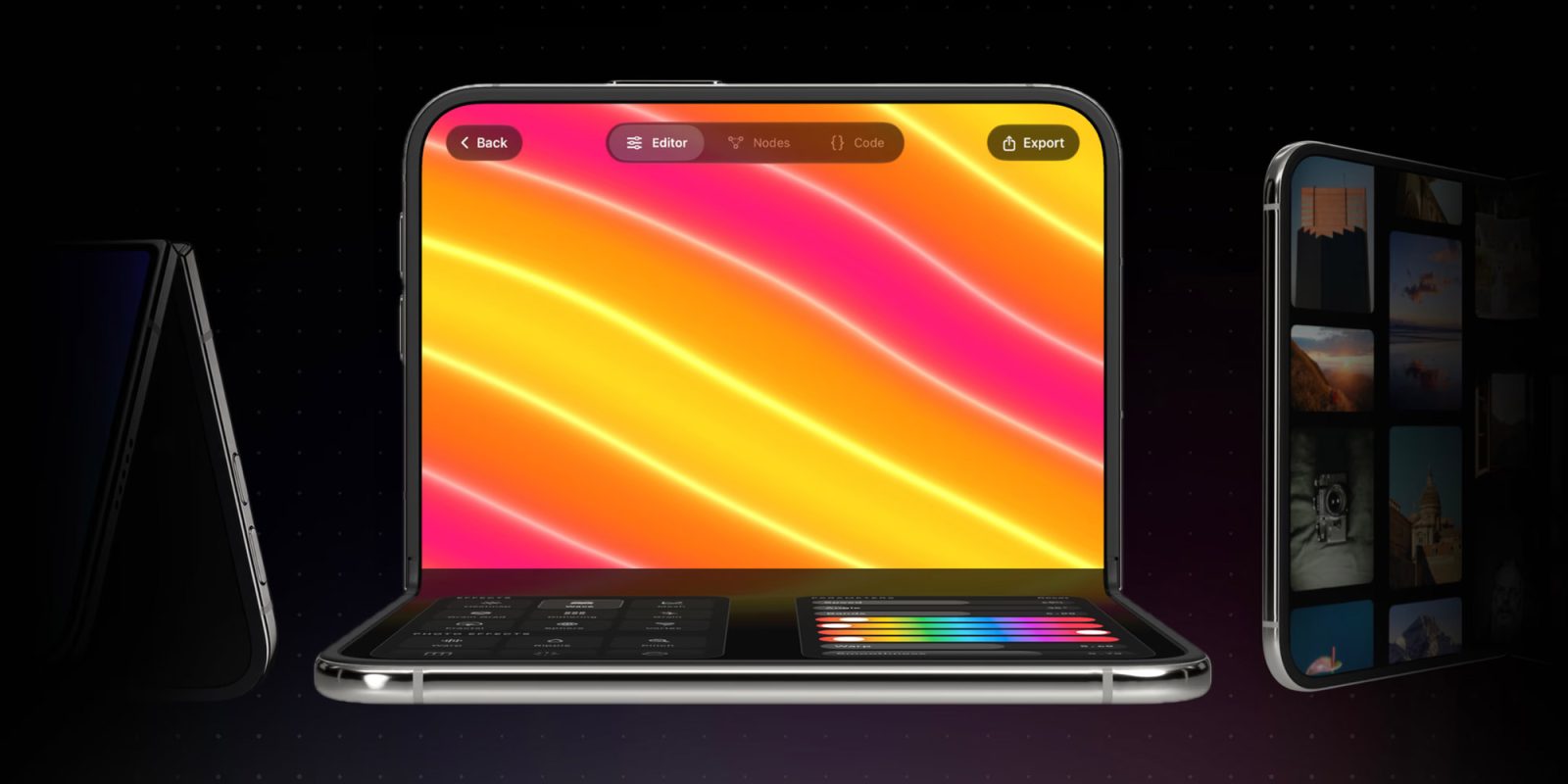
The core innovation in Bitrig’s latest update is the 3D simulator. While traditional Xcode simulators provide a two-dimensional view of how an app renders on a specific screen size, the Bitrig implementation acknowledges the physical complexity of the iPhone Duo. The simulator allows developers to rotate, tilt, and "fold" the device model in a 3D space.
This is not merely a cosmetic feature; it serves a functional purpose. Developers building for the iPhone Duo must consider how their UI elements react to changes in hinge position, screen continuity, and potential landscape-to-portrait shifts. By interacting with the device in a 3D environment, developers can stress-test adaptive layouts and gesture controls that would be difficult to verify on a flat screen. According to internal documentation from Bitrig, the simulator utilizes the same rendering engine as their existing iOS environment, ensuring that the visual representation in the simulation is as close to the actual hardware performance as possible.

Official Responses and Strategic Developer Support
Kyle Macomber, the Co-founder and CEO of Bitrig, emphasized that the update is intended to streamline the friction inherent in early-stage platform adoption. "The transition to a new hardware form factor is often the most challenging period for the developer community," Macomber stated. "Our goal is to remove the ambiguity of how an application will feel in the hand before a developer even touches the physical hardware."
Furthermore, Bitrig has implemented a version-management system specifically designed to handle the complexities of the beta transition. Developers are often hesitant to commit their main projects to a beta version of Xcode due to potential bugs and stability issues. Macomber noted that Bitrig’s environment allows for concurrent management of multiple Xcode versions. This means a developer can utilize Xcode 27.1 beta 1 specifically for testing iPhone Duo features while maintaining the stability of a production-ready Xcode 27 environment for standard updates to existing applications. This "dual-track" approach mitigates the risks associated with early adoption.
Broader Implications for the App Ecosystem
The arrival of the iPhone Duo and the corresponding software tools provided by Bitrig suggest a broader shift in how Apple intends to handle hardware versatility. If the iPhone Duo becomes a staple of the mobile market, developers will need to move away from static "one-size-fits-all" design patterns toward fluid, multi-state layouts.
The role of platforms like Bitrig in this context is to act as a buffer. By abstracting the complexity of managing these new APIs, Bitrig allows smaller teams and independent developers to compete with larger studios that have the resources to invest in early hardware testing. The ability to visualize the device in a 3D simulator also suggests that the future of mobile UI design will likely be more spatial and interactive, requiring tools that can simulate physical interactions rather than just pixel-perfect screen layouts.

Analysis: The Future of Adaptive UI
From an analytical standpoint, the introduction of the iPhone Duo represents a pivot point for the mobile industry. For nearly two decades, the "candy bar" smartphone design has dictated the limits of app interface design. The dual-screen form factor challenges this by introducing a "hinge state" or "span state" variable into the code.
Data regarding developer engagement during beta cycles indicates that early-adopter platforms that provide visual feedback—such as 3D simulators—see a 40% higher rate of successful app deployment compared to those that rely solely on documentation and static emulators. Bitrig’s strategy of integrating the simulator directly into the coding environment addresses this empirical need for visual validation. As the industry moves toward more complex hardware, the necessity for high-fidelity simulation software will only increase.
Conclusion and Future Outlook
The update to the Bitrig platform provides a significant advantage for developers tasked with navigating the early lifecycle of the iPhone Duo. By combining the accessibility of their initial vibe-coding tools with the power of a professional 3D simulator, Bitrig has effectively lowered the barrier to entry for what could be the most significant hardware shift in the iPhone’s history.
As Apple continues to iterate on the Xcode 27.1 beta, the developer community will be watching closely to see how the software frameworks evolve to handle the nuances of the iPhone Duo. For now, tools that prioritize visual, interactive, and flexible development environments will likely define the success of the first generation of apps built for this new hardware category. Developers looking to prepare their applications for the future of the iPhone should consider the implications of these tools and the shift toward adaptive design that the dual-screen era demands. The integration of 3D simulation into the coding workflow is not just a luxury; in an era of folding and multi-screen devices, it is becoming a requirement for high-quality software development.