How to download the official iPhone Duo wallpapers from the latest Xcode 27.1 beta release

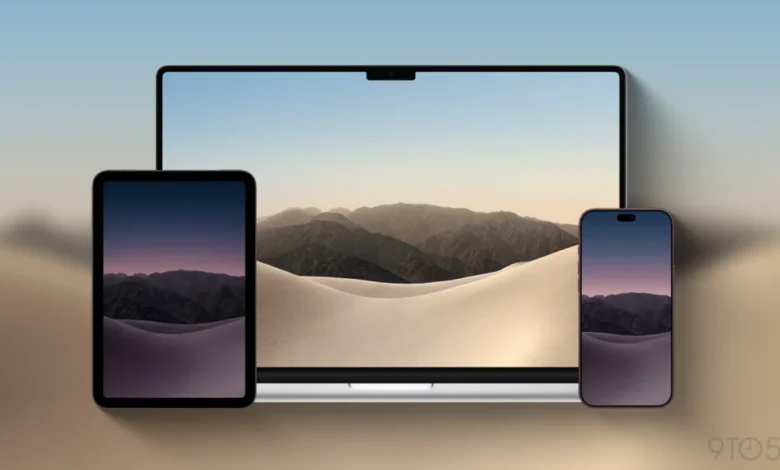
Apple’s latest foray into the foldable smartphone market, the iPhone Duo, has generated significant industry buzz since its unveiling earlier this month. While the device itself represents a massive shift in Apple’s hardware design philosophy, enthusiasts were initially disappointed to find that the device’s exclusive, high-resolution wallpapers were absent from the initial public release of iOS 27.0. However, with the release of the Xcode 27.1 beta earlier today, developers and design aficionados have finally gained access to these high-fidelity assets, which are now available for use across the broader Apple ecosystem.
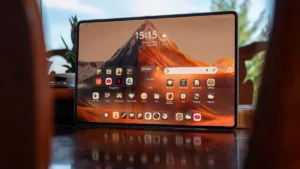
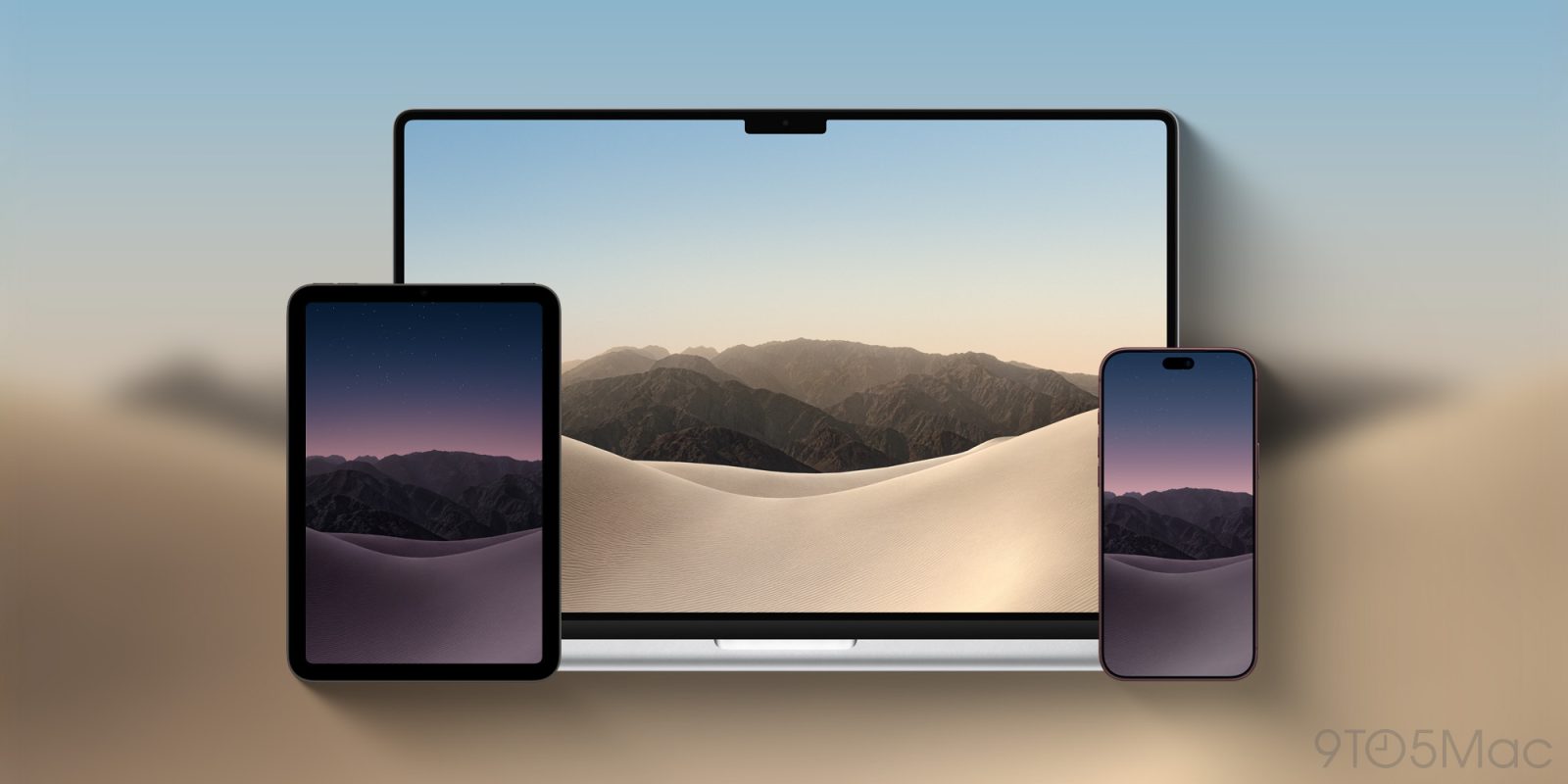
The discovery was made within the iPhone simulator environment bundled with the Xcode 27.1 beta, confirming that Apple had indeed finalized these aesthetic components for the Duo’s unique form factor. The set includes four distinct images—two tailored for light mode and two for dark mode—all of which feature a sophisticated, minimalist aesthetic depicting rolling sand dunes set against a stark, majestic mountain range.
Chronology of the iPhone Duo Announcement and Software Deployment
To understand the context of this release, one must look at the compressed timeline of Apple’s September hardware and software cycle. On September 9, 2026, Apple held its annual autumn event, where the company officially introduced the iPhone 18 Pro series alongside the much-anticipated iPhone Duo. The latter, representing Apple’s first commercially available foldable device, was the centerpiece of the keynote, signaling a departure from the static rectangular slabs that have defined the smartphone industry for nearly two decades.
Following the event, Apple moved quickly to seed the Release Candidate (RC) version of iOS 27.0 to developers. While this build contained the full suite of assets for the iPhone 18 Pro, it notably lacked the specific display wallpapers associated with the iPhone Duo. Industry analysts suggested at the time that the omission was a calculated move to prevent premature leaks of the device’s interface details, or perhaps simply a result of the different development tracks for the foldable-specific firmware.
The release of Xcode 27.1 beta on September 18, 2026, served as the catalyst for the public discovery. By including the assets within the simulator, Apple effectively allowed developers to test their applications against the unique display resolutions of the foldable device, inadvertently providing the high-resolution files to the public in the process.

Artistic Direction and Design Language
The new wallpapers for the iPhone Duo mark a departure from the abstract, fluid-like gradients that have characterized the last few generations of iOS. The aesthetic choice—dunes and mountains—is interpreted by design experts as a nod to the "bifurcated" nature of the folding screen. When the device is opened, the landscape imagery spans the entire display, creating a sense of scale and horizon that reinforces the expansive screen real estate provided by the foldable mechanism.
The light mode variants utilize a palette of soft, natural tones, emphasizing contrast and depth, which highlights the device’s high-dynamic-range OLED panel. Conversely, the dark mode variants lean into deep obsidian and midnight blue tones, providing a more power-efficient and visually soothing experience. The precision of these images is optimized for the non-standard aspect ratio of the iPhone Duo, ensuring that the visual composition remains balanced regardless of whether the device is folded in its "compact" state or fully extended.
Technical Implications of the Xcode 27.1 Beta
The inclusion of these assets in the Xcode 27.1 beta is more than a mere aesthetic update; it serves as a functional indicator of how Apple intends to handle foldable interface design. Developers utilize the simulator to ensure that their apps scale appropriately across different device states. By including these specific wallpapers, Apple is providing a "reference design" for how elements should look on the foldable display.

Technically, the assets are provided in high-resolution PNG format, maintaining the integrity of the original design. Users who wish to utilize these on other devices, such as the iPad or standard iPhone 18 models, will find that the aspect ratio may require some cropping or scaling, depending on the native resolution of their hardware. However, given the high pixel density of these images, they remain crisp even when adapted for standard desktop monitors or tablets.
Broader Impact on the Foldable Market
The launch of the iPhone Duo and its accompanying design language signals a maturing of the foldable category. For years, the market was dominated by early adopters and experimental hardware from competitors. Apple’s entry, characterized by its meticulous attention to detail—from the hardware hinge mechanism to the curated software aesthetics—suggests that the company views the foldable market as a primary revenue stream rather than a niche experiment.
Market research firms have noted that the "Duo" branding implies a dual-screen or folding capability that focuses on productivity and multitasking. The wallpapers are a small but significant part of the "Apple experience," which relies heavily on the marriage of hardware and software. By ensuring these assets are high-quality, Apple reinforces the premium nature of the device.

How to Access and Apply the Wallpapers
For those looking to integrate these designs into their own devices, the process is straightforward, though users should ensure they are downloading the full-resolution files rather than the compressed versions often found on social media.
- Direct Download: Users should navigate to the high-resolution source files provided within the development environment or through official Apple-vetted channels.
- Implementation: Once saved, the images can be accessed through the Photos app on iOS or macOS.
- System Settings: By navigating to "Settings" > "Wallpaper," users can select the "Add New Wallpaper" option and choose the desired Duo image.
- Device Compatibility: While designed for the iPhone Duo, the images are fully compatible with any device running iOS 27 or later, as well as iPadOS and macOS.
Official Guidelines for Wallpaper Configuration
Apple maintains strict standards for how its wallpapers are presented to ensure maximum visual impact. The company recommends that users avoid third-party compression apps when transferring these files, as the subtle gradients in the dune formations can easily be ruined by JPEG artifacts.
For users setting these on an iPad or Mac, Apple suggests utilizing the "Perspective Zoom" feature in iOS to create a sense of movement as the device is tilted. On macOS, the dynamic nature of these wallpapers allows for a clean, professional look that complements the latest system interfaces. Full documentation on how to configure these settings can be found via Apple’s official support portals, which detail the specific steps for different screen densities and aspect ratios.

Looking Ahead
As the iPhone Duo continues to roll out to international markets, the role of these wallpapers will evolve. They are likely to become a permanent fixture in the "Collections" tab of the iOS wallpaper picker, joining the ranks of iconic imagery that defined earlier eras of Apple design. The rapid accessibility of these assets via the Xcode 27.1 beta highlights the transparent nature of Apple’s development ecosystem, where, despite the company’s penchant for secrecy, the technical requirements of software development often lead to the early release of artistic assets.
While the primary focus remains on the functionality of the iPhone Duo, the attention to the device’s visual identity demonstrates that Apple’s approach to the foldable form factor is as much about aesthetics as it is about engineering. As developers begin to build applications that specifically leverage the folding screen, these wallpapers will serve as the backdrop for the next generation of mobile software. The design community will undoubtedly continue to analyze these assets for further clues regarding Apple’s future design directions, particularly as the company refines its vision for hardware that can both fold and function as a standard smartphone.
Ultimately, the release of these images provides a rare, high-quality look into the branding of a product that represents the most significant change to the iPhone in nearly two decades. Whether or not one chooses to use them, the wallpapers stand as a testament to the meticulous planning that defines the Apple hardware pipeline. For the average user, they represent a small piece of the future, available to be enjoyed on current devices while they wait for the broader adoption of the foldable form factor.