IPhone 18 Pro battery capacity revealed through teardown and regulatory documentation

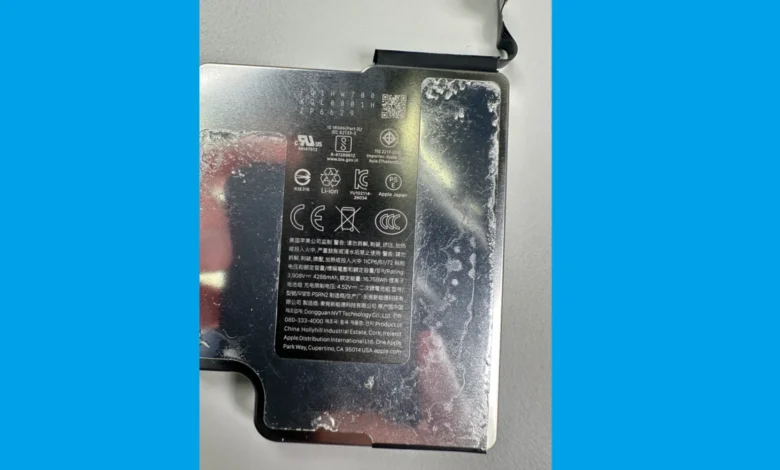
The internal specifications of Apple’s latest flagship smartphone, the iPhone 18 Pro, have been clarified following a detailed teardown performed by the experts at iFixit. For years, Apple has maintained a policy of omitting specific milliampere-hour (mAh) ratings from its official marketing materials, opting instead to provide estimates based on usage scenarios, such as "up to 45 hours of video playback." This lack of transparency has historically left consumers and industry analysts to rely on third-party forensic analysis and international regulatory filings to understand the power potential of their devices.
The Findings from iFixit
According to the latest teardown results shared with Tom’s Guide, the North American variant of the iPhone 18 Pro houses a battery with a capacity of 4,288mAh. When measured against the iPhone 17 Pro’s eSIM-equipped counterpart—which featured a 4,252mAh battery—this represents a modest year-over-year increase of approximately 1%.
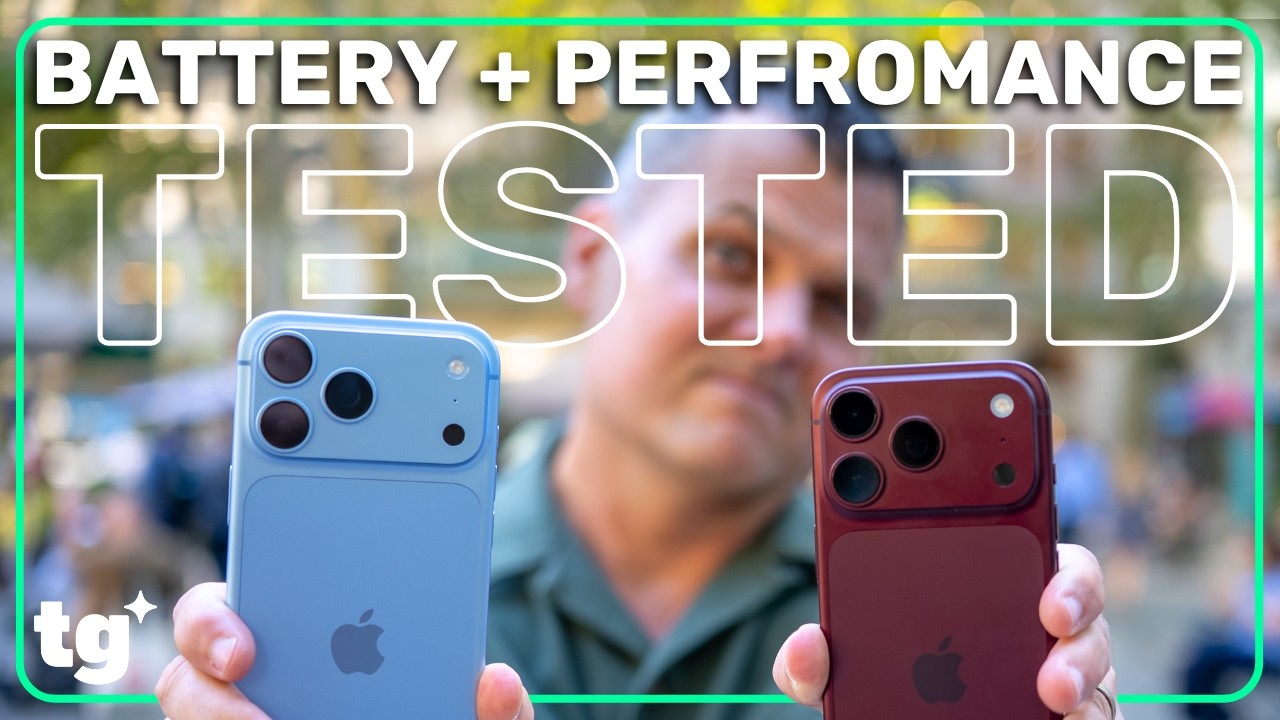
While a 1% hardware improvement may seem marginal, the real-world performance metrics tell a different story. In controlled battery endurance testing, the iPhone 18 Pro demonstrated a significant leap in longevity, clocking in at 16 hours and 17 minutes of continuous use, compared to the 15 hours and 17 minutes achieved by the previous generation. This one-hour gain is largely attributed to the integration of the A20 Pro chip. The new silicon architecture offers improved power efficiency and thermal management, allowing the device to extract more utility from the hardware than would be possible through capacity increases alone.
Regional Discrepancies and Regulatory Transparency
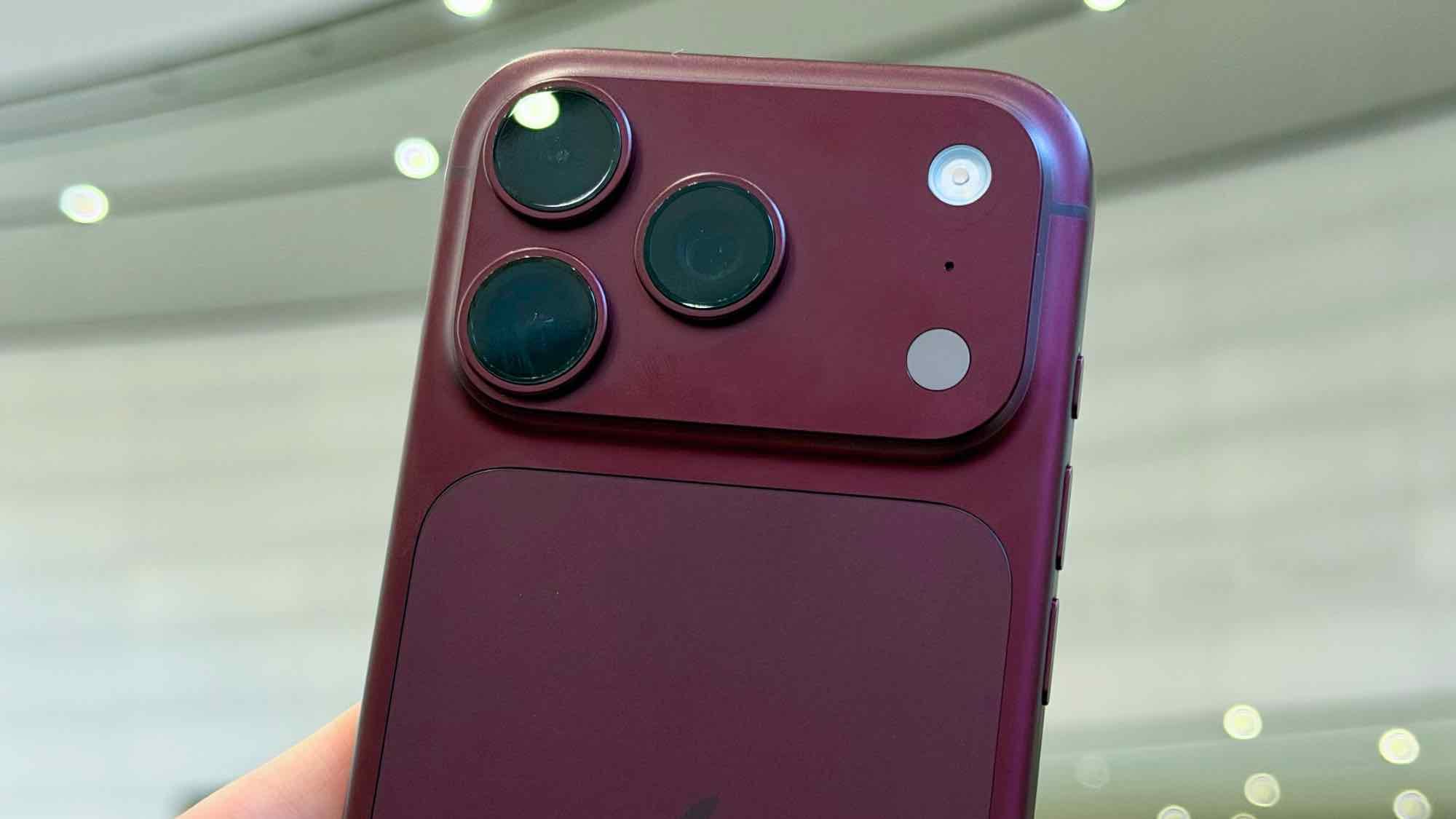
The investigation into the iPhone 18 Pro’s battery life has highlighted a curious divergence between international models. Data derived from European Union Energy Labels, which are mandated by local law to provide consumers with transparent information regarding device specifications, indicates that the European variant of the iPhone 18 Pro contains a 4,056mAh battery. Similarly, the iPhone 18 Pro Max has been listed with a 5,391mAh capacity in these regulatory documents.
These discrepancies are largely structural. EU-specific models of the iPhone frequently differ from their North American counterparts due to local telecommunications regulations, most notably the inclusion of physical SIM card slots compared to the eSIM-only design standard in the United States. These internal layout changes often require slight modifications to the battery geometry and capacity. This transparency, provided by EU mandates, offers a rare, legally verified look at the engineering decisions Apple makes to accommodate different global markets.
Chronology of Apple’s Battery Evolution
Apple’s approach to battery technology has been a primary focus of its development cycle for over a decade. Since the introduction of the iPhone 6 and the subsequent "Batterygate" controversy—which involved the company intentionally throttling performance to prevent unexpected shutdowns on aging batteries—Apple has placed significant emphasis on power management software.
Following that period, Apple began increasing the physical size of its battery cells as smartphone designs matured and internal space became more precious. The transition to 5G technology in the iPhone 12 era forced a further pivot toward higher capacity, as the increased power consumption of cellular modems necessitated larger energy reserves. By the time the iPhone 15 and 16 series launched, Apple had moved toward more sophisticated stacked battery designs and integrated power management systems, culminating in the current efficiency standards of the A20 Pro series.
Economic Implications for Consumers
The revelation of these battery specs coincides with a shift in Apple’s service pricing model. Along with the $100 price increase for the base 256GB model of the iPhone 18 Pro, the cost of out-of-warranty battery replacements has also risen. Users requiring a battery service for the iPhone 18 Pro will now face a $129 fee, a $10 increase over the repair costs associated with the iPhone 17 Pro.
This price adjustment reflects a broader trend in the consumer electronics industry, where the complexity of internal hardware and the use of proprietary adhesives and components have made repairs more labor-intensive. For many consumers, these rising costs serve as a functional nudge toward purchasing AppleCare+, which significantly lowers the deductible for accidental damage and battery degradation services. Historically, such price hikes in repair services have often tracked with overall hardware price increases, as seen during the release of the iPhone 16 Pro.
Impact on Device Longevity and Market Positioning
The interplay between the A20 Pro chip’s efficiency and the incremental increase in battery size positions the iPhone 18 Pro as a device optimized for sustained performance rather than raw capacity. In the current market, where users are keeping their smartphones for longer periods, battery health is a primary driver of device retirement.
Analysts suggest that by balancing power draw through silicon efficiency rather than solely relying on larger batteries, Apple is attempting to mitigate the long-term degradation that occurs when high-capacity lithium-ion cells are subjected to heavy charge-discharge cycles. The extra hour of battery life provided in the latest model is a key selling point for a target demographic that values consistent daily performance over the need for midday charging.
Official Responses and Industry Context
Apple has not issued a statement regarding the specific battery capacity figures revealed by iFixit or the EU filings, consistent with its long-standing policy of not commenting on internal hardware specifications beyond what is listed in its technical manuals. However, the company has frequently emphasized that its focus remains on the "integrated system performance" of its hardware and software.
By utilizing energy-efficient chipsets, Apple has been able to maintain a competitive edge against Android counterparts that often boast larger batteries but struggle to achieve the same battery-to-performance ratio due to less optimized software integration. The, albeit minor, increase in battery size suggests that Apple is not abandoning physical capacity as a metric, but is treating it as one component of a broader strategy involving thermal efficiency, display power management, and background task optimization.
Future Outlook
As the industry moves toward 2026 and beyond, the focus will likely remain on how manufacturers can continue to improve battery longevity without drastically increasing the weight or thickness of devices. For Apple, the challenge will be to maintain the current balance of efficiency and power as it continues to integrate more AI-driven tasks and advanced camera processing into the iPhone 18 and future series.
The data provided by the iFixit teardown and the European energy disclosures provides a crucial baseline for tech enthusiasts and potential buyers alike. It underscores the reality that, in the world of high-end mobile computing, the "best" battery is not necessarily the largest, but the one that works in most perfect harmony with the processor it supports. As repair costs continue to climb, consumers are likely to pay closer attention to these internal details, using them to determine the long-term value and durability of their next significant tech investment. With the A20 Pro proving its mettle, the iPhone 18 Pro appears to be a case study in how small, incremental hardware improvements can result in a tangible, user-facing benefit.