Camp Snap Unveils the 110D Digital Camera as a Nostalgic Tribute to 1970s Film Photography


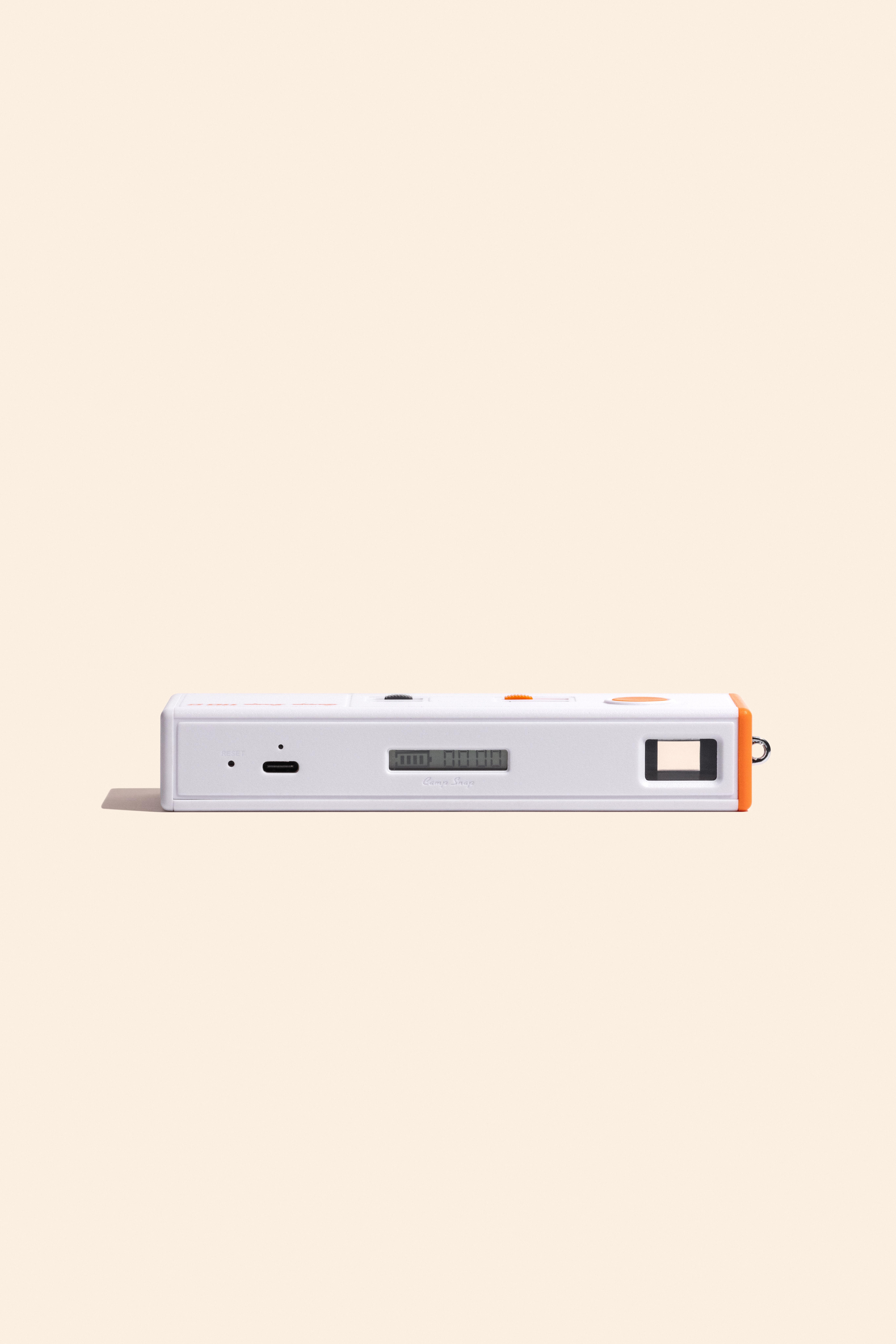
The digital photography market has witnessed a significant pivot toward intentional, screen-free experiences, and Camp Snap is at the forefront of this movement with the release of the 110D. This latest offering deviates from the company’s previous models by abandoning the traditional pocket-camera aesthetic in favor of a long, slender form factor that pays direct homage to the 110-format film cameras popularized in the 1970s. By blending an 8MP digital sensor with the tactile, stripped-back simplicity of a vintage cartridge-load camera, Camp Snap continues to challenge the modern reliance on high-resolution displays and instant image gratification.
The Evolution of the Camp Snap Ecosystem
To understand the significance of the 110D, one must look at the rapid progression of the brand. Camp Snap first gained traction as a viral sensation, marketed primarily as a "digital disposable" camera. The core philosophy was simple: remove the rear LCD screen to force the photographer to focus on composition and the present moment, rather than the immediate review of captured files.
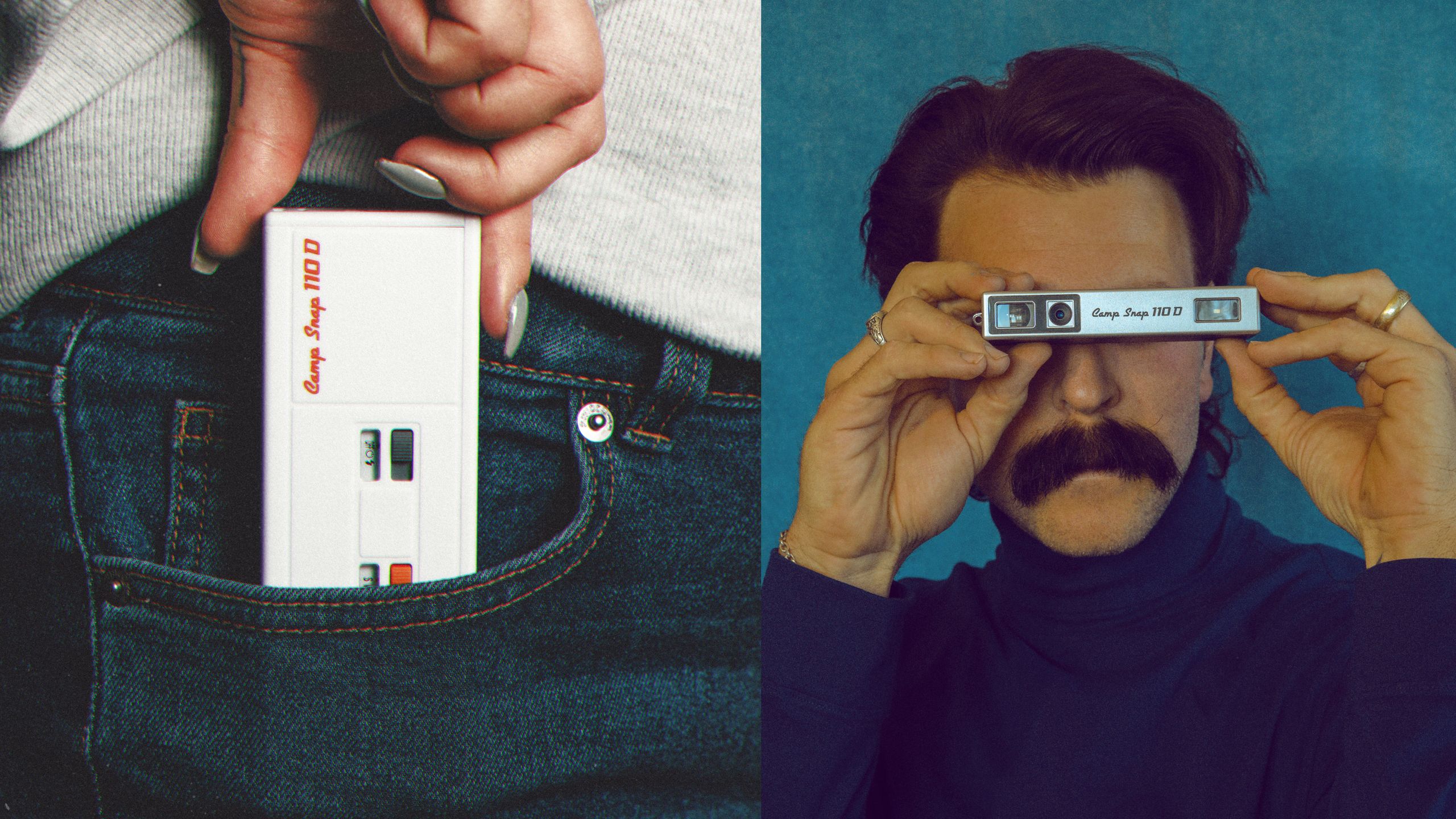
The initial models were praised for their minimalism but drew criticism regarding technical limitations—most notably, shutter lag. As the brand matured, it released the Camp Snap 2 and the CS-Pro. These iterations introduced incremental improvements, including better color science and more robust build quality, while maintaining the signature screen-free interface. The 110D represents the most significant departure in terms of industrial design to date, marking the first time the company has actively sought to replicate a specific historical format rather than a general "disposable" aesthetic.
Technical Specifications and Design Architecture
The 110D houses an 8MP 1/3.2-inch Sony-made sensor, a choice that balances resolution with the desired "film-like" grain and texture that has become the brand’s hallmark. This sensor is paired with a 26mm equivalent fixed lens, providing a wide-angle field of view suitable for street photography, travel, and social documentation.
One of the most critical engineering upgrades in this model is the shutter response time. Users of previous Camp Snap iterations frequently cited the delay between pressing the button and the actual image capture as a barrier to spontaneous photography. The 110D addresses this through a completely re-engineered button mechanism. By shortening the travel distance and improving the internal processing speed, the manufacturer has effectively mitigated the shutter lag that plagued its predecessors, resulting in a snappier, more reliable shooting experience.
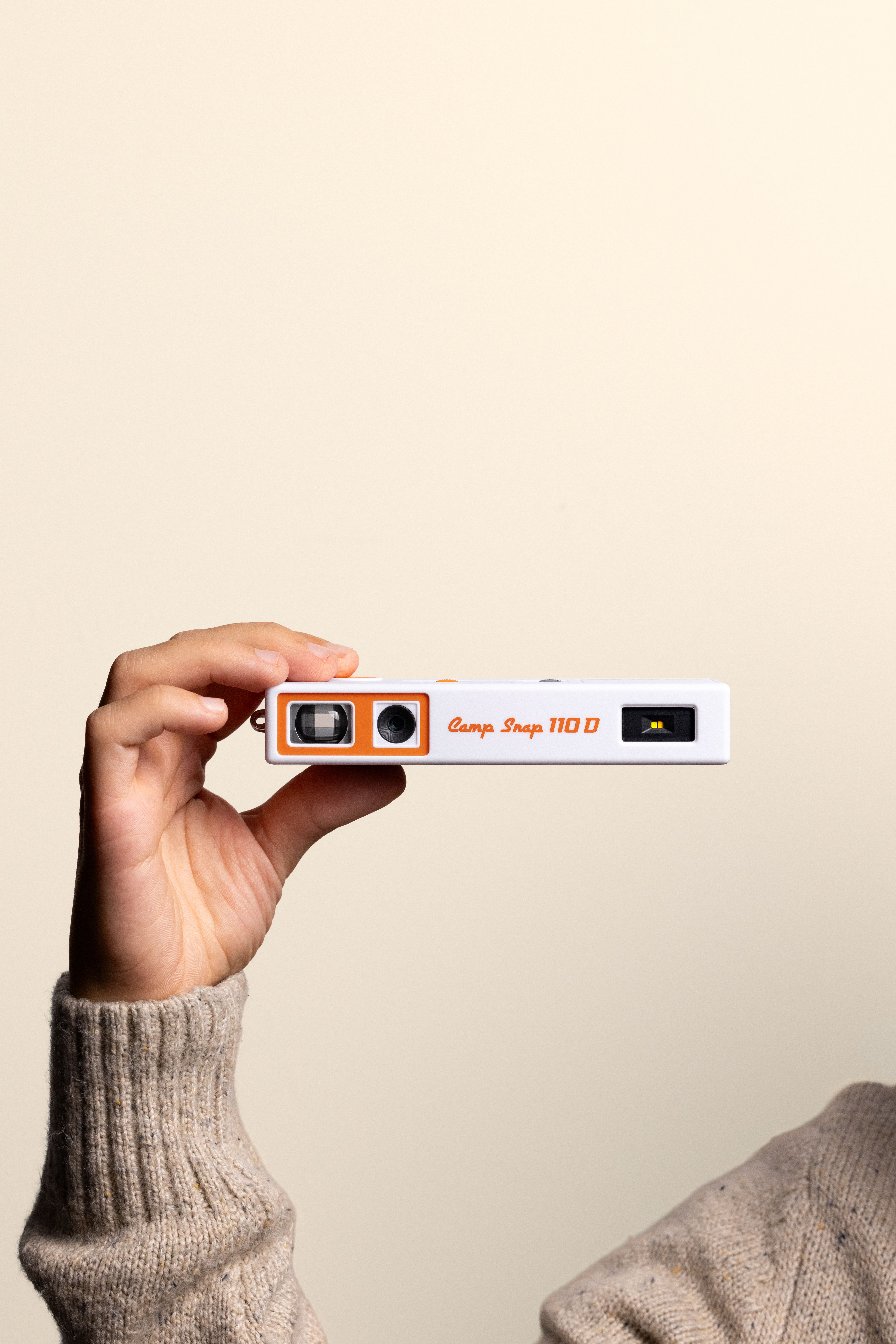
The physical dimensions of the device—143.2 x 50 x 24.5mm—are a direct result of the 110-film inspiration. While the original 110 cameras were notoriously small, the 110D is slightly longer and thinner, allowing for a more ergonomic grip. The build includes dedicated strap lugs, acknowledging that the camera is designed to be carried as an everyday accessory rather than stowed away in a bag.
The 110 Film Format: A Historical Context
The 110-film cartridge, introduced by Kodak in 1972, was a technological marvel of its time. It was designed to solve the primary friction point of 35mm photography: loading film. The 110 cartridge was a "drop-in" system, meaning users could swap film in seconds without threading a leader or worrying about light leaks.
While the 110 format was eventually criticized for its relatively small negative size—which often resulted in grainy, soft prints when enlarged—it was incredibly successful in making photography accessible to the masses. By resurrecting this form factor, Camp Snap is tapping into a deep vein of nostalgia. Much like the 1970s format, the 110D is designed for ease of use. It features five built-in, non-destructive color filters that can be toggled via a side-mounted physical switch. This allows users to change the "film stock" look of their photos without the need for post-processing software or mobile applications.
User Accessibility and Operational Workflow
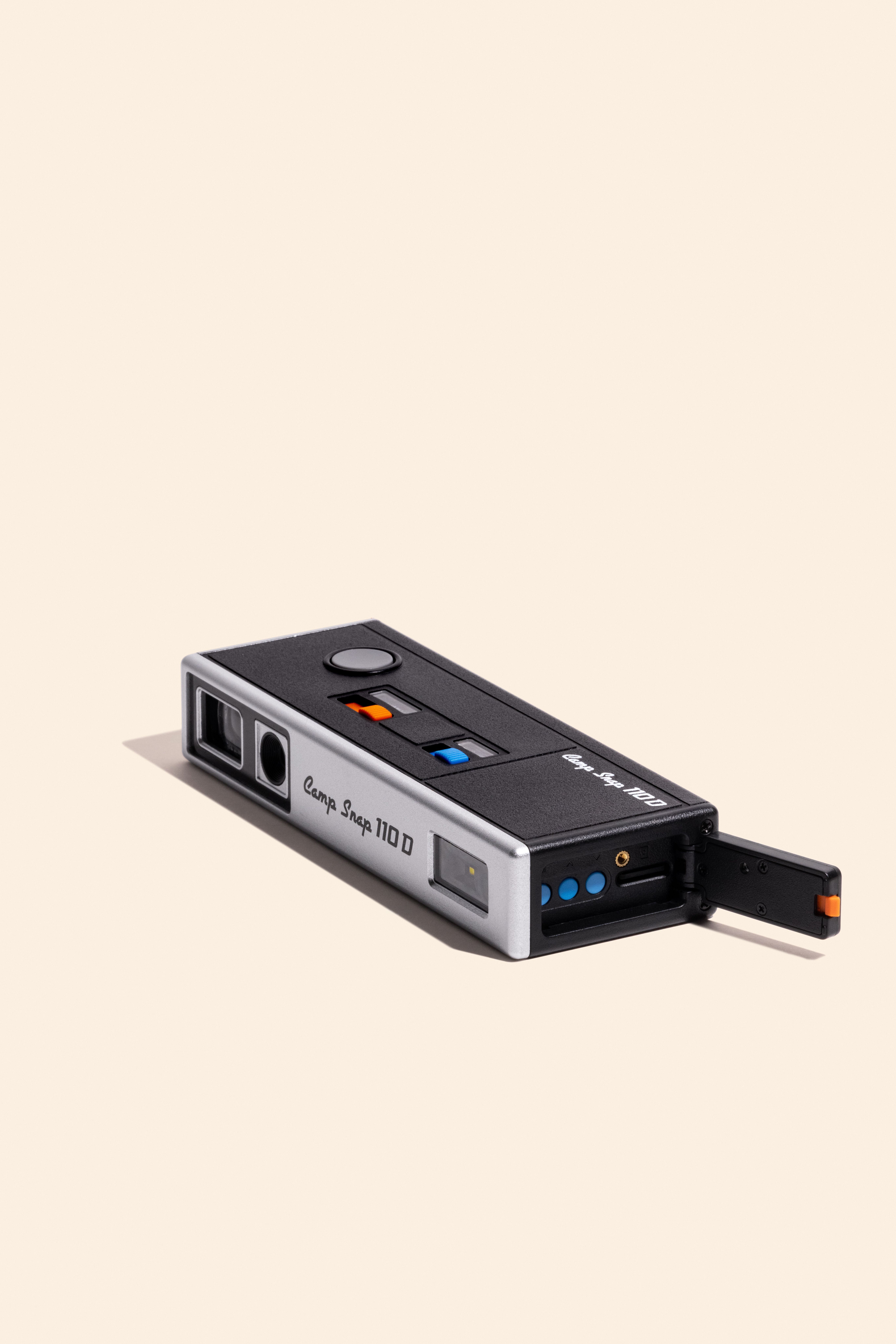
A major consideration for the 110D is its appeal to a wide demographic, ranging from retro-enthusiasts to families. The inclusion of a locking mechanism for both the microSD card door and the filter selection slider makes the device notably "kid-safe." This prevents the accidental loss of data or the unintentional changing of settings during use.
The operational workflow remains identical to previous models:
- Shooting: The user composes the shot using an optical viewfinder. No digital feedback is provided.
- Storage: Images are saved to an included microSD card. The device has a capacity for approximately 2,000 images.
- Power: The unit is powered by an internal battery, rated for roughly 500 shots per full charge.
- Transfer: Users connect the device to a computer or smartphone via a standard USB-C cable to retrieve their files.
This friction—the inability to see the photo until it is offloaded—is the core value proposition of the product. By decoupling the act of shooting from the act of viewing, Camp Snap argues that the user is more likely to engage with their surroundings.
Market Positioning and Economic Impact
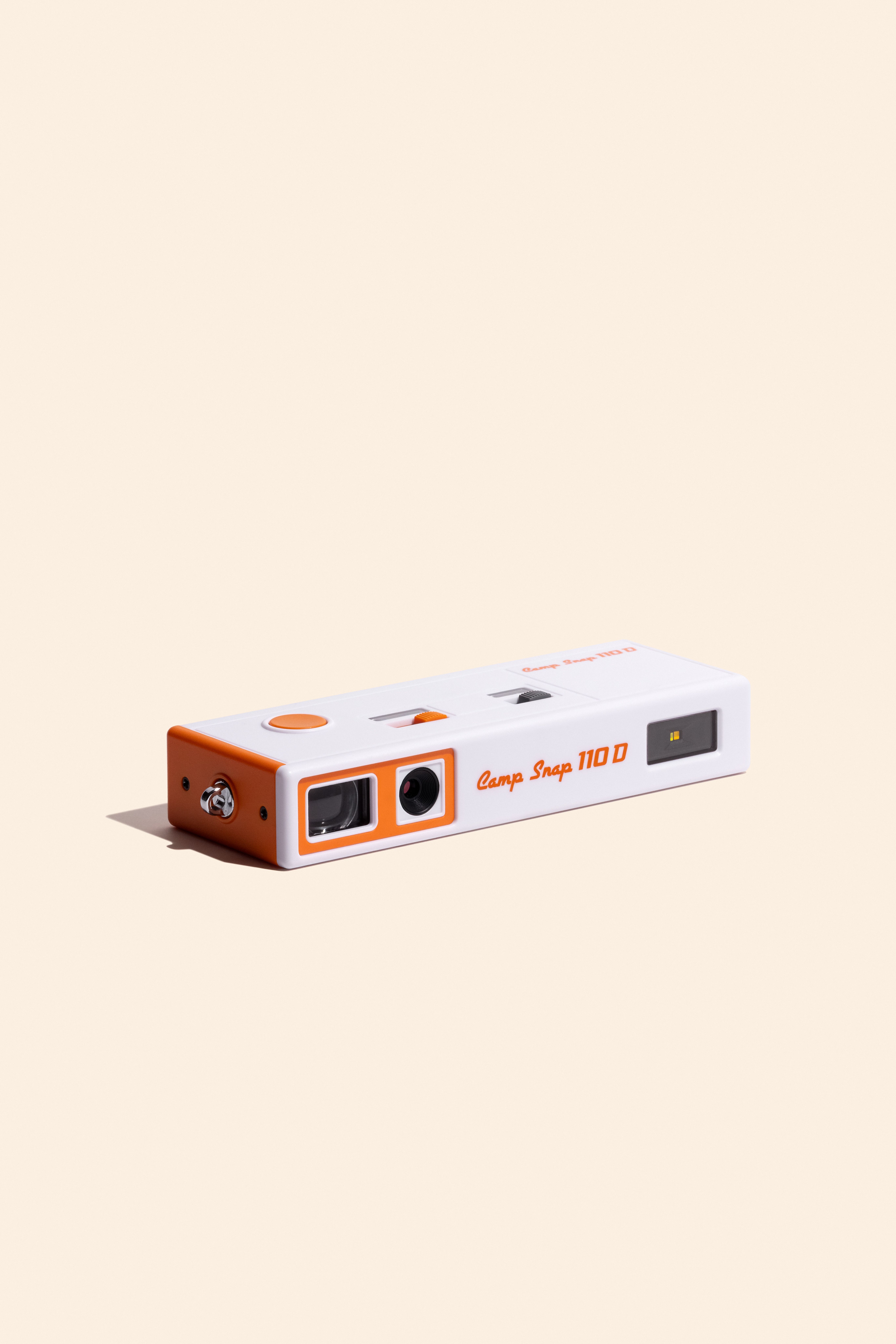
The 110D is priced at approximately $75, a strategic point that positions it as an impulse buy for casual photographers and a low-risk entry point for those interested in the "analog-digital" hybrid space. While international pricing fluctuates, the accessibility of the price point is intentional.
From a market analysis perspective, the rise of the 110D indicates a growing consumer fatigue with the "spec wars" of modern smartphone photography. As mobile devices continue to increase in computational complexity, the desire for a simplified, dedicated tool has created a niche that manufacturers like Camp Snap are effectively filling.
The industry at large has observed this trend. Many legacy camera manufacturers are also exploring "minimalist" modes or retro-styled interfaces to capture this demographic, but few have been willing to completely omit the LCD screen. By taking the bold step of removing the display, Camp Snap has successfully differentiated itself from both mass-market consumer electronics and high-end professional equipment.
Future Implications for Digital Photography
The success of the 110D will likely hinge on how well it balances the "toy-like" nostalgia of the 1970s with the performance requirements of a 2024 digital device. If the improved shutter response proves as effective as reported, the 110D could set a new standard for the "disposable-digital" category.
Furthermore, the 110D signals a shift in how content is curated. Because users cannot delete images on the go, the "edit" happens after the fact. This mirrors the psychological process of film photography, where the photographer becomes more deliberate with each frame. The broader implication is that the camera acts as an experience-enhancer rather than just an image-gathering tool.
Conclusion
The Camp Snap 110D is more than a revival of a defunct film format; it is a commentary on the current state of digital imaging. By embracing the limitations of the 1970s—the fixed lens, the optical viewfinder, and the lack of a screen—the brand is successfully commodifying the "experience" of photography. For those who find the modern smartphone experience to be either too distracting or too clinical, the 110D offers a return to the tactile joy of capturing an image without the weight of digital management. As the company continues to iterate on its hardware, the 110D stands as a testament to the fact that, in the world of photography, sometimes less is indeed more. Pre-orders are currently open, and the device is expected to reach the hands of consumers shortly, where its performance in real-world scenarios will determine its long-term viability in an increasingly crowded retro-tech market.
Related posts: