Tesla Expands Strategic Footprint in Southeast Asia with New Vietnam Subsidiary

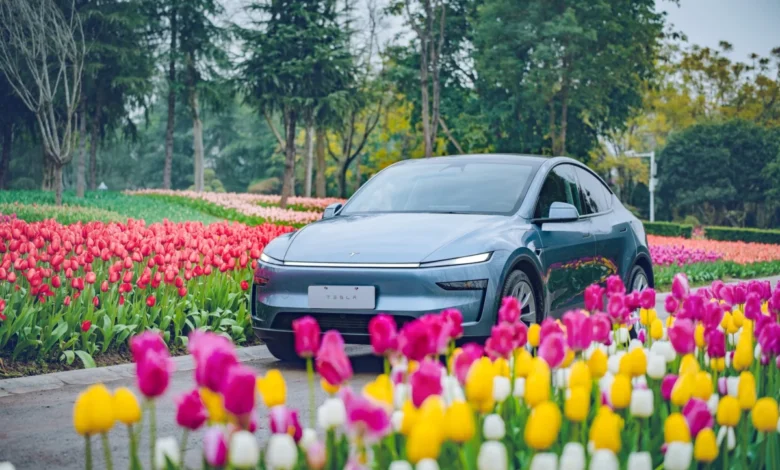
Tesla has officially initiated its expansion into the Vietnamese market, filing for the registration of a local entity known as Tesla Motors Vietnam Limited Liability Company. This move marks a significant strategic pivot for the Austin-based automaker, which is looking to capitalize on one of the fastest-growing electric vehicle (EV) markets in Southeast Asia. The registration, confirmed by recent regulatory filings, serves as a formal signal that Tesla intends to establish a physical and commercial presence in a country currently dominated by local manufacturing powerhouse VinFast.
The Strategic Context of Vietnam’s EV Landscape
Vietnam has emerged as a high-growth region for electric mobility, characterized by an aggressive push toward fleet electrification and a rising consumer appetite for sustainable transportation. According to recent industry reports, the nation led Southeast Asia in battery-electric passenger car sales during the first half of 2026, recording approximately 116,000 units sold—a robust 71 percent year-over-year increase.
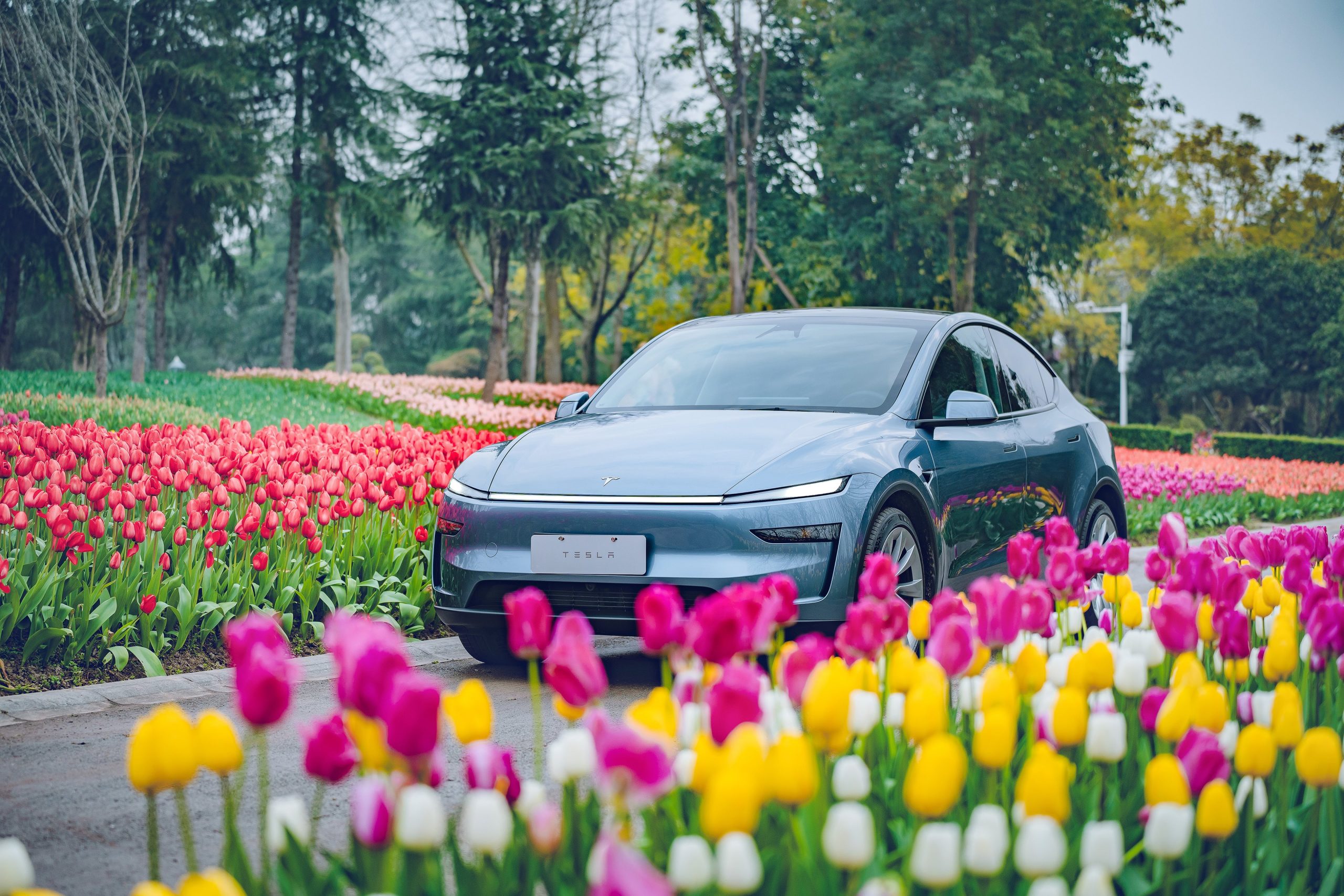
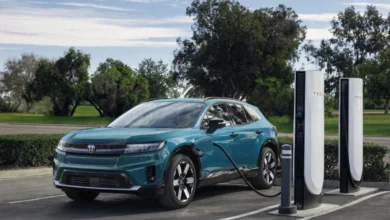
Despite this growth, the market remains highly insular. Currently, the charging infrastructure in Vietnam is dominated by V-Green, a network associated with VinFast, which operates roughly 150,000 charging ports. However, these facilities are largely optimized for, and restricted to, the domestic manufacturer’s vehicle ecosystem. For Tesla, this presents both a challenge and a unique opportunity. The lack of a standardized, reliable third-party charging network for non-VinFast vehicles creates a barrier to entry for international brands, but it also allows Tesla to potentially introduce its own "Supercharger" infrastructure, which has historically been a major competitive advantage in its global expansion.
Tesla’s Broader Asian Performance
The decision to enter Vietnam comes at a complex time for Tesla’s operations across the Asian continent. While China remains the crown jewel of the company’s international production and sales strategy, recent data indicates that the market is maturing and facing increased competition from aggressive domestic players. Tesla’s domestic retail deliveries in China saw a 12 percent decline year-over-year through the first eight months of 2026.
Despite the softening retail numbers, Tesla’s Gigafactory Shanghai continues to operate as a vital export hub. The facility serves as the primary production engine for vehicles destined for Europe, South Korea, Japan, and Australia. Export volumes from the Shanghai plant have surged, effectively outpacing domestic retail sales. This export-heavy strategy has provided a buffer against domestic market volatility.

A notable bright spot in this regional strategy has been South Korea, where Tesla has achieved unprecedented success. Recent registration data shows that Tesla’s sales in South Korea have doubled year-to-date, with the brand frequently topping the charts as the most popular imported vehicle marque. By replicating the successful model used in South Korea—where the Model Y has consistently outperformed established local rivals—Tesla aims to establish a foothold in Vietnam that could eventually serve as a gateway to broader ASEAN market penetration.
Competitive Dynamics and Market Challenges
Tesla’s entry into Vietnam is not without hurdles. The automotive market in the region is heavily influenced by government incentives, local manufacturing requirements, and the entrenched position of regional giants. VinFast, in particular, has leveraged its domestic manufacturing capability to gain significant market share.
Furthermore, while the Model Y continues to hold its position as one of the best-selling vehicles globally, the Model 3 has experienced a relative cooling in demand. Analysts suggest that for Tesla to succeed in Vietnam, it will need to navigate the nuances of local pricing, potential import tariffs, and the logistical challenges of creating a service and maintenance network from scratch.

The entry into Vietnam is seen by many industry observers as a calculated move to diversify revenue streams away from an increasingly saturated Chinese market. By targeting emerging economies with high electrification rates, Tesla is attempting to mitigate the risks associated with geopolitical trade tensions and local competition.
Regulatory Filing and Next Steps
The registration of "Tesla Motors Vietnam Limited Liability Company" is the first step in a multi-stage process. While the company has not yet released details regarding a timeline for showroom openings, local service centers, or the rollout of a Supercharger network, the filing indicates that the legal groundwork is now in place.
Industry analysts suggest that the company will likely follow a phased approach:

- Import and Distribution: Establishing a sales presence for imported models (likely the Model Y and Model 3).
- Infrastructure Development: Partnering with local utility providers or establishing proprietary charging stations to address the current "fragmented" landscape.
- Regional Logistics: Utilizing its existing supply chain network from Giga Shanghai to streamline the delivery process to Vietnamese ports.
Broader Implications for the EV Sector
Tesla’s expansion into Vietnam coincides with a period of significant activity for the company’s various divisions. In the broader corporate landscape, Elon Musk’s ventures—specifically X Corp and the newly rebranded SpaceXAI—have recently made headlines for consolidating their legal battles and pushing forward with new product reveals.
The move into Vietnam reflects a larger organizational focus on aggressive market expansion and product differentiation. Just as Tesla is preparing for the highly anticipated "Go for launch" demonstration of the next-generation Roadster in Texas—a project aimed at pushing the boundaries of vehicle performance—it is simultaneously ensuring its core automotive business remains competitive on a global scale.
The commitment to Vietnam underscores a belief that the Southeast Asian market is ready for a premium EV offering. As the region continues to prioritize decarbonization, the arrival of a global leader like Tesla is expected to accelerate the transition to electric mobility. Whether this move will trigger a new wave of competitive investment or lead to market consolidation remains to be seen, but the intent is clear: Tesla is positioning itself to be a primary architect of the region’s electric future.

Summary of Market Data
- Vietnam EV Growth: 71% year-over-year increase in battery-electric passenger vehicle sales in H1 2026.
- Regional Volume: 116,000 units sold in Vietnam during the first half of 2026, leading Southeast Asia.
- Infrastructure Gap: Current third-party charging is limited; VinFast’s V-Green network currently holds approximately 150,000 ports, largely restricted to its own fleet.
- Tesla’s Regional Strategy: South Korean registrations have doubled year-to-date, validating the strategy of focusing on high-import-demand markets.
Future Outlook
As Tesla begins to staff its new Vietnamese entity, the company will likely face scrutiny regarding its pricing strategy and whether it intends to pursue local assembly or manufacturing in the long term. Given the current focus on the Model Y as a global volume leader, it is highly probable that the Model Y will be the spearhead of the brand’s introduction to the Vietnamese consumer.
The success of this venture will depend largely on the company’s ability to navigate the complex regulatory environment and its success in providing a charging experience that matches the standards set in North America, Europe, and its established Asian markets. For now, the formal filing serves as a definitive statement of intent, confirming that Tesla has identified Southeast Asia as a critical pillar for its long-term global growth strategy. As the company continues to refine its global operations, the Vietnamese market stands to be one of the most significant indicators of Tesla’s ability to translate its brand prestige into new, developing economic territories.